Listen to this article
The recent **UK state pension changes** have sparked a significant transformation in how citizens approach their retirement planning. With modifications to the basic structure and rules surrounding state pension benefits, understanding these shifts is critical for all current and future retirees. The introduction of the **new state pension** aims to simplify the payment process while ensuring that individuals receive fair compensation for their National Insurance contributions. However, as the retirement age in the UK continues to rise and the government maintains its commitment to the **triple lock system**, which is designed to protect pension payments against inflation, many face growing challenges. This blog post will delve deeper into these important updates, exploring the implications they carry for those navigating the complexities of retirement in the UK.
Recent reforms to the UK’s pension system have led to a re-evaluation of how benefits are structured for individuals reaching retirement age. The evolving landscape includes pivotal updates that directly influence retirement savings and financial security for older adults. In this context, understanding the intricacies of the new state pension system, along with the associated challenges such as increased pension age and eligibility criteria, is essential. Additionally, the government’s commitment to a protective mechanism against inflation will be scrutinized, raising important questions about the future of pension sustainability. By unpacking these urgent issues, this discussion aims to shed light on effective retirement strategies aligned with the latest developments.
The New State Pension: Understanding the Benefits
The introduction of the New State Pension in 2016 was a significant shift in the UK pension landscape, simplifying the previous system. It was designed to ensure that retirees receive a fairer and more predictable income based on their National Insurance contributions. Those with 35 qualifying years can now receive a maximum of £203.85 per week, providing greater financial security than the Basic State Pension. This revised structure not only helps individuals understand what to expect upon retirement but also encourages better financial planning throughout their working lives.
Moreover, the flat-rate nature of the New State Pension means that individuals who made significant contributions to the National Insurance system are rewarded with higher payouts compared to the old system’s complexities. The simplicity of knowing the pension amount can aid in effective retirement planning, helping individuals allocate their resources wisely and making informed decisions on supplementary private pension schemes to enhance their retirement income. In this way, the New State Pension represents a pivotal element in modern retirement planning in the UK.
Changes to Pension Age in the UK
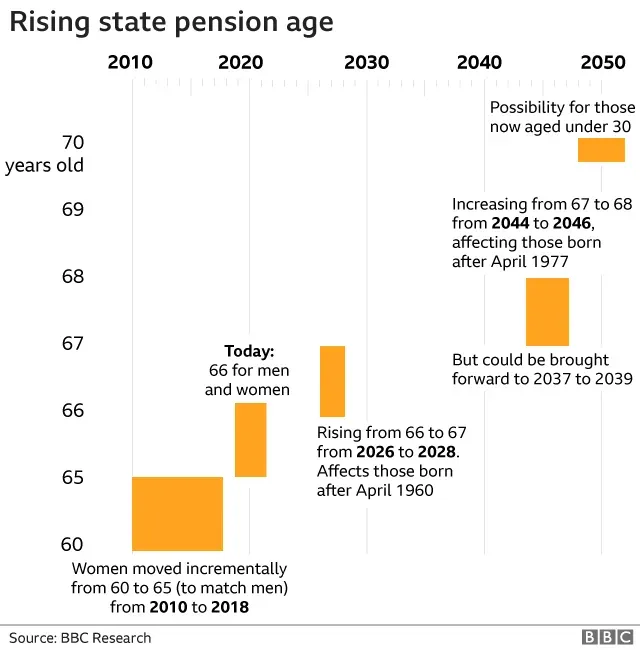
The gradual increase in the State Pension age reflects the government’s approach to enhance the sustainability of public finances as life expectancy increases. Currently, citizens can access their State Pension at 66, with plans to elevate this to 67 by 2028 and potentially to 68 in the forthcoming years. This shift towards a later pension age has profound implications for many individuals, especially those who may find it challenging to continue working due to health issues or changes in job availability. Such changes compel retirees to reconsider their retirement strategies and may force them to delay their retirement plans longer than they initially anticipated.
While extending the retirement age aims to increase economic productivity, it also raises critical questions about the adequacy of support for those who can no longer work as they approach older age. The balancing act between a sustainable pension system and the well-being of retirees is a topic of ongoing debate in the UK, warranting careful consideration from both current and future retirees. Understanding these changes allows individuals to better prepare for their retirement years, ensuring they have the necessary resources to maintain their quality of life.
Understanding the Triple Lock System
The triple lock system has become a cornerstone of the UK’s commitment to protecting the value of the State Pension. By linking pension increases to either inflation, earnings growth, or a fixed increase of 2.5%, the government seeks to ensure that pensioners maintain their purchasing power, regardless of economic fluctuations. This mechanism not only preserves financial stability for retirees but also reflects a social responsibility to safeguard the older population against rising living costs.
However, while the triple lock system promises security, it also presents challenges for long-term pension sustainability. If earnings or inflation rise significantly, the resultant pressure on government finances could lead to difficult decisions in the future, including potential changes to the structure of the pension system. This uncertainty means that individuals must stay informed about government policy developments to understand how their State Pension might evolve and what that means for their retirement planning.
Navigating UK Pension Challenges
The UK pension system, despite its improvements, presents several challenges for future retirees. Many individuals often express confusion regarding their eligibility for the New State Pension, particularly how many qualifying years are necessary to receive the maximum payment. This lack of clarity can lead to significant gaps in retirement planning, ultimately resulting in financial distress once individuals enter retirement age. With the increasing complexity of pension regulations, proactive education and personalized financial planning have become essential.
Furthermore, the pressure of an increasing pension age means that numerous individuals may find themselves in precarious work situations, delaying their retirement while battling health issues or job market changes. These realities prompt the need for further discussion about adapting retirement strategies to embrace alternative investment avenues, such as private pensions or savings accounts, to mitigate the impact of the State Pension’s limitations.
Effective Retirement Planning in the UK
As the landscape of the State Pension evolves, effective retirement planning is more crucial than ever. Individuals should take proactive steps to understand their entitlements by reviewing their National Insurance records and fully comprehending the number of qualifying years necessary for a sustainable income in retirement. This knowledge equips retirees with the information they need to make informed decisions and strategize their savings and investments accordingly.
Moreover, relying solely on the State Pension may not suffice to ensure financial comfort in retirement. Exploring options such as workplace pensions, personal savings accounts, and investment opportunities can help individuals build a more comprehensive retirement plan. Educational resources, like retirement planning seminars and consultations with financial advisors, can provide invaluable insights into creating a robust financial strategy, ultimately aiding individuals in achieving their retirement goals.
The Future of State Pension Policy
The future of the UK State Pension policy remains a topic of significant discussion, particularly concerning the sustainability of the triple lock guarantee. As pressures on government resources continue to mount, stakeholders are beginning to voice concerns over whether maintaining such a robust system is feasible for the long term. The delicate balance between safeguarding pensioners’ rights and ensuring fiscal responsibility will likely guide future adjustments to pension policies.
Additionally, as demographic trends shift, with a growing percentage of older adults in the population, the government may need to adapt its approach to pension reforms further. This could involve revisiting the retirement age, adjusting payment structures, or introducing new financial models to enhance security for retirees. Staying informed about these policy changes is crucial for individuals seeking to navigate their retirement journey successfully and advocate for their financial rights.
Frequently Asked Questions
What are the recent changes to the UK state pension system?
The recent changes to the UK state pension system include the introduction of the New State Pension in 2016, which replaced the Basic State Pension. Furthermore, the pension age is increasing to 67 by 2028, and the payment rates for those with 35 qualifying years can reach up to £203.85 a week. These updates also incorporate the triple lock system, which adjusts payments based on inflation, earnings growth, or a guaranteed minimum increase.
How does the pension age in the UK affect retirement planning?
The increase in the pension age in the UK impacts retirement planning by requiring individuals to work longer before receiving their state pension benefits. With the age set to rise to 67, this may pose challenges for those unable to continue employment due to health or job market conditions, necessitating earlier financial planning and potential alternative income strategies.
What is the triple lock system in relation to UK state pensions?
The triple lock system is a commitment by the UK government to increase the state pension annually. It ensures that pension payments rise by the highest of inflation, average earnings growth, or a minimum of 2.5%. This system aims to protect pensioners from decreasing purchasing power due to inflation, providing financial security in retirement.
How can I ensure I receive the full new state pension benefits?
To qualify for the full new state pension benefits, you need at least 35 qualifying years of National Insurance contributions. It’s crucial to check your National Insurance record to confirm your contributions and ensure you’re on track to receive the maximum pension amount when you reach the eligible retirement age.
What challenges do individuals face with the recent UK pension changes?
Individuals face several challenges due to recent UK pension changes, including the increased retirement age, which may be difficult for those with health issues or job market constraints. Additionally, understanding the eligibility criteria for full state pension benefits has become more complex, potentially leading to confusion and financial shortfalls for some retirees.
What steps can I take for effective retirement planning in light of UK pension challenges?
Effective retirement planning amidst UK pension challenges involves checking and understanding your National Insurance record to ensure you meet contribution requirements, considering private pensions or savings to supplement your state pension, and staying informed about legislative changes impacting pensions. Consulting a financial advisor or attending retirement planning seminars can also provide valuable guidance.
| Key Points | Details |
|---|---|
| Basic Structure | The UK State Pension consists of the Basic State Pension and the New State Pension. |
| Pension Age Increases | Retirement age rising to 66 now, planned to reach 67 by 2028 and possibly 68 thereafter. |
| Payment Rates | New flat-rate pension scheme offers a maximum of £203.85 per week for those with 35 qualifying years of contributions. |
| Triple Lock System | Guarantees pension increases linked to inflation, earnings growth, or a minimum of 2.5%. |
| Benefits | Improved payment structure, incentives for later retirement, and inflation protection. |
| Challenges | Increased retirement age, complex eligibility criteria, and budget constraints. |
| Planning for Retirement | Check National Insurance record, consider private pensions, and stay informed about changes in legislation. |
Summary
UK state pension changes have significantly impacted how citizens prepare for retirement, emphasizing the importance of understanding the new structure and policies. The recent updates to the UK State Pension system aim to ensure adequate income for retirees, providing both benefits and challenges that individuals must navigate. By being aware of these changes, such as the gradual increase in retirement age and the introduction of a flat-rate pension, future retirees can take proactive steps in their financial planning, ensuring a secure retirement.