Listen to this article
The Bank of England interest rate adjustments play a critical role in shaping the financial landscape for borrowers, particularly in relation to mortgages. Changes made by the Bank of England can directly affect both fixed-rate and variable-rate mortgages, influencing monthly payments and overall affordability. For homeowners, understanding the nuances of these interest rate fluctuations is essential for managing their financial well-being and making informed decisions about refinancing or purchasing a property. As interest rates rise or fall, the implications ripple through the housing market, impacting everything from buyer confidence to resale values. This article explores the economic impact of the Bank of England’s interest rate policies on mortgages and the larger housing market.
The alterations in the interest rates set by the Bank of England significantly impact a variety of financial products, especially home loans. Such adjustments affect the affordability of mortgages, such as fixed and variable options, which are vital for current and potential homeowners. Grasping how these interest rate changes impact borrowing costs is crucial for strategic financial planning and capitalizing on favorable conditions in the housing sector. As the central bank shifts its rates, the ramifications are felt across the mortgage landscape, altering consumer behavior and investment strategies in meaningful ways. This discussion will delve deeper into how the Bank of England’s monetary policy influences lending practices and homeowner decisions.
The Role of the Bank of England in Interest Rate Dynamics
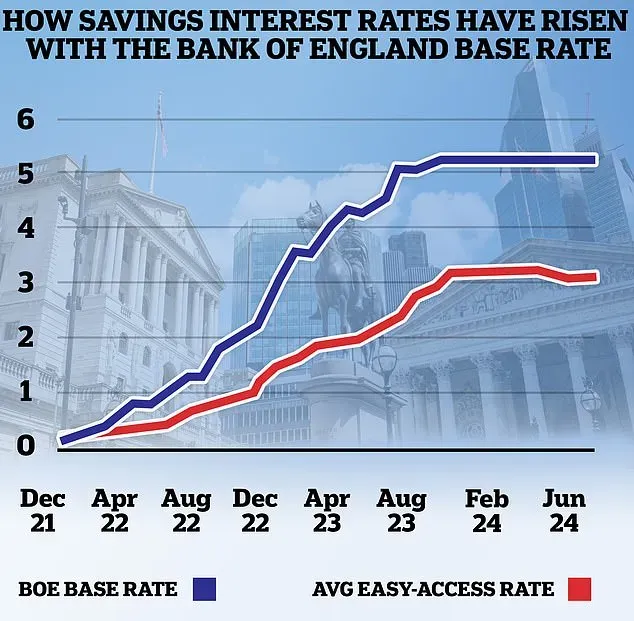
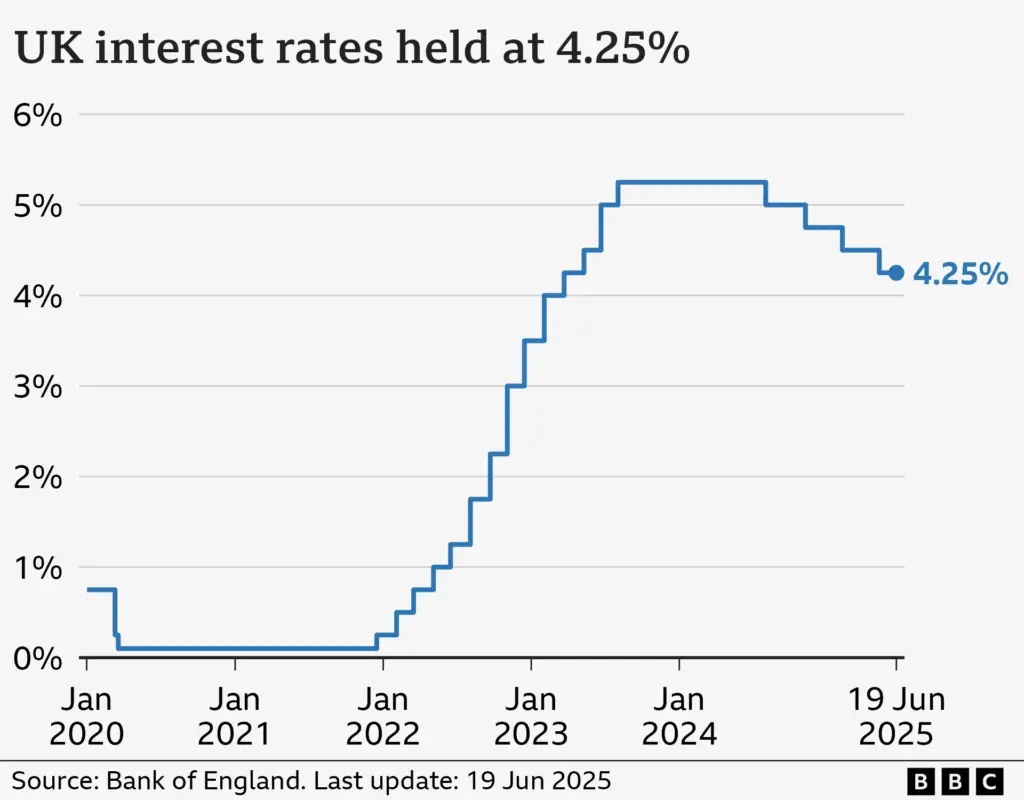
The Bank of England plays a crucial role in shaping the UK economy through its monetary policy decisions, particularly by adjusting interest rates. The BoE sets the base interest rate, which is fundamental in controlling inflation and stabilizing the financial landscape. By increasing or decreasing this rate, the bank aims to influence economic activity, affecting everything from consumer spending to business investment and, significantly, the housing market.
Changes in the Bank Rate directly affect mortgage rates, which in turn impact homeowners and potential buyers. Understanding the intricacies of the BoE’s role helps individuals prepare for the economic implications of interest rate fluctuations. As such, keeping an eye on the Bank’s announcements and economic forecasts can be essential for anyone navigating the housing market.
How Interest Rates Influence Mortgage Types
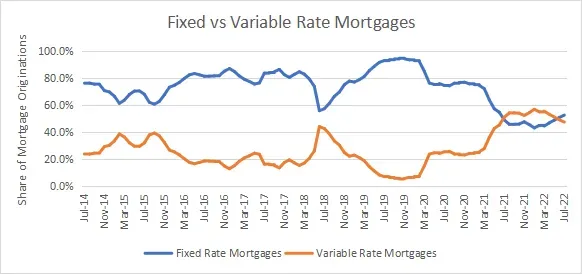
Interest rates serve as a key factor in determining the types of mortgages homeowners may choose. Fixed-rate mortgages offer borrowers long-term stability, as the interest rate remains constant, which can be particularly advantageous when the Bank of England has a policy of rising interest rates. On the other hand, variable-rate mortgages can be more affordable when rates are low, but they carry the risk of increasing payments with any rise in the base rate.
Understanding these options is critical for homeowners, especially in a fluctuating economy. With rising rates, fixed-rate mortgages might seem more attractive, whereas, in a low rate environment, potential buyers might lean towards variable rates for initial savings. Thus, gauging the current rate trends set by the BoE can significantly influence mortgage decisions.
Impact of Bank of England’s Rate Adjustments on Borrowing Costs
When the Bank of England makes adjustments to its interest rates, the immediate effect can be seen in borrowing costs across the board. For borrowers with variable-rate mortgages, an increase in the BoE’s rate translates directly into higher monthly payments, creating more financial pressure. This scenario can greatly affect household budgets, forcing homeowners to adapt quickly to new payment structures.
On the flip side, when the BoE lowers its interest rate, the decrease in borrowing costs can stimulate the housing market by making mortgages more affordable. This can lead to an uptick in home purchases as buyers seize the opportunity to secure lower monthly payments. Therefore, following the BoE’s rate decisions closely enables homeowners to anticipate market changes and make informed financial choices.
Homeowner Strategies During Rate Changes
Homeowners should remain proactive and informed during changes in interest rates to manage their financial commitments effectively. One strategic approach is to evaluate the current mortgage type they hold. If interest rates are projected to rise, switching to a fixed-rate mortgage may provide greater financial security against future increases. Conversely, with falling rates, remaining locked into an unchanging high-rate mortgage might not be ideal.
Consulting a financial advisor can also be beneficial. Professionals can tailor advice specific to an individual’s financial situation, helping homeowners to navigate refinancing options or potential mortgage adjustments. By being aware of the current trends and seeking expert guidance, borrowers can better position themselves in the face of fluctuating interest rates.
Long-Term Economic Implications of Interest Rate Adjustments
Long-term adjustments by the Bank of England signal underlying economic conditions that can affect the housing market and mortgage lending practices. For instance, persistent high-interest rates often indicate inflationary pressures, which can dampen economic growth and consumer confidence. Homebuyers may hesitate to enter the market if they perceive financial strain due to elevated borrowing costs.
Conversely, lower interest rates can stimulate the economy by encouraging spending and investment. When the Bank Rate is reduced, it can lead to a more vibrant housing market, as buyers flock to secure lower mortgage payments. Thus, understanding the broader economic context of interest rate changes is vital for homeowners and prospective buyers alike.
Adapting to Mortgage Trends Amid Interest Rate Fluctuations
Staying abreast of the latest trends in interest rates and mortgage options is essential for anyone navigating the housing market. Homeowners should utilize financial tools, such as mortgage calculators, to assess how potential rate changes could impact their monthly payments and overall loan costs. This knowledge empowers borrowers to make more informed refinancing decisions.
In addition, locking in a fixed-rate mortgage during periods of anticipated rate hikes can be a prudent strategy to safeguard against rising borrowing costs. By understanding the dynamics of the housing market and being proactive in their financial planning, homeowners can enhance their chances of achieving favorable mortgage terms and maintaining financial stability.
Frequently Asked Questions
How do Bank of England interest rate adjustments affect fixed-rate mortgages?
Bank of England interest rate adjustments have a delayed effect on fixed-rate mortgages since the interest rate remains constant over the loan term. However, if homeowners with fixed-rate mortgages seek to refinance or secure a new loan when rates change, the adjustments will directly impact the rates they receive.
What is the relationship between Bank of England interest rates and variable-rate mortgages?
Variable-rate mortgages are directly linked to the Bank of England’s base rate. When the BoE raises interest rates, borrowers with variable-rate mortgages will notice an increase in monthly payments, making borrowing more expensive and potentially straining their budgets.
How can prospective homebuyers navigate Bank of England interest rate increases?
Prospective homebuyers should be cautious during periods of rising Bank of England interest rates, as this can lead to higher mortgage costs. It’s advisable to assess personal finances thoroughly and consider locking in fixed-rate mortgages to avoid future rate hikes and ensure predictability in payments.
What should homeowners do if Bank of England interest rates rise?
Homeowners facing rising Bank of England interest rates should evaluate their financial situations. This may involve re-assessing their variable-rate mortgage payments, considering refinancing options to lock in lower rates, or adjusting their budgets to accommodate higher monthly payments.
How do Bank of England interest rate changes influence the housing market?
Changes in Bank of England interest rates significantly impact the housing market. Higher interest rates can deter buyers due to increased borrowing costs, which may lead to a slowdown in housing market activity. Conversely, lower rates may invigorate the market by making mortgages more affordable.
Are there benefits to refinancing if interest rates of the Bank of England decrease?
Yes, if the Bank of England decreases interest rates, homeowners may benefit from refinancing to secure lower mortgage rates, which can lead to reduced monthly payments and substantial savings on overall interest costs over the life of the mortgage.
| Key Points | Details |
|---|---|
| Role of the Bank of England | Sets the base interest rate to control inflation and stabilize the economy. |
| Impact on Mortgage Rates | Interest rates on mortgages change in response to the Bank Rate adjustments. Higher rates make borrowing costlier, while lower rates make it cheaper. |
| Fixed vs Variable Rates | Fixed-rate mortgages maintain the same interest rate over the term, while variable rates fluctuate with Bank Rate changes, affecting monthly payments. |
| Effects on Current Homeowners | Homeowners with variable-rate mortgages may experience increased payments and need to manage their budgets or consider refinancing. |
| Effects on Prospective Buyers | Higher interest rates may deter potential buyers due to increased borrowing costs, leading to a slowdown in housing market activity. |
| Refinancing Considerations | Declining rates may encourage refinancing to lower monthly payments, while rising rates might cause delays in refinancing decisions. |
| Long-Term Economic Indicators | Sustained high rates indicate inflation concerns, potentially slowing economic growth, while lower rates may stimulate the economy. |
| Tips for Homeowners | Stay informed, evaluate mortgage types, use financial tools, consult advisors, and consider locking in rates to manage mortgage obligations effectively. |
Summary
The Bank of England interest rate adjustments play a crucial role in shaping the mortgage landscape for both current homeowners and prospective buyers. These rate changes directly influence borrowing costs and the overall economic environment, impacting consumer spending and housing market activity. Homeowners need to stay informed about these adjustments to navigate their mortgage obligations effectively, while prospective buyers should consider how these rates affect their ability to purchase property. Understanding the relationship between Bank of England interest rate adjustments and mortgage rates can empower individuals to make strategic financial decisions amidst fluctuating economic conditions.