Listen to this article
UK mortgage rates have become a central topic in discussions surrounding home buying decisions in the current economic climate. As fluctuations in these rates directly affect buyers’ affordability and overall purchasing power, understanding their impact is essential for anyone looking to enter the property market. With rising rates being a common concern, potential homeowners are increasingly cautious about their financial commitments. This overview will delve deep into mortgage trends in the UK, illuminating how changes in interest rates can shape home buying strategies and decisions. Ultimately, being well-informed about the implications of mortgage rates is key to making sound financial choices when purchasing a home.
The recent variations in interest rates for home loans in the UK have sparked significant interest among prospective buyers and real estate investors alike. These mortgage interest rates, along with evolving economic conditions, are pivotal in determining how and when individuals choose to buy property. In light of the shifting financial landscape, understanding the nuances behind these rates can help home seekers make informed choices that align with their budgets and future plans. With ongoing attention to these developments, buyers must strategize effectively to navigate the complexities of their investment opportunities in this dynamic market. Therefore, recognizing how interest fluctuations impact the housing market will profoundly influence purchasing decisions for many.
The Current State of UK Mortgage Rates
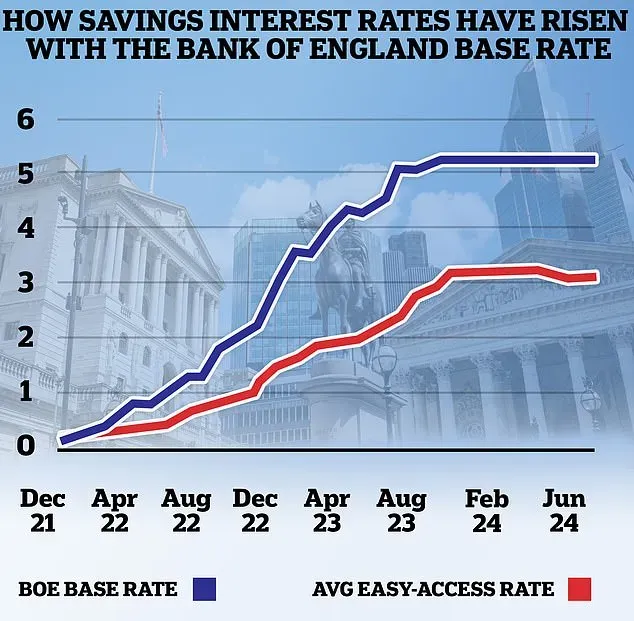
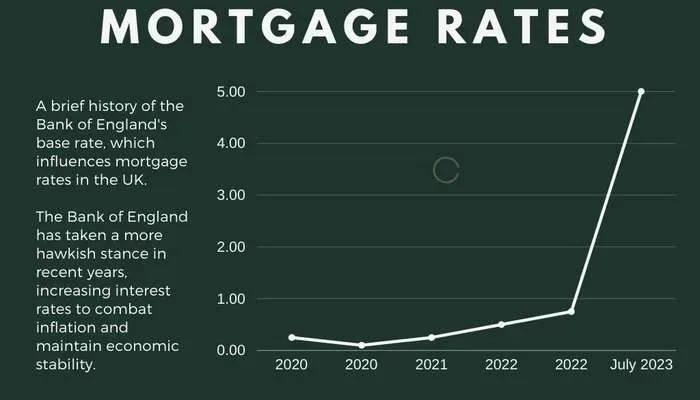
In 2023, UK mortgage rates have experienced notable fluctuations, largely shaped by economic factors such as inflation and changes in the Bank of England’s base rate. After an extended period of historically low interest rates, the recent trend indicates a gradual rise, necessitating potential homebuyers to reassess their financial readiness. This shift impacts not only affordability but also overall market demand, leading many buyers to adopt a more cautious approach to home purchases.
Higher mortgage rates mean that monthly payments increase, which can shift homebuyers’ priorities and expectations. As potential buyers navigate this challenging landscape, it’s essential to understand how these conditions may lead to more stringent lending criteria and what this means for those seeking home financing in the current market.
Influence of Economic Factors on Mortgage Trends UK
The interplay between the UK economy and mortgage rates is crucial in understanding home buying decisions. Economic indicators such as employment rates, inflation, and consumer confidence can significantly sway mortgage rates and thus influence housing demand. For instance, low unemployment typically boosts buyer confidence, encouraging more prospective buyers to enter the market, while rising inflation can lead to increased mortgage rates.
Understanding these economic trends can empower buyers to make informed decisions about timing their purchases. Those who keep an eye on economic forecasts may find better opportunities for navigating the ups and downs of the housing market, particularly in relation to available mortgage products.
The Impact of Rising Mortgage Rates on Home Affordability
With rising UK mortgage rates, the affordability of homes has become a pressing issue for many buyers. Higher interest rates lead to increased monthly repayments, forcing many to reassess their financial capabilities and potentially lower their price expectations. This situation can deter first-time buyers who may already feel financially stretched.
As affordability constraints tighten, prospective homeowners are more likely to explore alternatives, such as shared ownership or government incentives. It’s essential for buyers to remain flexible and informed about their options in order to adapt to the evolving economic landscape.
Changes in Home Buying Behaviour Amidst High Mortgage Rates
The environment of rising mortgage rates is prompting significant alterations in buyer behavior across the UK. Many prospective home buyers are delaying their purchasing decisions, opting to wait for a stabilisation or reduction in rates before committing. This caution stems from the desire to avoid the burden of higher monthly repayments associated with increased borrowing costs.
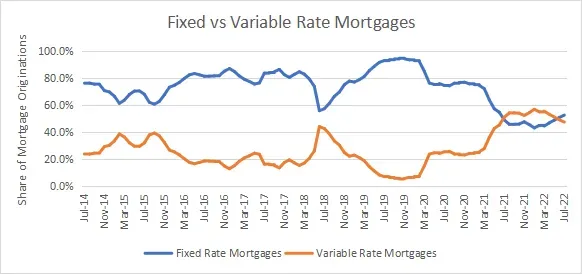
Moreover, buyer preferences are shifting, with many leaning towards fixed-rate mortgages as a strategy to combat future rate increases. The changing sentiment reflects an understanding that securing a fixed rate now could provide financial security and predictability in an unstable market.
Regional Differences in the Effects of Mortgage Rates
The impact of varying mortgage rates is not uniform across the UK; regional differences often play a significant role in shaping home-buying dynamics. Areas with higher property values tend to experience greater sensitivity to fluctuations in mortgage rates. Buyers in urban centres may react more strongly to rising rates compared to those purchasing in more affordable rural locations.
This geographical variance underscores the importance of local market insights when making home buying decisions. Understanding regional market conditions can help buyers gauge how fluctuations in mortgage rates will specifically affect their purchasing power and investment strategies.
Looking Ahead: The Future of UK Mortgage Rates
As we look towards the future, the trajectory of UK mortgage rates will remain closely tied to economic recovery and the Bank of England’s monetary policies. Experts predict that rates may stabilise or see gradual increases, particularly as inflation remains a concern. For homebuyers, this underscores the importance of being proactive and staying informed about market trends.
Adapting to potentially rising mortgage rates means being ready to seize opportunities while they exist. Buyers who engage with market forecasts and mortgage advice can craft personalised strategies that align with their financial goals, ultimately leading to more successful home buying experiences.
Frequently Asked Questions
What are the current UK mortgage rates and how do they affect home buying decisions?
As of 2023, UK mortgage rates have risen from historically low levels due to inflation and shifts in the Bank of England’s base rate. These changes significantly impact home buying decisions by increasing monthly repayments and altering affordability, leading many buyers to reassess their budgets.
How do rising UK mortgage rates influence buyer behavior in the housing market?
Rising UK mortgage rates often lead to increased caution among buyers, prompting them to wait before making purchasing decisions. Many are opting for fixed-rate mortgages to secure current rates, while others may downsize or upgrade their homes based on changing needs.
What factors affect mortgage trends in the UK?
Mortgage trends in the UK are influenced by the Bank of England’s monetary policy, inflation rates, and wider economic conditions. These factors determine the base rate, which subsequently impacts mortgage rates, affordability, and home buying decisions across the country.
What strategies can homebuyers use in response to fluctuating UK mortgage rates?
Homebuyers can navigate the rising UK mortgage rates by opting for fixed-rate mortgages to lock in current costs, obtaining mortgage pre-approval for clarity and competitiveness, and maintaining flexible budgets to accommodate potential rate changes.
How do UK mortgage rates impact the approval of loans for homebuyers?
When UK mortgage rates increase, lenders often tighten their loan approval criteria. Buyers with lower credit scores or larger debts may face difficulties in securing financing, requiring them to reassess their financial positions and home buying plans.
What is the long-term outlook for UK mortgage rates and their impact on home buying?
The future of UK mortgage rates will largely depend on economic recovery and the Bank of England’s policies. Experts anticipate potential stabilization or gradual increases in rates, which will continue to affect home buying strategies and decisions for prospective buyers.
| Key Aspect | Explanation |
|---|---|
| UK Mortgage Rates | Fluctuations in mortgage rates significantly affect the affordability and buying decisions of potential homeowners. |
| Understanding Mortgage Rates | Mortgage rates are influenced by various factors including the Bank of England’s base rate, inflation, and overall economic conditions. |
| Role of the Bank of England | The BoE’s adjustments to the base rate can lead to changes in mortgage rates, affecting borrowing costs. |
| Current Trends | As of 2023, mortgage rates are rising post-2021 lows, leading buyers to be more cautious and consider fixed rates. |
| Impact on Home Buying | Higher mortgage rates lead to affordability concerns, stringent loan approval processes, and may cause buyers to delay purchases. |
| Homebuyer Strategies | Buyers can navigate rising rates by opting for fixed-rate mortgages, getting pre-approved, and maintaining flexible budgets. |
Summary
UK mortgage rates play a vital role in shaping the decisions of homebuyers in the UK housing market. Understanding the complexities of how these rates fluctuate can empower potential homeowners to make informed decisions. With rising rates influencing affordability and buyer confidence, it’s essential for homebuyers to stay updated on current trends and strategies. Thus, an informed approach to navigating the changing landscape of UK mortgage rates can lead to favorable outcomes in homeownership.