Listen to this article
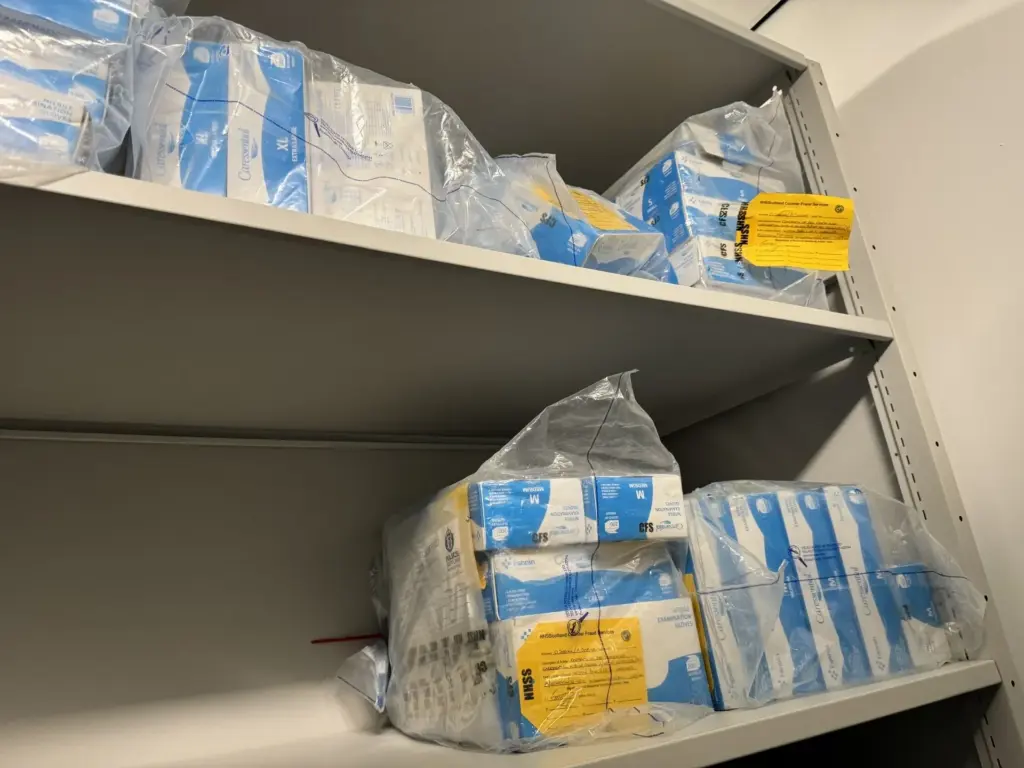
The case of stolen PPE eBay sales has emerged as a scandalous chapter within the healthcare industry, particularly highlighted by the recent actions taken against NHS doctor Dr. Attiya Sheikh. This notorious incident involved Dr. Sheikh, along with her husband, profiting from nearly £8,000 through the sale of stolen personal protective equipment amidst a critical shortage during the Covid pandemic. The Medical Practitioners Tribunal Service determined that her actions not only compromised her medical practice but also posed a significant threat to public health and safety. Struck off the medical register, Dr. Sheikh’s case serves as a stark reminder of the importance of maintaining professional standards among healthcare practitioners, especially in times of crisis. As this PPE theft scandal unfolds, it raises pressing questions about ethics and accountability within the medical profession, reinforcing the need for scrutiny from authorities, including the attorney general plea for stricter regulations.
The alarming rise of illicit sales of medical supplies during the pandemic has spotlighted a distressing issue: the unauthorized distribution of essential protective equipment by individuals within the healthcare sector. This misconduct not only undermines the trust that patients place in medical practitioners, but it also raises concerns about the integrity of healthcare professionals at large. Recent hearings, like those held by the Medical Practitioners Tribunal Service, have revealed the extent to which some have compromised ethical norms for personal gain amid a nationwide PPE crisis. The actions of those engaged in such unscrupulous behavior, often referred to as a PPE theft scandal, call for a renewed emphasis on compliance with healthcare professional standards and accountability measures. As authorities pursue justice, the industry must collectively work toward restoring public confidence and ensuring that such misconduct does not repeat in the future.
The Serious Implications of Selling Stolen PPE
The sale of stolen personal protective equipment (PPE) by a medical professional has significant ramifications not only for the individual involved but also for the integrity of the healthcare system as a whole. Dr. Attiya Sheikh’s actions during a time of crisis compromised the public trust in healthcare professionals, especially when the NHS was striving to secure vital PPE supplies for frontline workers. The Medical Practitioners Tribunal Service (MPTS) highlighted that her behavior posed a substantial risk to public confidence and safety, emphasizing the necessity of strict adherence to professional standards within the medical community.
Her case underscores the critical need for healthcare practitioners to maintain ethical conduct, particularly in times of national emergencies. The tribunal’s ruling to strike Dr. Sheikh off the medical register serves as a stark reminder that any deviation from ethical practices, such as engaging in PPE theft scandals, will not be tolerated. This decision was not only aimed at safeguarding public health but also at reinforcing the principles of accountability and professionalism expected from all healthcare professionals.
NHS Doctor Misconduct and Public Trust
Doctor misconduct, particularly within the NHS, carries grave consequences that extend beyond individual wrongdoings. The case involving Dr. Sheikh illustrates how misconduct can erode public trust in healthcare providers, critical during a public health emergency like the Covid-19 pandemic. When healthcare professionals prioritize personal gain over public safety, as seen with the sale of stolen PPE on eBay, it undermines the foundational principles of the medical profession. Patients need to believe that their doctors act in their best interests, and violations of this trust can have lasting effects.
The Medical Practitioners Tribunal Service’s decision to remove Dr. Sheikh from the medical register highlights the stringent measures taken to uphold professional standards within the NHS. Such actions reinforce the commitment of healthcare bodies to protect the public and maintain trust in the profession. As healthcare systems navigate ongoing challenges, the accountability of individuals within these systems is paramount to ensure that misconduct does not go unaddressed.
The Role of Legal and Professional Accountability
In the wake of misconduct incidents like that of Dr. Attiya Sheikh, legal and professional accountability becomes a focal point for regulatory bodies. The MPTS’s verdict, alongside scrutiny from the attorney general, underscores the legal implications surrounding healthcare professional misconduct. Dr. Sheikh’s assertion of being unaware of the stolen nature of the PPE she sold was met with skepticism, as the tribunal highlighted the necessity of personal accountability among medical practitioners regardless of external influences.
The insistence on accountability is crucial for maintaining healthcare integrity. As sectorial oversight mechanisms, such as those provided by the MPTS and legal frameworks, continue to evolve, they must rigorously address any misconduct. This includes not only penalizing offending practitioners but also implementing preventive measures that uphold the standards expected of medical professionals. The transparency of these processes reassures the public that healthcare providers are being held to the highest ethical standards.
The Medical Practitioners Tribunal Service’s Verdict
The verdict delivered by the Medical Practitioners Tribunal Service against Dr. Sheikh resonates deeply within the healthcare community. It serves as a definitive statement on the unacceptable nature of her actions, reflecting a broader commitment to uphold the standards of the medical profession. The tribunal’s conclusion that Dr. Sheikh posed a significant risk to public safety is crucial, especially during a pandemic when every action within the healthcare system directly impacts the nation’s health.
Moreover, the tribunal’s decision to permanently remove her from the medical register signifies a robust stance against unethical practices within the medical field. It sends a clear message that the profession will not tolerate misconduct, particularly behaviors that exploit vulnerable situations like those presented during the Covid-19 pandemic. Upholding the integrity of the medical practice is essential for restoring and maintaining public confidence in healthcare services.
PPE Theft Scandal and Healthcare Reforms
The PPE theft scandal involving Dr. Sheikh highlights the vulnerabilities within healthcare supply chains, particularly during crises. Such incidents prompt a reevaluation of procurement processes and ethical standards within the NHS. The sale of stolen PPE not only jeopardized healthcare workers but also amplified calls for reforms aimed at preventing similar occurrences in the future. The ramifications of Dr. Sheikh’s actions serve as a catalyst for discussions surrounding more stringent regulations and monitoring of medical supplies, ensuring that healthcare professionals adhere to ethical conduct.
Reforming healthcare procurement processes must prioritize safeguarding against malpractice while maintaining efficiency in supply distribution. This includes rigorous vetting of suppliers and better tracking of medical supplies to prevent exploitation by unscrupulous individuals. The vigilance of the NHS and regulatory bodies like the MPTS is critical in ensuring that future practices reflect accountability and ethical standards that align with the expectations placed upon healthcare professionals.
Understanding NHS Malpractice and Its Repercussions
NHS malpractice, such as that exhibited by Dr. Sheikh, emerges as a significant concern impacting the healthcare system. When a practitioner engages in unethical practices, like selling stolen PPE, it not only risks the safety of patients but also infringes upon the legal and professional guidelines set forth by regulatory authorities. The repercussions of such misconduct are profound, leading to legal action, professional sanctions, and tarnished reputations.
The Medical Practitioners Tribunal Service plays a critical role in dealing with cases of malpractice, ensuring that those who breach professional standards are held accountable. By taking action against individuals like Dr. Sheikh, they uphold the integrity of the healthcare profession, sending a clear warning to others and reinforcing the importance of adhering to ethical conduct to protect public health and safety.
Impact of the PPE Fraud on Healthcare Standards
The ramifications of PPE fraud, particularly in healthcare, have been starkly illustrated by Dr. Sheikh’s case. Such actions diminish the standards of care that patients have a right to expect from medical professionals. The difference between professional conduct and fraudulent behavior can mean the difference between life and death during health crises, underscoring the critical nature of ethical practices in the medical field.
Consequently, the healthcare community must learn from instances of PPE theft scandals to prevent future occurrences. Continuous education and robust enforcement of ethical standards are imperative for ensuring that healthcare professionals remain committed to their responsibilities. The scrutiny experienced in cases like Dr. Sheikh’s is necessary for reinforcing healthcare standards that prioritize ethical behavior, accountability, and transparency, essential elements for public trust in the healthcare system.
Legal Consequences for Healthcare Professionals
The legal consequences faced by healthcare professionals involved in misconduct can be severe, as exemplified by Dr. Sheikh’s erasure from the medical register. Such actions not only reflect personal failings but also indicate systemic issues within the healthcare regulatory framework. Legal repercussions serve to remind healthcare practitioners of the standards expected, fostering a culture of accountability that is vital for the overall integrity of the profession.
The involvement of the attorney general in cases like this further highlights the seriousness of the transgressions within the medical community. By pursuing legal action against wrongdoing, authorities reinforce the message that healthcare misconduct will be met with stringent penalties. This aspect of legal oversight helps to build a stronger foundation for ethical behaviors among medical practitioners, ensuring that the public can rely on high standards of care at all times.
Restoring Public Faith in Healthcare Providers
Restoring public faith in healthcare providers after instances of misconduct, such as Dr. Sheikh’s sale of stolen PPE on eBay, requires concerted efforts from regulatory bodies and the healthcare community at large. Public trust can be easily undermined by the actions of a few, making it essential for the NHS and other healthcare organizations to take proactive measures. Educational programs that emphasize the importance of ethical standards and integrity can help reinforce the values that underpin the medical profession.
Further, transparency in the handling of misconduct cases, coupled with visible accountability measures, can assist in rebuilding trust. The actions taken against Dr. Sheikh serve as a critical reminder that professionals must adhere to the highest standards while ensuring that the public is aware of the processes in place to protect them. By doing so, healthcare organizations can work towards mending the relationship with the public and reassuring them of their commitment to quality care.
Frequently Asked Questions
What are the implications of selling stolen PPE on eBay for healthcare professionals?
Selling stolen PPE on eBay, like in the case of Dr. Attiya Sheikh, directly violates healthcare professional standards and can lead to severe consequences, including being struck off the medical register. Such actions compromise public safety and the integrity of the healthcare profession.
How did the PPE theft scandal involving the NHS doctor unfold?
The PPE theft scandal involving Dr. Attiya Sheikh surfaced when NHS Scotland’s counter-fraud services identified stolen PPE listed for sale on eBay. Investigations revealed that Sheikh and her husband profited nearly £8,000 by selling personal protective equipment amid a nationwide shortage during the Covid pandemic.
What does the Medical Practitioners Tribunal Service do in cases of NHS doctor misconduct?
The Medical Practitioners Tribunal Service reviews cases of NHS doctor misconduct and determines appropriate penalties. In the recent PPE theft scandal, they concluded that Dr. Sheikh’s actions compromised her fitness to practice, resulting in her removal from the medical register to protect public health and uphold professional standards.
What can lead to an attorney general plea related to PPE theft in the medical field?
An attorney general plea may arise in cases of substantial misconduct, like the PPE theft scandal. If healthcare professionals are found guilty of exploiting a crisis for personal gain, the attorney general might pursue legal action to ensure accountability and maintain healthcare integrity.
Why is the issue of stolen PPE on platforms like eBay significant for public confidence in healthcare?
The sale of stolen PPE undermines public confidence in healthcare professionals. Incidents like the one involving Dr. Sheikh highlight the importance of upholding ethical standards; thus, ensuring that healthcare providers are trustworthy and committed to protecting patient safety during critical times.
What consequences do healthcare professionals face for engaging in PPE theft?
Healthcare professionals who engage in PPE theft can face severe repercussions, including loss of their medical license, legal charges, and damage to their professional reputation. The case of Dr. Sheikh serves as a critical reminder of the serious consequences of such unethical conduct.
How does the public benefit from the removal of a doctor involved in stolen PPE cases?
The removal of a doctor like Dr. Sheikh from the medical register protects patients and reinforces the integrity of the healthcare system. It sends a clear message that misconduct, especially during crises, cannot be tolerated and ensures that healthcare professionals maintain high standards.
What measures are taken to investigate stolen PPE sales on platforms like eBay?
Investigations into stolen PPE sales often involve collaboration between fraud detection teams and law enforcement. In Dr. Sheikh’s case, NHS Scotland’s counter-fraud services identified suspicious listings and uncovered a network of sales linked to her, leading to a thorough investigation that resulted in legal proceedings.
How can healthcare professionals avoid misconduct related to PPE during emergencies?
Healthcare professionals can avoid misconduct related to PPE by adhering strictly to ethical guidelines, ensuring all supplies are sourced legally, and being aware of public health protocols. Continuous training and awareness about the legal implications of their actions in emergencies are also essential.
What role does the General Medical Council play in cases of PPE theft by healthcare professionals?
The General Medical Council regulates medical professionals in the UK, and in cases of PPE theft, it ensures that those found guilty are removed from the medical register to protect public safety. This regulatory function is crucial in maintaining trust and high standards in the healthcare profession.
| Key Points |
|---|
| An NHS doctor, Dr. Attiya Sheikh, sold stolen PPE on eBay during the Covid pandemic. |
| Dr. Sheikh and her husband profited nearly £8,000 from selling masks and gloves. |
| The Medical Practitioners Tribunal Service struck Dr. Sheikh off the medical register due to compromised fitness to practice. |
| Commission of the tribunal determined that her reflections showed a lack of depth and remorse. |
| It was concluded that she posed a significant risk to public health and professional standards. |
| Dr. Sheikh claimed she was unaware of the stolen nature of the PPE, a defense dismissed by the tribunal. |
| An investigation revealed that the Sheikhs had multiple eBay accounts selling stolen PPE. |
| The stolen PPE was found in their home, leading to legal action against them. |
| Dr. Sheikh is now barred from practicing as a doctor for the foreseeable future. |
Summary
Stolen PPE on eBay has become a significant issue, as evidenced by the recent case of Dr. Attiya Sheikh, who was struck off the medical register for selling stolen personal protective equipment during the Covid pandemic. This scandal highlights the vital need for ethical practices in healthcare, especially during crises, to safeguard public health and uphold the integrity of medical professionals.