Listen to this article
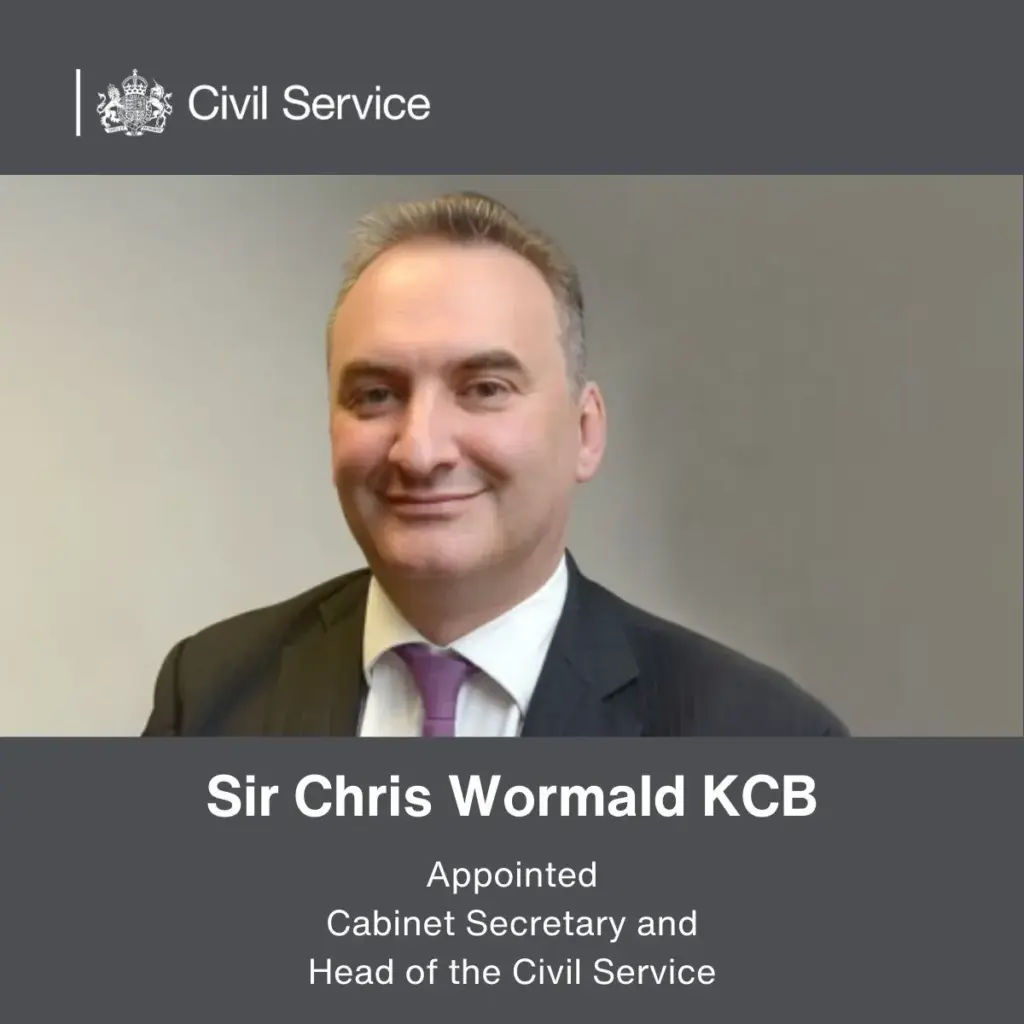
The recent removal of Chris Wormald from his position as the head of the Civil Service has sent ripples through the political landscape in the UK. Appointed by Prime Minister Keir Starmer just a year ago, Wormald’s tenure was unexpectedly short, marking him as the shortest-serving cabinet secretary in history. Despite the Cabinet Office’s statement of mutual agreement regarding his departure, many speculate that a series of critical assessments regarding his performance influenced this decision. This shift comes amidst significant civil service changes and ongoing scrutiny of the government, with the potential appointment of Catherine Little and Antonia Romeo to share his responsibilities. As the Keir Starmer administration moves forward, the implications of Wormald’s removal on the cabinet secretary news could profoundly affect the future dynamics within the Civil Service.
The recent transition in leadership roles within the British Civil Service highlights a significant shift, particularly following the exit of high-profile officials like Chris Wormald. His departure, characterized by rapid cabinet changes, underscores the challenges faced by the current government under Prime Minister Keir Starmer. With new appointments such as Catherine Little and Antonia Romeo on the horizon, the administration is poised for a reconfiguration that aims to enhance efficiency and address past criticisms. The unfolding events not only reflect internal political dynamics but also mark a critical moment for civil service reform as the government seeks to restore confidence amid ongoing scrutiny. As various factions monitor these developments closely, the question remains how these changes will reshape the future of public service in the UK.
The Impact of Chris Wormald’s Removal on Civil Service Dynamics
The abrupt removal of Sir Chris Wormald as head of the Civil Service and cabinet secretary has sent ripples through the corridors of power in Westminster. His exit, marked as the shortest tenure in this pivotal role, undoubtedly raises questions about the stability and continuity within the Civil Service. Prime Minister Keir Starmer’s decision, claimed to be made ‘by mutual agreement’, comes amidst a backdrop of dissatisfaction and critical media coverage, reflecting the challenging landscape of civil service changes under a new administration.
This moment is crucial for the Civil Service, which is adapting to new leadership dynamics. With a trio of interim leaders—Catherine Little, Antonia Romeo, and James Bowler—managing Wormald’s former responsibilities, there is an urgent need for clarity and cohesion in governance. These changes not only highlight the fragility of senior appointments but also the pervasive scrutiny leaders face, necessitating robust support systems for incoming permanent secretaries. As the government navigates this transitional phase, the implications for public trust and service efficiency cannot be understated.
Catherine Little and Antonia Romeo: Key Players in the Cabinet Office
Catherine Little’s appointment as one of the interim heads following Chris Wormald’s departure signals a shift in operational leadership within the Cabinet Office. As the permanent secretary with extensive experience, Little brings a wealth of knowledge critical for maintaining stability during this reshuffle. Her role will be instrumental in steering the department while ensuring the ongoing projects align with the broader objectives of the Keir Starmer administration, particularly as the government seeks to redefine its approach to civil service reforms.
On the other hand, Antonia Romeo stands out as a significant figure in this transition period, being a potential successor to the cabinet secretary role. As the first female head of the Civil Service, her appointment could symbolize a progressive step forward in a traditionally male-dominated field. However, concerns regarding past allegations against Romeo, as voiced by former officials, put additional pressure on the government to ensure that the selection and vetting process is thorough and transparent. This balancing act is critical in restoring trust and credibility within the Civil Service.
The Broader Implications of Leadership Changes in Civil Service
The leadership shifts within the British Civil Service not only affect internal operations but also reverberate through the broader political landscape. With Sir Chris Wormald’s removal, there is an apparent need for the Keir Starmer administration to reassess its strategy regarding senior official appointments. The Cabinet Office’s commitment to tightening vetting procedures suggests an acknowledgment of previous oversights, particularly in the wake of controversies surrounding high-profile appointments.
Moreover, the departure of multiple senior officials in a short time underscores a critical juncture for the government. As it seeks to reset its team following the Mandelson scandal, the ability to foster a stable and effective Civil Service will be pivotal in shaping public perception and restoring confidence. These leadership changes not only represent individual careers but also reflect the wider challenges and expectations from an evolving government aimed at ambitious reform.
Media Scrutiny and its Role in Government Personnel Changes
The media’s role in the removal of Sir Chris Wormald cannot be underestimated, as continuous negative reporting contributed significantly to the public perception of his capabilities as cabinet secretary. Following his appointment, a series of critical articles arose, questioning his effectiveness and suitability for leading the Civil Service through necessary reforms. This type of scrutiny often influences government decision-making, reflecting a deeper tension between the press and the political elite, particularly during times of change.
Consequently, the relationship between the Civil Service and media outlets requires a reevaluation in light of these events. Leaders must navigate these challenges with transparency and accountability, ensuring that they are not unduly affected by partisan narratives. Moving forward, the government must foster a collaborative atmosphere that allows civil servants to execute their duties without the fear of becoming scapegoats in the face of public criticism.
Contextualizing Sir Chris Wormald’s Tenure and Its Legacy
Sir Chris Wormald’s brief tenure as cabinet secretary highlights the complexities and challenges inherent in high-level civil service roles. Appointed with the ambitious goal of ‘rewiring the British state’, Wormald was expected to spearhead significant reforms. However, his rapid departure suggests that the expectations placed upon him, combined with external pressures, may have been overly ambitious, particularly given his relatively short time in office.
Moreover, the legacy of Wormald’s time can serve as a case study for future administrations aiming for transformational leadership. His experience illustrates the necessity of aligning executive expectations with realistic timelines and supportive governance structures. This reflection is essential for the ongoing evolution of the Civil Service as it adapts to the demands of modern governance while maintaining its foundational principles.
Reactions from Political Rivals: Kemi Badenoch’s Critique
Political rival Kemi Badenoch’s comments regarding Sir Chris Wormald’s removal underscore the contentious environment surrounding the leadership changes in the Civil Service. By characterizing the Prime Minister’s actions as ‘throwing him under the bus’, Badenoch is signaling her view that Wormald’s exit reflects broader issues of accountability and responsibility within the Starmer administration. Such critiques highlight the ongoing politicization of civil service decisions and the challenges faced by the government in managing perceptions.
Badenoch’s stance also reflects a growing trend where opposition leaders leverage internal government issues as a means to galvanize their own political base. This dynamic can complicate the already complex relationship between political leadership and the Civil Service, pushing officials into a reactive mode that may undermine their effectiveness. The government must not only focus on internal cohesion but also on managing external perceptions to navigate these political waters effectively.
The Future of the Civil Service After Wormald’s Exit
Looking ahead, the future of the Civil Service following Sir Chris Wormald’s exit comes with both challenges and opportunities. As new leadership is established through the interim arrangements and potential candidates for the permanent position are vetted, this is a pivotal moment for reinvigorating the Civil Service’s role in public administration. The incoming leaders will need to address both the immediate operational needs and the long-term vision that aligns with the Starmer administration’s objectives.
Additionally, the process for appointing Wormald’s successor will be crucial in setting the tone for future governance. Ensuring that this process is transparent and thorough could help restore faith in government institutions and the Civil Service. Stakeholders, including unions and advocacy groups, will undoubtedly monitor developments closely, advocating for candidates who can navigate the scrutiny and challenges that come with leading in this high-stakes environment.
The Significance of Due Diligence in Senior Appointments
The tumultuous events leading to Sir Chris Wormald’s removal highlight the critical importance of due diligence in the senior appointment process within the Civil Service. The scrutiny faced by incoming candidates, such as Dame Antonia Romeo, reinforces the necessity for thorough background checks and investigations to ensure that all potential issues are addressed. This commitment to due diligence not only protects the integrity of the Civil Service but also helps alleviate public concerns regarding accountability and governance.
In response to recent criticisms, the government must commit to refining its approach to vetting prospective leaders. This involves not just evaluating professional qualifications but also understanding the potential political and public perception challenges that may arise. By implementing robust procedures, the Civil Service can enhance its credibility and restore public trust in its operations, moving forward from the recent controversies affecting leadership choices.
Navigating the Challenges of Public Service Reform
The challenges of public service reform are at the forefront of the discussions following Chris Wormald’s ousting from the cabinet secretary role. As the UK faces ongoing societal and economic changes, the government’s ability to effectively implement and navigate reforms will be critical for its success. The new interim leadership team’s role will be instrumental in addressing these challenges, ensuring that the Civil Service can adapt to meet evolving needs while maintaining essential public trust.
Future reform efforts will also need to balance the expectations of the public with the realities of administrative capacity and capability. As stakeholders and political figures continue to scrutinize government actions, the leaders of the Civil Service must engage transparently with both their teams and the public, fostering an environment where reform initiatives can thrive despite the political pressures that often accompany such significant changes.
Frequently Asked Questions
What does the removal of Chris Wormald from the Civil Service signify for the Keir Starmer administration?
The removal of Chris Wormald from the head of the Civil Service indicates a significant shift within the Keir Starmer administration, reflecting ongoing concerns over performance and leadership. This change comes amidst mounting pressure to address criticisms surrounding the cabinet secretary’s role and the effectiveness of civil service operations.
Who will take over the duties of Chris Wormald following his removal?
Following Chris Wormald’s removal, his duties will be shared among three permanent secretaries: Catherine Little at the Cabinet Office, Dame Antonia Romeo at the Home Office, and James Bowler at the Treasury, until a new cabinet secretary is appointed.
Why was Chris Wormald’s appointment as head of the Civil Service brief and controversial?
Chris Wormald’s appointment as cabinet secretary was brief and controversial due to ongoing media scrutiny and dissatisfaction within Downing Street regarding his performance. His tenure lasted just under a year, making him the shortest-serving cabinet secretary in history, amid questions about his capability to reform the Civil Service.
What has been the reaction to Chris Wormald’s removal among civil servants?
The reaction to Chris Wormald’s removal among civil servants has been mixed, with leaders like Dave Penman of the FDA Union describing the treatment of Wormald as a new low for the government’s relationship with the Civil Service, following weeks of speculation and anonymous briefings that undermined his authority.
Who is expected to be appointed as the successor to Chris Wormald, and what is significant about this potential appointment?
Dame Antonia Romeo is the preferred successor to Chris Wormald. If appointed, she would make history as the first female head of the Civil Service, marking a pivotal moment for gender representation in top civil service positions and indicating a shift in the political landscape under the Starmer administration.
How has Chris Wormald responded to his removal as cabinet secretary?
Chris Wormald responded to his removal with gratitude, stating it was an honor to serve in the role for almost a year and to lead the Civil Service, thanking his colleagues and expressing his continued commitment to public service.
What implications does the removal of Chris Wormald have on the reform plans for the British state under the Keir Starmer administration?
The removal of Chris Wormald raises questions about the future of the reform plans for the British state under the Keir Starmer administration. His exit suggests potential delays or shifts in the government’s strategy for civil service reform, particularly as the administration seeks to reset following recent scandals.
What prompted the call for a thorough vetting process for the new cabinet secretary following Chris Wormald’s removal?
The call for a thorough vetting process for the new cabinet secretary follows concerns raised by the appointments of figures like Lord Mandelson, and the controversies surrounding due diligence checks overseen by Chris Wormald, indicating a push for heightened scrutiny in high-level appointments.
Why did Prime Minister Keir Starmer express gratitude towards Chris Wormald after his removal?
Prime Minister Keir Starmer expressed gratitude towards Chris Wormald after his removal to acknowledge his long career in public service and the support he provided during his short tenure, highlighting the often complex nature of leadership transitions within government.
What were the criticisms surrounding Chris Wormald’s role as head of the Civil Service?
Critics raised concerns about Chris Wormald’s ability to lead and reform the Civil Service due to his background as a career civil servant, along with speculation and negative media reports regarding his performance, which ultimately led to his swift removal from the position.
| Key Points |
|---|
| Sir Chris Wormald has been removed from his position as the head of the Civil Service and cabinet secretary. He was appointed by Prime Minister Sir Keir Starmer in December 2024, making his tenure notably short. |
| The decision for his removal was described by the Cabinet Office as made ‘by mutual agreement’; however, it follows several negative media reports regarding his performance. |
| Until a replacement is appointed, his duties will be handled by colleagues including Catherine Little, Dame Antonia Romeo, and James Bowler. |
| Sir Chris Wormald marks a historic point as the shortest-serving cabinet secretary ever, having been tasked to undertake a significant reform of the British state. |
| His role in the government came under scrutiny amid speculation and criticism regarding his qualifications and the handling of key appointments like Lord Mandelson. |
| The potential successor, Dame Antonia Romeo, could become the first female head of the Civil Service, although concerns about her prior handling of allegations have emerged. |
| The Prime Minister has pledged to improve the vetting process for new appointments, especially in light of recent controversies. |
Summary
Chris Wormald’s removal as the head of the Civil Service marks a significant shift in the UK government, reflecting the ongoing turbulence within Prime Minister Sir Keir Starmer’s administration. While Wormald’s short tenure highlights challenges in government performance and media scrutiny, it also opens the door to potential reform as the Prime Minister seeks to establish a more qualified leadership team moving forward. The implications of Wormald’s departure and the appointment of a new cabinet secretary will be closely monitored as they could dictate future governance reforms.