Listen to this article
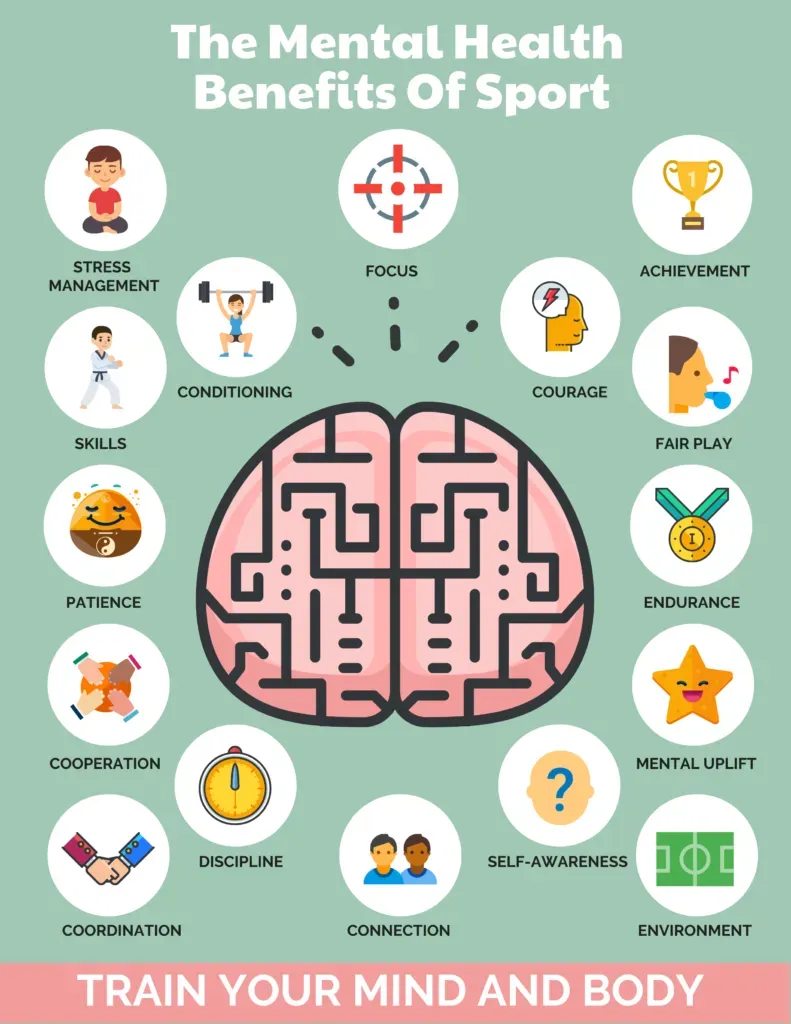
Sport and mental health are interlinked in profound ways, as engaging in athletics can lift our spirits and foster emotional resilience. Research highlights the mental health benefits of sports, showing that regular physical activity leads to improved mood and reduced anxiety levels. Exercise and mood are undeniably connected, with team activities and personal fitness regimes giving rise to increased endorphin levels—our body’s natural mood enhancers. Orthopedic experts and psychologists alike underscore the importance of sports in promoting emotional wellness, revealing that engaging in athletics not only aids physical fitness but also provides a necessary outlet for stress relief. By integrating physical activity into our lives, we tap into a powerful strategy for positivity through sports, paving the way for enhanced mental well-being.
The relationship between physical activity and emotional health is critical to understanding how sports impact our lives. Engaging in fitness not only improves your body but also significantly enhances psychological wellness. Regular participation in activities such as running or team sports can lead to greater emotional stability and reduced stress levels. The social aspects of physical challenges, combined with the discipline of training, create a supportive environment that fosters overall happiness and wellbeing. Essentially, incorporating exercise into your daily routine can act as a natural remedy for mental distress, making it an integral part of a holistic health approach.
The Mental Health Benefits of Sports Participation
Sports participation has been linked to a variety of mental health benefits, primarily due to the physiological and psychological impact of regular physical activity. Engaging in sports is not just about physical fitness; it also encourages emotional wellness. When individuals participate in athletic activities, they experience biochemical changes such as the release of endorphins, which enhance mood and combat feelings of depression. This natural mood elevation can serve as an effective strategy in managing mental health challenges.
Moreover, many athletes report feeling a sense of accomplishment and purpose when they engage in sports. These feelings can boost self-esteem and confidence, which are crucial for those struggling with mental health issues. By establishing and achieving personal goals in sports, individuals often experience reduced anxiety and a greater sense of control over their lives.
Exercise and Mood: The Direct Link
The connection between exercise and mood is well-documented in psychological research. Physical activity, including sports, triggers the release of neurotransmitters, such as serotonin and dopaminergic, which have a proven effect on improving mood. As individuals engage in athletics, whether through team sports or solo activities like running, they often find that their negative thoughts diminish, and they are filled with a sense of well-being.
Furthermore, consistency in physical activity is essential for reaping mood-enhancing benefits. Those who integrate exercise into their daily routine can experience long-lasting shifts in their mental state. Over time, regular sports participation not only fosters a healthier body but also cultivates a more positive and resilient mind, making it a vital component of mental health maintenance.
Social Connections through Team Sports
Participation in team sports is not just about competition; it’s a vital avenue for social interaction and building supportive relationships. The bonds formed during athletic practices and games play an important role in enhancing an individual’s emotional wellness. Team members often become friends, providing a robust support network that can help mitigate feelings of isolation and loneliness.
These social connections are particularly beneficial during difficult times. Engaging with others through a shared interest in sports fosters a sense of belonging and community. This camaraderie and mutual encouragement can lead to significant improvements in one’s mental health, reducing symptoms of anxiety and promoting overall happiness.
Stress Relief through Athletic Engagement
One of the primary psychological benefits of engaging in sports is its effectiveness as a stress relief tool. Athletic activities can serve as a refuge from the pressures of daily life, providing a necessary break from stressors. The focus required to participate in sports helps distract the mind from worries, leading to a calmer mental state.
Additionally, the physical exertion involved in sports facilitates the elimination of stress hormones such as cortisol. As these levels decrease, feelings of relaxation and peace emerge, contributing further to better mental health. Athletes often report feeling refreshed and rejuvenated after practice or games, showcasing the profound effects of physical activity on stress management.
Enhancing Sleep Patterns with Exercise
A lesser-known benefit of regular sports participation is its ability to enhance sleep quality. Exercise, particularly when done consistently, has been shown to contribute to not only longer but also deeper and more restful sleep. Better sleep is critical for those struggling with mental health issues, as it can alleviate symptoms of anxiety and depression.
The tiredness brought about by physical activity helps individuals fall asleep faster and improves overall sleep patterns. This boost in sleep quality can lead to improved mood and cognitive functioning, reinforcing the connection between physical activity and mental health.
Building Confidence through Sports Achievements
Engaging in sports boosts physical fitness, which is intricately connected to self-esteem. As individuals witness their capabilities improve, whether through enhanced strength or endurance, they often develop a more positive self-image. This confidence translates into various life aspects, including social interactions and professional endeavors.
By setting and achieving specific athletic goals, participants cultivate a sense of pride and accomplishment. Experiencing these successes in sports can act as a buffer against the challenges and disappointments of everyday life, making individuals feel more equipped to handle stressors and setbacks.
Creating Routine and Structure with Sports
For individuals dealing with mental health challenges, establishing a routine can be instrumental in recovery. Engaging in sports provides structure and discipline, two elements that can improve daily living. Regular practices and games create a schedule that encourages commitment and motivation.
This structured approach can provide emotional stability and a sense of normalcy, which is particularly beneficial during turbulent times. By establishing a routine centered around physical activity, individuals can focus their energy on continuous improvement and personal growth.
Starting Your Sports Journey for Mental Health
Beginning to engage in sports can seem daunting, but the journey to better mental health through athletics can be rewarding. Choosing an activity that brings genuine joy is crucial; enjoyment fosters consistency and makes it more likely that individuals will stick with their chosen sport.
Starting small is also important for newcomers to physical activity. By gradually increasing intensity and duration, individuals can prevent burnout and celebrate milestones along the way. With a careful and enjoyable approach to sports, anyone can enhance their mental well-being through consistent participation.
Finding Community and Support in Sports
Joining sports teams or group exercise classes offers a unique opportunity for individuals to find supportive communities. These environments not only promote physical fitness but also enrich mental health through collective motivation and shared experiences. Regardless of skill level, social interaction within sports settings can foster friendships that are beneficial for emotional health.
Communities built through sports can stimulate a sense of belonging that is vital for mental wellness. The social fabric that forms in these settings provides encouragement and accountability, helping individuals stay committed to their health and wellness journey.
Frequently Asked Questions
What are the mental health benefits of sports?
Engaging in sports offers numerous mental health benefits, including improved mood, reduced anxiety levels, and enhanced overall emotional wellness. This is largely due to endorphin release during physical activity, which acts as a natural mood elevator.
How does exercise improve mood and mental health?
Exercise improves mood and mental health by promoting the release of endorphins, reducing stress levels, and encouraging social interactions. Regular physical activity helps combat symptoms of anxiety and depression while boosting self-esteem.
Can participating in sports boost mental health in children?
Yes, participating in sports can significantly boost mental health in children by promoting social skills, discipline, and resilience. It provides a structured environment that fosters emotional wellness and helps children develop coping strategies.
What is the relationship between physical activity and mental health?
The relationship between physical activity and mental health is strong; regular exercise helps reduce symptoms of mental health disorders by releasing endorphins and improving sleep quality, which contributes to better emotional regulation.
How does team sports influence emotional wellness?
Team sports foster emotional wellness by creating social bonds and a sense of community among participants. This social support helps alleviate feelings of loneliness and contributes to higher self-esteem and confidence.
What role does routine play in mental health and sports participation?
Having a routine through sports participation can enhance mental health by providing structure and stability. It encourages individuals to set goals, promote accountability, and can make personal challenges feel more manageable.
How can athletics act as a natural remedy for mental distress?
Athletics act as a natural remedy for mental distress by facilitating endorphin release, improving sleep quality, and reducing stress levels, all of which contribute to a more positive mental state.
What activities can help improve mood and mental health through sports?
Activities such as running, swimming, cycling, and team sports can all improve mood and mental health. Choosing a sport that you enjoy is crucial for enhancing engagement and reaping its psychological benefits.
How does physical fitness improve self-esteem and mental health?
Physical fitness improves self-esteem by enabling individuals to achieve personal fitness goals and fosters a positive body image. This increase in self-worth can act as a buffer against anxiety and depression.
What tips can help someone start engaging in sports for mental health benefits?
To start engaging in sports for mental health benefits: choose an activity you enjoy, start slowly to avoid burnout, and seek supportive communities or teams that encourage motivation and accountability.
| Key Point | Description |
|---|---|
| Endorphin Release | Physical activity triggers endorphin production, promoting happiness and alleviating depression and anxiety. |
| Social Interaction | Participating in sports fosters community and connections, enhancing feelings of belonging and reducing feelings of isolation. |
| Confidence Booster | Improved fitness and body image through sports can boost self-esteem and provide resilience against mental challenges. |
| Stress Relief | Exercise helps decrease stress hormones and provides a mental break from daily worries. |
| Improved Sleep Patterns | Regular sports participation leads to better sleep, which is crucial for maintaining mental health. |
| Routine and Structure | Engaging in sports creates a structured schedule, providing stability and focus for personal growth. |
Summary
Sports and mental health are closely intertwined, with physical activity providing numerous benefits to emotional well-being. Engaging in sports not only releases endorphins that enhance mood but also fosters social connections that help combat loneliness. The confidence gained from improved fitness and the structure provided by a regular sports routine contribute significantly to psychological resilience. Therefore, participating in athletics can be a powerful strategy for improving mental health and overall life satisfaction.