Listen to this article
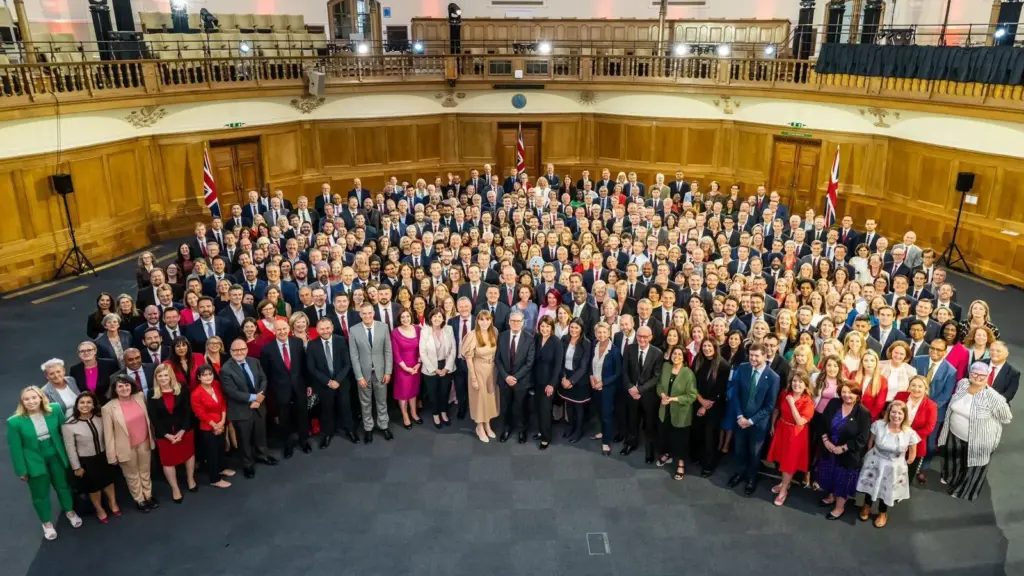
Female Labour parliamentarians are making a powerful call for change within the Labour Party UK, urging Prime Minister Sir Keir Starmer to appoint a woman to the pivotal position of First Secretary of State. During a recent meeting, these female MPs emphasized the need for greater representation of women in politics and challenged the longstanding norms of a male-dominated government environment. Their push coincides with growing concerns about misogyny in government, making it a crucial time for the Labour Party to address these issues head-on. With Sir Keir’s commitment to tackle misogyny and cultural transformation in his administration, the voices of female Labour parliamentarians are more important than ever. As discussions around women leadership roles gain momentum, the outcome of this initiative could reshape the future of female representation in political power.
Within the realm of UK politics, women in leadership positions are increasingly advocating for change, with prominent women from the Labour Party calling for a shift in how power is structured. These female parliamentarians are emphasizing the need for gender parity in high-ranking roles, particularly following Sir Keir Starmer’s recent engagements with them. Their demands come at a time when issues of misogyny in government are coming under scrutiny, revealing an urgent need for reforms within the Labour Party UK. As these discussions unfold, the spotlight is on the capacity of women in politics to influence decision-making processes and promote a more inclusive government. The movement towards appointing capable women into leadership roles symbolizes a crucial step forward in combating entrenched gender biases within governmental frameworks.
The Urgent Call for Women Leadership Roles in Government
Senior female Labour parliamentarians are taking a bold stand by urging Prime Minister Sir Keir Starmer to prioritize women’s leadership roles within the government. During a high-stakes meeting in Parliament, prominent MPs highlighted the critical need for inclusivity, particularly in powerful positions like the Secretary of State, which is currently vacant. The push for female representation is not just a matter of gender equity; it’s also about harnessing diverse perspectives that can lead to more effective governance. Women in politics, as noted by Labour MP Natalie Fleet, are essential in shaping legislation that genuinely addresses the needs of the entire population.
The emphasis on appointing a woman to the First Secretary of State role echoes the historical struggle for women’s rights within British politics. With past occupants of this significant role shaping policies and setting examples, a woman in this position could serve as a powerful reminder of the progress women have made in political spheres while also addressing the challenges tied to misogyny in government. As Sir Keir Starmer considers these suggestions, it becomes evident that cultivating female leadership roles is crucial for the Labour Party UK to align with the expectations and demands of a modern electorate.
Labour MPs express that the appointment of women in leadership roles should not just be a symbolic act but a commitment to tackling broader cultural issues, including misogyny in government. For instance, MP Rachael Maskell has been vocal about the implications of underrepresentation and the importance of women holding senior positions. She argues that a diverse leadership team is critical to understand and tackle issues that disproportionately affect women, such as domestic violence and sexual assault. The call for a female First Secretary of State highlights an opportunity for the Labour Party to break from traditional norms and demonstrate that women’s voices are not just heard but are pivotal in shaping the future direction of the government.
Sir Keir Starmer’s Commitment to Cultural Change
In a move that signifies his openness to reform, Prime Minister Sir Keir Starmer has indicated his commitment to fostering a culture of inclusivity within his administration. Following the criticisms issued by female Labour parliamentarians regarding the ‘boys’ club’ mentality in government, Starmer attended a meeting with the Women’s Parliamentary Labour Party (PLP) showcasing his willingness to engage directly with concerns around women’s roles in politics. Reports indicate that he expressed eagerness to not only welcome women’s input but to prioritize the fight against misogyny as an integral aspect of his government’s agenda. This shift represents a significant moment for women leaders, signaling that their voices are valued and must influence the upper echelons of decision-making in the Labour Party UK.
Starmer’s promise to address cultural change goes beyond rhetoric; it aims to reshape how government operates fundamentally. The Prime Minister’s acknowledgment of the need to eradicate the existing ‘boys’ club’ mentality is a recognition that without significant systemic changes, the underlying issues of sexism and discrimination may persist. As female parliamentarians continue to hold him accountable, they foster a dynamic where the Prime Minister’s decisions must reflect a commitment to gender equality and a genuine responsiveness to the experiences of women in politics.
Moreover, this commitment to cultural change should manifest in practical actions, such as the appointment of female leaders to significant positions within the government. By endorsing the appointment of women like Harriet Harman to the First Secretary of State role, Starmer would not only advocate for equal representation but also set a precedent for future administrations. The discussions held in Parliament earlier this week reinforced the necessity of taking tangible steps towards gender parity at the highest levels of government. Moving forward, an administration that reflects the diversity of the electorate would enhance public trust and engagement with the political process.
Tackling Misogyny in Political Spaces
The ongoing struggle against misogyny sits at the forefront of discussions among female Labour MPs, reflecting the urgent need for action in political spaces. Recent allegations against Sir Keir Starmer highlight the persistent issues that women face within the political arena, as he navigates criticisms around his government’s handling of appointments and relationships with controversial figures. Female MPs such as Natalie Fleet have emphasized the importance of addressing the historical silencing of women’s voices in politics, especially regarding issues of sexual violence and harassment. By confronting misogyny head-on, Starmer’s government has a chance to not only transform its internal culture but also to gain public trust by demonstrating accountability and responsiveness to women’s needs.
Addressing misogyny in government requires a multi-faceted approach, ranging from policy changes to cultural shifts within the Labour Party UK. Starmer’s interactions with the Women’s PLP are a step in the right direction, indicating a willingness to listen and learn from female parliamentarians regarding their experiences and challenges. Discussions about the need for a dialogue on safety, representation, and respect for women signal a crucial turning point in recognizing misogyny’s impact on the political landscape, challenging the archaic structures that allow discrimination to thrive.
Furthermore, the Prime Minister’s engagement with female MPs offers an opportunity to unify efforts against misogyny. Collective advocacy from women leaders can influence not just policies within Labour but set benchmarks for other parties as well. The call for meaningful change resonates across the aisle, urging all political entities to reevaluate their stances on gender issues. Ensuring that women’s voices are integrated into political discourse is essential for fostering an environment where all constituents feel represented and valued. If misappropriated engagements with individuals like Lord Mandelson result in the prioritization of women leadership roles and anti-misogyny initiatives, it indicates a growing awareness that must permeate all levels of governance.
The Role of Female MPs in Shaping Government Policy
The influence of female Labour parliamentarians cannot be overstated when it comes to shaping effective government policies that cater to the needs of women and marginalized communities. Their voices are crucial in steering discussions around key issues such as health care access, education reform, and social justice initiatives. With recent moves towards appointing women to powerful roles, Labour MPs are advocating for policies that not only reflect the electorate’s interests but also address inequality directly. These parliamentarians serve as a bridge between constituents and the government, amplifying the concerns of those who may feel unheard, particularly regarding critical issues like violence against women.
By actively participating in policy formulation and advocating for women’s interests, female MPs play a significant role in dismantling systemic barriers that have historically marginalized women’s contributions in governance. The push for women in leadership roles is a reflection of a broader demand for diversity and inclusivity in policy-making processes. As Labour parliamentarians continue to hold Sir Keir Starmer accountable for promises surrounding female representation, they exemplify the importance of female voices in driving societal change within the UK.
Moreover, the active engagement of female MPs with constituents can lead to more tailored and impactful policies. By listening to the lived experiences of women, these parliamentarians can craft laws and initiatives that address the specific challenges they face, whether in the workplace or in their personal lives. This connection between grassroots realities and policymaking underscores the necessity of continued advocacy for women’s visibility and empowerment in the Labour Party UK. If Sir Keir Starmer intends to fulfill his commitment to cultural change, support for women in politics must be prioritized, ensuring that women lawmakers have an influential role not only in dialogues about gender equity but also in the overall direction of government policy.
The Future of Women in the Labour Party UK
As discussions around appointing women to significant roles progress, the future of female representation in the Labour Party UK looks promising yet requires sustained engagement from all stakeholders involved. The notion of women holding power within government is increasingly seen as non-negotiable, not just for the Labour Party but for the political landscape as a whole. The inclusivity that female Labour parliamentarians are fighting for is crucial to ensure that future generations of women feel empowered to pursue leadership roles. Initiatives aimed at encouraging young women to enter politics will benefit from a party environment that openly values and supports female leaders.
Engagement from established leaders like Sir Keir Starmer, who recognizes the need for both symbolism and substantive action, is essential in fostering an inclusive party culture. The representation of women in the Labour Party could catalyze broader cultural shifts across other political entities, encouraging a national dialogue on gender equity that resonates beyond party lines. As the Labour Party UK navigates through internal changes and societal expectations, its commitment to women leadership roles will be critical in redefining its image and effectiveness in addressing the needs of all constituents.
The challenges that female MPs currently face within the Labour Party highlight the ongoing battle against sexism and discrimination in politics. However, with a supportive leadership actively promoting the elevation of women to high-ranking positions, the Labour Party can illustrate its commitment not only to its members but also to the electorate. Elevating women to leadership equates to a more comprehensive representation of societal needs and enhances the overall credibility of the party. Moving forward, it is imperative that the Labour Party invests in the development and support of its female parliamentarians to prepare them for leadership roles that match their capabilities and aspirations.
Frequently Asked Questions
What efforts are female Labour parliamentarians making to address misogyny in government?
Female Labour parliamentarians are urging Prime Minister Sir Keir Starmer to prioritize the appointment of women in leadership roles, specifically advocating for a woman to fill the First Secretary of State position. This push is part of their broader mission to combat misogyny in government and improve women’s representation in politics.
How are women in leadership roles being supported within the Labour Party UK?
The Labour Party UK is increasingly supporting women in leadership roles, highlighted by recent meetings of female Labour MPs and peers who are advocating for more female appointments in top government positions. This includes calls for the Prime Minister to name a woman as the next First Secretary of State, reinforcing the commitment to gender equality in politics.
What has Sir Keir Starmer said about the representation of women in his government?
During a recent meeting with the Women’s Parliamentary Labour Party, Sir Keir Starmer expressed his commitment to working with female Labour parliamentarians to combat misogyny and promote a culture change within the government. He acknowledged the importance of eradicating the ‘boys’ club’ mentality that has been criticized in his administration.
Who is Harriet Harman and what role is she playing in promoting female Labour parliamentarians?
Harriet Harman, a former Labour deputy leader, has been instrumental in advocating for the appointment of women in high-ranking positions within the Labour Party. During a recent meeting, she suggested that the Prime Minister appoint a female First Secretary of State, emphasizing the need for increased female representation and leadership within government.
What challenges do female Labour parliamentarians face in the current political climate?
Female Labour parliamentarians are facing challenges related to misogyny and representation in government. The recent criticism towards Prime Minister Sir Keir Starmer, especially accusations of running a ‘boys’ club’, highlights the ongoing issues of gender inequality in politics and the need for significant cultural change within the Labour Party and government.
How have recent controversies affected Sir Keir Starmer’s approach to female Labour MPs?
Recent controversies surrounding Sir Keir Starmer’s appointments have prompted him to take a more responsive and inclusive approach towards female Labour MPs. He has indicated a willingness to prioritize women’s issues and has been described as being in ‘listening mode’ during meetings, acknowledging the need for improved representation of women in leadership roles.
What historical significance does the role of First Secretary of State hold for women in politics?
The First Secretary of State, a position historically comparable to Deputy Prime Minister, has significance for women in politics, as Barbara Castle was the first woman to hold the role in the 1960s. The ongoing discussions about appointing a woman to this position today reflect a continued push for gender equality and female representation within the UK’s political hierarchy.
What actions are expected from Sir Keir Starmer in support of female Labour parliamentarians?
Female Labour parliamentarians expect Sir Keir Starmer to take decisive action in support of their proposals for appointing women to key government roles, particularly the First Secretary of State. Additionally, his commitment to addressing misogyny and meeting with victims of sexual violence will be closely watched as indicators of his support for women’s issues.
| Key Point | Details |
|---|---|
| Appointment of a Female Secretary of State | Senior female Labour parliamentarians request the Prime Minister to appoint a woman to this critical government role. |
| Meeting Summary | The meeting was characterized as positive, with Prime Minister Sir Keir Starmer committing to addressing issues such as misogyny and the ‘boys’ club’ culture. |
| Calls for Cultural Change | The Prime Minister reflected a desire to eradicate the current governmental mentality and foster a more inclusive environment. |
| Past Criticism and Apologies | Sir Keir faced criticism over appointments related to peers with inappropriate pasts and reiterated his apologies during the meeting. |
| Commitment to Victims | The Prime Minister promised to engage with victims of sexual violence, emphasizing the need for change. |
Summary
Female Labour parliamentarians are at the forefront of urging necessary change within the government. Their call for the appointment of a woman to the role of First Secretary of State highlights a crucial need for representation and leadership in combating systemic misogyny. This initiative reflects a broader commitment to fostering an environment where women’s voices lead critical discussions and decisions, ensuring that women’s interests are prioritized in policymaking. Through constructive dialogue with Prime Minister Sir Keir Starmer, these parliamentarians aim to hold leadership accountable, striving for significant cultural shifts that dismantle the lingering “boys’ club” mentality in government.