
Listen to this article
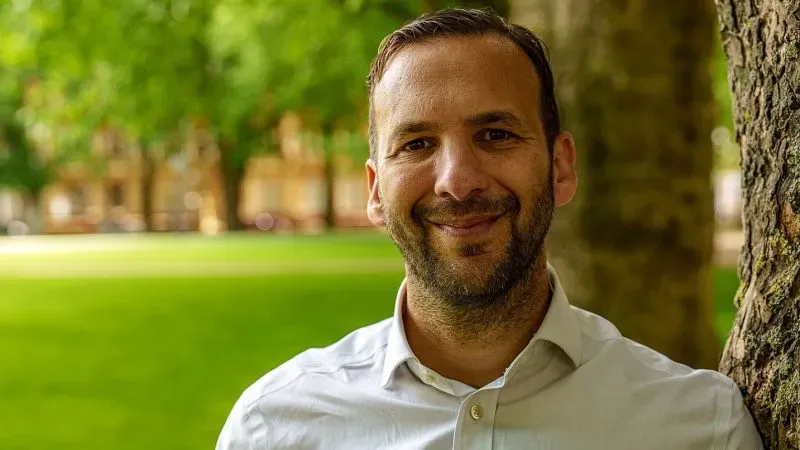
Zack Polanski, a prominent member of the Green Party and the London Assembly, has emerged as a key voice addressing critical issues within the capital. In a recent interview, he outlined the pressing challenges facing London, linking them to the shortcomings of the current Labour government under Sadiq Khan. Polanski has been an influential figure since his election in May 2021, advocating for policies that tackle both the climate crisis and social inequality prevalent in the city. He passionately argues that it is impossible to resolve London’s difficulties without acknowledging national policies that impact local experiences, such as rising rents and food prices. As a member of the London Assembly, his commitment to scrutinizing the Mayor during sessions has positioned him as a significant player in shaping London Assembly news and Green Party policies for the future.
In the heart of London politics, Zack Polanski has become an integral part of the discourse surrounding city governance and environmental action. His role within the London Assembly allows him to voice concerns about local governing challenges while criticizing the broader implications of the Labour government. Polanski’s foresight in recognizing the ties between national decisions and London’s socio-economic landscape reveals his dedication to enhancing the city’s future. As he champions the Green Party’s initiatives, his strategic interactions with Sadiq Khan during assembly meetings highlight the ongoing tension between local aspirations and national leadership. With the political landscape continuously evolving, Polanski’s insights may shape the upcoming discussions on effective governance and climate action in the capital.
Zack Polanski and the Green Party’s Vision for London
In an exclusive interview, Zack Polanski, the leader of the Green Party and a key member of the London Assembly, elaborated on his vision for a greener and more equitable London. He pointedly critiques the performance of the national Labour government under Sadiq Khan, emphasizing that the existing policies have yet to address the critical issues plaguing the capital. Polanski argues that without acknowledging the failures of the national government, significant progress on London-specific challenges, such as housing affordability and environmental initiatives, is unlikely. His perspective underscores a commitment to ensuring London’s needs are prioritized, particularly as it grapples with substantial inequalities and a rising cost of living.
Moreover, Polanski’s role within the London Assembly positions him uniquely to influence discussions on vital issues. His dedication to pursuing effective GP policies reveals a proactive approach to tackling climate change and social justice. As he navigates the intricacies of City Hall, Polanski actively engages in dialogue with other political leaders, pushing for legislation that reflects the demands of Londoners, which have been neglected by the Labour government. In this critical time of political transition, his leadership could serve as a catalyst for transformative policies that address both environmental concerns and social inequalities.
The emergence of the Green Party as a serious contender in London politics is largely due to its clear stance on pressing issues, championed by figures like Polanski. The Green Party’s commitment to sustainability resonates with a growing base of voters who are increasingly concerned about climate change and social equity. During the upcoming election cycle, Polanski will leverage this momentum, advocating for comprehensive solutions that intertwine environmental stewardship with social welfare. For instance, his proposals to retrofit homes and improve workers’ rights reflect an inclusive policy agenda geared towards revitalizing the city’s economy while preserving its environment.
The Impact of Labour Government Policies on London
Zack Polanski’s critique of the current Labour government highlights a disconnect between promises made during electoral campaigns and the realities faced by London residents. Under Sadiq Khan’s leadership, the expected benefits of a Labour government have yet to materialize, with growing concerns surrounding affordability and access to essential services. Polanski notes that issues such as skyrocketing rents and food costs are exacerbated by national policies that fail to address the economic disparities experienced in London. His analysis presents a compelling argument that to adequately represent London’s diverse population, legislative changes must reflect a deeper understanding of local realities versus national narratives.
Furthermore, Polanski’s remarks during interviews emphasize the critical link between local governance and national policy failures. For example, he articulates how the outreach efforts of the Green Party are vital in bridging this gap. By holding the Mayor accountable during session discussions in the London Assembly, Polanski ensures that the voices of those struggling against the backdrop of Labour’s ineffective governance are heard. Consequently, addressing these systemic issues requires not just awareness but actionable reforms that can truly benefit London’s communities.
As the political landscape evolves, Polanski’s insights challenge Labour to reassess its strategies and commitments to London. The criticisms levied by Polanski against the Labour government resonate with many citizens who feel that their concerns are overlooked in favour of broader party agendas. By advocating for transparent dialogue and stronger local representation, the Green Party aspires to position itself as a viable alternative, particularly as Londoners seek a political solution that genuinely understands and reflects their needs. With Polanski at the helm, the Green Party is poised to capitalize on Labour’s declining support, offering pragmatic solutions to the challenges facing London—a promising shift towards a more sustainable future.
Zack Polanski’s Commitment to Climate Action
Zack Polanski, as a leader of the Green Party and a member of the London Assembly, places a strong emphasis on addressing the climate crisis through actionable policies. His commitment to retrofitting homes, improving energy efficiency, and reducing emissions reflects a broader vision that aligns with global sustainability goals. In his discussions, he often points out that tackling climate issues is intricately linked with social justice, as many of those who are adversely affected by environmental degradation are simultaneously the most economically disadvantaged. Polanski argues that a sustainable future for London must include considerations of environmental equity, prioritizing those communities that have historically borne the brunt of pollution and climate-related impacts.
In light of this commitment, Polanski expresses concern that Labour’s policies have not adequately prioritized climate action or effectively addressed the interwoven challenges of poverty and environmental degradation. He frequently calls for more ambitious targets and commitments from the Mayor’s office to ensure that London not only meets but exceeds national sustainability standards. His advocacy for greener policies and eco-friendly initiatives, including improved public transportation and sustainable urban development, underscores the Green Party’s vision of fostering an inclusive approach to combat climate change.
Polanski’s role in the London Assembly enables him to advocate for comprehensive climate policies that reflect the urgent needs of London. His involvement in various committees positions him as a powerful voice for change, where he continuously pushes for legislative action that promotes sustainability. As the city prepares for the upcoming elections, his emphasis on eco-conscious governance could play a crucial role in shifting public opinion and garnering support for holistic environmental policies. With increasing public awareness of climate-related issues, Polanski’s leadership could be instrumental in fostering a more resilient and equitable London, one that champions both its environment and its citizens.
Reflections on the Upcoming London Mayoral Election
Looking towards the 2028 London mayoral election, Zack Polanski is optimistic about the Green Party’s prospects, particularly in light of Labour’s recent decline in popularity. He believes that the public’s disenchantment with the current administration provides a unique opportunity for the Green Party to gain traction and influence. With a focus on practical issues such as fare freezes for Transport for London (TfL) and police diversity reforms, Polanski aims to present the Green Party as a credible alternative that genuinely listens to and acts upon the concerns of Londoners. Such initiatives may appeal to a broad voter base craving change and progressive leadership.
Polanski’s approach to the upcoming election signifies a strategic pivot that underscores the Green Party’s commitment to not only environmental issues but also social justice and public safety. By embedding these key themes within their campaign, Polanski and the Green Party are set to challenge the status quo, drawing attention to crucial areas of reform that matter to voters. As he prepares for the electoral race, Polanski’s team is likely to emphasize positive community engagement and tangible policy proposals, aimed at fostering a sense of hope and urgency among residents.
In his campaign strategy, Polanski reflects on the importance of grassroots involvement and public discourse, advocating for an inclusive political landscape where everyone can participate in shaping their future. He recognizes that addressing longstanding grievances amongst Londoners, particularly in marginalized communities, requires not just policy changes but also shifts in political engagement. As more people resonate with the Green Party’s platform, Polanski’s vision for a sustainable and equitable London might inspire a new generation of voters, further solidifying the party’s role in city governance. The 2028 election therefore isn’t just an opportunity for political advancement for Polanski but a moment to reshape London’s political dialogue itself.
Engaging with London Assembly Committees
Zack Polanski’s active participation in various London Assembly committees, including the Fire Committee, showcases his commitment to engaging directly with pressing issues impacting the city. His role allows him to confront Mayor Sadiq Khan during the Mayor’s Question Time, where he challenges the effectiveness of current policies and advocates for necessary reforms. By addressing topics that vary from public safety to environmental initiatives, Polanski aims to ensure that Londoners’ voices are represented and that their concerns translate into actionable policies. His assertive questioning serves not only to hold the Mayor accountable but also to raise awareness about critical areas that require immediate attention from all stakeholders involved.
The importance of committee work in the London Assembly cannot be understated, especially in an era where collaborative governance is essential for driving meaningful change. Polanski’s approach emphasizes the necessity of utilizing these platforms to push for legislative solutions that address systemic issues facing the capital. He advocates for continuous improvements in public services, underlining the need for a government that listens and acts promptly on the diverse needs of its population.
Moreover, Polanski’s involvement in the London Assembly illustrates his commitment to ensuring that climate considerations are embedded within all legislative discussions. By integrating environmental perspectives into various committees, he seeks to influence broader policy creation that prioritizes sustainability. Polanski is not just concerned with addressing immediate challenges; he is also focused on long-term resilience for London. This proactive stance is indicative of how the Green Party envisions governance—one that fundamentally integrates environmental and social priorities into its core operations.
Advocating for Worker’s Rights in London
As a leading voice for the Green Party, Zack Polanski emphasizes the importance of advocating for workers’ rights, especially within the gig economy. He recognizes that many individuals are trapped in precarious work situations, facing exploitation and a complete lack of job security. Through his interviews and participation in the London Assembly, Polanski urges for comprehensive labor reforms that tackle these issues head-on by improving protections for workers and ensuring fair wages. His commitment to social justice resonates with a wide demographic, particularly among young professionals and those working within non-traditional job roles who feel the brunt of these systemic failings.
In discussions surrounding workers’ rights, Polanski often draws connections between economic stability and overall community resilience. He asserts that when workers are protected, pay fair wages, and have better working conditions, it leads to healthier, more prosperous communities. The Green Party supports initiatives aimed at enhancing labor rights, promoting equality, and fostering a dignified work environment. This approach directly ties back to Polanski’s critique of the national Labour government, which he argues has not done enough to protect the most vulnerable in the workforce.
In his continuous dialogue around labor issues, Polanski calls for a rethinking of policies that could bolster job security and advocate for workers’ rights. He envisions a future where London’s workforce is supported by legislation that emphasizes sustainability in job creation, encouraging practices that benefit both the economy and the environment. Moreover, Polanski believes that empowering workers aligns with the Green Party’s broader environmental agenda, as it facilitates the transition to a greener economy—combining social justice with ecological responsibility. His advocacy serves as a reminder that in the fight for climate justice, labor rights must also be considered integral to creating the sustainable society we all aspire to.
Promoting Diversity and Inclusion in London’s Police Force
Polanski’s engagement in discussions regarding police diversity emphasizes the Green Party’s commitment to fostering an inclusive society. Drawing attention to significant findings from the Casey Review, he advocates for reforms to ensure that London’s police force reflects the diverse population it serves. His critique of current hiring practices and community relations underscores a broader need for systemic change within law enforcement. Through his interviews and public appearances, he articulates the importance of building trust between the police and communities, a fundamental aspect of sustainable public safety.
The push for increased diversity within the police force is particularly pressing given the systemic challenges that have historically affected marginalized communities in London. Polanski believes that a diverse and representative police force can lead to better community relations and enhanced public safety. He actively calls for transparency and accountability in policing, pushing the narrative that true safety is rooted not just in enforcement but in community engagement and mutual respect. This narrative aligns with broader social equity goals that the Green Party encapsulates, bringing to the forefront important discussions about power dynamics in policing.
In addition to advocating for diversity within the police, Polanski also emphasizes the necessity for training programs that educate officers on cultural competency and community interaction. By promoting such initiatives, he argues that the police can evolve from being perceived as enforcers to being viewed as integral members of their communities. His commitment to reform reflects a broader vision of public safety—one that prioritizes prevention and collaboration over punitive measures. As London continues to grapple with issues of trust and safety within its policing systems, Polanski’s insights are crucial in shaping the conversation around how to move forward effectively.
Frequently Asked Questions
What are Zack Polanski’s views on the Labour government’s impact on London?
Zack Polanski, a member of the Green Party and the London Assembly, critiques the Labour government for failing to address key issues impacting London. He emphasizes that current challenges, like high rents and food prices, are linked to national policies and argues that without recognizing the Labour government’s shortcomings, addressing London’s needs is impossible.
How does Zack Polanski view Sadiq Khan’s performance as Mayor of London?
In his assessments, Zack Polanski believes Sadiq Khan has not delivered on the promises tied to having both a Labour Mayor and a Labour government. Polanski points out that Khan’s re-election campaign raised expectations among Londoners which have not been met, particularly in terms of addressing poverty and improving city governance.
What initiatives is Zack Polanski promoting as part of the Green Party?
Zack Polanski advocates for prioritizing the climate crisis, including efforts to retrofit homes to reduce emissions. He also focuses on enhancing workers’ rights within the gig economy and supports immediate actions like freezing fares for Transport for London (TfL) to help alleviate financial pressures on residents.
What committees does Zack Polanski serve on in the London Assembly?
Zack Polanski actively participates in various committees, including the London Assembly Fire Committee. His role involves directly questioning the Mayor during the monthly Mayor’s Question Times, which allows him to address critical issues affecting Londoners.
What are Zack Polanski’s aspirations for future political involvement?
Looking ahead, Zack Polanski hopes to secure a Parliamentary seat, specifically in London, as he envisions greater opportunities for the Green Party in upcoming elections. His continued presence in the London Assembly until at least 2028 positions him for potential influence and leadership.
How does Zack Polanski connect national and local issues affecting London?
Zack Polanski highlights the profound connection between national policies and local London experiences, stating that many challenges faced by residents stem from decisions made by the national Labour government. His focus on the interplay between these dimensions underscores the importance of effective governance for the wellbeing of Londoners.
What is the Green Party’s stance on police diversity as highlighted by Zack Polanski?
Zack Polanski points to the findings of the Casey Review to address issues of diversity within the police in London. He believes that transforming police diversity is essential for ensuring that law enforcement better reflects and serves the community.
| Key Point | Details |
|---|---|
| Zack Polanski’s Role | Leader of the Green Party and Member of the London Assembly since May 2021 |
| Concerns about Labour Government | Expressed dissatisfaction with the national Labour government’s impact on London’s challenges |
| Criticism of Sadiq Khan | Claimed Khan has not delivered on the promises of a Labour government revitalizing London |
| Linking National and Local Issues | Highlighted how national policies affect local problems like high rents and food prices |
| Advocacy for Devolution | Emphasized the need for Khan to push for greater powers to address local issues effectively |
| Focus on Climate and Workers’ Rights | Supports measures to reduce emissions and improve workers’ rights in the gig economy |
| Future Political Aspirations | Plans to pursue a Parliamentary seat while continuing his role in the Assembly until at least 2028 |
Summary
Zack Polanski Green Party London Assembly is a key figure advocating for significant changes in London politics. His criticisms of both the national Labour government and Mayor Sadiq Khan highlight the disconnect between promises and the reality facing Londoners, particularly concerning economic hardships. Polanski’s commitment to addressing the climate crisis and enhancing workers’ rights demonstrates his progressive agenda aimed at fostering a more equitable future for all Londoners. As he looks towards future elections, the Green Party seems poised to gain traction, making Polanski a vital player in London’s political landscape.