
Listen to this article
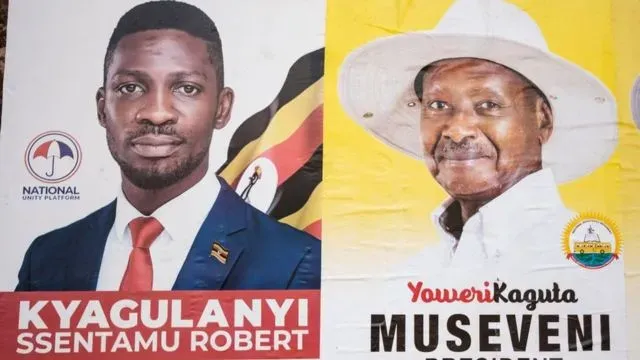
Yoweri Museveni election is once again a focal point in Uganda as the nation braces for the results of a highly contested presidential race. In this election cycle, President Museveni, who has held power since 1986, is pushing for his seventh consecutive victory while facing serious allegations from opposition leader Bobi Wine regarding electoral fraud. The Uganda presidential election has stirred public sentiment, with Museveni reportedly leading with 76% of the votes based on preliminary data from 45% of polling stations. However, significant Uganda voting issues have marred the process, including delays and accusations of malpractice that have raised eyebrows among citizens and international observers alike. As the dust settles, the Museveni 2021 election results will shed light on the legitimacy of claims regarding the integrity of Uganda’s election process and the validity of the allegations made by Bobi Wine.
In the context of the ongoing political landscape in Uganda, the recent electoral contest involving Yoweri Museveni has sparked intense debate and scrutiny. The atmosphere surrounding this electoral event has been anything but peaceful, as Museveni aims to secure his seventh term amid widespread allegations of electoral misconduct from his adversaries. Prominent figures, including pop star-turned-politician Bobi Wine, have voiced serious concerns about the fairness of the voting process, labeling it as rife with fraudulent activities. Issues such as malfunctioning biometric machines and lengthy delays at polling stations have also contributed to doubts about the integrity of the election. As the nation looks ahead, the implications of the Museveni election and the subsequent responses to the reported discrepancies could shape Uganda’s political future significantly.
Yoweri Museveni Election: Aiming for a Seventh Term
Yoweri Museveni’s quest for a seventh consecutive term in office has been notable not just for his long-standing dominance in Ugandan politics but also for the nature of the electoral process that has characterized this election. As the incumbent president, Museveni has maintained a strong lead over his opponents, with initial results indicating he secured 76% of the votes. This continued success reflects his efforts to remain a pivotal figure in Uganda’s political landscape since taking power in 1986. His governance has been marked by economic growth, yet critics argue that his administration is increasingly authoritarian, raising concerns about democratic integrity in the Uganda presidential election.
Despite Museveni’s strong showing in the preliminary voting results, the 2021 election is marred by claims of electoral fraud and excessive military presence, raising alarm about the legitimacy of the electoral process. Critics, including opposition leader Bobi Wine, allege that the voting environment has been unjust, citing incidents of intimidation and suppression of dissent. Such allegations have raised questions surrounding the transparency of the election and whether Museveni’s victory will be accepted domestically and internationally.
Bobi Wine Allegations and Their Impact on Uganda’s Election
Bobi Wine, the key challenger in this election, has been vocal about what he terms “massive” electoral fraud. His claims draw attention to the broader issues of electoral integrity in Uganda, especially in light of the chaotic circumstances surrounding the election. With an internet blackout hindering communication, Wine’s ability to mobilize support and present evidence of his allegations has been severely compromised. The challenges he faces are indicative of the oppressive political environment that many opposition candidates have endured during Uganda’s election cycles.
Wine’s allegations also reflect the desperation felt by many Ugandans who aspire for change. The National Unity Platform (NUP), led by Wine, insists that without immediate reforms to mitigate voting issues and electoral fraud, the hope for a free and fair Uganda presidential election remains bleak. The public’s response to these allegations could ultimately shape future political discourse and electoral reforms, as the frustrations within the population boil beneath the surface.
Voting Issues: Delays and Technical Difficulties in the 2021 Election
Voting issues have plagued the 2021 Uganda presidential election, undermining the confidence voters have in the electoral process. Reports of delays at polling stations due to malfunctioning biometric machines and slow ballot box arrival have created frustration among citizens eager to exercise their democratic rights. Such technical difficulties not only hinder the voting experience but also raise significant doubts about the preparedness of the electoral commission to conduct a fair and efficient election.
These complications are exacerbated by the context in which the election is occurring—one marked by heightened tensions and allegations of electoral malpractice. Voters experienced long lines and uncertainty, with many polling centers reporting delays of up to four hours. This mishandling of the voting process raises further concerns about how these issues may have affected the overall outcome and whether the Museveni 2021 election results can be trusted.
Electoral Fraud Claims: Striking at the Heart of Democracy in Uganda
Electoral fraud claims have become a recurring theme in Uganda’s political narrative, particularly during the 2021 presidential election. Bobi Wine’s accusations highlight the dissent against the ruling government while underscoring the need for transparency and accountability in electoral processes. The absence of credible investigations into these allegations amplifies public distrust in the electoral system, risking the democratic fabric of the nation.
Consequently, these claims have sparked debates about the direction of Uganda’s democracy. As citizens call for reform, the need for an independent electoral commission becomes more critical than ever. If the authorities continue to ignore the pleas for fairness and accountability, the ramifications for Ugandan society could be profound, potentially leading to increased unrest and political instability.
The Role of the Military in the 2021 Elections
The military’s presence during the 2021 Uganda presidential election has raised significant concerns regarding the fairness and security of the electoral process. Reports of military personnel surrounding opposition leader Bobi Wine’s residence and the intimidation of voters reflect a troubling trend toward militarization in electoral politics. Such actions not only suppress dissent but also instill fear in the electorate, undermining their ability to participate freely in the democratic process.
The implications of a militarized election go beyond immediate voter intimidation; they set a worrying precedent for future elections. With the military actively involved, skepticism grows around the legitimacy of the election results and the prospects for a peaceful transfer of power. As Museveni seeks a seventh term, the dependency on military force may alienate voters and increase demands for civil rights, raising alarms about the health of Uganda’s democracy.
Internet Blackouts: A Tool for Suppression?
The reported internet blackout during the 2021 Uganda presidential election has sparked outrage and accusations of voter suppression. In an era where communication is essential for mobilizing public support, such measures effectively isolate candidates like Bobi Wine from their potential voters. This blackout raises serious concerns about freedom of expression and the fundamental right to access information during a critical electoral process.
Critics argue that the government’s decision to implement an internet blackout not only stifles dissent but also hinders independent media coverage, depriving citizens of diverse perspectives surrounding the election. As observers point out, such actions create an atmosphere of uncertainty and fear, suggesting that the authorities are less interested in a fair electoral process and more focused on maintaining control. This environment poses a fundamental challenge to democracy in Uganda, threatening the ability of citizens to voice their opinions.
Public Response to Museveni’s Lead in Election Results
The public response to Museveni’s strong lead in the election results is characterized by a mix of resignation and frustration among various segments of society. While the results indicate a clear path to victory for Museveni, many citizens express skepticism, fueled by ongoing allegations of electoral fraud and procedural irregularities. Many voters are torn between the desire for stability under Museveni’s established rule and the hope for change embodied by challengers like Bobi Wine.
The dichotomy in public sentiment underscores the complexities of Ugandan politics—where loyalty often intertwines with the desire for reform. As communities react to the election results, discussions about long-term governance, political representation, and civil liberties are heating up. The way in which the government responds to these tensions will be pivotal in determining Uganda’s political future.
International Observers: Monitoring Uganda’s Elections
The presence of international observers during Uganda’s presidential elections has often been seen as a measure to enhance transparency and accountability. These observers play a crucial role in identifying electoral misconduct and voicing concerns when violations occur, helping to hold the government accountable for its actions and decisions. However, the effectiveness of these observers can sometimes be limited by the environment in which they operate, especially in cases where allegations of fraud and intimidation are rampant.
As the world watches the outcome of the 2021 elections, it is imperative that international observers document and report any irregularities. Their insights could be pivotal in shaping future electoral policies and practices in Uganda, as well as informing global perceptions of the country’s commitment to democratic values. Engagement from the international community could lend much-needed pressure on the Ugandan government to address allegations of electoral fraud and enhance electoral integrity in future elections.
Future Prospects for Democracy in Uganda
The future of democracy in Uganda hangs in the balance as the 2021 presidential election results are scrutinized amidst widespread allegations of fraud and suppression. The challenges faced in achieving a free and fair electoral process reflect deeper systemic issues that have plagued the country for years. Many citizens are advocating for comprehensive electoral reforms, emphasizing the need for a transparent system that empowers voters rather than intimidates them.
In the face of increasing political repression, the pulse of civil society grows stronger, with activists demanding accountability and justice for electoral grievances. As opposition leaders like Bobi Wine galvanize support, there may be a shift in the political landscape that could either strengthen democratic movements or further entrench authoritarian governance. The stakes are high, and the coming months may determine whether Uganda embarks on a path towards meaningful change or remains within the grips of its long-standing power dynamics.
Frequently Asked Questions
What are the latest Yoweri Museveni election results from the Uganda presidential election?
As of the latest provisional results from the Uganda presidential election, Yoweri Museveni is leading with approximately 76% of the votes, with only 45% of polling stations reporting. Opposition leader Bobi Wine is trailing behind with around 20%.
What allegations has Bobi Wine made about the Yoweri Museveni election?
Bobi Wine has alleged massive electoral fraud during the Yoweri Museveni election, claiming that the electoral process was marred by irregularities. However, he has not provided concrete evidence to support his claims.
What issues were reported during the Uganda voting process in the Yoweri Museveni election?
During the Uganda voting for the Yoweri Museveni election, several issues were reported, including delays at polling stations of up to four hours, malfunctioning biometric verification machines, and slow ballot box arrivals, possibly exacerbated by an internet blackout.
How has the public reacted to the Museveni 2021 election results?
The Museveni 2021 election results have sparked mixed reactions. While the official count shows Museveni leading significantly, opposition supporters and critics allege that the election was rigged and that there were serious irregularities.
What is the situation at Bobi Wine’s residence following the Yoweri Museveni election?
After the Yoweri Museveni election, reports indicate that Bobi Wine’s house in Kampala has been surrounded by military and police forces, effectively placing him and his wife under house arrest amidst claims of escalating tensions.
| Key Points |
|---|
| Yoweri Museveni has been in power since 1986 and is seeking his seventh consecutive victory in the presidential election. |
| Provisional results show Museveni leading with 76% of the votes based on 45% of polling stations reporting. |
| Opposition leader Bobi Wine has garnered approximately 20% of the votes. |
| The election was marked by violence and accusations of massive electoral fraud from Wine, who has not provided evidence. |
| Bobi Wine’s house was reportedly surrounded by military and police, leading to allegations of house arrest. |
| Polling stations faced delays of up to four hours due to issues with ballot box arrival and malfunctioning biometric machines. |
| The election occurred amidst an internet blackout, affecting communication and transparency. |
Summary
The Yoweri Museveni election has highlighted significant political tensions within Uganda as the long-serving president seeks a further term after decades in power. With Museveni projected to secure a large majority according to early results, the upcoming days will be critical in determining the response to allegations of electoral misconduct and the atmosphere surrounding this contentious electoral process.

