
Listen to this article
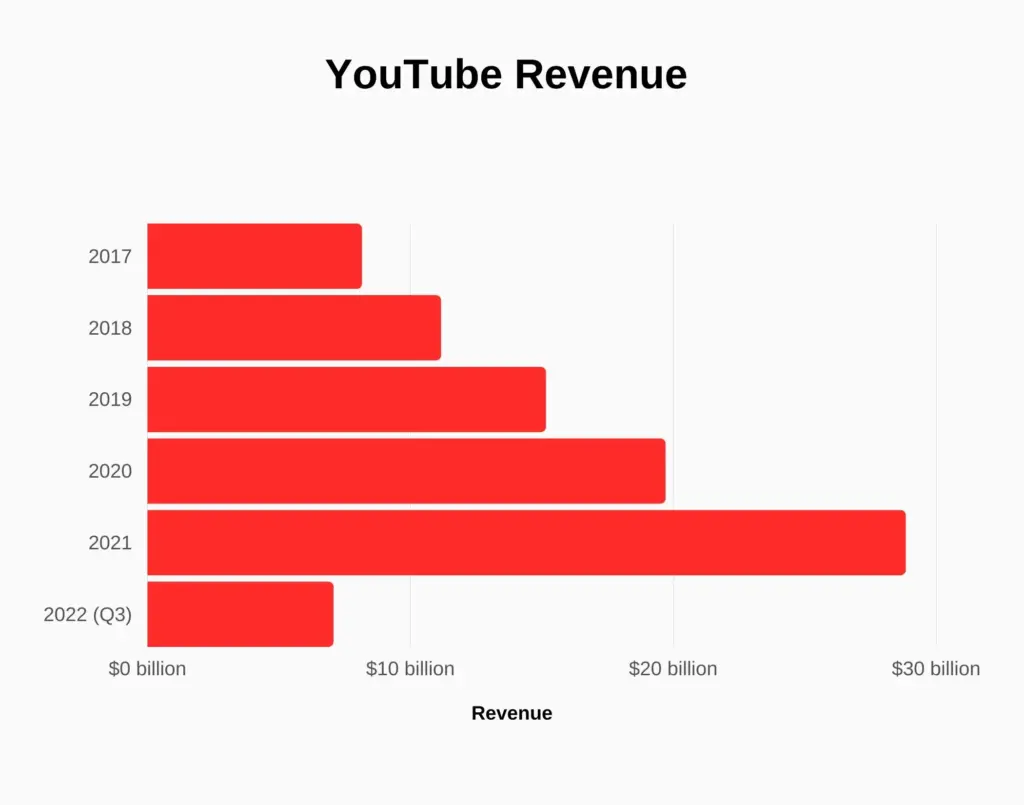
YouTube revenue has reached astonishing heights, with Google reporting a staggering $60 billion in 2025 as it maneuvers to grow its subscriber base. This revenue, driven largely by YouTube advertising revenue and an increasing focus on YouTube Premium subscriptions, remarkably surpasses Netflix’s $45 billion, marking a significant milestone in the streaming war. Analysts highlight that the platform’s diverse revenue streams, including monetization through YouTube Shorts views, have solidified its position as an entertainment powerhouse. With over 325 million paid subscribers as of 2025, YouTube is redefining how audiences engage with content. Such impressive figures showcase the platform’s integral role in the digital landscape, as confirmed by Google’s recent financial report.
The financial success of YouTube, a titan in the online video domain, is propelled by multiple strategies aimed at enhancing viewer engagement and generating profits. As subscriptions skyrocket and advertising opportunities expand, alternative revenue models play a pivotal role in solidifying YouTube’s leading status. With a focus on creating opportunities for both creators and viewers, the platform is reshaping the traditional landscape of media consumption. By embracing innovative formats like short-form videos, YouTube continues to attract a vast user base, looking to revolutionize the way digital content is experienced. The synergistic growth of both ad revenues and user subscriptions underlines YouTube’s adaptive approach in a competitive environment.
YouTube’s Revenue Surge: A 2025 Overview
In 2025, YouTube achieved a monumental milestone, generating over $60 billion in revenue, marking a significant leap from previous earnings. This substantial revenue primarily stems from a dual model combining advertising revenue and the ever-growing YouTube Premium subscriptions. In bringing this figure to light, it became clear that YouTube outpaced competitors such as Netflix, which reported a revenue of $45 billion during the same year. This impressive growth showcases not just the platform’s ability to draw viewers and advertisers but also the pivot towards a subscription-based model that many users are willing to invest in for an ad-free experience.
As Google aims to bolster YouTube’s subscriber base, the financial success speaks volumes about the platform’s pervasive influence and reliance on diverse revenue streams. Analysts suggest that the evolution towards paid subscriptions, alongside traditional ad revenues, places YouTube in a unique position within the digital media landscape. With over 70% of global consumers engaging with YouTube weekly, the potential for revenue growth remains robust as more viewers transition to subscription tiers for enhanced viewing experiences.
The Role of YouTube Premium in Revenue Growth
YouTube Premium, which allows users to enjoy an ad-free viewing experience, has become a cornerstone for the platform’s growth strategy. As reported, subscriptions have exceeded 325 million in 2025, highlighting YouTube’s successful pivot toward monetization through premium services. This move has enabled the platform to not only retain existing users but also attract new ones seeking uninterrupted content. YouTube Premium’s appeal extends beyond mere ad-blocking; it provides exclusive access to original content and enhanced features like offline viewing, making it a compelling proposition for consumers.
Additionally, YouTube’s approach to bundling services has created synergies with Google’s broader ecosystem, which has further empowered this growth. By integrating YouTube Premium with subscriptions to Google Play Music and other services, the company has successfully incentivized users to join the Premium tier. This trend underscores the platform’s strategic innovation to capture rising demand for personalized content while retaining and growing its advertising revenue efficiently, ensuring a balanced revenue model.
YouTube Shorts: A New Frontier for Engagement
Amidst its substantial revenue growth, YouTube has introduced Shorts—a feature designed to compete with TikTok’s quick video format. With an astonishing average of over 200 billion views per day, Shorts has rapidly become a significant driver of engagement on the platform. This new format not only attracts younger audiences but also provides creators with innovative ways to connect with their viewers, driving both organic growth of their channels and overall engagement on YouTube.
YouTube Shorts embodies the platform’s agility in adapting to evolving consumer behavior. By providing creators with unique tools and a new avenue for expression, YouTube is fostering a diverse content ecosystem. This not only enhances viewer retention but also opens new monetization avenues, which could be pivotal in sustaining YouTube’s revenue trajectory amid the highly competitive landscape of digital media.
Understanding YouTube’s Advertising Revenue Dynamics
YouTube’s advertising revenue remains a critical component of its financial success, contributing a large portion of its overall earnings. In the last quarter of 2025, despite falling short of Wall Street’s expectations with $11.38 billion, the ad revenue still signifies a robust demand for advertising space on the platform. Companies recognize the vast reach and influence YouTube commands, placing it at the forefront of digital advertising strategies. This push is particularly important as brands seek to engage effectively with a diverse audience that uses the platform extensively.
Moreover, YouTube’s ad formats continue to evolve, adopting interactive and immersive technologies that appeal to both creators and advertisers alike. The platform’s ability to provide advertisers with detailed analytics on viewer engagement empowers brands to maximize their investment. As advertisers increasingly shift budgets from traditional media to online platforms, YouTube’s advertising model remains well-positioned to capture a significant share of this digital shift, ensuring a steady revenue stream and reinforcing its market lead.
YouTube’s Competitive Advantage in Content Creation
The essence of YouTube’s success lies in its content creation model, which is heavily reliant on user-generated content. Unlike traditional media platforms like Netflix that primarily showcase professionally produced content, YouTube thrives on the creativity and authenticity of its community of creators. This distinction creates a competitive advantage as YouTube can continually deliver a diverse range of content—from educational videos to entertainment, all tailored to meet the preferences of its viewers.
This model not only caters to the vast audience but also incentivizes creators by providing them with monetization options and the opportunity to build substantial followings. As creators push the boundaries of what is possible on the platform, they engage deeply with their audience, resulting in viewer loyalty and return visits. Consequently, this user-generated content ecosystem empowers YouTube to maintain its leading position in the media landscape, particularly as competition intensifies from platforms attempting to replicate its success.
The Impact of AI on YouTube’s Content Strategy
YouTube’s commitment to incorporating artificial intelligence into its forward strategy reflects the platform’s dedication to evolving with technology. With major investments in AI, YouTube aims to enhance user experience, such as through smart recommendations and content curation. The integration of AI tools not only streamlines content discovery but also aids in optimizing ad placements, thus maximizing revenue potential while ensuring that users receive tailored content.
However, as AI continues to reshape content strategies, concerns arise about the implications for creators. Some, like MrBeast, have expressed worries regarding how AI-generated summaries of their work could impact traffic and engagement levels. Balancing AI innovation with creator interests will be crucial for YouTube’s growth. The platform must navigate these challenges by reassuring creators of their importance while continually improving the technological aspects of the viewing experience.
Global Trends in Digital Consumption and YouTube
With the rapid shift towards online consumption, YouTube has positioned itself as a global leader in digital media. The platform’s accessibility and user-centric design have attracted a diverse audience across different demographics. As internet penetration expands worldwide, more individuals are turning to platforms like YouTube for entertainment, education, and information, highlighting its vital role in the daily media consumption of millions.
The rise of digital natives, defined by their comfort with technology and online engagement, further fuels YouTube’s growth potential. With over 70% of international users engaging weekly, the platform’s adaptability in catering to the changing demands of viewers enhances its subscriber growth and advertising efficacy. Understanding these global trends not only supports YouTube’s ongoing investment strategies but also reinforces its status as an integral part of the end-users’ everyday digital experience.
The Future of YouTube: Insights from Financial Reports
Analyzing Google’s financial reports reveals a consistent narrative of growth, especially in YouTube’s revenue streams. The clear demarcation of YouTube’s earnings from its other services illustrates its unique position within Google’s vast portfolio. As stakeholders look to future performances, maintaining a transparent outline of revenue models will be crucial in showcasing the potential of YouTube beyond just advertisement revenues.
Insights from earnings calls suggest that YouTube’s management is focused on sustaining this revenue growth by emphasizing subscriber retention and enhancing creator support. Financial reports will continue to be a critical touchstone as investors seek to understand future trends and investments in the platform. As Google navigates the challenges of a highly competitive market, YouTube’s financial trajectory will serve as a vital barometer for its overall health and sustainability.
Leveraging Partnerships for Sustained Growth
YouTube’s strategy extends beyond just expanding its own platform; it involves building partnerships that can provide mutual benefits. Collaborating with content creators and influencers has proven pivotal for YouTube in driving engagement and expanding its audience base. These partnerships enable creators to monetize their content effectively while ensuring that YouTube remains at the forefront of digital content consumption.
Moreover, as other platforms attempt to lure creators away, YouTube’s investment in relationships with its most popular users—through tools and resources—will be crucial for retaining content creators. To sustain growth, particularly in subscriber revenue, fostering a supportive community among creators will ultimately translate into long-term viewer loyalty, reinforcing YouTube’s competitive foothold in the digital landscape.
Frequently Asked Questions
What contributed to YouTube’s $60 billion revenue in 2025?
YouTube’s impressive revenue of over $60 billion in 2025 is attributed to multiple revenue streams, including YouTube advertising revenue and YouTube Premium subscriptions. The platform’s ability to reach a vast audience and innovate with new subscription models has significantly boosted its income.
How does YouTube subscriber growth impact revenue generation?
YouTube subscriber growth is crucial for revenue generation, especially through YouTube Premium subscriptions. As more users subscribe for an ad-free experience, this enhances overall revenue and allows YouTube to capitalize effectively on its extensive viewer base.
What trends are observed in YouTube Shorts views and their effect on revenue?
YouTube Shorts are experiencing explosive growth, averaging over 200 billion views daily. This immense engagement in short-form content contributes positively to YouTube’s overall revenue, enhancing advertising potential and subscriber interest.
How does YouTube’s advertising revenue compare to that of Netflix?
YouTube’s advertising revenue reached $11.38 billion in the last quarter of 2025, while its total revenue of over $60 billion surpassed Netflix’s $45 billion. This highlights YouTube’s strength in user-generated content, distinguishing it from traditional platforms like Netflix.
What is the significance of YouTube Premium subscriptions for overall revenue?
YouTube Premium subscriptions play a significant role in overall revenue, as they provide users with an ad-free experience and exclusive content. With over 325 million subscriptions across Google services in 2025, this model continues to be a vital component of YouTube’s financial strategy.
How is YouTube adapting its services to enhance revenue through subscriptions?
YouTube is innovating its subscription services to enhance revenue, including the introduction of new, affordable YouTube TV and Premium tiers. These adaptations are designed to attract more users and convert them into paying subscribers.
What challenges do YouTube creators face regarding advertising revenue?
YouTube creators are facing challenges with their advertising revenue due to emerging technologies like Google’s AI Overviews, which some believe lead to decreased traffic and visibility for their videos. Addressing these concerns remains essential for sustaining YouTube’s creator-driven revenue growth.
What role does user-generated content play in YouTube’s revenue model?
User-generated content is pivotal to YouTube’s revenue model, providing diverse and engaging material that attracts viewers and advertisers. This content differentiates YouTube from traditional media and enables a robust advertising ecosystem.
How does the Google financial report highlight YouTube’s growth and revenue potential?
The Google financial report emphasizes YouTube’s growth, showcasing its revenue surpassing competitors and the increase in paid subscribers. This growth is a testament to YouTube’s strategic innovations and its position as a leading digital platform.
What are the prospects for YouTube’s revenue with the integration of AI tools?
The integration of AI tools presents new prospects for YouTube’s revenue, as they can enhance user experience and improve content discovery. However, it is crucial for YouTube to balance AI developments with the interests of creators to sustain long-term revenue growth.
| Key Points | |
|---|---|
| YouTube’s Annual Revenue | $60 billion in 2025, surpassing Netflix’s $45 billion |
| Revenue Sources | Advertising and paid subscriptions including YouTube Premium. |
| Subscriber Growth | YouTube Premium and ad-free options led to over 325 million combined subscriptions across Google services. |
| Market Position | YouTube is the second most-watched media service in the UK, following the BBC. |
| User Engagement | Over 70% of international consumers use YouTube weekly, 50% daily. |
| Impact of YouTube Shorts | YouTube Shorts averaging over 200 billion views daily, indicating growth in short video consumption. |
| Competition Concerns | Concerns from creators about AI-driven content summaries potentially impacting traffic and engagement. |
Summary
YouTube revenue reached an impressive $60 billion in 2025, demonstrating its robust growth in the digital media landscape. This unparalleled figure not only outpaces competitors like Netflix but also highlights YouTube’s successful monetization strategies through diverse revenue streams, including subscriptions and advertisements. As consumer engagement continues to soar, YouTube is paving the way for future innovations, reinforcing its pivotal role in the online content ecosystem.

