
Listen to this article
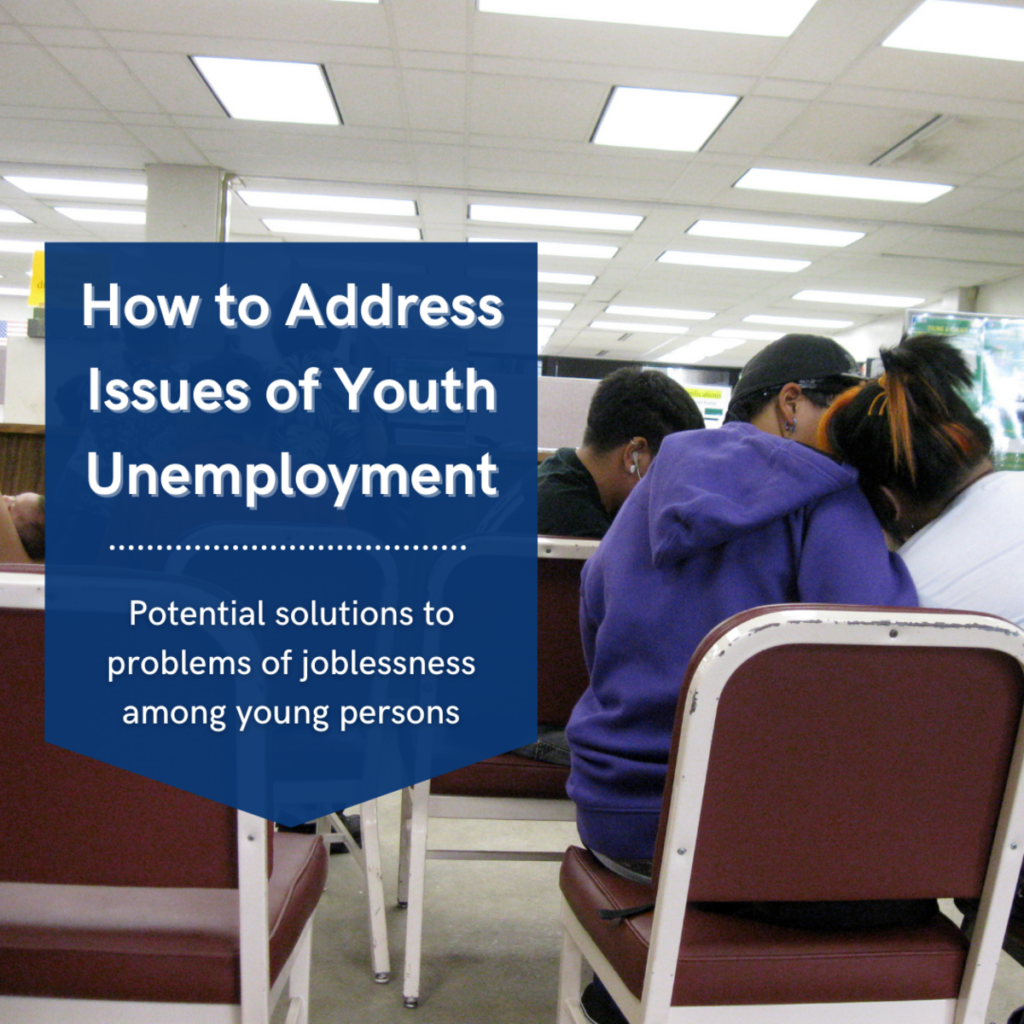
Youth unemployment solutions have become a pressing focus for governments worldwide as they seek to equip the next generation with the skills necessary for a thriving workforce. In a bid to create job opportunities for young people, initiatives are being introduced that span sectors such as construction and hospitality. By funding 350,000 training and work experience placements and guaranteeing 55,000 jobs, the government is aiming to provide vital support for unemployed youth, particularly those on Universal Credit. As part of these efforts, the introduction of guaranteed work placements for young individuals further emphasizes the commitment to tackling this growing crisis. With dedicated pathways to employment and comprehensive coaching, there is hope that these strategies will facilitate a smoother transition into sustained gainful employment.
Addressing the challenge of youth unemployment requires innovative approaches and concerted efforts to ensure that younger generations are not left behind in today’s competitive job market. Programs designed to enhance job readiness among the youth focus on creating accessible employment avenues, offering apprenticeships, and providing essential training and work experiences that are crucial for career growth. Strategies such as guaranteed job placements aim to support young individuals in their quest for stability and autonomy in their professional lives. Furthermore, support measures aimed at those navigating the welfare system, like Universal Credit, are becoming increasingly important. By fostering an environment where young people can thrive, we are paving the way for a brighter future.
Addressing Youth Unemployment: A Government Initiative
The challenge of youth unemployment has reached critical levels, prompting government intervention to create viable pathways for young people. In an effort to combat this issue, the government has earmarked £820 million to fund various programs aimed at offering job opportunities for young people. Specifically, the plan includes 350,000 training and work experience placements designed to equip youth with the necessary skills and experience to enter a competitive workforce. By targeting industries such as construction, hospitality, and health and social care, the initiative aims to diversify employment opportunities while addressing the pressing needs within these sectors.
Critics of the government’s budget, however, point to an increase in the number of young people categorized as Neets—those not in employment, education, or training. Since 2021, nearly one million individuals aged 16 to 24 fall under this category. This alarming statistic highlights the urgency for comprehensive and effective youth unemployment solutions. By providing guaranteed work placements and dedicated support for unemployed youth, the government hopes to not only reduce the Neet figures but also ensure that young people can transition from reliance on benefits such as Universal Credit to sustainable employment.
Training and Work Experience: Essential for Young Job Seekers
One of the cornerstones of the new initiative is the focus on providing extensive training and work experience opportunities for young adults on Universal Credit. By integrating hands-on experiences with theoretical learning, the program aims to foster skill development and prepare participants for long-term employment. The government has recognized that many young people lack the necessary skills or confidence to navigate the job market. This initiative will address that gap by pairing young job seekers with employment coaches who can guide them through various career pathways, including apprenticeships and wider training.
The necessity for such programs is underscored by the fact that a significant portion of Neets cite long-term health issues or lack of experience as barriers to their employment. By creating tailored training initiatives, the government is not only equipping young people with critical skills but also promoting inclusivity for those who may have faced challenges in traditional educational settings. Overall, training and work experience placements can be transformative, acting as a bridge to better job prospects and more resilient career paths.
The Role of Guaranteed Work Placements in Reducing Unemployment
Guaranteed work placements are a pivotal element of the government’s strategy to tackle youth unemployment. By offering secure job opportunities to young individuals who have faced prolonged periods of joblessness, this approach seeks to motivate and instill a sense of purpose among participants. The program is particularly significant for those aged 18 to 21 who have been out of work or education for over 18 months. Engaging this demographic is crucial for preventing the long-term ramifications of unemployment, including social and economic disenfranchisement.
In addition to providing job security, guaranteed placements serve to enhance the employability of young people by allowing them to gain practical experience in real work environments. Coupled with the plans for intensive support sessions and coaching, these placements aim to ensure that young individuals not only find jobs but are also prepared for future career advancements. This holistic approach is intended to break the cycle of unemployment and equip youth with the necessary tools to thrive in their future endeavors.
Youth Support Programs: Tailored Assistance for Neets
As the government seeks to address youth unemployment, support for unemployed youth remains an essential aspect of their strategy. The £820 million investment includes targeted programs designed specifically for the needs of Neets, young individuals who are neither working nor studying. By providing personalized assistance through dedicated work support sessions, the initiative aims to engage and motivate young people who have fallen through the cracks of traditional educational and employment paths.
Moreover, the involvement of local regions, such as Birmingham, Greater Manchester, and others, in distributing support services ensures that the assistance is relevant and accessible. By integrating community input and identifying specific regional needs, the government can maximize the effectiveness of its programs. This localized strategy not only aims to secure immediate job placements but also to foster a culture of support that helps young people transition into successful employment trajectories.
Long-Term Benefits of Youth Employment Initiatives
Investing in youth employment initiatives has far-reaching implications beyond immediate job placement. By focusing on equipping young people with practical skills, the government is promoting a more skilled workforce capable of supporting the UK’s economic growth. The long-term benefits ripple through communities as young people gain employment, foster economic stability, and contribute to the local and national economy. As young individuals begin to thrive in their careers, they can also inspire fellow peers, creating a positive feedback loop for future generations.
Furthermore, tackling youth unemployment through these initiatives can lead to decreased reliance on government assistance such as Universal Credit. As more young people transition to stable employment, the strain on welfare systems may lessen, allowing these resources to be reallocated toward further support efforts and community growth. A robust youth employment strategy is, therefore, not only a moral obligation but also an economic necessity that can transform lives and communities for years to come.
The Importance of Apprenticeships in Youth Employment
Apprenticeships are increasingly recognized as a vital pathway to employment for young people, offering a blend of work experience and formal training. With the government planning to make apprenticeship training free for those under 25 at small and medium enterprises, this initiative can dismantle financial barriers that often prevent young individuals from pursuing these opportunities. This move not only promotes skill acquisition but also enhances job prospects for young adults entering the workforce.
By integrating apprenticeships into the broader context of youth unemployment solutions, the government is setting the stage for a more adaptable and competitive workforce. These programs provide young people with practical, on-the-job training, helping them to build valuable skills while earning a wage. Moreover, they can foster stronger connections between educational institutions and industries, creating a more direct channel for young people to transition into full-time roles upon completion of their apprenticeships.
Community Engagement in Youth Employment Solutions
Building effective solutions for youth unemployment requires active engagement from local communities. By collaborating with educational institutions, businesses, and local governments, the initiative aims to create a holistic support framework that drives job opportunities for young people. Engaging community stakeholders in the planning and implementation phases ensures that available resources are utilized effectively and that the support provided aligns with local employment needs.
Involving community organizations and non-profits also allows for the incorporation of feedback and direction from those who understand the unique challenges young people face in their region. This grassroots approach can enhance program visibility and access, ensuring that the most vulnerable youth receive the necessary resources to make informed employment choices. Community engagement is crucial for fostering an environment where young job seekers feel supported and empowered to pursue their career aspirations.
Evaluating the Impact of Employment Initiatives
To measure the success of youth employment solutions, it is essential to establish benchmarks and evaluation frameworks that assess the effectiveness of these initiatives over time. Tracking the number of young people transitioning off benefits and into stable employment can provide valuable insights into the program’s impact. Such evaluations can help identify areas for improvement and ensure that the support system remains responsive to the ever-changing job landscape.
Additionally, regular assessments enable stakeholders to gather qualitative feedback from participants, revealing their experiences and challenges faced during their journey towards employment. This feedback can be instrumental in refining training programs, support services, and placement strategies. By committing to ongoing evaluation, the government and its partners can ensure that these youth employment initiatives continue to evolve and meet the needs of young people in the UK.
Future Directions for Youth Employment Policy
As the landscape of work continues to evolve, future directions for youth employment policy must be adaptable and forward-thinking. Policymakers should consider trends such as remote work, emerging industries, and the unique needs of diverse populations, ensuring that youth employment initiatives reflect the realities of a modern workforce. This includes incorporating technology-driven solutions and digital training programs that prepare young people for jobs in rapidly changing sectors.
Furthermore, as the government prepares to announce its national youth strategy, it is crucial that the dialogue around youth unemployment remains open and collaborative. Engaging young people in the policymaking process fosters a sense of ownership and relevance in the solutions presented for their employment challenges. By prioritizing inclusive and innovative approaches, future policies can better address the root causes of youth unemployment and empower the next generation to realize their full potential.
Frequently Asked Questions
What are the proposed youth unemployment solutions in the UK?
The UK government is implementing several youth unemployment solutions, including the introduction of job opportunities in sectors like construction and hospitality, funded by £820 million allocated in the recent Budget. This initiative aims to offer 350,000 training and work experience placements and guarantee 55,000 jobs in high-need areas, helping young people transition off Universal Credit and into stable employment.
How will young people benefit from training and work experience placements?
Young people will benefit significantly from training and work experience placements as part of the youth unemployment solutions initiated by the government. These placements will provide practical skills and industry experience in high-demand sectors, enhancing job prospects and ensuring a smoother transition into permanent employment.
What is the role of guaranteed work placements in addressing youth unemployment?
Guaranteed work placements are a key part of the government’s strategy to tackle youth unemployment. These placements, specifically targeting 18 to 21-year-olds who have been out of work or education for over 18 months, aim to provide essential work experience, without which young people risk losing their benefits, thus motivating them to engage with the labor market.
How does Universal Credit relate to youth unemployment solutions?
Universal Credit plays a crucial role in the youth unemployment solutions being rolled out by the government. The aim is to support young individuals on Universal Credit by offering dedicated work support sessions, intensive coaching, and pathways into jobs, training, and apprenticeships, ensuring they have the resources and opportunities needed to find sustainable employment.
What regions are targeted for the new youth unemployment initiatives?
The new youth unemployment initiatives target several specific regions, including Birmingham and Solihull, the East Midlands, Greater Manchester, Hertfordshire and Essex, Central and Eastern Scotland, and South-west and South-eastern Wales. This strategic focus aims to address localized needs effectively and provide job opportunities for young people in these areas.
What types of support will unemployed youth receive in these programs?
Unemployed youth participating in these programs will receive comprehensive support, including a dedicated work support session followed by four weeks of intensive coaching. They will be guided along various pathways such as work experience, apprenticeships, and training opportunities, all designed to bolster their employability and help them secure jobs.
How does the government plan to reduce the number of NEET (Not in Education, Employment, or Training) young people?
The government aims to significantly reduce the number of NEET young people through targeted youth unemployment solutions, including guaranteed work placements, extensive training programs, and support for those on Universal Credit. By providing structured pathways into employment and addressing barriers such as health issues, the goal is to transition young individuals into productive roles.
How many young people are expected to gain employment from these initiatives?
The government anticipates that over 1,000 young people will secure employment within the first six months of these initiatives, reflecting a strong commitment to providing job opportunities and support for unemployed youth, ultimately aiming to combat rising youth unemployment effectively.
| Key Point | Details |
|---|---|
| Job Opportunities | Young people on benefits will get job opportunities in construction, hospitality, and health sectors. |
| Funded Positions | The government plans to fund 350,000 training placements and guarantee 55,000 jobs. |
| Budget Allocation | £820 million designed to support young people transitioning from Universal Credit. |
| Target Audience | Estimations suggest 900,000 young people on Universal Credit are seeking work. |
| Support System | Employment coaches will guide young people through six pathways to employment. |
| Current Statistics | As of September, 946,000 young people aged 16-24 are classified as Neet. |
Summary
Youth unemployment solutions are critical as the UK government announces significant investments aimed at addressing this growing issue. By providing targeted job opportunities, comprehensive training, and dedicated support for young individuals, the initiative seeks to empower the next generation and curb the alarming rise in youth unemployment. With a projected 900,000 young people on Universal Credit actively looking for work, initiatives like guaranteed placements and sector-specific training aim to transform career prospects and offer paths to meaningful employment. As efforts continue, youth unemployment solutions will not only help reduce the current Neet statistics but also foster a more skilled and employable young workforce.

