
Listen to this article
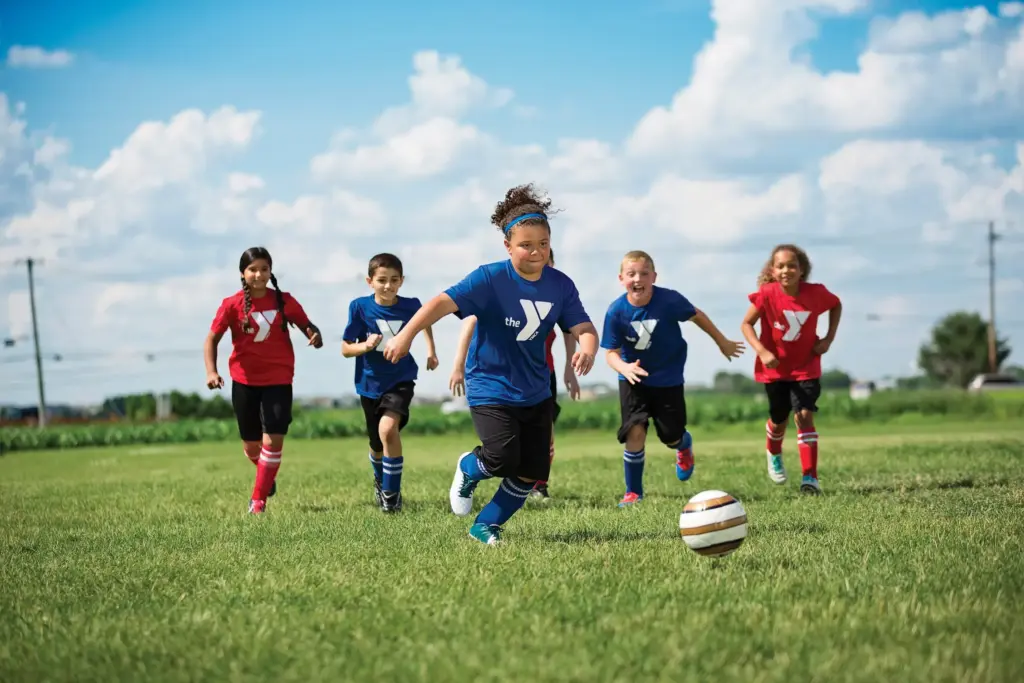
Youth sports play a pivotal role in the holistic development of children, providing them with numerous opportunities to learn and grow. As children engage in physical activities through organized sports, they not only boost their fitness levels but also enhance their motor skills and coordination. The benefits of team sports extend beyond the physical realm; they cultivate essential skills such as teamwork and communication, crucial for child development. Moreover, participation in youth athletics fosters a sense of inclusivity and belonging among peers, promoting social interactions that can lead to lasting friendships. By exploring various sports for kids, parents can set their children on a path toward positive self-esteem and lifelong healthy habits.
Engaging in sports activities for youngsters opens doors to valuable life lessons and experiences that shape their future. When children partake in athletic endeavors, they not only improve their physical capabilities but also embark on a journey of personal growth. Team-based activities teach essential principles of collaboration and respect, providing youngsters with the tools they need for effective communication. Additionally, these forms of youth athletics nurture friendships and social skills, enriching children’s lives both on and off the field. Emphasizing the significance of collaboration and resilience within sporting contexts, parents can leverage these experiences to boost their child’s confidence and overall development.
The Role of Youth Sports in Child Development
Youth sports play a crucial role in the comprehensive development of children, offering them a platform to engage physically, mentally, and socially. Through participation in various sports, children experience significant growth in their physical fitness, which lays the foundational groundwork for healthy lifestyles throughout their lives. This active involvement not only enhances their cardiovascular health and strength but also boosts their energy levels and stamina, enabling them to better cope with daily activities.
Additionally, the connection between youth sports and overall child development extends beyond physical conditioning. Engaging in sports fosters essential life skills such as discipline, patience, and perseverance. These skills are vital as children navigate both academic and personal realms, enhancing their ability to tackle challenges effectively. The structured environment that sports provide is essential in helping children understand the value of commitment and dedication.
Frequently Asked Questions
What are the benefits of youth sports for child development?
Youth sports provide several key benefits for child development, including improved physical fitness, enhanced motor skills, and better social interactions. Engaging in sports helps children develop crucial life skills such as teamwork, communication, and resilience, laying a strong foundation for their overall growth.
How do youth sports promote teamwork among children?
Youth sports promote teamwork by creating an environment where children learn to collaborate towards a common goal. By engaging in team sports, kids learn how to communicate, support their teammates, and work together effectively, which are essential skills both on and off the field.
What impact do youth sports have on children’s self-esteem?
Participating in youth sports can significantly boost a child’s self-esteem. As children develop their skills and achieve goals in their chosen sport, they gain confidence in their abilities, which translates into a positive self-image and increased motivation to tackle challenges.
Are there psychological benefits of participating in youth sports?
Yes, youth sports offer various psychological benefits, such as improved mental resilience, stress relief, and better emotional regulation. Children learn to cope with both success and failure, building resilience and a healthy attitude towards challenges.
How do youth sports promote healthy lifestyle habits in kids?
Involvement in youth sports encourages physical activity, which helps children maintain a healthy weight and develop lifelong habits of fitness. This early introduction to an active lifestyle often leads to healthier choices as they grow older.
What role does diversity play in youth sports?
Youth sports expose children to diverse groups of peers from various backgrounds. This interaction fosters empathy, understanding, and respect for differences, enriching children’s social perspectives and helping them navigate a multicultural society.
Can playing youth sports improve kids’ communication skills?
Yes, participating in youth sports enhances communication skills as children learn to express ideas, give feedback, and collaborate effectively with teammates. These skills are critical not only in sports but also in academic and social settings.
How do youth sports teach children to handle competition?
Youth sports teach children the value of healthy competition by encouraging them to strive for personal improvement and team success. Kids learn how to deal with winning and losing gracefully, fostering a spirit of perseverance and determination.
What physical skills can children develop through youth sports?
Children participating in youth sports can develop a range of physical skills, including coordination, balance, agility, and endurance. These skills are foundational for their overall physical development and can benefit them in various activities throughout life.
How can parents encourage their children to join youth sports?
Parents can encourage their children to join youth sports by discussing the benefits of active participation, exploring local sports options, and being supportive in their interests. Kids are more likely to engage in sports if they feel encouraged and involved by their parents.
| Aspect | Description |
|---|---|
| Physical Benefits | Improved fitness, healthy habits, motor skill development through active participation. |
| Social Benefits | Enhances communication, builds friendships, and fosters understanding of diversity. |
| Psychological Benefits | Boosts self-esteem, promotes goal-setting, fosters resilience and the ability to overcome challenges. |
| Team Dynamics | Encourages collaboration, teaches conflict resolution, and instills the value of healthy competition. |
Summary
Youth sports plays a vital role in child development, providing numerous benefits that extend beyond the playing field. By engaging in youth sports, children improve their physical health, develop social skills, and enhance their psychological well-being. The combination of physical activity, teamwork, and personal growth creates a foundation for children to thrive both in sports and in life. Encouraging participation in youth sports is one of the best investments parents can make in their child’s future, paving the way for healthier, happier, and more successful individuals.

