
Listen to this article
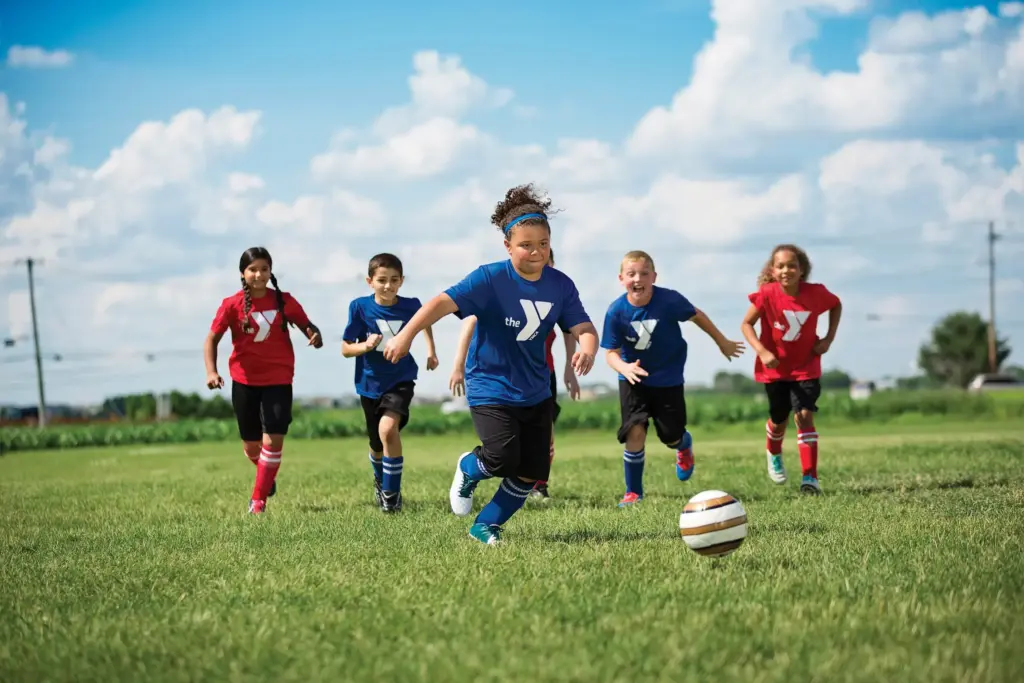
Youth sports have emerged as a vital aspect of childhood and adolescent development, providing countless benefits that extend beyond physical fitness. Engaging in organized activities like soccer, basketball, and gymnastics helps in developing young athletes’ motor skills, teamwork principles, and social interactions. The benefits of youth sports include not only improved health but also enhanced self-esteem and a reduction in anxiety, fostering a healthier mental outlook. However, it’s essential to recognize the challenges in youth sports, such as parental pressure and the risk of burnout, which can diminish the joy of participating in sports for children. By addressing these challenges while promoting the numerous advantages of youth athletic programs, we can create an environment where children flourish both on and off the field.
When discussing youth athletics, one should consider the broader spectrum of activities designed for children’s physical education and skill development. Activities for youngsters not only encompass competitive sports but also recreational games aimed at enhancing their physical well-being. These sporting opportunities encourage young participants to learn critical life lessons such as cooperation, commitment, and the significance of teamwork in youth sports. While focusing on the importance of nurturing young talent, it’s equally vital to overcome the hurdles faced by these aspiring athletes, including the prevalence of over-competition and unequal access to resources. Ultimately, fostering a supportive atmosphere for budding sports enthusiasts can lead to a profound impact on their overall growth.
Understanding the Importance of Youth Sports
Youth sports have rapidly evolved into a fundamental aspect of child development, emphasizing not only physical fitness but also crucial life skills. Engaging in sports at a young age contributes significantly to a child’s overall well-being, promoting resilience, responsibility, and optimism. The essence of youth sports lies in their ability to shape character traits that will serve players well into adulthood.
Moreover, youth sports serve as a valuable space for children to explore their interests, fostering a sense of community and belonging. These programs instill values such as hard work and sportsmanship while providing an avenue for children to channel their energy positively, ensuring their developmental needs are met in a constructive setting.
Benefits of Youth Sports: Physical and Mental Health
Participating in youth sports offers an array of physical health benefits. Regular activity helps children maintain a healthy weight, decreases the risk of chronic illnesses, and enhances cardiovascular health. Sports also improve muscle and bone strength, essential for young, growing bodies. For instance, activities like soccer and basketball promote endurance, agility, and coordination—key components of physical fitness in children.
On the mental health front, the benefits are equally compelling. Youth sports participation has been linked to lower levels of anxiety and depression. As young athletes engage in physical activities, their brains release endorphins, frequently referred to as ‘feel-good’ hormones, which elevate mood and boost overall psychological well-being. The discipline instilled through sports also aids in developing focus and goal-setting capabilities, essential skills that translate into academic success.
Teamwork and Social Skills Development in Youth Sports
One of the most significant social advantages of participating in youth sports is the development of teamwork and collaboration skills. Children learn to work together towards a common goal, an experience that fosters cooperation and mutual respect. These interactions teach young athletes the importance of communication, conflict resolution, and empathy, which are invaluable in both sports and everyday life.
Furthermore, sports environments encourage children to make new friends and develop lasting relationships. They gain a sense of camaraderie that often extends beyond the playing field, contributing to their social networks. This ability to build relationships is foundational for personal growth and can help mitigate feelings of isolation often experienced during childhood.
Time Management and Discipline Through Sports
Participation in youth sports requires a level of commitment that teaches children valuable time management skills. Balancing practice, games, and academic responsibilities tasks young athletes with learning how to prioritize their activities effectively. This skill is crucial for helping them manage future commitments, such as jobs and family responsibilities.
Additionally, the discipline learned through regular training and competition fosters a strong work ethic. Young athletes understand the effort required to improve their skills and achieve success, prompting them to apply this discipline to other areas of their lives, including academics and personal pursuits. This insight can significantly bolster their confidence and self-esteem as they navigate their formative years.
Overcoming Challenges in Youth Sports: Parental Pressure
A major challenge in youth sports is the pressure exerted by parents who often want their children to excel. While motivation can be beneficial, excessive pressure can lead to stress, burnout, and ultimately, a disinterest in the sport itself. It is crucial for parents to understand the importance of fostering a positive sports environment that prioritizes enjoyment over victory.
In addressing this challenge, open communication between coaches, parents, and young athletes can help to ensure that sports remain a source of enjoyment and growth. Creating an atmosphere that celebrates effort rather than solely focusing on outcomes can enhance children’s experiences and maintain their passion for sports.
Injury Risks and Prevention in Youth Sports
While youth sports offer numerous benefits, they also come with inherent risks of injury, particularly as children push their physical limits during practice and game scenarios. Common injuries such as sprains, strains, and fractures can be prevalent among young athletes. Therefore, awareness and education regarding proper training techniques and safety measures are essential for minimizing risks.
Prevention strategies, such as proper warm-up routines, use of appropriate equipment, and ensuring adequate rest, can significantly reduce the likelihood of injuries. Coaches and parents should collaborate to educate young athletes on the importance of listening to their bodies and not pushing through pain, thereby fostering a safer sporting environment.
Promoting Inclusivity in Youth Sports
Inequities in access to youth sports can significantly affect a child’s opportunity to participate and develop in athletics. Socioeconomic barriers often prevent children from accessing quality coaching, facilities, and equipment. Organizations must prioritize inclusivity by offering scholarships and community programs that provide resources to underprivileged youth.
Creating an inclusive environment not only benefits individuals but also enriches the overall sports community. Diverse teams foster understanding, enhance cooperation, and build confidence in all athletes, regardless of their background. By championing inclusivity, organizations can help cultivate a love for sports among children from all walks of life.
Preventing Burnout in Young Athletes
Burnout is a critical issue that can deter children from continuing their participation in sports. With the pressures surrounding performance and competition, young athletes may feel overwhelmed, leading them to become disengaged. Recognizing the signs of fatigue is crucial for parents and coaches to keep the passion for the game alive.
To combat burnout, it is essential to allow young athletes to explore multiple sports or engage in a variety of physical activities. This variety not only keeps the experience fresh and enjoyable but also promotes well-rounded athletes capable of developing different skills. Encouraging breaks and a balanced approach to training can greatly enhance their long-term enthusiasm for sports.
Building a Supportive Environment for Young Athletes
Fostering a supportive environment is key to maximizing the benefits of youth sports while mitigating the associated challenges. Parents, coaches, and community leaders should collaborate to create an atmosphere that emphasizes encouragement over pressure. This approach allows children to thrive, learning to celebrate both their successes and their failures.
Moreover, integrating educational resources about injury prevention, mental health, and teamwork into youth athletic programs can equip young athletes with the necessary skills to navigate their sporting journey. Ensuring all parties involved understand their roles in nurturing these young athletes’ development will cultivate a healthier, more supportive sports culture.
Frequently Asked Questions
What are the benefits of youth sports for young athletes?
Youth sports offer numerous benefits, including improved physical health, mental development, and enhanced social skills. Children who participate in sports experience better cardiovascular health, boost their self-esteem, learn teamwork, and develop discipline through balancing sports and academics.
How do youth athletic programs contribute to child development?
Youth athletic programs foster essential life skills such as teamwork, cooperation, and time management. By engaging in organized sports, children gain confidence and experience setting and achieving goals, which are vital for their overall development.
What challenges do young athletes face in youth sports?
Young athletes face challenges such as parental pressure, risk of injury, and burnout. These issues can detract from the enjoyment of sports, emphasizing the need for a supportive environment that promotes fun and personal growth over competitiveness.
Why is teamwork important in youth sports?
Teamwork in youth sports teaches children how to cooperate with others towards common goals. It enhances social interactions and helps them develop communication skills, which are beneficial both on and off the field.
What measures can be taken to prevent injuries in youth sports?
To minimize the risk of injuries, coaches should focus on proper training techniques, educate young athletes about injury prevention practices, and emphasize the importance of warming up and cooling down during sports activities.
How can parents support their children in youth sports?
Parents can support their children by encouraging them without pressure, promoting enjoyment in sports, and being actively involved in their athletic journey. It’s important for parents to value participation and effort over winning.
What role do youth sports play in enhancing a child’s self-esteem?
Participation in youth sports can significantly boost a child’s self-esteem. Achievements, such as winning a game or mastering a skill, contribute to a positive self-image and encourage children to tackle challenges in other areas, including academics.
Why is a balanced approach to youth sports important?
A balanced approach in youth sports encourages multi-sport engagement, helping to prevent burnout and over-specialization. This not only enhances skill development but also ensures that children enjoy a broader sporting experience.
How can sports programs address inequality in youth sports participation?
Sports programs can address inequality by providing scholarships, access to equipment, and quality coaching for underprivileged children. Ensuring inclusivity in sports helps all youth benefit from the developmental advantages of participation.
What psychological benefits do children gain from participating in youth sports?
Children involved in youth sports experience enhanced mental well-being, including reduced anxiety and improved mood. Engaging in physical activity helps develop focus, resilience, and problem-solving skills, beneficial for their overall mental health.
| Key Aspects | Details |
|---|---|
| Introduction to Youth Sports | Youth sports contribute to physical health, mental development, social skills, discipline, and self-esteem. |
| Benefits of Youth Sports | 1. Physical Health and Fitness: Regular activity combats obesity and promotes health. 2. Mental Development: Enhances cognitive skills, reduces anxiety, and boosts mood. 3. Social Skills: Teaches teamwork and communication. 4. Discipline: Instills time management and responsibility. 5. Confidence: Achievements boost self-esteem. |
| Challenges in Youth Sports | 1. Parental Pressure: Risk of burnout due to excessive competition. 2. Risk of Injury: Potential for sprains and fractures. 3. Inequality in Resources: Disparities in access to sports opportunities. 4. Burnout: Over specialization and pressure can lead to exhaustion. |
| Support for Young Athletes | 1. Encouragement over Pressure: Foster a supportive environment. 2. Education on Injury Prevention: Teach warm-up and safety practices. 3. Inclusivity: Offer resources and scholarships for participation. 4. Balanced Approach: Promote involvement in multiple sports. |
Summary
Youth sports play a critical role in the development of children and adolescents, contributing significantly to their physical fitness and personal growth. Engaging in various sports activities equips young athletes with essential life skills such as discipline, teamwork, and resilience, which are vital for their overall development. However, it is imperative to recognize and mitigate the challenges associated with youth sports, such as parental pressure and the risk of injury, to ensure a positive experience for all participants. By creating a supportive and inclusive environment, we can help maximize the benefits of youth sports, fostering a generation of healthy, confident, and well-rounded individuals.

