Listen to this article
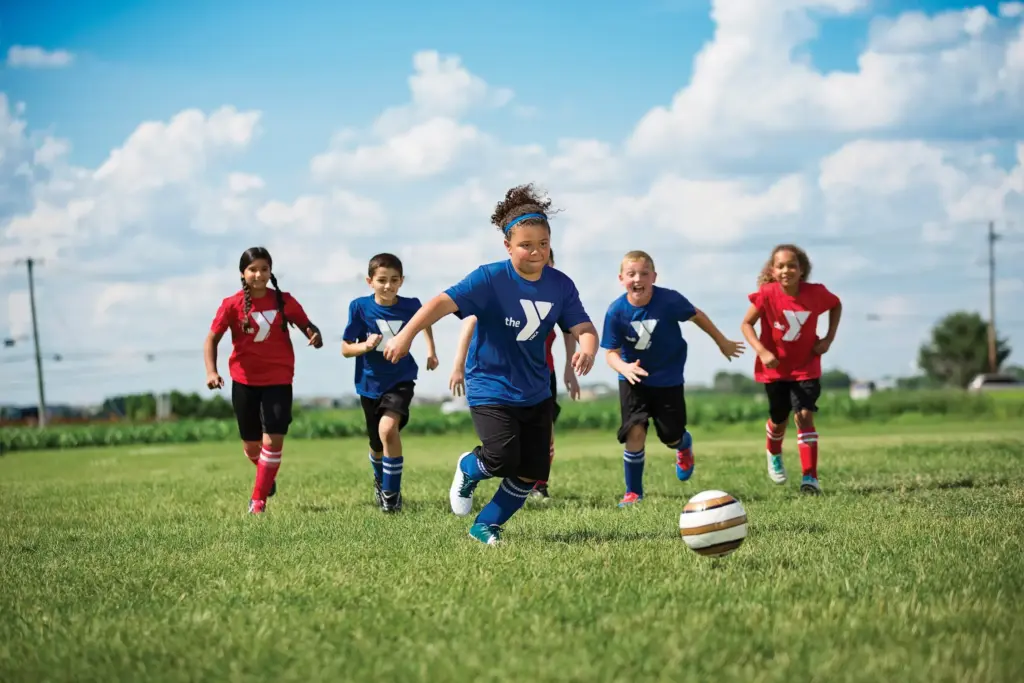
Youth sport plays a crucial role in shaping children’s physical and emotional development in today’s fast-paced society. With the rising concerns surrounding childhood obesity and the need for increased physical activity among children, engaging them in sports from an early age can provide myriad benefits. Not only does participation in youth sports foster teamwork in sports, but it also promotes vital life skills such as discipline and communication. Additionally, the benefits of youth sports extend beyond mere physical health, influencing academic performance and emotional well-being. By prioritizing youth sport, we empower children to adopt a healthy lifestyle that emphasizes the importance of fitness and social interaction.
Youth athletics represents an essential opportunity for children to engage in physical fitness and build strong social foundations. As youngsters explore various sports activities, they gain significant advantages that contribute to their overall well-being. This involvement nurtures essential habits that combat issues like childhood obesity while instilling values centered around teamwork and cooperation. The positive impact of active participation in sports not only enhances physical activity but also cultivates skills that are applicable in academic settings and life beyond. Emphasizing children’s sports experiences can lead them toward a brighter, healthier future.
The Impact of Childhood Obesity on Youth Sports Participation
Childhood obesity has emerged as a significant concern in contemporary society, impacting children’s health and their ability to engage in physical activities. A direct correlation exists between increased screen time, unhealthy dietary habits, and rising obesity rates. This reality highlights the critical need for early intervention through youth sports programs. By engaging children in sports, we pave the way for them to adopt healthier lifestyles, empowering them to make better eating choices and be active participants in their own health management.
Moreover, youth sports can serve as a powerful tool in combating the childhood obesity epidemic. As children participate in regular physical activity through structured sports programs, they not only lose excess weight but also develop a positive relationship with exercise and health. The skills learned in sports, like understanding nutritional value and fitness habits, often persist into adulthood, leading to a generation that prioritizes health and well-being.
Youth Sports Benefits: Promoting Physical Activity and Health
The benefits of youth sports extend far beyond mere physical activity; they foster a holistic approach to health. Participating in sports engages children in various forms of physical exercise that enhance their strength, endurance, and coordination. Regular participation can lead to significant improvements in cardiovascular health, muscle development, and overall physical fitness, which are vital for fighting obesity and promoting longevity.
In addition, involvement in youth sports has a cascading effect on other health dimensions, including mental health. Physical activity is known for its mood-lifting benefits, including reduced anxiety and depression levels. Hence, engaging in youth sports not only helps in body weight management but also cultivates a positive mindset, exemplifying the interlinking nature of physical and mental health.
Cultivating Teamwork in Sports: Essential Life Skills
Teamwork in sports is more than just an essential element for winning games; it is a critical life skill that children develop through participation in youth sports. By working alongside teammates, children learn to communicate effectively, strategize together, and support each other both on and off the field. These experiences help to build trust and empathy, both vital components of effective teamwork in any future career.
Additionally, sports provide children with opportunities to navigate conflict and learn the importance of compromise. As they face challenges and celebrate victories together, they cultivate relationships that encourage collaboration and effective communication. These skills, nurtured in a sporting environment, translate directly into academic settings and future workplace interactions, establishing a solid foundation for personal and professional relationships.
Developing Discipline through Youth Sports Engagement
Discipline is a cornerstone of success in both sports and life, and youth sports offer kids the perfect opportunity to cultivate this vital skill. Through regular training, children learn the importance of commitment and focus, essential attributes that extend beyond the sporting arena. Managing practice schedules alongside schoolwork requires them to develop time management skills and prioritize their responsibilities.
Moreover, adhering to the rules and protocols of their sports teaches children about accountability. As they learn to respect authority figures such as coaches and referees, they also foster a sense of respect for the rules of life. This early training in discipline equips children with the resilience needed to face academic and personal challenges later in life.
Enhancing Academic Performance Through Youth Sports Participation
There is a growing body of research that supports a direct link between physical activity and academic performance. Children who engage in youth sports show improved concentration, enhanced memory, and better cognitive function overall. This boost in academic performance can often be attributed to the routine brought by sports participation, which helps structure their time effectively, leaving them focused and ready for their studies.
Furthermore, the confidence gained through athletic achievements can spill over into academic pursuits. When children see themselves succeed in sports—whether through improvement in skills or teamwork—they are more likely to transfer that self-assurance to their schoolwork. As they learn to tackle challenges on the field, they also grow empowered to face academic obstacles, creating a cycle of success in multiple facets of their lives.
Exploring Lifelong Benefits of Youth Sports Participation
Engaging in youth sports opens up a realm of lifelong benefits that can shape a child’s future. Beyond physical health, the lessons learned through sports, such as leadership, resilience, and the importance of collaboration, foster well-rounded individuals ready to tackle various challenges in life. Children who participate in sports are more likely to carry these characteristics into adulthood, benefiting both their personal relationships and career aspirations.
Moreover, early exposure to a variety of sports can lead to a wealth of opportunities, from lifelong fitness habits to potential scholarships for higher education. Even for those who do not continue with sports into their adult life, the experiences gained through teamwork and competition leave lasting impressions that can influence their decisions and interactions for years to come.
The Role of Parents in Youth Sports Engagement
Parents play an instrumental role in encouraging their children’s participation in youth sports. By actively supporting their child’s interests and commitment to sports, parents not only foster their physical health but also contribute emotionally and psychologically to their child’s development. When parents engage positively in their child’s sports journey, it reinforces their value in health and teamwork, creating a safe environment for growth.
However, it’s essential for parents to strike a balance between encouragement and pressure. Overloading children with expectations can lead to stress and burnout. Instead, celebrating effort and personal improvement instills a lifelong love for sports and physical activity, helping children understand that their self-worth is not solely tied to winning but is also reflected in their dedication and discipline.
Creating Supportive Youth Sports Environments
As communities recognize the benefits of youth sports, there is an increasing responsibility to create supportive environments where children can thrive. This encompasses not just adequate facilities and qualified coaches, but also a culture that promotes inclusivity and respect. When children feel welcomed and safe, they are more likely to engage actively and develop a profound love for sports and physical activity.
A positive sports environment also includes the active participation of parents, coaches, and community members in various roles, fostering a sense of belonging. When support systems work collaboratively, children feel encouraged to pursue their interests in sports, resulting in higher participation rates and improved outcomes related to health and social skills.
Conclusion: Fostering Early Youth Sport Participation
In conclusion, early engagement in youth sports is a crucial aspect of holistic childhood development. By prioritizing participation from a young age, we can help combat childhood obesity, cultivate invaluable life skills, and build a foundation for lifelong health and happiness. The intersection of physical activity and personal growth highlights the multifaceted value of youth sports beyond mere play.
Ultimately, as a community, we must collectively advocate for youth sports programs, ensuring they are accessible and adequately supported. In doing so, we not only invest in the present health of our children but also in their future as active, responsible citizens who value health, teamwork, and discipline.
Frequently Asked Questions
What are the key benefits of youth sports for children’s health?
Youth sports play a crucial role in promoting physical activity, helping combat childhood obesity, and fostering lifelong healthy habits. Regular participation in sports strengthens muscles and bones, enhances cardiovascular fitness, and encourages active play over sedentary screen time.
How do youth sports help in preventing childhood obesity?
Engaging in youth sports helps combat childhood obesity by encouraging children to adopt active lifestyles. Those involved in organized sports develop healthy habits that lead to better weight management and physical fitness compared to their inactive peers.
What social skills do children develop through participation in youth sports?
Youth sports enhance teamwork, communication, and cooperation skills. Being part of a team allows children to interact with peers, build friendships, and learn to work towards common goals, which are valuable skills in both sports and everyday life.
How do youth sports contribute to academic performance?
Research indicates a strong link between physical activity and academic success. Children engaged in youth sports often perform better in school due to improved concentration, cognitive function, and stress management, fostering a cycle of engagement in both sports and academics.
What discipline and time management skills can children learn from youth sports?
Participation in youth sports promotes discipline by requiring adherence to training schedules and team commitments. Children also enhance their time management skills as they balance sports, homework, and family responsibilities, which prepares them for future challenges.
How can youth sports enhance children’s emotional well-being?
Youth sports positively impact children’s emotional health by reducing anxiety and boosting mood. Physical activity during sports helps children cope with emotional highs and lows, improving their overall emotional resilience.
What types of youth sports can children participate in?
There is a wide variety of youth sports available, including traditional options like soccer and basketball, as well as alternative activities such as martial arts, dance, and swimming. This diversity allows children to explore different interests and find their passion.
How does engaging in youth sports promote teamwork?
Youth sports inherently require teamwork as players must collaborate to achieve common objectives. This experience teaches children the importance of working together, fostering a strong sense of camaraderie and collective problem-solving skills.
What lifelong habits do children develop through youth sports participation?
Involvement in youth sports establishes lifelong habits of physical activity, social interaction, and resilience. These habits can lead to healthier lifestyles and better interpersonal skills throughout adulthood.
Why is early engagement in youth sports important for childhood development?
Early engagement in youth sports is essential as it lays a foundation for a healthier lifestyle, develops social skills and discipline, and enhances academic performance, ultimately shaping well-rounded individuals.
| Key Point | Description |
|---|---|
| Building a Healthy Lifestyle | Engaging youth in sports promotes healthy habits and combats childhood obesity, leading to lifelong fitness. |
| Social Skills Development | Team sports foster teamwork, cooperation, and communication, essential social skills for children. |
| Discipline and Time Management | Youth sports teach children discipline and time management, skills that benefit them in school and life. |
| Enhancing Academic Performance | Active children perform better academically, as physical activity enhances cognitive function and reduces stress. |
| Lifelong Habits and Opportunities | Early sports engagement builds lifelong habits of physical activity and creates potential future opportunities. |
Summary
Youth sport is essential for children’s development, particularly through early engagement in physical activities. Early participation in youth sports lays the foundation for a healthier lifestyle, enhances social skills, and fosters discipline that benefits them in various life aspects. Encouraging children to engage in sports not only tackles issues like childhood obesity but also cultivates teamwork and cooperation, vital for their social growth. Furthermore, involvement in sports can boost academic performance and instill valuable life habits that last a lifetime. It is crucial for parents and educators to recognize the significance of youth sports and to create supportive environments that promote active participation. This journey in youth sports can pave the way for a bright and successful future for our children.