
Listen to this article
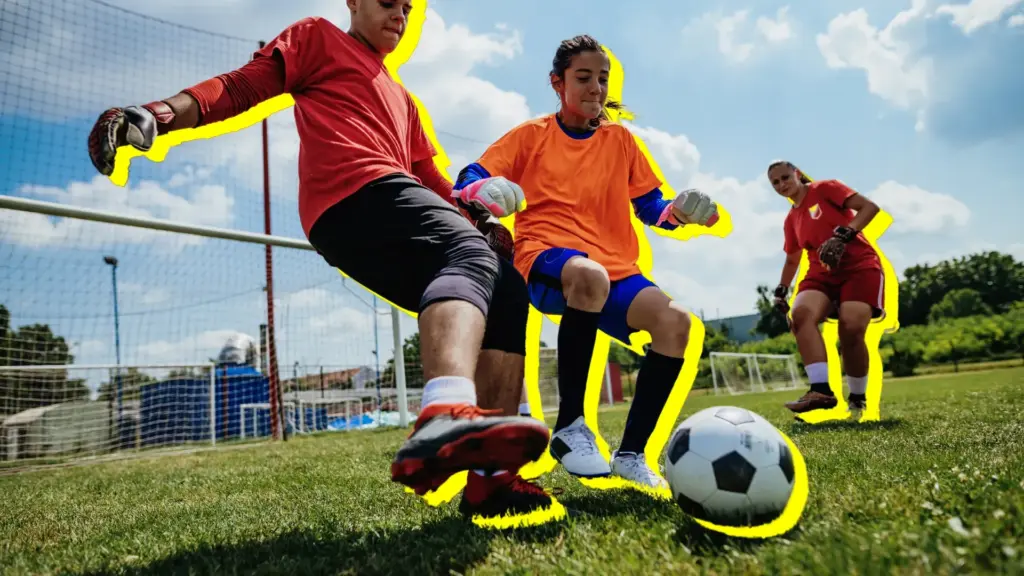
Youth engagement in sport is fundamental to developing lifelong fitness habits and ensuring a healthy future for our younger generations. In a world increasingly dominated by screens and sedentary activities, prioritizing youth sports participation has never been more important. Engaging in physical activity for kids doesn’t just enhance their physical health; it also fosters essential skills such as teamwork, discipline, and resilience that contribute to their overall development. The benefits of sports extend beyond just fitness, as they also promote mental well-being and social skills, helping youth navigate life’s challenges more effectively. By creating inclusive environments and focusing on fun, we can inspire a passionate commitment to fitness habits for youth that lasts a lifetime.
Involving young people in athletic endeavors is essential for promoting their overall health and development. Youth sports provide opportunities for children to engage in various physical activities while enhancing social skills and emotional resilience. As they participate in sports for youth development, children not only improve their fitness but also learn vital life lessons, including perseverance and teamwork. By cultivating an inclusive atmosphere where every child feels welcome and excited to be active, we set the stage for a healthier generation. Encouraging active lifestyles fosters enduring fitness habits, ultimately contributing to a more vibrant and well-rounded community.
Understanding the Impact of Youth Sports Participation
Youth sports participation is not only a means to physical fitness but also a catalyst for various developmental benefits. Engaging in sports helps children develop a range of motor skills, from coordination to agility, which are crucial for their overall physical development. The active lifestyle nurtured through sports can significantly reduce the likelihood of obesity in children, setting a precedent for a healthy lifestyle in adulthood. Additionally, the dedication required for sports fosters discipline, encouraging youth to set and achieve personal goals beyond athletics.
Moreover, youth sports participation enhances social interactions and communication skills. Children learn to work as part of a team, developing trust and camaraderie with their peers. These experiences equip them with social skills necessary for future endeavors, both personally and professionally. The friendships formed on the playing field can last a lifetime, providing young athletes with a solid support network. Through these connections, youth gain a sense of belonging and community, further reinforcing the importance of engaging in physical activities.
The Mental Health Advantages of Sports for Youth
The mental health advantages of engaging in sports are profoundly impactful for youth. Regular participation in physical activity is shown to reduce symptoms of anxiety and depression, providing an essential outlet for stress relief. When children engage in sports, they stimulate the production of endorphins—hormones often referred to as ‘feel-good’ hormones—that help improve mood and emotional resilience. This natural boost in happiness is vital during a time in their lives filled with academic and social pressures.
Additionally, youth who participate in sports often experience enhanced self-esteem and confidence. Overcoming challenges in sports—be it finishing a race or scoring a goal—instills a sense of achievement in young athletes. This sense of accomplishment can translate into other areas of their lives, encouraging them to take on academic challenges and aiming higher. Furthermore, being a part of a team reinforces the feeling of acceptance and belonging, elements that are crucial for mental well-being during the formative years.
Building Fitness Habits Through Sports Engagement
Building fitness habits through youth engagement in sports is essential for instilling a love for physical activity that lasts a lifetime. The early exposure to structured physical activities helps children understand the importance of regular exercise, making it a natural part of their daily routine. Such habits, if nurtured, can lead to healthier lifestyles well into adulthood. Encouraging youth to view physical activity as a fun and enjoyable experience rather than a chore sets a strong foundation for lifelong fitness.
Moreover, the variety offered by sports allows children to explore different activities, helping them discover what they truly enjoy. This discovery process is critical in ensuring that they engage with exercise throughout their lives. When children have the opportunity to try numerous sports—be it soccer, basketball, or swimming—they are more likely to develop personal interests that keep them physically active long after the structured youth sports programs have ended.
Enhancing Social Skills Through Team Sports
Enhancing social skills through team sports is one of the most underappreciated aspects of youth athletics. In team settings, young athletes learn to collaborate, communicate, and support one another—traits that are invaluable as they progress into adulthood. The collaborative nature of team sports requires players to listen effectively, negotiate, and compromise with one another, which enhances their interpersonal skills and prepares them for future professional environments.
Additionally, the competitive aspect of sports provides a structured environment for conflict resolution. Whether it’s learning how to handle losing gracefully or celebrating others’ successes, youth sports create opportunities for young people to navigate diverse interactions. The lessons learned in these environments can translate to improved relationship management skills in their personal and professional lives, leading to more harmonious interactions as they grow older.
Barriers to Youth Engagement in Sports
Barriers to youth engagement in sports can significantly hinder participation rates and impact the physical activity levels in many communities. One major barrier is the increasing prevalence of sedentary lifestyles, particularly among youth who are attracted to screens and digital entertainment. The allure of video games and social media often overshadows outdoor play and active sports participation, contributing to a downward trend in physical activity.
Another critical barrier is the accessibility of sports programs. In many areas, particularly underprivileged communities, resources for organized sports may be scarce or entirely unavailable. Without adequate facilities, funding, and trained coaches, children may not have the opportunities to participate in sports, leading to a lifelong deficit in fitness habits and health awareness. Addressing these barriers requires community-level initiatives that prioritize accessibility and engagement in sports for all youth.
Strategies for Increasing Youth Sports Participation
Implementing effective strategies for increasing youth participation in sports involves understanding the unique needs and interests of children. Starting them early in various sports exposes them to the joy of physical activity and helps identify their passions. Introducing diverse programs that cater to different interests—including both competitive and recreational sports—ensures that every child finds an activity they enjoy. This approach encourages sustained engagement over time as children develop their skills and interests.
Additionally, placing an emphasis on fun rather than competition can enhance youth participation rates. When sports are perceived as enjoyable, children are more likely to remain active and engaged. Programs that incorporate game-like activities and recreational play can cultivate a positive attitude toward physical activity, making it a regular component of their lives. This shift towards enjoyment helps mitigate the pressure and stress often associated with competitive youth sports, ultimately fostering a healthier engagement with sports.
The Role of Schools in Promoting Youth Sports
Schools play a pivotal role in promoting youth sports participation and encouraging physical activity among students. By integrating comprehensive physical education programs into the school curriculum, educators can provide structured opportunities for students to engage in various sports. These programs can help develop essential physical skills while instilling the values of teamwork, perseverance, and competition. When schools prioritize physical education, they underscore the importance of an active lifestyle.
Moreover, schools can serve as a community hub for sports, offering after-school programs and extracurricular activities that invite students to continue their sports journey beyond the classroom. By providing access to sports facilities and qualified coaches, schools can eliminate barriers that may prevent students from participating in physical activities. Emphasizing collaboration between schools, parents, and community organizations can further enrich the sports programs available, ensuring that youth have ample opportunities to engage in healthy physical activities.
Using Technology to Foster Youth Sports Engagement
Using technology to foster youth sports engagement opens up innovative avenues for motivation and participation. Mobile apps that track performance and fitness goals can create an interactive experience for young athletes. Features such as gamification—where activities become challenges or games—can make fitness fun and appealing, significantly enhancing participation rates. By leveraging social media and online communities, youth can connect, share achievements, and participate in virtual challenges that encourage physical activity.
Additionally, technological tools can assist in promoting fitness habits through educational content. Online tutorials and videos can provide guidance on sports techniques, workouts, and stretching exercises, ensuring that young athletes learn the correct methods to stay safe and injury-free. As technology continues to evolve, combining it with traditional sports approaches can enhance the ways in which youth engage with physical activities, ultimately supporting a culture of fitness and well-being.
Case Studies: Successful Programs in Youth Sports
Examining successful case studies of programs dedicated to youth sports can provide valuable insights into effective strategies for enhancing engagement. For instance, Playworks has transformed recess in U.S. schools by introducing structured play and games that promote inclusion and teamwork. Their approach not only makes recess enjoyable but also teaches children critical social skills. Such successful models highlight the need for inclusive and well-organized programs that cater to youth’s diverse needs.
Another exemplary program is Girls on the Run, which empowers young girls by combining physical activity with lessons on self-esteem and personal growth. The positive outcomes from these initiatives demonstrate that engaging youth in sports programs can lead to holistic development. By focusing on both fitness and character development, these case studies showcase effective practices that other communities can implement to encourage youth sports participation and promote lifelong fitness habits.
Frequently Asked Questions
How can youth sports participation benefit physical health?
Youth sports participation is essential for developing cardiovascular endurance, strengthening muscles, and promoting bone health. Engaging in regular physical activity helps establish a foundation for a healthy lifestyle, ensuring that children remain active into adulthood.
What are some mental health benefits of youth engagement in sports?
Youth engagement in sports positively impacts mental health by reducing stress, anxiety, and depression. Participation releases endorphins, enhancing mood, while teamwork fosters a sense of belonging and self-worth.
What can parents do to promote fitness habits for youth?
Parents can promote fitness habits for youth by encouraging participation in various sports, emphasizing the fun aspect of physical activities, and actively participating alongside their children in sports or fitness challenges.
What types of sports are best for youth development?
A diverse range of sports, including team sports like soccer and basketball as well as individual sports like swimming and running, can be beneficial for youth development, helping kids learn vital life skills and social interactions.
How do inclusive sports programs increase youth sports participation?
Inclusive sports programs create environments welcoming to children from all backgrounds, addressing accessibility issues and ensuring that every child can participate in sports, thus boosting overall engagement and participation rates.
What role do schools play in promoting youth engagement in sports?
Schools play a pivotal role in promoting youth engagement in sports by implementing comprehensive physical education programs, providing opportunities for regular physical activity, and fostering an environment where students feel encouraged to participate.
How does technology enhance youth sports participation?
Technology enhances youth sports participation through fitness apps and social media platforms that track progress, set challenges, and connect peers, making fitness more engaging and motivating for young athletes.
What challenges do we face in increasing youth sports participation?
Challenges include the increasing prevalence of sedentary lifestyles due to technology, limited access to sports facilities in some communities, and competitive pressures that can discourage participation among young athletes.
Why is it important to start youth engagement in sports early?
Starting youth engagement in sports early allows children to explore different activities, discover their interests, and establish healthy physical activity habits that can last a lifetime.
What strategies can communities use to boost youth participation in sports?
Communities can boost youth participation in sports by offering diverse sports programs, ensuring inclusivity, promoting role models, providing family involvement opportunities, and leveraging technology to engage youth actively.
| Key Point | Details |
|---|---|
| Youth Engagement in Sports | Crucial for promoting lifelong fitness habits among youth and countering sedentary lifestyles. |
| Physical Activity Importance | Regular physical activity (60 minutes daily as per WHO) is fundamental for health during youth. |
| Mental Health Benefits | Sports reduce stress and anxiety, boosting mood through endorphin release and fostering a sense of belonging. |
| Social Skills Development | Involvement in team sports enhances communication, conflict resolution, and goal-oriented behavior necessary for personal and professional life. |
| Strategies to Increase Participation | Start early, provide diverse programs, focus on fun, create inclusive environments, promote role models, involve families, leverage technology, and improve school programs. |
| Challenges | Combat sedentary lifestyles, lack of access to facilities, and societal pressures in competitive sports. |
Summary
Youth Engagement in Sport is paramount for nurturing a culture of lifelong fitness among the younger generation. By facilitating opportunities for youngsters to participate in sports, communities can effectively combat the increasing trends of sedentary lifestyles driven by technology. Engaging youth in sports not only enhances their physical health and fosters mental well-being, but also instills critical social skills and builds resilience. With inclusive programs that focus on enjoyment, and by overcoming barriers to participation, we can create environments where young individuals thrive and develop healthy habits that last a lifetime. The continued effort to encourage youth in sports will lead to a healthier, happier future for individuals and society at large.

