
Listen to this article
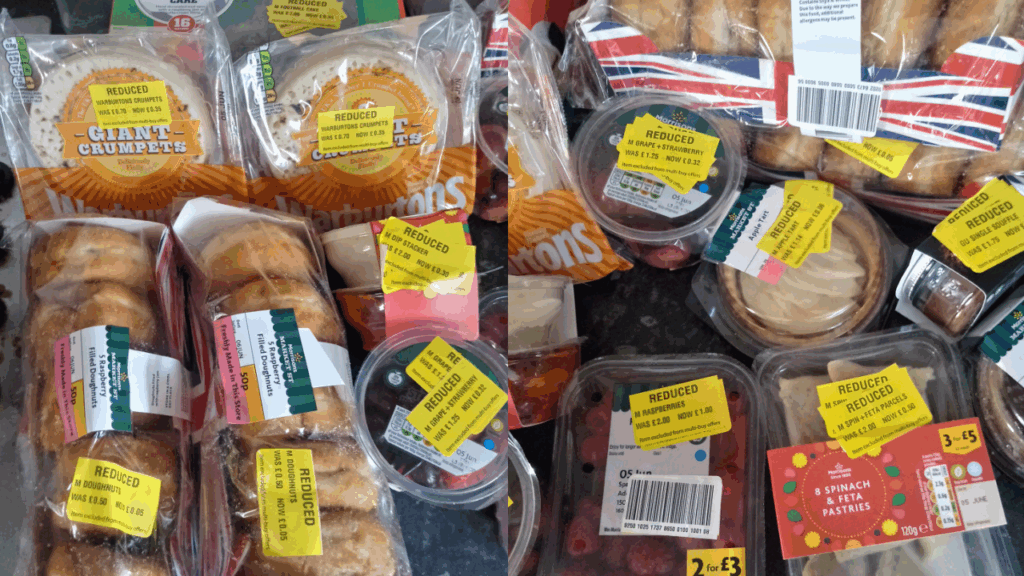
Yellow sticker shopping is more than just a savvy shopping strategy; it’s a lifestyle choice that can transform the way you approach discount grocery shopping. By hunting for marked-down items nearing their expiration dates, savvy shoppers like NHS worker Laura Gaga have saved substantial amounts, all while embracing a zero waste lifestyle. This method not only allows for budget meal planning but also encourages mindful eating habits, as one learns to appreciate the creativity behind cooking with what’s available. Laura’s journey illustrates how sustainable shopping can lead to financial freedom, enabling her to effectively live on just £40 a month. Ultimately, yellow sticker shopping fosters a community spirit while reducing food waste, making it a win-win investment for both your wallet and the planet.
Engaging in frugal grocery strategies like hunting for discounted items has become increasingly popular among budget-conscious consumers. This approach, often termed ‘discounted grocery hunting,’ allows individuals to explore various options, from end-of-the-day markdowns to special sales that help minimize expenditure. Not only does this practice benefit personal finances, but it also aligns perfectly with the principles of sustainable living, as it encourages a focus on reducing waste. Adapting meal planning around the availability of these bargains teaches flexibility and resourcefulness while ensuring that shopping remains both exciting and impactful. Embracing this way of shopping can lead to healthier dietary choices and a more thoughtful engagement with food overall.
The Benefits of Yellow Sticker Shopping
Yellow sticker shopping is a transformative method that allows consumers to take advantage of discounts on items nearing their expiration dates, providing substantial savings. For shoppers like Laura Gaga, this strategy isn’t just about saving money; it’s also about sustainability and reducing food waste. By purchasing discounted goods, consumers contribute to a more circular economy that lowers the need for food production and cuts down on landfill contributions.
Moreover, engaging in yellow sticker shopping can inspire a more creative approach to meal preparation. Instead of following a strict shopping list, consumers can build their meals around available discount items. This adaptability not only fosters a more diverse diet but also encourages an innovative mindset, transforming grocery shopping into an enjoyable and fulfilling experience.
Sustainable Shopping: Making a Difference
Sustainable shopping is becoming increasingly vital as the world grapples with environmental challenges. By adopting practices like yellow sticker shopping, individuals can enjoy significant savings while promoting sustainable practices. Laura’s method of purchasing discounted items exemplifies how consumers can shop responsibly while keeping their budgets in check.
In addition to saving money, sustainable shopping emphasizes mindful choices that consider the environmental impact of our consumption. By focusing on local produce, organic options, and reducing plastic usage, shoppers create a healthier planet. Laura’s commitment to sustainability is further reflected in her zero-waste refill shop, which empowers customers to make eco-conscious decisions while enjoying quality food products.
Mindful Eating and Budget Meal Planning
Mindful eating involves a conscious awareness of food choices, encouraging individuals to appreciate the origins and quality of their meals. For Laura, this practice has been integral to her yellow sticker shopping approach. Instead of buying impulsively, she plans her meals around what’s available at a discount, demonstrating how budget meal planning can yield both health benefits and cost savings.
Through her experience with budget meal planning, Laura has shown that intentional eating habits can evolve from conscious decisions. By preparing meals at home and utilizing leftovers, she minimizes food waste, epitomizing a zero waste lifestyle that other budget-conscious consumers can adopt. This mindful approach transforms not just how we consume food but also how we perceive its value in our lives.
The Role of Community in Sustainable Grocery Shopping
Community plays a crucial role in supporting sustainable grocery shopping practices. Laura frequently uses local sharing apps to connect with others and supplement her food purchases with free items from friends and neighbors. This not only helps her stretch her food budget, but it also fosters a sense of belonging and collaboration, essential elements of a sustainable lifestyle.
Moreover, community initiatives can encourage more individuals to adopt practices like yellow sticker shopping. By sharing resources, knowledge, and food, communities can dramatically reduce waste and promote environmentally friendly habits. Laura’s efforts demonstrate that a collective shift towards conscious consumption leads to a greater impact than individual efforts alone.
Challenging Conventional Grocery Shopping Norms
Conventional grocery shopping often revolves around planned lists and fixed budgets. However, Laura Gaga’s experience challenges those norms by embracing flexibility. Her success with yellow sticker shopping demonstrates that adapting one’s shopping habits based on available discounts can yield both financial savings and a broader range of food experiences.
Adopting a more fluid approach to grocery shopping allows consumers to explore various dietary options. For instance, Laura’s transition to a vegan diet was influenced by the availability of discounted plant-based items. This illustrates how strategic shopping can not only help individuals save money but also inspire a healthier lifestyle.
Maximizing Food Utilization with Smart Strategies
To maximize food utilization, it is crucial to differentiate between ‘use by’ and ‘best before’ dates when shopping. Laura emphasizes the importance of understanding these labels, as they can significantly impact how much food is wasted. By choosing items that are still safe to consume after these dates, shoppers can stretch their budgets further and minimize waste.
Additionally, planning meals around the ingredients on hand enables better food utilization. Laura’s habit of checking her pantry before heading out to shop ensures she uses what she has before buying more, which aligns with a zero waste lifestyle. Strategies like these not only save money but also contribute to a healthier and more sustainable relationship with food.
The Financial Freedom of Smart Shopping
Smart shopping practices like yellow sticker shopping can unlock opportunities for financial freedom. For Laura, saving £29,000 over years of strategic grocery purchasing has allowed her to allocate funds for regular international travel. This illustrates the significant financial benefits that come from a mindful approach to spending, directly enhancing one’s quality of life.
By prioritizing savings and adopting clever shopping strategies, individuals can direct funds toward experiences and adventures rather than just basic necessities. It empowers consumers to live life on their terms, as seen in Laura’s ability to balance budget constraints with personal desires for travel and exploration.
Fostering a Conscious Consumer Mindset
Laura’s dedication to yellow sticker shopping fosters a conscious consumer mindset that motivates individuals to make thoughtful purchasing decisions. This approach challenges the throwaway culture by highlighting the importance of valuing products, understanding their worth, and utilizing them fully before disposal. Such a mindset is crucial for achieving both personal savings and environmental sustainability.
Expanding beyond grocery shopping, cultivating a conscious consumer attitude can impact various aspects of daily life. By paying attention to how and what we consume, we can create a habit of mindful eating and sustainably supporting local economies. This holistic approach benefits not only individual consumers but also the wider community and planet.
Transforming Grocery Shopping into an Enjoyable Experience
Transforming grocery shopping into an enjoyable experience can significantly alter the way we view food and consumption. Laura views her grocery shopping as a treasure hunt, where discovering discounted items adds excitement to the process. This positive outlook can encourage others to approach shopping differently, emphasizing the potential for fun and creativity in finding great deals.
Additionally, engaging with the grocery shopping process allows individuals to connect more deeply with their food sources. By following in Laura’s footsteps, consumers can incorporate elements of adventure and exploration into everyday tasks, making grocery shopping an enriching aspect of their lifestyle. Finding joy in sustainable choices can ultimately lead to greater satisfaction and mindfulness.
Laura’s Legacy: Inspiring Sustainable Lifestyle Changes
Laura Gaga’s journey through yellow sticker shopping not only showcases her personal success story but serves as a source of inspiration for others. Her commitment to sustainable shopping and mindful eating reflects a broader movement towards conscious consumerism that could benefit the planet significantly. By sharing her experiences, Laura encourages others to rethink their purchasing habits and explore options that prioritize sustainability.
Ultimately, Laura’s legacy is a reminder of the significant impact that individual choices can have on the environment and personal health. Her story exemplifies how people can embrace sustainable practices to lead more fulfilling lives, while also inspiring a new generation of conscious shoppers who prioritize reducing waste, saving money, and eating mindfully.
Frequently Asked Questions
What is yellow sticker shopping and how can it help with budget meal planning?
Yellow sticker shopping involves searching for discounted groceries marked with yellow stickers indicating they are nearing their expiration dates. This method can significantly aid in budget meal planning by providing high-quality ingredients at lower prices, allowing you to create delicious meals without overspending.
How does yellow sticker shopping contribute to a sustainable shopping lifestyle?
Yellow sticker shopping supports a sustainable shopping lifestyle by reducing food waste, as it encourages the purchase of items that might otherwise be discarded. By choosing discounted products nearing their expiration, shoppers can help minimize the amount of food waste generated by supermarkets.
Can yellow sticker shopping fit into a zero waste lifestyle?
Absolutely! Yellow sticker shopping complements a zero waste lifestyle by focusing on buying items that are about to expire, which helps prevent food from ending up in landfills. Additionally, by incorporating these discounts into your shopping habits, you can focus on bulk purchasing and ensuring that you utilize items fully before they go bad.
What techniques can enhance yellow sticker shopping success?
To enhance your yellow sticker shopping success, be flexible with your meal planning, frequent stores that typically have good markdowns, and understand the timing of discount reductions. Utilizing local sharing apps can also help you supplement your grocery haul with additional free food, making your budget stretch even further.
How can I adopt mindful eating through yellow sticker shopping?
Yellow sticker shopping promotes mindful eating by encouraging you to embrace what’s available and to cook creatively with discounted ingredients. By planning meals around these items, you can make conscious choices about what you consume, which can lead to healthier eating habits.
What benefits can yellow sticker shopping provide for someone wanting to travel on a budget?
By incorporating yellow sticker shopping into your routine, you can significantly reduce your grocery bills, allowing you to save money for travel. Laura Gaga, for example, uses her savings from smart shopping to fund regular international holidays while living on a tight budget.
How does yellow sticker shopping influence dietary choices?
Yellow sticker shopping can positively influence dietary choices by promoting flexibility in what you buy. As shoppers adapt to purchase discounted items, they may discover new ingredients or healthier options they wouldn’t usually choose, potentially leading to a more varied and nutritious diet.
What role do community resources play in yellow sticker shopping?
Community resources such as local sharing apps, like Olio, play a crucial role in yellow sticker shopping. They allow you to access free food donations and surplus items from neighbors, further enhancing your shopping experience while promoting community connections and reducing waste.
Is it practical to shop every few days for yellow sticker items?
Yes, shopping every two to three days is practical for yellow sticker shopping as it increases your chances of finding discounts. This approach allows you to be more responsive to what is available, build meals around your purchases, and ensure freshness in your groceries.
What is the relationship between yellow sticker shopping and creative cooking?
Yellow sticker shopping fosters creative cooking by encouraging you to make meals with whatever discounted ingredients you find. This practice can lead to unique dishes and innovative ways to use leftovers, ultimately transforming your cooking routine into an exciting challenge.
| Key Point | Details |
|---|---|
| Name | Laura Gaga, NHS worker from West London |
| Savings Achieved | £29,000 through yellow sticker shopping |
| Shopping Method | Purchasing discounted items marked with yellow stickers |
| Monthly Budget | Living on £40 a month while managing other expenses |
| Dietary Changes | Vegan for the past 7 years due to reduced meat availability |
| Community Interaction | Uses local apps for free food donations and sharing |
| Sustainability Efforts | Co-founded ‘Refill Your Cup’, a zero-waste refill shop |
| Mindful Spending | Tracks grocery spending and meal plans around discounts |
| Advice for Others | Be flexible with shopping, understand price reduction timing, and differentiate food dates |
Summary
Yellow sticker shopping is a practical strategy that can lead to substantial savings and a more sustainable lifestyle, as illustrated by Laura Gaga’s experience. By focusing on discounted items and community resources, not only has she reduced her grocery expenses significantly, but she has also embraced a vegan diet and actively contributed to environmental conservation through her zero-waste shop. Laura encourages others to adopt this approach, highlighting the potential for creativity and community engagement in the process of mindful shopping.