Listen to this article
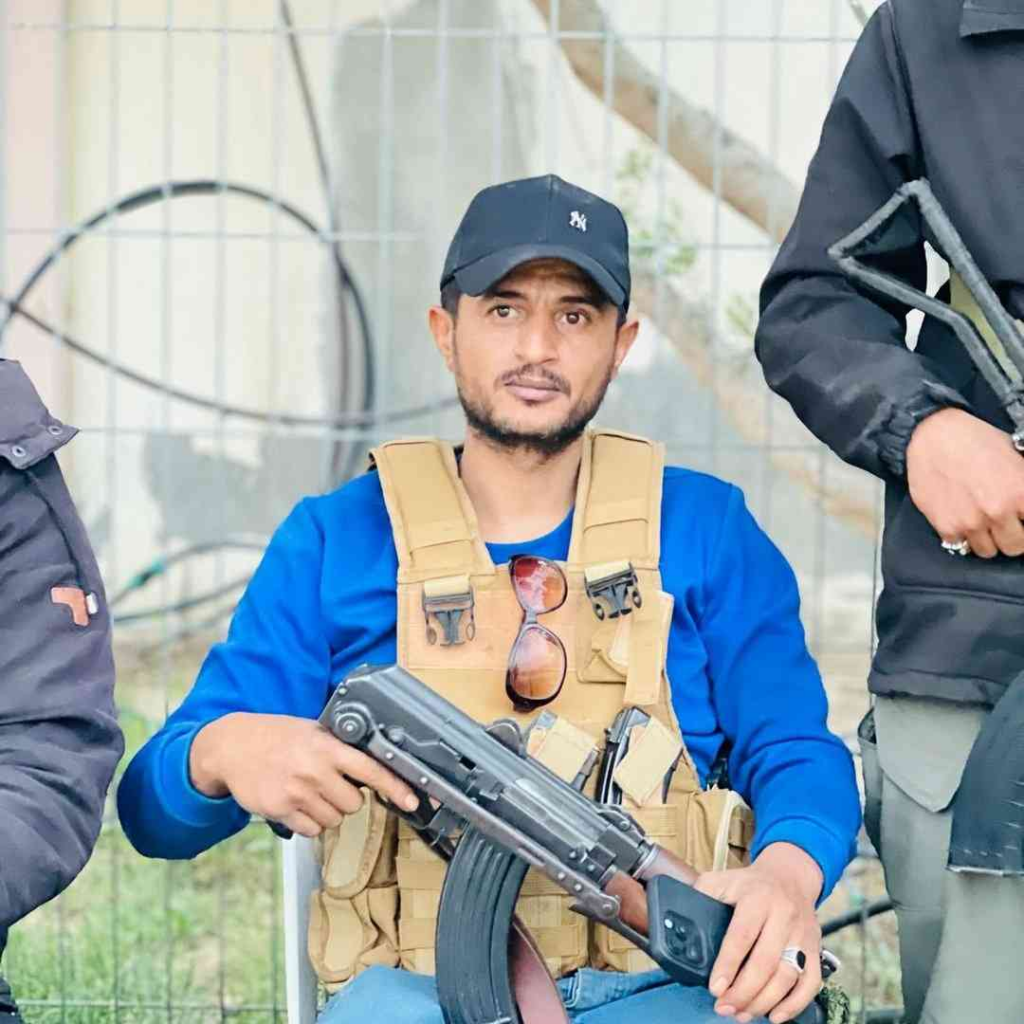
Yasser Abu Shabab, a prominent Gaza militia leader, has made headlines following his tragic death, which has stirred significant controversy in the region. As head of the Popular Forces, an anti-Hamas group operating near Rafah, Abu Shabab was a key figure in the ongoing struggle against Hamas’s dominance in Gaza. Reports indicate that he was shot during conflict resolution efforts within his own faction, raising questions about internal power dynamics amidst escalating tensions. While Hamas has accused him of acting as an agent for Israel, the Popular Forces have vehemently denied these allegations, stating that his death was the result of betrayal from within. This incident has ignited discussions about the future of Gaza’s peace plan, particularly in light of the increasing involvement of anti-Hamas factions like the Popular Forces in shaping the territory’s political landscape.
The recent demise of Yasser Abu Shabab has intensified scrutiny on the internal conflicts within Gaza’s militia leadership, particularly among factions opposing Hamas. Abu Shabab, who led the Popular Forces, was entrenched in a struggle for influence at a time when Gaza’s political future hangs in the balance. His death serves as a stark reminder of the complexities surrounding the various armed groups in the region, where alliances are fragile and accusations of treachery abound. As discussions around a Gaza peace plan continue, the role of groups resisting Hamas will be increasingly pivotal, raising questions about stability and governance in the aftermath of ongoing violence and humanitarian crises.
The Life and Legacy of Yasser Abu Shabab
Yasser Abu Shabab was a central figure in the landscape of Gaza’s militia groups, particularly known for leading the Popular Forces, a group formed to challenge the dominance of Hamas in Palestinian politics. His leadership was marked by a fierce opposition to Hamas’s authority, as Abu Shabab rallied fighters and supporters around a cause that advocated for a more vocal resistance against not only Israeli occupation but also what he viewed as oppressive governance by Hamas. His death has left a significant void in the anti-Hamas movement, raising questions about the future of such factions in the ongoing conflict.
Abu Shabab’s impact extended beyond simple military engagement; he was a symbol of internal dissent within Gaza. The Popular Forces’ pronounced mission was not solely to fight against Israeli forces, but also to establish a newfound sense of agency among Palestinians who felt disenfranchised by existing power structures. In light of his death, many are now evaluating the direction of the Popular Forces and how they will mobilize without a strong and recognized leader like Abu Shabab to unify the anti-Hamas efforts in pursuit of a broader Gaza peace plan.
The Circumstances Surrounding Abu Shabab’s Death
The circumstances of Yasser Abu Shabab’s death are shrouded in controversy and differing narratives. Official statements from the Popular Forces contended that he was killed while attempting to mediate a family dispute, dismissing claims that Hamas was involved in his assassination as misleading. This portrayal starkly contrasts with the accusations made by Hamas, who labeled him a traitor cooperating with Israeli forces against the Palestinian resistance. This narrative battleground underscores the fragile alliances and tensions among various factions operating in Gaza, particularly those opposing Hamas.
Internal power struggles within Gaza’s militia groups have long been a source of violence and conflict. Reports suggest Abu Shabab’s assassination may be tied to such a struggle, reflecting the chaotic and fractured nature of resistance politics in the region. The aftermath of his death highlights ongoing disputes for influence and control among anti-Hamas entities. Hamas’s rhetoric around his death as an inevitable consequence of betrayal further complicates the political landscape, indicating that rivalries may continue to escalate in the vacuum left behind by Abu Shabab.
The death of Yasser Abu Shabab also reignites discussions around the arming of anti-Hamas factions by external forces, including the Israeli government. Prime Minister Netanyahu’s confirmation that Israel was supplying weapons to rival clans in Gaza indicates a significant shift in the power dynamics. This support aims to stabilize the situation in areas traditionally under Hamas influence, suggesting a new strategy that could alter the trajectory of Hamas’s governance. The ongoing conflict may see increased militarization of these anti-Hamas groups as they assert their presence in Gaza.
The Role of the Popular Forces After Abu Shabab
Following the death of Yasser Abu Shabab, the Popular Forces have vowed to continue their commitment to opposing Hamas and reclaiming control over the narratives of resistance in Gaza. This pledge indicates their intentions to capitalize on the growing sentiment among Palestinians seeking alternatives to Hamas’s rule. The Popular Forces assert that they will honor Abu Shabab’s legacy by intensifying their efforts to eliminate what they classify as terrorist threats within Gaza, potentially leading to escalated confrontations with Hamas.
In the wake of their leader’s death, the Popular Forces face the dual challenge of consolidating power amidst competing factions and addressing the accusations of criminal activities, such as looting humanitarian aid. Their response to these allegations will be crucial in maintaining the support of the local population and establishing their legitimacy as a resistance group. Engaging in transparent governance and upholding promises to protect the interests of Palestinians will be vital for their continued survival and relevance in the complex socio-political landscape of Gaza.
The Broader Implications of Abu Shabab’s Assassination
The assassination of Yasser Abu Shabab carries significant implications for the ongoing Gaza peace dialogues and the dynamics of power among Palestinian factions. With the anticipated evolution of the Gaza peace plan, Abu Shabab’s death may shift the alliances and strategies employed by anti-Hamas groups, as they vie for inclusion in any future governance structures. As various factions perceive the vacuum left by Abu Shabab as an opportunity, the risk of increased violence and destabilization rises, further complicating peace efforts in the region.
Additionally, the international community’s response to these developments will be crucial in the moderation or escalation of tensions in Gaza. Reports indicating Israeli support for anti-Hamas factions could provoke further retaliation from Hamas, intensifying the cycle of violence that has devastated the region. The international diplomatic considerations entwined with Abu Shabab’s death underscore the interconnected nature of local struggles and global political pressures. As the situation evolves, each faction’s approach to governance and resistance will significantly impact the region’s future and the feasibility of lasting peace in Gaza.
Yasser Abu Shabab and the Future of Anti-Hamas Fighters
Yasser Abu Shabab’s demise poses a pivotal question regarding the future of anti-Hamas fighters in Gaza. With his leadership now absent, the Popular Forces and similar groups must navigate a new political landscape where their strategies and alliances will determine their effectiveness against Hamas. The internal rifts that led to instability in the past could either provide a moment for reconfiguration or exacerbate the fragmentation within the anti-Hamas movement as they fight for recognition and power.
As anti-Hamas groups strategize their next steps, the potential for collaboration — or conflict — with Israel remains a contested issue. The notion of alignment with external forces offers a tactical advantage, but it simultaneously risks further alienation from the Palestinian populace that may view such collaborations with suspicion. The way forward for these groups will require deft balancing of military goals and political outreach, particularly as they seek to position themselves as legitimate representatives of Palestinian aspirations for both security and autonomy.
The Narrative Wars Post-Abu Shabab’s Assassination
In the politically charged atmosphere of Gaza, the narrative surrounding Yasser Abu Shabab’s assassination will shape the public’s perception of both him and the factions vying for his legacy. The Popular Forces and Hamas are likely to engage in a battle of narratives, with each party attempting to frame the event to bolster their respective positions. The characterization of Abu Shabab either as a martyr for resistance or as a traitor will determine how his death is propagated among the Palestinian people, impacting recruitment and support for opposing factions.
The ongoing narrative wars will not only influence public sentiment but may also draw in international actors who monitor the situation for signs of stability or further conflict. Understanding how these narratives evolve could provide insights into future negotiations and peace plans, especially as external players attempt to mediate between Hamas and other factions. In this context, the stories told about leaders like Abu Shabab become essential in framing Gaza’s conflict and its potential resolutions.
The Intersection of Crime and Resistance After Abu Shabab’s Death
Yasser Abu Shabab’s assassination brings to the forefront the complex intersection of crime, resistance, and governance in Gaza. As the Popular Forces face allegations of criminal activities, including looting humanitarian aid, their legitimacy as a resistance movement is called into question. This scrutiny could hinder their ability to rally support from the populace and complicate their efforts to position themselves as a viable alternative to Hamas.
Addressing these challenges will require the Popular Forces to prioritize accountability and transparency in their operations. Demonstrating a commitment to ethical conduct may help them mitigate negative perceptions, providing an opportunity to redefine their role amid growing skepticism. In a context where power dynamics are fluid, how the Popular Forces respond to these challenges will significantly determine their future within Gaza’s complex socio-political landscape.
Reactions to Yasser Abu Shabab’s Death Across the Region
The death of Yasser Abu Shabab reverberates beyond Gaza, sparking reactions from various factions and states in the region. His assassination has prompted widespread commentary from analysts and political leaders who view the event as indicative of the ongoing struggles among Palestinian factions. Observers anticipate this may lead to a reevaluation of strategies among anti-Hamas groups, who now find themselves at a crossroads faced with both opportunity and adversity.
Regional implications of Abu Shabab’s death may also extend to countries that maintain vested interests in the Israeli-Palestinian conflict. For instance, countries that typically support Hamas may reassess their positions, while Israel’s strategy of supporting anti-Hamas factions is now under scrutiny. As alliances shift and the political landscape evolves, Abu Shabab’s legacy will undoubtedly influence the strategies employed by various actors in the quest for stability and peace.
Frequently Asked Questions
Who was Yasser Abu Shabab and what role did he play in Gaza?
Yasser Abu Shabab was a prominent Gaza militia leader known for his opposition to Hamas. He led the Popular Forces, a militia group operating in areas controlled by Israel near Rafah. His leadership was significant among anti-Hamas groups, especially during recent conflicts.
What happened to Yasser Abu Shabab?
Yasser Abu Shabab was killed in Gaza under controversial circumstances. Reports indicate he was shot while attempting to mediate a dispute among local families. His death sparked various claims regarding the involvement of Hamas and accusations from his own tribe regarding betrayal.
What are the Popular Forces and their relationship to Yasser Abu Shabab?
The Popular Forces is a militia group in Gaza led by Yasser Abu Shabab. This group consists of fighters opposed to Hamas and aims to assert a role in any upcoming Gaza peace plan. Following Abu Shabab’s death, the Popular Forces vowed to continue his mission against terrorism in the region.
How has Yasser Abu Shabab’s death impacted the Gaza peace plan?
Yasser Abu Shabab’s death could influence the dynamics among anti-Hamas groups in Gaza as they seek a role in the evolving Gaza peace plan. His involvement in the resistance against Hamas and his leadership of the Popular Forces positioned him as a key player in negotiations related to peace and stability in the region.
What statements have been made regarding Yasser Abu Shabab’s involvement with Israel?
After Yasser Abu Shabab’s death, Hamas accused him of collaborating with Israel, which the Popular Forces refuted, describing such claims as misleading. Additionally, his tribe blamed him for betraying the Palestinian people, underscoring the complicated narrative surrounding his actions and alliances.
How did the Israeli government respond to the situation involving Yasser Abu Shabab?
Israeli Prime Minister Benjamin Netanyahu confirmed that Israel was arming clans opposed to Hamas, which included groups like the Popular Forces led by Yasser Abu Shabab. This military support aligns with Israel’s strategic interests in the ongoing conflict and peace negotiations.
What was the context of the conflict leading to Yasser Abu Shabab’s death?
The conflict leading to Yasser Abu Shabab’s death is rooted in ongoing hostilities between Hamas and Israel, sparked by a Hamas-led attack in October 2023. The resulting war has seen significant casualties, impacting various factions within Gaza, including anti-Hamas militias like the Popular Forces.
What future role might anti-Hamas groups like the Popular Forces play in Gaza?
Following Yasser Abu Shabab’s death, anti-Hamas groups like the Popular Forces are likely to seek an increased role in any upcoming Gaza peace plan. With ongoing tensions and a desire for influence in the political landscape, these groups are positioning themselves for negotiations regarding governance and security in Gaza.
What are the implications of Yasser Abu Shabab’s death for Gaza’s security and political situation?
Yasser Abu Shabab’s death highlights the ongoing internal power struggles within Gaza and may lead to increased instability. His leadership of the Popular Forces was pivotal, and without him, the balance of power among anti-Hamas factions could shift, affecting both security and the prospects for a peaceful resolution in the region.
| Key Points | Details |
|---|---|
| Yasser Abu Shabab’s Death | Killed in Gaza while mediating a dispute, leaders blame Hamas for misleading reports. |
| Leadership Role | Leader of the Popular Forces, a militia group opposing Hamas in Rafah. |
| Hamas Allegations | Hamas accused him of collaborating with Israel; Popular Forces dismissed claims. |
| Tribal Statements | Tarabin tribe claimed he was killed by the resistance for betraying the Palestinian cause. |
| Israeli Military Involvement | Israel reportedly arming Palestinian clans against Hamas, including Popular Forces. |
| Future of Gaza | Discussion about peace plans includes disarming Hamas and establishing a new government. |
| Casualties in Gaza War | Over 70,120 deaths reported since the conflict escalated following the Hamas attack on October 7. |
Summary
Yasser Abu Shabab’s death marks a significant point in the ongoing conflict between anti-Hamas groups and Hamas itself in Gaza. His leadership of the Popular Forces underscored the complex dynamics at play, involving internal disputes and external military influences. As factions vie for power amidst ongoing conflict and peace negotiations, his passing could have implications for the future governance of Gaza and its reconciliation efforts.