
Listen to this article
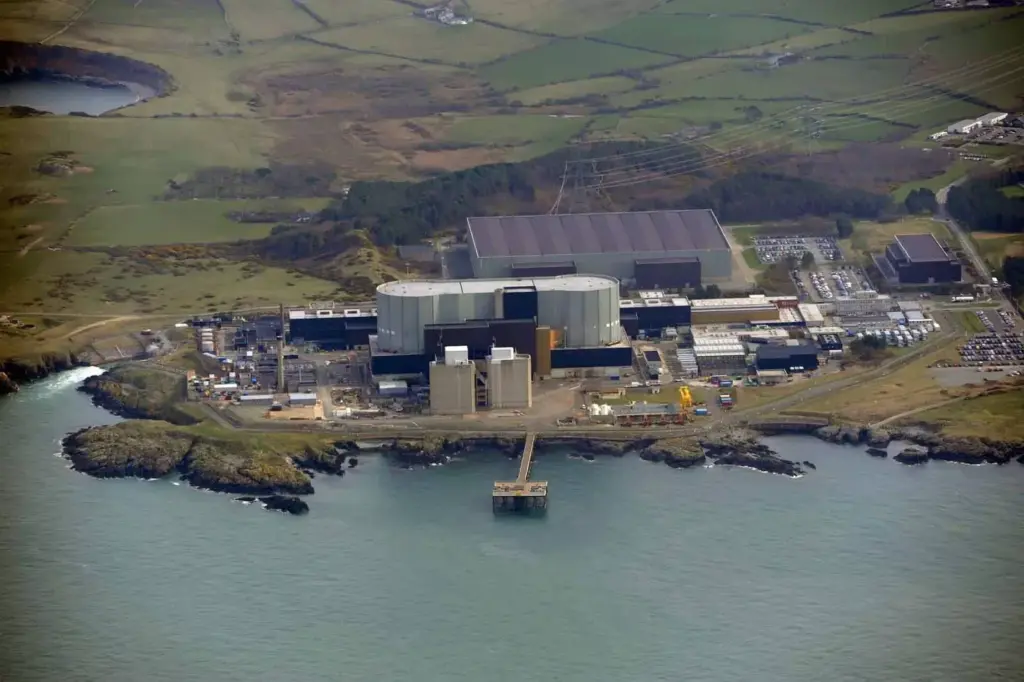
Wylfa Nuclear Power, once a cornerstone of energy production in Wales, stands as a poignant reminder of the shifts in the landscape of nuclear energy. Located on Anglesey, the plant ceased operations a decade ago, signaling the end of a significant chapter in the local economy that heavily relied on its presence. With Wylfa’s decommissioning now underway, communities are grappling with the long-term impacts on the Anglesey economy, which faces challenges such as job losses and stagnant investment. As discussions around new initiatives like Wylfa Newydd and the introduction of small modular reactors gain momentum, the dialogue surrounding nuclear energy in Wales remains vibrant. This transition underscores the need for sustainable solutions that could revitalize the region while addressing public concerns regarding nuclear safety and economic viability.
The cessation of operations at Wylfa has ushered in a new era for energy generation in Anglesey, casting a spotlight on the potential for revitalization through modern nuclear technology. As the region contemplates the future, terms like nuclear decommissioning and small modular reactors are becoming increasingly relevant in local discussions. The prospect of Wylfa Newydd promises not only to shape the energy sector in Wales but also to enhance the local economy, providing much-needed employment opportunities. Community members are now navigating reflections on the past while fostering hope for a technologically advanced and sustainable future. Engaging with the concept of nuclear energy through these lenses may yet inspire new avenues of growth and development in the historically rich landscape of Anglesey.
The Legacy of Wylfa Nuclear Power
Wylfa Nuclear Power Station, operational for 44 years, holds a pivotal place in the history of nuclear energy in Wales. As the second Magnox power station commissioned in the country, it played a critical role in the region’s energy landscape and local economy. During its operational years, Wylfa not only provided electricity to millions but also served as a significant employer, cementing its status as a cornerstone of Anglesey’s industrial heritage. Its closure in 2015 sparked significant concerns regarding job losses and the economic repercussions for the local community, which had come to rely heavily on the plant’s presence.
The legacy of Wylfa extends beyond just its operational contributions; it represents a definitive shift in energy policy and economic dynamics in Wales. As Wylfa transitioned into its decommissioning phase, a palpable void was left, marked by stagnant investment and a struggling local economy. The memories and experiences of those who dedicated their careers to Wylfa, such as Gron Williams, reverberate through the community, serving as a reminder of the site’s past significance and the uncertain future that lies ahead for Anglesey.
Frequently Asked Questions
What is the current status of Wylfa Nuclear Power’s decommissioning process?
Wylfa Nuclear Power is currently in its ‘care and maintenance’ phase after the cessation of electricity generation in 2015. The site has removed nuclear fuel and is now addressing hazards such as asbestos removal and the deconstruction of unnecessary buildings.
How has Wylfa Nuclear Power impacted the Anglesey economy post-decommissioning?
Since the shutdown of Wylfa Nuclear Power in 2015, the Anglesey economy has struggled with job losses and stagnant investment, as it was one of the island’s largest employers. Local leaders are advocating for new developments to mitigate these economic challenges.
What are small modular reactors (SMRs) and how are they related to the future of Wylfa Nuclear Power?
Small modular reactors (SMRs) are a planned next step for Wylfa Nuclear Power, with the UK government announcing that the site will house the country’s first three SMRs. These are expected to be operational by the mid-2030s and could power three million homes.
What lessons did Anglesey learn from the Wylfa Newydd project cancellation?
The cancellation of the Wylfa Newydd project in 2020 highlighted the need for diversified investment in energy sectors. The community now seeks sustainable energy development options while also advocating for the proposed SMRs at Wylfa.
How does local sentiment towards nuclear energy affect the future of Wylfa Nuclear Power?
Local sentiment towards nuclear energy varies, with some, like members of People Against Wylfa B, opposing any further developments, while others see the proposed SMRs as a vital economic opportunity for Anglesey’s future.
What was the operational lifespan of the Wylfa Nuclear Power station?
Wylfa Nuclear Power station operated for 44 years, from 1971 until its last reactor was shut down in December 2015, marking a significant era of energy production in Wales.
Why is the proposal for new nuclear energy development at Wylfa considered crucial by local leaders?
Local leaders believe that new nuclear energy development at Wylfa, especially with the introduction of SMRs, is crucial for revitalizing the economy of Anglesey, which has faced demographic challenges and a lack of job opportunities.
What future energy developments are being considered for the Anglesey area in light of Wylfa’s legacy?
In addition to the proposed SMRs at Wylfa, local advocates are promoting renewable energy projects such as tidal energy, indicating a shift towards sustainable development and potential economic recovery for the region.
How did the operational history of Wylfa Nuclear Power influence the community on Anglesey?
Wylfa Nuclear Power had a profound impact on the Anglesey community by providing long-term employment and contributing to economic growth. Its closure has led to economic struggles, emphasizing the need for new development initiatives.
What are the timelines for the development of small modular reactors at Wylfa Nuclear Power?
While specific timelines for the SMR development at Wylfa Nuclear Power are still to be clarified, local officials stress the importance of keeping the community informed about key milestones such as planning applications and investment decisions.
| Date | Event | Impact |
|---|---|---|
| 2015 | Wylfa’s last reactor shut down | End of 44 years of energy production in Anglesey, leading to job losses and economic struggles. |
| 1971 | Wylfa opened | Brought significant employment to Anglesey, shifting the economy from agriculture. |
| 2012 | Second reactor shut down | Marked decline in local employment as Wylfa transitioned to decommissioning. |
| 2020 | Hitachi withdrew from Wylfa Newydd project | Setback for nuclear energy plans in the region, affecting economic growth prospects. |
| Upcoming (2030s) | Plans for three small modular reactors (SMRs) | Potential to power three million homes, could revitalize the local economy if realized. |
Summary
Wylfa Nuclear Power has left a lasting legacy on Anglesey, marking a decade since its last reactor ceased operation. The closure has significantly impacted the local economy, leading to job losses and a struggle for sustainable development. As discussions about new nuclear projects, including the proposal for small modular reactors, unfold, the future of energy production on Anglesey remains a contentious yet pivotal topic for local residents and policymakers.

