Listen to this article
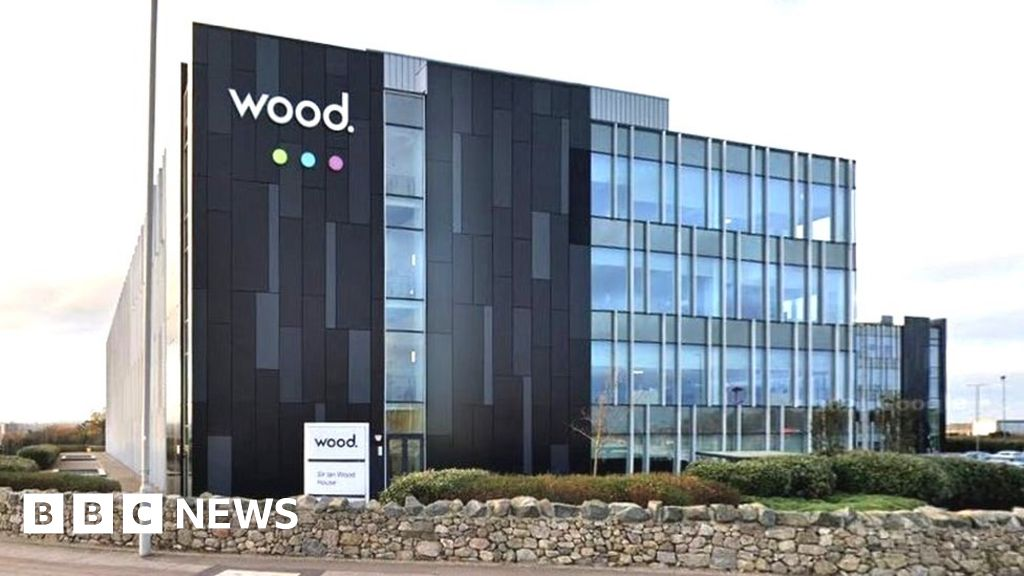
In a significant turn of events, the Wood plc sale to Dubai engineering firm Sidara marks a pivotal moment for the beleaguered oil and gas giant. Once a robust pillar of the Aberdeen oil industry, Wood has seen its fortunes dwindle, culminating in a pre-tax loss exceeding £2 billion. A recent shareholder vote revealed overwhelming support for the takeover, with 88% in favor, highlighting the urgency surrounding the company’s financial plight. This acquisition is poised to reshape the landscape for the Wood Group finance, which had attempted to diversify amid increasing challenges. As Sidara steps in to revitalize the brand, the engineering firm takeover signals a new era, with implications that reverberate across engineering sectors and beyond.
The recent acquisition of Wood plc by Sidara is a noteworthy development within the engineering and design sector, representing a shift in ownership that could revitalize the company’s future. This transaction not only ignites conversations in engineering circles but also underscores the ongoing evolution of major players in the oil and gas market. As Wood, previously a cornerstone of the Aberdeen oil industry, transitions to new management, questions about its strategy and recovery become pertinent. The takeover highlights the resilient nature of engineering firms in navigating financial hurdles and the broader implications for the regional economy. As such, industry observers are keenly watching how this deal will unfold and impact perceptions in both Dubai engineering news and global markets.
Wood plc Sale: A Historic Turning Point
The recent sale of Wood plc to Dubai-based Sidara marks a significant turning point for the iconic Aberdeen oil industry. Once a titan of the sector, Wood plc’s sale reflects the harsh realities of a company facing severe financial challenges, with a staggering pre-tax loss exceeding £2 billion. This acquisition is not only pivotal for the company but also for the entire Scottish economy, as it signals a shift in ownership and operational strategy that may reshape the landscape of oil and gas engineering firms in the region.
The overwhelming support from shareholders, with 88% voting in favor of the takeover, underscores the urgent need to stabilize the company amidst mounting debts. As Wood plc is absorbed into Sidara, it raises questions about the future of its workforce and the operational strategies that will be employed. Analysts are closely watching how this sale will influence Wood’s engineering capabilities and reputation within the oil and gas sectors, particularly given its rich history rooted in Aberdeen.
Implications of Sidara Acquisition for Wood’s Future
Sidara’s acquisition of Wood plc introduces a new chapter for the engineering firm, which has historically maintained a strong foothold in the Aberdeen oil industry. The transaction promises a capital injection of $450 million, aimed at restructuring and revitalizing Wood’s operations. This much-needed financial support could allow the firm to not only stabilize its existing services but potentially expand into new markets, particularly in the renewable energy sector, which has been gaining traction globally.
Moreover, under Sidara’s leadership, Wood is expected to leverage its extensive engineering expertise to enhance its position within the competitive global marketplace. This acquisition represents a paradigm shift, transitioning from a focus predominantly on oil and gas to a more diversified portfolio encompassing engineering and materials. As Wood navigates these changes, it will be crucial for the company to effectively communicate its strategic vision, reinforcing its brand presence post-acquisition.
The Financial Landscape of Wood Group Finance Post-Takeover
Following the takeover of Wood plc by Sidara, the financial landscape of the Wood Group is set to undergo considerable transformation. With a reputation for excellence in engineering, the integration into Sidara presents both opportunities and challenges. The management team at Wood is now faced with the task of solidifying its financial health while adhering to the rigorous expectations of its new parent company, which may involve streamlining operations and optimizing revenue sources.
Financial analysts speculate that the merger could provide Wood with fresh avenues for investment, particularly in sectors beyond traditional oil extraction. The infusion of Sidara’s resources allows Wood to pursue innovative engineering projects, potentially increasing profitability. However, the legacy issues stemming from Wood’s previous acquisitions, such as AMEC Foster Wheeler, remain a cloud over its financial future, necessitating strategic governance and fiscal prudence.
Exploring the Future of Engineering Firms Amidst Industry Transitions
The engineering sector is witnessing dynamic changes, driven by the need for innovation and adaptation as the energy landscape evolves. As traditional oil and gas markets face decline, firms like Wood plc must pivot towards sustainability and technological advancements to remain competitive. The recent Sidara acquisition serves as a case study for how engineering firms can navigate the complexities of market volatility by embracing transformation.
Industry experts predict that firms that successfully diversify their services and invest in emerging technologies will thrive in the new energy economy. This transition can not only bolster existing capabilities but also open doors to lucrative contracts in areas such as renewable energy and urban infrastructure development. As Wood plc integrates with Sidara, its capacity to adapt to these changes will play a crucial role in determining its long-term success and relevance in the global engineering arena.
Navigating Challenges in the Engineering Sector: Wood’s Strategy
Amidst the backdrop of Wood plc’s sale and restructuring efforts, navigating challenges in the engineering sector remains paramount. The combination of fluctuating oil prices, regulatory hurdles, and growing competition necessitates a robust strategy focused on resilience and flexibility. Wood’s leadership will need to identify key growth areas and make informed decisions that align with market demands while also addressing inherited debts and operational inefficiencies.
Investment in research and development, especially in the renewable energy domain, could yield significant returns, helping Wood to pivot away from its past reliance on fossil fuels. Developing strategic partnerships could further enhance their service offerings and enable them to capitalize on new projects. Wood’s future success might hinge on its ability to reinvent itself while staying true to its engineering roots, ensuring that it remains at the forefront of industry advancements.
Sidara’s Vision for Wood Group: Enhancing Brand Identity
Sidara has made it clear that enhancing the Wood brand identity is a priority post-acquisition. By returning to its original branding as John Wood Group, the company aims to reclaim its legacy while infusing new life and vision into its operations. This strategic rebranding will involve aligning Wood’s historic strengths with Sidara’s expansive global reach and resources, creating a synergistic relationship that can capitalize on a diverse portfolio of engineering services.
The integration process will likely focus on consolidating Wood’s operational capabilities within Sidara’s engineering and materials division, thus allowing for more streamlined processes and improved service delivery. This vision also encompasses a commitment to uphold and enhance Wood’s engineering reputation, which may involve investing in talent and technology innovations that reflect current industry trends. Sidara’s leadership seems committed to ensuring that Wood not only survives the transition but thrives within it, fostering a renewed pride in its rich heritage.
The Impact of Legacy Issues on Wood’s Operations
One significant hurdle facing Wood plc following its acquisition is the legacy of previous financial and operational issues, particularly from its earlier acquisition of AMEC Foster Wheeler. These legacy challenges include substantial debts and unresolved legal disputes, which could hinder Wood’s operational capabilities in the immediate future. Tackling these issues head-on will be crucial for Sidara to build a successful roadmap for Wood’s future.
Additionally, the integration of legacy operational protocols with new management strategies from Sidara poses further complexity. Ensuring seamless operational alignment while mitigating risks associated with historical liabilities will require a concerted effort from both leadership and staff. However, by addressing these legacy challenges, Wood stands a chance to emerge more robust and agile, ultimately benefiting from the lessons learned during this transition.
Market Reactions to Wood’s Takeover: Investor Sentiment
The market’s reaction to the takeover of Wood plc by Sidara has been one of cautious optimism, underscored by investor sentiment regarding the oil and gas sector’s future. Shareholder approval of the acquisition reflects a belief that the changes made will stabilize Wood’s operations and restore confidence among stakeholders. Investors are particularly keen on how Sidara’s financial backing and strategic vision will execute, ensuring that Wood can navigate through its recent tumultuous financial history.
As Wood embarks on this new journey, analysts are watching closely for indicators of recovery and growth, including contract wins and expansion into new sectors. The greetings from the market hint at a potential turnaround if the acquisition translates into actionable improvements and renewed profitability. Stakeholders remain hopeful that Sidara’s management will steer Wood towards a more sustainable and diversified engineering future.
Conclusion: Wood plc’s Future in the Sidara Era
The sale of Wood plc to Sidara marks a defining moment for the company as it embraces a new chapter under fresh leadership and vision. The challenges ahead are significant, but there is also tremendous potential for growth if the company can effectively leverage its existing strengths while innovating for future demands. The commitment to restoring the Wood brand and enhancing its engineering capabilities suggests that the new management is serious about turning the tide.
As Wood integrates into Sidara and begins to implement strategic changes, the industry will be watching closely, anticipating a positive outcome that aligns with global engineering trends. While legacy issues remain a concern, the fresh capital injection and strategic commitment towards diversification could enable Wood to reclaim its status as a key player in the engineering sector. In this Sidara era, the future of Wood plc appears ripe with opportunity, whether in traditional arenas or emerging energy markets.
Frequently Asked Questions
What does the Wood plc sale to Sidara mean for the Aberdeen oil industry?
The Wood plc sale to Sidara represents a significant shift in the Aberdeen oil industry, as it indicates consolidation within the sector. Sidara, a Dubai-based engineering firm, aims to reinvigorate Wood Group’s operations, following its financial struggles. This acquisition will enable the West African and Middle Eastern engineering firms to leverage Wood’s established reputation in oil and gas while introducing new investment to enhance operational capabilities in Aberdeen.
How will the sale of Wood Group affect its financial structure?
The sale of Wood Group to Sidara is poised to restructure its financial framework significantly. After reporting a pre-tax loss of over £2 billion, this takeover provides an opportunity for new capital investment of $450 million (£342 million) from Sidara, aiming to stabilize Wood’s financial health. The restructuring is expected to lessen previous debts and enable Wood to focus on expanding its engineering services.
What impact does the Sidara acquisition have on Wood Group’s future branding and operations?
Following the Sidara acquisition, Wood Group will revert to its original branding as John Wood Group, reflecting its historical roots in the industry. This rebranding, combined with Sidara’s intention to integrate Wood into its engineering and materials division, suggests a focus on revitalizing Wood’s existing operations and expanding its engineering services in various sectors, including renewable energy.
Will the sale of Wood plc lead to job losses within the company?
While the details following the Wood plc sale to Sidara remain unfolding, both companies have expressed a commitment to maintaining operational stability. Currently, Wood employs around 35,000 people globally, and any major changes related to job losses have not yet been announced. Sidara is likely to focus on leveraging Wood’s existing workforce to drive future projects.
What were the circumstances leading to Wood plc’s takeover by Sidara?
Wood plc’s takeover by Sidara was largely due to financial difficulties, with the company facing a pre-tax loss of more than £2 billion and challenges in finalizing its accounts. After extensive shareholder discussions, an 88% approval for the takeover was obtained, as alternative routes for refinancing were deemed likely to result in lower valuations or potential investor losses.
| Key Point | Details |
|---|---|
| Sale Overview | Wood plc is being sold to Sidara, a Dubai-based engineering firm. |
| Shareholder Vote | 88% of shareholders backed the takeover after months of delays. |
| Financial Performance | Wood reported a pre-tax loss of over £2 billion and faced challenges finalizing its accounts. |
| Market Valuation | The company peaked in value at over £5 billion in 2013 but has seen a significant decline. |
| Future Plans | Sidara plans to invest $450 million into Wood and continue developing the brand. |
| Leadership Changes | Ken Gilmartin will step down as CEO, with Iain Torrens appointed as his successor. |
Summary
The Wood plc sale marks a pivotal moment for the company as it transitions to new ownership under Sidara, a Dubai-based engineering firm. This acquisition comes amidst significant financial struggles, including a shocking pre-tax loss and declining market value. With the backing of shareholders, the sale not only ensures the continuation of Wood’s operations but also infuses much-needed capital that Sidara plans to invest in the company. As Wood plc navigates this transition, it looks forward to revitalizing its brand and expanding its services under Sidara’s leadership.