
Listen to this article
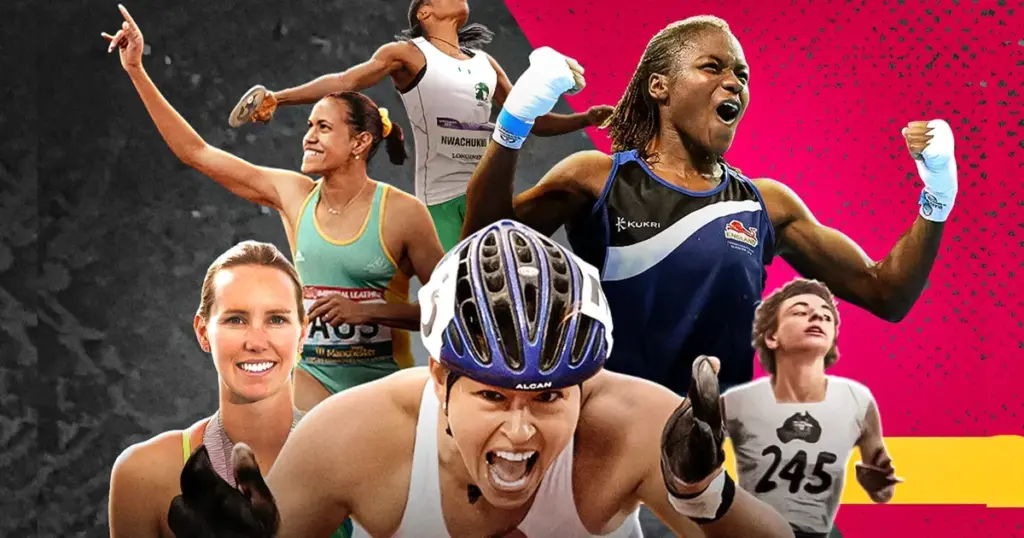
Women in sports have profoundly reshaped the landscape of athletics by showcasing exceptional talent and resilience that defies traditional stereotypes. From ground-breaking female athletes who have led the charge for gender equality in sports to the rich history of women in athletics, their stories are inspiring and impactful. These pioneers of women’s sports have faced and conquered numerous challenges, paving the way for future generations to thrive in competitive environments. As we delve into women’s sports history, we celebrate their achievements and the ongoing journey toward equality. In exploring the world of female athletes, it’s important to recognize the collective strength of those who have fought for their rightful place on the global sports stage.
The presence of women in athletics is becoming increasingly prominent, showcasing the dynamic contributions of female competitors across various sports. Many female sports figures have emerged as role models, advocating for gender parity and inclusivity in the sporting world. This discussion sheds light on the evolution of female participation in sports and the continuous efforts to promote equality. By examining the achievements of women in sports, we can appreciate the advancements made and the struggles that remain in the quest for a level playing field. Celebrating the trailblazers and the next generation of athletes allows us to envision a brighter future for women in the athletic arena.
The Evolution of Women in Athletics
The journey of women in athletics has been a slow but steady progression of breaking barriers and challenging societal norms. Historically, female participation in sports was met with skepticism and resistance, often relegated to the sidelines. However, with the dawn of the 20th century, women began to push for their rightful place in competitive sports, culminating in their inclusion in the Olympics for the first time in 1900. Such pivotal moments marked the beginning of a significant transformation in how female athletes were perceived, setting the stage for future generations.
Over the years, the evolution of women in athletics has been characterized by increased visibility and acceptance. From the early 1900s to the present day, the participation of women in various sports has soared, with athletes now performing at elite levels in almost every discipline. This evolution not only highlights the growing recognition of women as serious competitors but also reflects a broader societal change towards gender equality in sports.
Pioneers of Women’s Sports
The pioneers of women’s sports have paved the way for the modern female athlete, often facing considerable obstacles while advocating for their rights and recognition. Figures like Billie Jean King and Mia Hamm not only excelled in their respective sports but also became powerful voices for gender equality. Their contributions extend beyond records and championships, as they have worked to dismantle stereotypes and create a more inclusive environment for future female athletes.
These trailblazing women have sparked movements and inspired countless girls to pursue sports. By standing up against discrimination and using their platforms for advocacy, they have created lasting impacts on the sports landscape. Their stories not only celebrate past achievements but also serve as motivation for young athletes striving for success in today’s competitive fields.
Challenges Faced by Female Athletes
Despite the remarkable progress made by women in sports, female athletes continue to face numerous challenges, including discriminatory stereotypes and unequal opportunities. Many women athletes encounter societal pressures that question their capabilities and undermine their accomplishments based on gender. This is evident in media representations that often prioritize appearance over athletic talent and accomplishments.
The pushback against these harmful stereotypes is gaining momentum as more athletes, coaches, and organizations advocate for women’s rights in sports. Initiatives focusing on grassroots awareness and representation challenge the narrative surrounding female athletes, aiming to create a more equitable playing field. The struggle for recognition and respect is ongoing, but the resilience of today’s female athletes echoes the efforts of those who came before them.
The Importance of Gender Equality in Sports
Gender equality in sports is not merely a goal but a necessity for fostering a level playing field where all athletes can thrive. Institutions like the Women’s Sports Foundation have championed initiatives to promote equal opportunities, helping to ensure that girls have the same access to sports as their male counterparts. Legislation, such as Title IX, has played a crucial role in mitigating disparities, promoting female participation in athletics across educational institutions.
Achieving gender equality transcends beyond participation; it includes equal pay and recognition for female athletes. The fight for equity has brought attention to the need for media coverage that highlights women’s sports, ultimately encouraging younger generations to see sports as a viable pursuit regardless of gender. The ongoing advocacy for equality is paramount to the progress continually sought by current and future female athletes.
Media Representation of Women in Sports
The representation of women in sports media has historically been skewed, often emphasizing looks and personal stories over athletic achievements. This trend not only undermines female athletes’ accomplishments but also influences public perceptions, potentially discouraging young girls from pursuing sports. Improved media coverage that showcases athletic talent and success is essential for reshaping narratives surrounding women in athletics.
In recent years, there has been a conscious effort to change the landscape of how female athletes are portrayed in the media. More campaigns are highlighting their achievements, training, and dedication, which helps in challenging existing stereotypes. A shift towards equitable representation can inspire future generations, providing role models for aspiring female athletes while driving increased interest and investment in women’s sports.
Social Media as a Platform for Change
In the digital age, social media has emerged as an influential platform for female athletes to share their stories and advocate for change. By leveraging platforms like Instagram and Twitter, women in sports can reach vast audiences, showcase their training, and connect with fans on a personal level. This newfound visibility not only empowers athletes but also breaks down traditional barriers, creating space for dialogue about gender equality and representation.
Moreover, social media initiatives championed by female athletes help to amplify their voices and raise awareness about issues they face. Campaigns highlighting achievements and advocating for equal treatment spark conversations that challenge stereotypes, enabling athletes to take control of their narratives and establish themselves as leaders on and off the field. This digital empowerment plays a vital role in redefining the perception of women in sports.
Educational Initiatives Supporting Female Athletes
Education plays a key role in promoting opportunities for female athletes around the globe. Programs that encourage girls to participate in sports not only equip them with essential skills but also address deeply ingrained stereotypes. Schools and organizations that prioritize inclusive sports initiatives benefit from improved student engagement and teamwork skills, fostering an environment that values athletic talent regardless of gender.
Moreover, educational initiatives can serve as platforms for dialogue about gender equality and the importance of representation in sports. Workshops, seminars, and training sessions that target young female athletes help instill confidence and a sense of belonging. By providing resources and support, these programs empower young women to pursue their passions in athletics and challenge the status quo.
Advocacy Groups for Women in Sports
Advocacy groups have become instrumental in the fight for women’s rights in sports, working tirelessly to ensure that female athletes are given equal opportunities and recognition. Organizations like the Women’s Sports Foundation are at the forefront, advocating for policies that promote inclusivity and support for female athletes across all levels and disciplines. These groups often conduct research, develop educational resources, and provide scholarships to elevate women’s sports.
The ongoing efforts of these advocacy organizations spotlight the challenges faced by women in athletics and work to eliminate barriers that have historically existed. By collaborating with schools, sports institutions, and the media, these groups aim to create a culture that appreciates and uplifts female athletes, ensuring a brighter future where gender equality in sports is the norm rather than the exception.
The Future of Women’s Sports
The future of women’s sports looks promising as advocacy for equality continues to grow. Increasing support from fans, sponsors, and institutions is crucial in driving change and enhancing the visibility of female athletes. This support is reflected in a rise in viewership for women’s events, greater media coverage, and more significant investments in women’s sports leagues, indicating a shifting paradigm.
As strides are made towards equality in pay and opportunity, it is essential to maintain momentum and ensure that the achievements of women in sports are celebrated and recognized. Encouraging participation at grassroots levels and advocating for policies that support female athletes will shape a future where girls can dream big, knowing they can achieve success in sports and beyond.
Frequently Asked Questions
What barriers have women in sports historically faced?
Women in sports have faced significant barriers such as limited access to facilities, lack of media coverage, and societal stereotypes that question their capabilities as athletes. These obstacles have historically hindered the recognition and support female athletes deserve.
Who are some pioneering female athletes in sports history?
Pioneers of women’s sports include trailblazers like Billie Jean King, Mia Hamm, and Serena Williams. Their achievements have not only advanced women’s sports but also advocate for gender equality in athletics.
How has Title IX impacted women in athletics?
Title IX is a federal law that prohibits gender discrimination in education, significantly increasing female participation in sports at schools and colleges since its implementation in 1972. It has helped create equal opportunities for young girls in athletics.
What role does social media play in promoting women in sports?
Social media serves as a powerful platform for female athletes to share their journeys, connect with fans, and promote women’s sports globally. It helps challenge stereotypes and increases visibility, encouraging more girls to participate in athletics.
What challenges do female athletes face in the media?
Media coverage of female athletes often emphasizes their appearances rather than their athletic achievements. This can perpetuate stereotypes and discourage young women from pursuing sports due to a lack of positive representation.
Why is celebrating women in sports important for future generations?
Celebrating women in sports is crucial as it inspires future generations of female athletes. Acknowledging their accomplishments fosters a supportive environment, encouraging more young girls to pursue their interests in athletics.
How are women’s sports evolving today?
Women’s sports are evolving positively, with increasing media coverage, support from organizations, and the rise of female role models. The growing audience for women’s athletics signifies a shifting cultural landscape towards greater acceptance and appreciation.
What organizations support women in athletics?
Organizations like the Women’s Sports Foundation actively promote gender equality in sports. They work to provide resources, funding, and advocacy to enhance opportunities for women in athletics.
What future changes are needed for women in sports?
The future of women in sports requires continued advocacy for equal pay, increased representation in the media, and efforts to challenge societal norms. Empowering female athletes and improving education about gender equality will be vital.
How can education influence the perception of women in sports?
Education can significantly influence the perception of women in sports by promoting gender equality and encouraging participation among young girls. Schools must provide equal resources and support for female athletic programs to help dismantle stereotypes.
| Key Points | Details |
|---|---|
| Historical Context | Women began participating in sports in the late 19th century and were first allowed in the Olympics in 1900. |
| Trailblazing Athletes | Notable women like Billie Jean King, Mia Hamm, Serena Williams, and Katie Ledecky have paved the way in sports and advocacy for women’s rights. |
| Battling Stereotypes | Women athletes face stereotypes and societal biases that undermine their achievements. |
| Addressing Gender Stereotypes | Media coverage often focuses on women’s appearances rather than their athletic abilities, which needs to change. |
| Role of Education and Organizations | Title IX and organizations like the Women’s Sports Foundation promote equality and participation in sports. |
| Impact of Social Media | Social media provides female athletes a platform to share their stories and challenge stereotypes. |
| Looking Ahead | It is essential to continue advocating for equality, recognition, and support for women in sports. |
Summary
Women in sports have significantly reshaped the athletic landscape by breaking barriers and challenging stereotypes. The historical context reveals that, despite centuries of participation, recognition for women in sports has been sparse until recent decades. Pioneering athletes like Billie Jean King and Serena Williams have not only excelled in their fields but have also brought attention to important issues regarding gender equality. Organizations and initiatives, such as Title IX, play critical roles in promoting equal opportunities, while social media has emerged as a powerful tool for visibility and advocacy. To ensure a brighter future for women in sports, it is vital to continue fostering an inclusive environment that celebrates female athletes for their skills and contributions rather than their gender.

