
Listen to this article
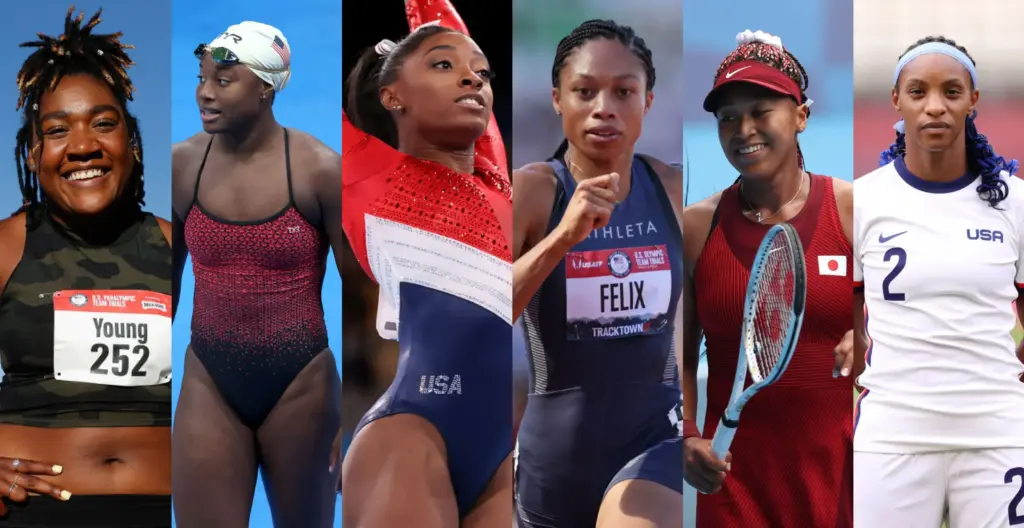
Women in sports have been breaking barriers and reshaping the athletic landscape throughout history, showcasing remarkable strength and resilience. The narrative of female athletes transcends mere participation; it embodies a powerful movement toward gender equality in sports. This evolution is intricately tied to milestones like Title IX, which has significantly impacted women’s sports history by prohibiting sex-based discrimination in federally funded education programs. As we witness women in sports commanding their spaces with undeniable talent, it’s essential to recognize their contributions to both the sporting world and society at large. Through their achievements, these athletes inspire future generations to pursue their dreams and challenge societal norms.
The journey of women in athletics represents a crucial shift in how we view competitive sports and sports culture. From the early days of exclusion to the triumphant rise of today’s female competitors, the evolution of women’s competitive activities is both historic and inspirational. Female sports participants, often referred to as trailblazers, have not only excelled in their respective fields but have also played a significant role in advocating for equality. This push for fair treatment and representation, notably seen through landmark legislations and movements, emphasizes the importance of continued advocacy for equal opportunities. As we celebrate these accomplishments, it’s clear that the advancements made by women in athletics are a testament to their tenacity and an inspiration to aspiring young athletes.
The Evolution of Women’s Sports Participation
Over the years, the landscape of women’s sports participation has undergone a remarkable transformation, evolving from prohibition to celebration. Initially, women faced significant societal constraints that limited their involvement in sports, often based on outdated perceptions of femininity and physical capability. However, the late 19th century marked the beginning of a significant shift as women began to claim their right to participate in athletic competitions. Paralleling the suffragette movement, female athletes utilized sports as a platform for self-expression and empowerment, setting the stage for future generations.
As the decades progressed, especially with the landmark introduction of Title IX in the 1970s, women’s sports began to flourish. Title IX prohibited sex discrimination in federally funded education programs, leading to a boom in female athletic participation in schools and colleges. By ensuring equitable opportunities, it transformed the athletic landscape, enabling a new generation of female athletes to showcase their talents. This progress signifies not only an increase in participation but also a gradual change in societal perceptions regarding women in sports.
Frequently Asked Questions
What is the significance of Title IX in women’s sports history?
Title IX, enacted in 1972, has been transformative for women’s sports history by prohibiting sex discrimination in federally funded educational programs. This landmark legislation has greatly increased funding and support for female athletic programs, allowing female athletes to receive more opportunities and resources, thereby leveling the playing field in competitive athletics.
How have female athletes broke barriers in sports?
Female athletes have broken barriers in sports through remarkable achievements and advocacy for gender equality. Legends like Billie Jean King and Serena Williams have not only excelled in their respective sports but also used their platforms to fight for equal pay and representation, inspiring future generations of women in sports.
Why is representation important for women in sports?
Representation is crucial for women in sports because it encourages young girls to aspire to athletic excellence. When they see successful female athletes, it fosters confidence and ambition, motivating them to participate in various sports, from soccer to tennis.
What challenges do women in sports still face today?
Despite significant advancements, women in sports still encounter challenges such as pay inequity, limited media coverage, and fewer sponsorship opportunities. High-profile cases like the U.S. Women’s National Soccer Team’s fight for equal pay highlight the ongoing struggles for female athletes.
Who are some notable women who have influenced women’s sports history?
Notable women who have influenced women’s sports history include Billie Jean King, who fought for gender equality in tennis, Serena Williams, known for her unparalleled achievements in tennis and advocacy for social justice, and Misty Copeland, who has shattered racial barriers in ballet.
How has social media impacted female athletes’ visibility in sports?
Social media has significantly increased visibility for female athletes, allowing them to share their stories and advocate for important issues. Athletes like Megan Rapinoe and Naomi Osaka leverage their platforms to discuss gender equality and social justice, enhancing the narrative around women’s sports.
What initiatives are being taken to support women in sports?
Various initiatives are being implemented to support women in sports, including increased funding for female athletic programs, promotional campaigns to enhance visibility, and educational programs aimed at encouraging young girls to engage in sports.
How has women’s sports evolved over the last century?
Over the last century, women’s sports have evolved from being largely marginalized to flourishing, with more women participating at competitive levels. Key milestones, including the enactment of Title IX and rising global visibility, have reshaped the landscape of women’s athletics.
What is the impact of media representation on women’s sports?
Media representation plays a vital role in shaping public perception and interest in women’s sports. Increased media coverage can enhance visibility, attract sponsorships, and create a stronger fan base, ultimately promoting gender parity in athletics.
What does the future hold for women in sports?
The future for women in sports looks promising, with a growing awareness and support for gender equality. Increased advocacy, representation in media, and community initiatives are paving the way for more substantial achievements and opportunities for female athletes.
| Key Points | Details |
|---|---|
| Historical Context | Women were historically denied participation in sports, dating back to ancient Greece. The late 19th and early 20th centuries marked a turning point for visibility in sports. |
| Breaking Down Barriers | Title IX in 1972 prohibited sex discrimination in federally funded educational programs, significantly increasing support for women’s sports, though challenges still exist. |
| Notable Female Athletes | Pioneers like Billie Jean King, Serena Williams, and Misty Copeland have made historical contributions to sports and gender equality. |
| Current Landscape | More women are participating in sports, with growing recognition, but disparities in media coverage and sponsorship remain prevalent. |
| Importance of Representation | Visibility of female athletes inspires young women, increasing participation and breaking down societal norms. |
| Future Directions | With growing advocacy and initiatives focused on gender equality, the outlook for women in sports appears promising. |
Summary
Women in sports have been transforming the competitive landscape for over a century, breaking barriers and reshaping societal perceptions. The inclusion of women in athletics reflects a broader movement for equality and empowerment, showcasing their remarkable skills and dedication. From historical exclusion to fighting for equal pay and representation, female athletes have carved out a space that challenges existing norms. As we look ahead, continued advocacy, improved media coverage, and increased opportunities will likely enhance the visibility and success of women in sports, inspiring future generations to pursue their athletic dreams.

