
Listen to this article
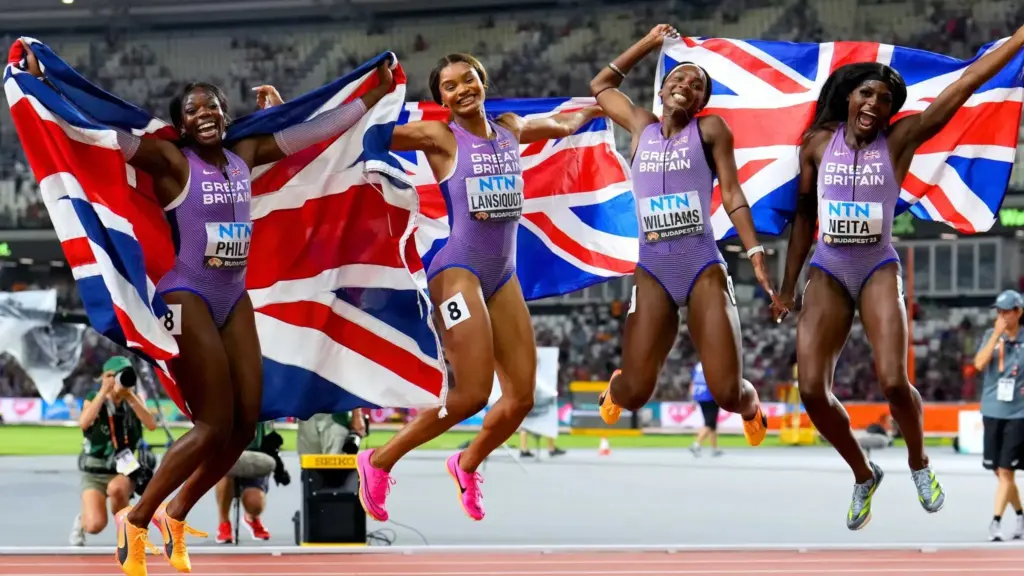
Women in sport have emerged as powerful forces, redefining societal norms and inspiring future generations. Over the years, female athletes have shattered numerous barriers, championing gender equality in sports and showcasing their incredible talent on the global stage. Icons like Serena Williams and Billie Jean King are not only dominant in their respective fields but also advocates for change, highlighting the importance of representation and equity within athletics. As we delve into the rich history of women athletes, we recognize their profound impact on sports culture and the significance of empowering the next wave of female athletes. Today, we celebrate the achievements and ongoing journey of women in sport, underscoring the vital role they play in shaping the future of athletics.
The discussion surrounding women in athletics extends beyond merely their achievements; it also encompasses the evolving narrative of female sports figures and their fight for recognition. In recent years, the emergence of powerful female sports icons has shed light on the challenges and triumphs faced by women in various athletic disciplines. The increasing visibility of female athletes, alongside movements advocating for gender equality in sports, demonstrates a significant shift toward inclusivity and representation. From Olympic champions to grassroots heroes, these women embody resilience and determination, inspiring countless individuals to break away from traditional gender roles in sports. This advancement underscores the importance of fostering an environment where women in sports can thrive, celebrate their history, and inspire future generations.
The Evolution of Female Sports Participation
The participation of women in sports has evolved dramatically over the years. Initially constrained by societal norms and expectations, female athletes have now surged onto the world stage, demonstrating exceptional talent and resilience. This shift can largely be attributed to landmark policies like Title IX, which advocated for the elimination of gender discrimination in athletics. As a result, women now occupy a more balanced space in both competitive and recreational sports, inspiring future generations to pursue their athletic ambitions.
The increase in female sports participation has not only heightened visibility for women athletes but also fostered a greater appreciation for women’s capabilities in various sports disciplines. From soccer to basketball, women are breaking records and setting new standards, showcasing their talents and capabilities, which encourages young girls to become involved in sports from an early age.
Frequently Asked Questions
What are some significant challenges faced by women in sport?
Women in sport often encounter challenges such as unequal pay, limited sponsorship opportunities, and lack of media coverage. Reports indicate that female athletes receive only a fraction of the sports coverage, which hinders their visibility and support. Additionally, societal pressures regarding femininity and athleticism can impact their performance and public perception.
How have female athletes contributed to gender equality in sports?
Female athletes have played a crucial role in advocating for gender equality in sports, exemplified by pioneers like Billie Jean King. Her fight for equal pay and recognition has paved the way for future generations. Today, athletes like Serena Williams and Allyson Felix continue to highlight issues of inequality and advocate for rights, thereby influencing systemic changes in sports.
Who are some iconic female sports figures that have broken barriers?
Prominent female sports icons include Billie Jean King, who challenged gender norms in tennis, and Serena Williams, known for her record-breaking achievements and advocacy for racial and gender equality. Allyson Felix is also renowned for her activism regarding maternal rights in athletics, showcasing the impact of women in sports.
What impact has social media had on women in sport?
Social media has significantly transformed how female athletes connect with fans and share their stories. Platforms like Instagram and Twitter allow athletes to advocate for their causes and raise awareness about issues they face, enhancing visibility and support for women’s sports. This increased engagement has inspired many young girls to pursue athletics.
Why is diversity important in women’s sports?
Diversity in women’s sports enriches the community by representing various backgrounds and experiences. Athletes like Megan Rapinoe and Crystal Dunn advocate for gender equality and social justice, highlighting the intersectionality within women in sports. Recognizing diverse voices fosters an inclusive environment and encourages broader participation.
What role do organizations like the Women’s Sports Foundation play in promoting women in sports?
Organizations like the Women’s Sports Foundation are vital in advocating for equal opportunities, fair pay, and media coverage for female athletes. They work towards advancing conversations around gender equality in sports, thereby facilitating systemic changes that empower women in athletics.
How can current female athletes inspire the next generation?
Current female athletes can inspire future generations by mentoring young girls and advocating for equality in sports. By sharing their experiences and challenges, they can motivate young women to overcome barriers, pursue their athletic dreams, and actively participate in the movement for gender equality in sports.
What historical events have shaped the participation of women in sports?
Key historical events, such as the implementation of Title IX in 1972, significantly shaped women’s participation in sports by prohibiting gender discrimination in educational programs. This landmark legislation led to increased support and opportunities for female athletes, creating a more equitable playing field.
How do female athletes use their platforms for social change?
Female athletes leverage their platforms to advocate for social change by speaking out on issues such as racism, gender inequality, and LGBTQ+ rights. Their visibility and influence allow them to raise awareness and mobilize support for important causes, exemplifying the role of women in sports as leaders both on and off the field.
What is the future of women in sports?
The future of women in sports looks promising as advocacy for equality continues to grow. Increased media attention, support for diversity, and initiatives for equal pay are paving the way for a more inclusive environment. Continued efforts by athletes, organizations, and fans will ensure that the next generation of female athletes has the resources and recognition they deserve.
| Key Point | Details |
|---|---|
| Historical Context | Women have historically been sidelined in sports, but significant strides have been made since the late 20th century. |
| Impact of Title IX | Passed in 1972, Title IX helped eliminate gender discrimination in educational programs, increasing women’s sports participation. |
| Pioneering Athletes | Athletes like Billie Jean King and Serena Williams have fought for equal pay and representation, inspiring future generations. |
| Challenges Faced | Female athletes often face issues such as unequal pay, lack of media coverage, and societal pressures. |
| Role of Social Media | Social media allows female athletes to share their stories and advocate for their causes, increasing visibility. |
| Diversity and Inclusion | Increasing representation of athletes from diverse backgrounds highlights the need for equity in sports. |
| Future Advocacy | Continued efforts are necessary to ensure equal pay, media coverage, and support for women in sports. |
Summary
Women in sport have made tremendous progress over the years, breaking down barriers and advocating for equality in athletics. From pioneering athletes to recent champions, the journey reflects not only their individual achievements but also the collective movement toward inclusive representation in sports. While challenges such as unequal pay and limited media visibility persist, the rise of social media has empowered female athletes to control their narratives and inspire the next generation. As we celebrate their success, it is essential to continue supporting and elevating the voices of women in sport, ensuring a future where all athletes can pursue their dreams without discrimination.

