
Listen to this article
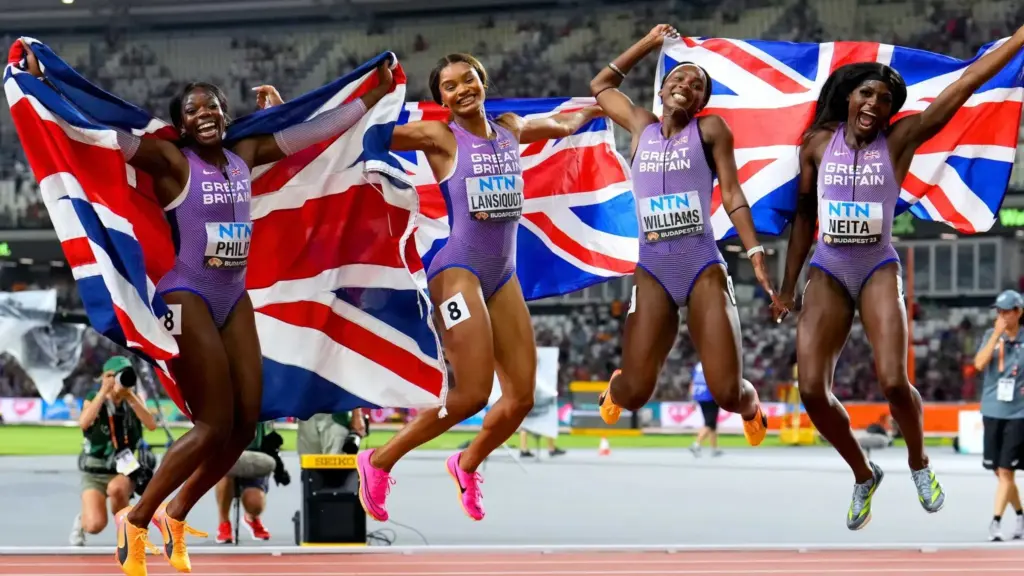
Women in sport have made incredible strides over the years, transforming the landscape of athletics and inspiring countless individuals. From breaking records to empowering future generations, female athletes are redefining what is possible in a variety of sports. This article delves into the rich history of women in sports, celebrating their achievements and the challenges they’ve overcome to gain recognition and respect. As we explore key milestones and standout performances, we will highlight the importance of empowerment in sports and the impact of women’s sports achievements on society. Join us as we uncover the dynamic journey of female athletes who have fought for equality and continue to flourish in the world of athletics.
The realm of female athletics stands as a testament to resilience and triumph. The narrative of women’s engagement in competitive sports emphasizes the blend of dedication and perseverance that has challenged conventional norms. In this exploration, we will examine the evolution of women’s sports history, illustrating how women have gradually earned their rightful place on the global stage. Through groundbreaking achievements and persistent advocacy, these remarkable athletes have forged a path for empowerment in sports, inspiring others to follow suit. By acknowledging the legacy of pioneering women in sports, we can appreciate the ongoing efforts to elevate female representation in various athletic disciplines.
The Evolution of Women in Sport
The evolution of women in sport has been a journey marked by resilience and determination. Initially discouraged from participating in competitive sports due to societal norms, women have gradually made significant strides toward equality. Historical events like the inclusion of women’s events in the Olympics, beginning in 1900, laid the groundwork for future generations. As remarkable athletes emerged, societal perceptions began to transform, recognizing the athletic prowess and capabilities of women.
By breaking into spaces traditionally dominated by men, women have redefined their roles within athletics. Not only have female athletes proven their strength and skill, but they have also championed for equal treatment and opportunities. This evolution underscores the importance of acknowledging women’s contributions to sports history, which continue to inspire and empower future generations of female athletes.
Challenges Female Athletes Face Today
Despite the progress made in recent decades, female athletes still encounter several barriers in the sporting world. Issues such as unequal pay, limited media coverage, and inadequate sponsorship often create hurdles that deter women from fully participating in sports. For example, women often receive significantly less media attention compared to their male counterparts, which can affect their visibility and opportunities in their respective sports.
The fight for equality within athletics is ongoing, as many female athletes actively seek to challenge and change these discrepancies. Efforts like the #CoverTheAthlete campaign highlight the importance of equitable media representation, while greater advocacy pushes for fair remuneration. By raising awareness about these challenges, the sports community can work towards creating a more inclusive environment for women in sports.
Empowerment in sports remains a vital topic as female athletes forge pathways for their peers. Recognizing the achievements and struggles of women in sports cultivates a supportive community that can inspire change. As more female athletes step into the limelight, their collective voices amplify the demand for equity and respect, paving the way for future generations to gain the rights and recognition they deserve.
Trailblazers in Women’s Sports History
Trailblazing female athletes have significantly shaped the course of women’s sports history. Icons like Billie Jean King, who fought for gender parity in tennis, and Serena Williams, who advocates for broader social issues, have conscientiously used their platforms to bring attention to gender disparities. Their efforts not only changed the landscape of sports but fostered discussions around women’s rights inside and outside the sporting arena.
These pioneers have set a precedent for future female athletes to follow, inspiring a legacy of empowerment and strength. Their remarkable achievements, such as King’s landmark victory in the Battle of the Sexes and Williams’ numerous Grand Slam titles, reflect how female athletes can break records and challenge stereotypes embedded in society. Celebrating their contributions helps highlight the importance of inclusion and equality in sports.
Current Growth of Women’s Sports
The current growth of women’s sports is notable, with major events like the FIFA Women’s World Cup garnering immense viewership and sponsorship support. Female athletes are now recognized for their talent and athleticism, and the increasing interest from fans has fueled a positive shift in perceptions. Sports networks and organizations are beginning to invest more resources in women’s events, reflecting a growing acknowledgment of the importance of representation in athletics.
As more women achieve significant milestones in their respective sports, the visibility and excitement around women’s sports continue to expand. Initiatives aiming to promote female athletes and events are becoming more prevalent, leading to improved coverage and recognition. This growth is not only beneficial for athletes but also serves as an inspiration for young girls aspiring to enter sports, showcasing that success is possible regardless of gender.
Social Media’s Impact on Women’s Sports
Social media has emerged as a powerful tool in promoting women’s sports and elevating female athletes’ voices. Platforms like Instagram and Twitter enable athletes to share their journeys, express their opinions on social issues, and engage directly with fans. This direct line of communication enhances visibility, allowing female athletes to build their personal brands and create a supportive community, essential for fostering empowerment in sports.
Moreover, social media campaigns focused on women’s sports serve to highlight the achievements of female athletes and advocate for equality. By utilizing hashtags such as #CoverTheAthlete, users can amplify messages that promote greater media representation. Social media not only alters the dynamics of how women’s sports are consumed but also plays a crucial role in reshaping narratives around female athletes.
Encouraging Future Generations in Sports
Encouraging future generations to participate in sports is vital in fostering a more inclusive athletic culture. Educational initiatives aimed at young girls can provide the necessary tools and inspiration to pursue sports, benefiting their physical and mental well-being. Programs designed to cultivate interest in various sports from a young age allow girls to cultivate confidence, leadership skills, and teamwork experiences that can last a lifetime.
The involvement of female role models and athletes can profoundly influence young girls, demonstrating that they can pursue their athletic passions without limitations. Participating in organized sports creates a space for future generations to break records, just like their predecessors, and contribute to women’s sports history. By investing in youth programs and advocating for equal opportunities, we can ensure that young girls see sports as an achievable and fulfilling pathway.
The Role of Advocacy in Women’s Sports
Advocacy is crucial in promoting equality and visibility for women in sports. Numerous athletes and organizations actively strive to address issues such as pay inequality and media representation. The collective voices of female athletes advocating for their rights help highlight the disparities that still exist within the sports community. By raising awareness about these critical issues, advocacy can foster change and support the advancement of women’s sports.
Through strategic partnerships and campaigns, advocates can pressure sports organizations to implement fair policies and practices. This collaborative approach encourages a unified effort toward gender parity, creating a more equitable sporting environment for all. Female athletes’ advocacy work not only seeks to benefit their peers but also opens doors for future generations to achieve sports success without gender constraints.
Landmark Achievements in Women’s Sports
Landmark achievements in women’s sports have paved the way for greater recognition and respect for female athletes. Examples like Emma Raducanu’s historic victory at the 2021 US Open highlight how young female athletes can shatter records and expectations. Additionally, the U.S. women’s national soccer team’s advocacy for equal pay culminated in legal victories, underscoring the power of perseverance and unity among athletes.
These achievements not only celebrate the talent and hard work of female athletes but also demonstrate the potential for change in women’s sports. As records are broken and significant milestones are reached, the visibility of women’s sports continues to rise, encouraging more girls to participate in various athletic fields. Such efforts build momentum, ensuring that women’s sports receive the attention and investment they rightfully deserve.
The Future Landscape of Women’s Sports
The future landscape of women’s sports is promising, with an emphasis on sustaining the progress that has been made. Continued investment and support from organizations play a crucial role in ensuring that female athletes have adequate resources to excel. As more companies recognize the market potential and fan interest, sponsorship opportunities can usher in a new era of professionalism in women’s sports.
Moreover, fostering a culture of inclusion and providing equitable opportunities is essential for future success. Advocacy efforts must remain steadfast in addressing ongoing issues around representation and pay, ensuring that female athletes can thrive in a supportive environment. The future of women’s sports holds great potential, driven by the determination of athletes and supporters alike to break barriers and create a legacy of excellence.
Frequently Asked Questions
What are some notable achievements of women in sport?
Women in sport have made incredible strides, including breaking records and winning prestigious championships. For instance, Emma Raducanu became the first qualifier to win a Grand Slam title at the 2021 US Open. Additionally, the U.S. women’s national soccer team has fought for equal pay and succeeded in landmark negotiations to secure fair compensation for their performances.
How have female athletes impacted the history of women’s sports?
Female athletes have significantly shaped women’s sports history by overcoming barriers and advocating for equality. Pioneers like Billie Jean King and Katherine Switzer challenged societal norms, paving the way for future generations. Their efforts have led to increased participation and recognition of women’s sports in both competitive and casual settings.
What role does empowerment play in women’s sports?
Empowerment in sports is crucial for female athletes, as it fosters confidence, leadership, and social advocacy. Women in sport, like Megan Rapinoe and Danica Patrick, use their platforms to address issues beyond athletics, including gender equality and LGBTQ+ rights, inspiring young girls and promoting community engagement.
Why is media coverage important for women in sport?
Media coverage is vital for women’s sports as it boosts visibility and recognition. Although women’s sports still receive less coverage than men’s, this gap is narrowing. Increased visibility through dedicated sporting events, sponsorships, and campaigns helps female athletes gain a larger audience and support for their achievements.
What challenges do female athletes face in today’s sports world?
Female athletes encounter various challenges, including pay inequality, limited media coverage, and fewer sponsorship opportunities compared to their male counterparts. Despite progress, ongoing efforts are needed to address these disparities and ensure equal recognition and support for women’s sports.
How has social media influenced women’s sports?
Social media has dramatically influenced women’s sports by allowing female athletes to share their journeys, advocate for equality, and engage with their fans directly. Platforms like Instagram and Twitter help create a supportive community and make women’s sports more relatable, increasing their visibility and impact.
What is the significance of the FIFA Women’s World Cup?
The FIFA Women’s World Cup is a premier tournament that celebrates women’s soccer globally. It not only showcases the talents of female athletes but also plays a crucial role in promoting women’s sports, drawing in large audiences, and generating sponsorships that help elevate the status of women in sport.
Can you name some pioneering women in sport?
Yes, pioneering women in sport include Billie Jean King, who fought for equality in tennis; Katherine Switzer, the first woman to run the Boston Marathon; and Serena Williams, known for her numerous titles and advocacy for women’s rights in sports. Each of these athletes has significantly contributed to women’s sports history and empowerment.
What investments are needed for the future of women’s sports?
To ensure a thriving future for women’s sports, it is essential to invest in better funding, resources, and support. This includes enhancing training facilities for female athletes, promoting grassroots initiatives that encourage girls to participate in sports, and increasing media coverage and representation of women’s events.
How can individuals support women’s sports?
Individuals can support women’s sports by attending events, sharing the stories of female athletes on social media, and advocating for better coverage and investment. Promoting girls’ participation in sports and creating awareness about the achievements of female athletes helps build momentum towards equality in athletics.
| Key Point | Description |
|---|---|
| Introduction | Women in sport have made significant progress from being excluded to breaking records and challenging stereotypes. |
| Historical Context | Women faced societal norms that barred them from sports until the Olympics began including women’s events in 1900. |
| Pioneering Women | Women like Billie Jean King, Katherine Switzer, and Serena Williams have transformed women’s sports through their advocacy and achievements. |
| Current Trends | Women’s sports are gaining visibility, with events like the FIFA Women’s World Cup becoming popular and well-sponsored. |
| Media Coverage | Although women’s sports receive less media attention, initiatives are emerging to promote female athletes. |
| Social Media Impact | Social media plays a vital role in supporting women athletes and connecting them with fans. |
| Notable Achievements | Recent records set by women athletes, like Emma Raducanu’s US Open win and the U.S. women’s soccer team’s fight for equal pay. |
| Empowerment | Sports empower women, providing skills that lead to broader advocacy for social issues. |
| Future Outlook | Continued investment and support are essential to sustain the growth and equality of women in sports. |
Summary
Women in sport have showcased incredible resilience and achievements as they continue to break down barriers in athletics. From the historical challenges they faced to the modern-day empowerment through sport, women have evolved into powerful figures who not only excel in their respective sports but also advocate for equality and representation. The cultural shift towards inclusivity in sports is a testament to their hard work and determination, inspiring future generations to pursue their dreams in the athletic world. This ongoing journey highlights the importance of supporting women in sport, promoting their stories, and ensuring equal opportunities for all athletes.

