
Listen to this article
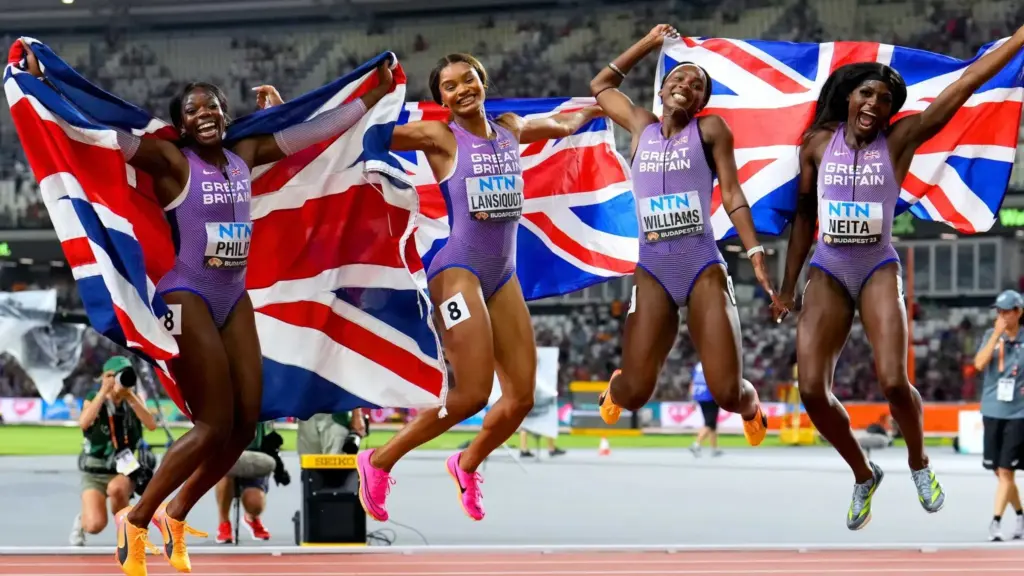
Women in sport have been breaking barriers and redefining athleticism in ways that resonate far beyond the playing field. Over recent decades, female athletes have not only increased their presence in various sports but have also become champions of gender equality in sports, pushing for recognition and respect that they have long deserved. This movement is not just about competing; it’s about female empowerment and inspiring future generations to pursue their dreams with vigor. As we explore the role of women in sports, we honor those who have paved the way, acknowledge the challenges they face, and celebrate the triumphs that continue to shape sports history. From grassroots initiatives to global competitions, the impact of athletic women is transformative and essential to the fabric of sports today.
The landscape of athletics has evolved significantly, highlighting the importance of women’s contributions to the realm of competitive games. Female sports figures are increasingly becoming symbols of resilience and strength, challenging outdated perceptions and advocating for fairness in athletics. The momentum generated by female empowerment movements has sparked interest and participation among girls and young women in various sports, fostering a culture of inclusivity. By examining the position of women in sport through the lens of social changes and historical achievements, we can appreciate the profound impact they have on shaping not only athletic culture but also the broader society. Understanding the journey of these remarkable sportswomen offers valuable insights into the pursuit of equality and respect in all athletic arenas.
The Historical Journey of Female Athletes
The involvement of women in sports has a rich and complex history that has evolved over centuries. From the early participation of women in ancient Olympic events to the groundbreaking achievements of athletes in the late 19th and early 20th centuries, female athletes have continuously pushed boundaries. Figures such as Babe Didrikson Zaharias laid the groundwork for future generations by excelling in various sports, demonstrating that women could compete at the highest levels. Their pioneering spirit opened doors for many, establishing a legacy that still inspires female athletes today.
With the enactment of Title IX in 1972 in the United States, women’s participation in sports reached new heights, leading to increased visibility and support for female athletes. This legislation not only prohibited gender discrimination in education but also significantly bolstered funding and resources for women’s sports programs. Consequently, more girls could engage in athletics, paving the way for today’s highly competitive female sports leagues and global movements advocating for gender equality in sports.
Challenging Gender Roles Through Sports
Women in sports have played a significant role in challenging entrenched gender roles and societal stereotypes. Athletes like Serena Williams, who has achieved tremendous success in tennis, embody strength and resilience in a sporting world that has traditionally favored men. By excelling in their respective sports, these women have redefined the narrative surrounding femininity and athleticism. Their achievements contribute to a broader cultural shift that encourages girls to pursue sports, thereby inspiring confidence and ambition in the next generation.
The visibility of women’s sports has increased significantly, providing a platform for female athletes to showcase their talents. The National Women’s Soccer League (NWSL) and Women’s National Basketball Association (WNBA) have emerged as prominent examples of successful leagues that celebrate and promote female athletes. Greater media representation has facilitated discussions around equality and empowerment in sports, encouraging young girls to engage in athletics and break free from traditional gender expectations.
Iconic Women Shaping Sports Culture
Throughout sports history, numerous women have emerged as icons of change, influencing both athletic performance and social justice. Megan Rapinoe, known for her soccer accomplishments, has also become an outspoken advocate for equal pay and LGBTQ+ rights. Her activism highlights how female athletes can leverage their platforms to address sociopolitical issues, inspiring others within and outside the sports world to engage in advocacy for equality.
Likewise, the efforts of the U.S. Women’s National Soccer Team in their legal battles for equal pay underscore the ongoing struggle for gender parity in sports. Their fight has sparked widespread conversations about the systemic inequities that female athletes face, affirming the need for change within professional sports leagues. These icons of change not only break barriers in their respective fields but also serve as beacons of hope and inspiration for aspiring female athletes.
The Power of Role Models in Sports
Role models in sports are essential for inspiring young girls to pursue their athletic dreams. When young girls see women overcoming obstacles and reaching impressive heights in their sports, it instills a belief that they, too, can achieve their goals. Programs specifically designed to empower girls through sports, like Girls on the Run, create an environment that encourages participation while fostering skills and confidence. These role models become catalysts for change, showcasing that female empowerment is achievable through dedication and hard work.
In recent years, organizations recognizing the importance of mentorship have implemented programs aimed at building supportive networks for young female athletes. By connecting seasoned athletes with girls who are just starting their athletic journeys, these initiatives create opportunities for knowledge sharing, skill development, and leadership training. These mentorship programs help to ensure that the next generation of female athletes not only excels in sports but also understands the importance of advocating for gender equality in all areas of life.
Addressing Ongoing Challenges for Women Athletes
Despite significant progress in women’s sports, challenges remain prevalent. Historical underfunding, limited media representation, and inadequate facilities continue to hinder female athletes’ growth and visibility. Even today, media coverage often tilts in favor of men’s sports, which perpetuates the cycle of underrepresentation and limits opportunities for women. Addressing these inequities is essential for fostering an environment where female athletes can thrive and achieve recognition commensurate with their male counterparts.
The COVID-19 pandemic has further exacerbated these challenges, revealing vulnerabilities within women’s sports leagues. Many experienced layoffs, funding cuts, and cancellations that threatened the sustainability of female athletic programs. Advocacy for better funding, media attention, and support remains crucial for ensuring that women’s sports can continue to flourish despite external pressures. As more stakeholders recognize the value and potential of women in sports, the path toward equity can become more accessible for all.
The Future of Women in Sports
The future of women in sports is promising, characterized by a growing commitment to diversity and inclusivity across athletics. Worldwide, numerous sports organizations are allocating more resources to women’s programs, enabling greater participation and visibility in various sports. Global campaigns aimed at promoting women’s sports and celebrating female athletes serve to challenge outdated norms while fostering a more inclusive culture within athletics. This evolution is crucial for sustaining momentum in the fight for gender equality.
Additionally, the rise of social media empowers female athletes to engage with their fans and advocate for change directly, amplifying their voices in unprecedented ways. Platforms like Instagram and Twitter allow athletes to share their journeys, successes, and challenges while mobilizing support for their causes. This digital connectivity not only strengthens the community among women athletes but also galvanizes broader societal support for female empowerment in sports.
Empowerment Through Participation
Participation in sports is a powerful tool for female empowerment. Engaging in athletic activities helps women develop vital skills such as teamwork, leadership, and resilience. These attributes not only enhance athletic performance but also translate into various aspects of life, including personal and professional growth. By participating in sports, women are empowered to voice their opinions, pursue their ambitions, and become advocates for gender equality.
Moreover, sports participation has been shown to boost confidence and self-esteem among girls and women. Programs focusing on women’s sports provide a safe space for girls to express themselves, fostering a sense of belonging and community. With support from peers and mentors, young women are encouraged to push their limits and rewrite what is possible for female athletes, establishing pathways to success and inspiring others around them.
Celebrating Achievements of Women in Sports
Celebrating the achievements of women in sports is critical to recognizing their contributions to athletics and society. High-profile moments, such as championship wins or record-breaking performances, should be highlighted to underscore the talents and hard work of female athletes. By shining a spotlight on these accomplishments, sports organizations, media outlets, and fans can cultivate a culture of appreciation that encourages further participation in women’s sports.
In addition to documenting individual achievements, it’s also essential to celebrate collective successes that reflect the progress women have made in sports. Award ceremonies, sports festivals, and community events focused on women’s athletics can help elevate recognition for female athletes. Such celebrations foster a sense of pride and motivation within communities, ultimately encouraging more young girls to pursue their athletic passions.
Community Support for Women’s Sports
Community support plays a crucial role in the advancement of women in sports. Local leagues, schools, and organizations can create programs that offer resources and opportunities for young female athletes to participate and develop their skills. By investing in women’s sports at the grassroots level, communities can contribute to building a robust pipeline of future female athletes who are equipped to compete and excel.
Moreover, encouraging attendance at women’s sports events fosters a supportive environment for athletes. When communities rally behind women’s teams and celebrate their achievements, it sends a powerful message about the value of female participation in athletics. Increased fan engagement leads to greater visibility, sponsorship opportunities, and ultimately, a stronger foundation for future generations of female athletes.
Frequently Asked Questions
What are some historical milestones for women in sports?
Women in sports have achieved significant milestones, such as the inclusion of women in the Olympic Games and the passage of Title IX in 1972, which prohibited gender discrimination in sports. Pioneers like Babe Didrikson Zaharias paved the way for future female athletes by excelling in multiple sports and breaking gender norms.
How have female athletes influenced gender equality in sports?
Female athletes have played a crucial role in advocating for gender equality in sports by challenging stereotypes and demanding equal pay. The U.S. Women’s National Soccer Team’s fight for equal pay and visibility has sparked meaningful discussions about women’s rights in athletics and led to more support for women’s sports.
What challenges do women face in pursuing sports careers?
Despite progress, women in sports still encounter challenges such as insufficient media representation, funding disparities, and lack of support. Historically, women’s sports have received less attention and financial support than men’s sports, making it essential to continue advocating for equity.
What is the impact of role models on young girls in sports?
Role models are vital in inspiring young girls to participate in sports. When girls see successful female athletes, it motivates them to dream big and pursue their athletic goals. Organizations like Girls on the Run offer programs that empower girls through sports, fostering a new generation of female athletes.
Why is visibility important for women’s sports?
Visibility is crucial for women’s sports as it changes societal perceptions and encourages young girls to engage in athletics. Increased media coverage and sponsorship opportunities for women in sports help to legitimize their achievements and promote gender equality.
How does social media impact female athletes?
Social media allows female athletes to connect with fans and advocate for causes, significantly amplifying their voices. Platforms like Instagram and Twitter provide opportunities for athletes to share their stories, engage with audiences, and build communities around women’s sports.
What initiatives support female empowerment in athletics?
Various initiatives support female empowerment in athletics, such as mentorship programs and youth sports organizations that focus on developing leadership and confidence among girls. These programs encourage participation and create a pipeline of future female athletes.
What role do female athletes play in advocating for social change?
Female athletes, such as Megan Rapinoe, use their platforms to promote social change, including advocating for equal pay and representation for marginalized groups. Their activism demonstrates that sports can be a powerful vehicle for addressing broader societal issues.
How are women’s sports leagues gaining recognition?
Women’s sports leagues, including the WNBA and NWSL, are gaining recognition through increased media coverage and public support. Their success has attracted sponsors and greater attendance, helping to standardize the importance of women’s athletics in the sports landscape.
What does the future hold for women in sports?
The future of women in sports looks promising, with a growing emphasis on diversity and inclusion in sports organizations. As society continues to advocate for women’s sports, more opportunities will arise for female athletes to excel and make their mark in athletic history.
| Key Points | Details |
|---|---|
| Historical Context | Women have participated in sports since ancient times, with significant progress made in the late 19th and early 20th centuries, especially after the introduction of Title IX in 1972, which prohibited gender discrimination in athletics. |
| Breaking Stereotypes | High-profile female athletes have redefined athleticism for women, leading to increased visibility and support for women’s sports leagues. |
| Icons of Change | Prominent athletes advocate for social justice, equal pay, and LGBTQ+ rights, influencing public discourse around women’s sports. |
| Impact of Role Models | Role models motivate young girls in sports; initiatives promoting mentorship and support systems are pivotal in cultivating future athletes. |
| Navigating Challenges | Women athletes still face challenges related to media representation and funding; advocacy is needed to continue progress. |
| Future of Women in Sports | Increasing diversity and inclusion efforts, along with social media engagement, are helping to amplify women’s voices and stories. |
Summary
Women in sport have come a long way, breaking barriers and making significant contributions to the athletic world. From historical milestones to current advocacy for equality and representation, female athletes are leading the charge in redefining the landscape of sports. As we move forward, it’s crucial to recognize and support their achievements, ensuring that future generations of female athletes have a platform to succeed. The ongoing efforts to champion women in sport are not only vital for equality but also for inspiring countless young girls to participate in athletics. Together, we can fortify this progress and celebrate the remarkable journey of women in sports.

