Listen to this article
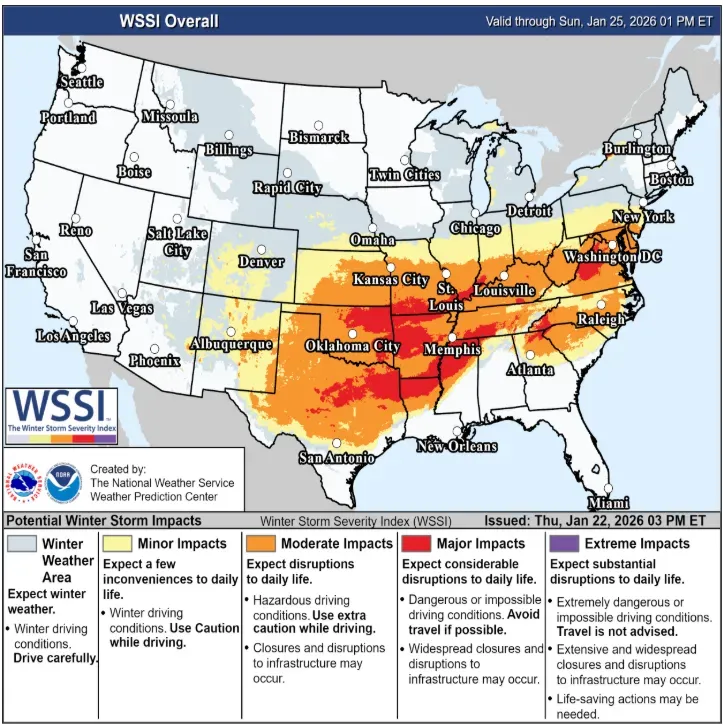
The recent winter storm impact across a vast region of the United States has been devastating, leading to multiple winter storm deaths and significant disruptions to daily life. With emergency responses hampered by extreme winter conditions, thousands of flight cancellations have compounded the chaos, stranding travelers in airports from coast to coast. Major roadways have become impassable in many areas, and power outages have left hundreds of thousands without electricity, highlighting the severity of this extreme event. As communities dig out from substantial snow storm delays, authorities warn that more severe weather could strike again soon, further complicating recovery efforts. The National Weather Service notes that with the potential for another winter storm looming, residents must remain vigilant and prepared for ongoing challenges.
The recent severe weather phenomenon has wreaked havoc across the nation, leaving behind a trail of destruction and distress. This icy onslaught, characterized by significant snowfall and freezing temperatures, has not only resulted in tragic fatalities but has also disrupted transportation and utility services extensively. As the fallout from these frigid conditions continues to unfold, the impact on air travel and local roadways is becoming increasingly evident, with numerous cancellations and travel delays reported nationwide. As the situation develops, the potential for additional adverse weather looms, prompting urgent calls for preparedness among affected communities. Collectively, these challenges underscore the profound effects of winter storms and emphasize the urgency for effective responses to ensure safety and recovery.
Impact of Winter Storm on US Ferries and Highways
The recent winter storm has wreaked havoc on transportation networks across vast regions of the United States. Ferries have faced disruptions, particularly in areas where heavy snowfall and icy conditions have made waterways treacherous. The freezing temperatures have not only resulted in dangerous driving situations but have also posed significant challenges for the maintenance and operation of ferry services. As snow and ice accumulate, services that typically move seamlessly during milder weather become laden with delays, leaving travelers stranded and logistics challenged.
Highways have been transformed into virtual snow-covered obstacles, with numerous reports of accidents and impassable roads due to the severe weather. Motorists are urged to exercise caution, as snowstorm delays are expected to persist until conditions improve. The National Weather Service continues to monitor the situation, advising drivers to stay clear of heavily affected areas. The combination of harsh winter conditions and overburdened road infrastructure has left many travelers anxious and uncertain about reaching their destinations.
Furthermore, the winter storm’s impacts extend beyond immediate travel issues, with businesses experiencing disruptions in supply chains due to delayed deliveries. Companies that rely heavily on road transport are finding it increasingly difficult to maintain stock levels, causing further economic strain. Planning for such events is becoming essential as climate patterns lead to more frequent extreme winter conditions.
As communities recover, local and state authorities are working diligently to restore normalcy, deploying snowplows and salt trucks to mitigate hazardous driving conditions. However, the recurring winter storms highlight the need for improved infrastructure and emergency preparedness to handle these increasingly common weather-related challenges.
Fatalities and Safety Measures During Extreme Winter Conditions
The tragic loss of life during this winter storm serves as a grim reminder of the dangers posed by extreme winter conditions. At least a dozen fatalities have been reported across the US, with incidents ranging from sledding accidents in Texas to hypothermia-related deaths in Louisiana. These harrowing events underscore the importance of public awareness about the risks associated with severe winter weather. As families make plans for outdoor activities or travel, it’s crucial to equip themselves with knowledge about safe practices and the potential threats posed by sudden weather changes.
Local governments and emergency services are urging residents to stay informed, emphasizing the need for proper winter gear, emergency kits for cars, and protocols for seeking shelter in case of power outages. Awareness campaigns are in place to educate the public on recognizing signs of hypothermia and frostbite, particularly for those vulnerable populations who may lack quick access to shelter during dismal conditions. Public service announcements are flooding social media, encouraging people to look out for their neighbors and ensure they are accounted for in this bitter cold.
Additionally, efforts to support the homeless and those without adequate heating are gaining traction. Shelters are working overtime to accommodate increased populations seeking warmth during the cold snap exacerbated by the ongoing storm. Community connections are vital during these times, as residents band together to offer resources and check in on those most in need, mitigating some of the harsh realities that winter storms can bring.
While the storm has brought calamity, it has also highlighted the strength of community bonds, reminding individuals of the necessity of preparedness and proactive measures in surviving and thriving despite adverse weather. As forecasts predict yet another significant winter storm on the horizon, the spirit of solidarity shines through, empowering individuals to brace for future impacts.
Winter Storm Impact: Cancellations and Travel Disruptions
In the wake of the winter storm, the consequences on air travel have been severe, with thousands of flight cancellations reported across the United States. At airports from coast to coast, travelers have found themselves stranded, with many airlines forced to adapt to widespread snow storm delays. FlightAware reported that over 19,000 flights were delayed, accompanied by more than 5,900 cancellations, wreaking havoc on travel plans during what is typically a busy seasonal period.
Travelers are advised to stay connected with their airlines for real-time updates and weather alerts as conditions evolve. The National Weather Service continues to provide forecasts suggesting the potential for further significant winter storms that may worsen already complicated travel situations. It’s crucial for passengers to be prepared for unexpected delays, as many airports are likely to remain chaotic until the storm subsides, and normal operations can resume.
Moreover, the storm’s fallout is felt beyond flight cancellations, affecting ground transportation options as well. Many rail services have also experienced interruptions due to inclement weather, leading to a ripple effect on long-haul travel. This has elicited frustrated responses from travelers who may face cascading impacts on their planned itineraries. Thus, individuals planning to travel in severe winter conditions must educate themselves about alternative routes and modes of transport that may provide safer options.
As the winter storm’s aftermath continues, authorities urge vigilance and provide resources to help passengers navigate the complexities of travel during extreme weather, with safety remaining the priority. Being proactive in understanding flight statuses and road conditions can make a significant difference in ensuring safety throughout their journeys.
The Role of Government in Winter Storm Response
During significant winter storms, government agencies play a pivotal role in managing and mitigating the aftermath of nature’s fury. Local, state, and federal emergency services are mobilized to respond promptly to public needs, from restoring power to clearing roads impeded by heavy snowfall. Each level of government works collectively to disseminate critical information to citizens—including weather advisories, safety recommendations, and resources for those in distress—ensuring that communities remain informed amidst chaos.
Emergency declarations allow for rapid mobilization of resources, enabling authorities to deploy snowplows, sand trucks, and personnel tasked with emergency repair work. In addition to physical responses, governments develop strategic plans that address long-term impacts of winter storms, creating frameworks for resilience in the face of future extreme winter conditions. This forward-thinking approach is essential, particularly as climate change increases the frequency of such severe weather events.
Moreover, collaboration between government entities and community organizations enhances the efficacy of storm responses. Outreach programs designed to support vulnerable populations during winter emergencies highlight the human aspect of governmental roles, reminding communities of the importance of empathy and assistance during their darkest times.
As citizens reflect on the storm’s impact, they are encouraged to engage with local government to provide feedback, ensuring the improvement of emergency preparedness plans and responses. This dialogue strengthens community ties, fostering a spirit of resilience against nature’s unpredictable challenges.
Preparing for Future Winter Storms: Precautions and Recommendations
As communities recover from the recent winter storm, it’s essential to discuss preparations for future winter weather events. Proper planning can significantly reduce the impact of severe conditions on daily life, particularly in regions consistently affected by winter storms. Residents are encouraged to create emergency kits containing essentials such as water, food, blankets, flashlights, and batteries, ensuring that they can sustain themselves should power outages occur.
In addition to home preparations, having a winter emergency kit in vehicles is crucial. This can include items such as non-perishable snacks, a first-aid kit, road flares, and a shovel to clear snow. The presence of an up-to-date emergency contact list can also facilitate better communication with loved ones during weather events. Preparing vehicles by ensuring they are winterized and equipped with the necessary tools enhances safety on the roads significantly.
Moreover, creating a winter weather action plan is key to ensuring the safety of families and communities. This plan should outline clear processes for communication, including how to stay informed about ongoing weather conditions. Families should agree on predetermined meeting points in case they are separated during inclement weather.
Continued education and awareness surrounding winter weather patterns can empower individuals to make informed decisions in times of crisis. As meteorologists predict increasingly unpredictable extreme winter conditions, communities must remain proactive in their preparations to safeguard their health and well-being.
The Economic Impact of Winter Storms on Businesses
Winter storms often impose significant economic challenges on businesses as they grapple with operational disruptions and increased costs associated with weather-related closures. The hospitality and travel industries typically bear the brunt of such impacts, with flight cancellations and snow storm delays leading to lost revenue and damage to customer trust. Businesses operating in close proximity to affected areas often struggle to resume normal functions, leaving employees uncertain about their financial future.
The ripple effect can lead to subsequent supply chain disruptions, impacting commerce as transportation routes become compromised. Retailers may experience delays receiving goods, leading to stock shortages just when consumer demand is high during winter festivities. Conversely, locally owned establishments may face existential threats if customers are deterred by treacherous travel conditions.
Governments can play a role in alleviating these economic pressures through assistance programs and grants aimed at small businesses affected by weather disasters. Local chambers of commerce also often step in to rally support, encouraging community members to shop local to help businesses bounce back from downturns caused by winter storms.
As companies adapt, investing in technology and contingency plans that enhance resilience to such weather events becomes increasingly critical. Adopting flexible work arrangements, diversifying suppliers, and increasing inventory are proactive steps that businesses can take to mitigate potential losses from future winter storm impacts.
The Psychological Effects of Severe Winter Weather
The psychological effects of severe winter weather can be profound, as individuals face not only the physical challenges posed by snowstorms but also emotional stressors that accompany isolation and disruption. The winter storm, coupled with bitter cold temperatures, can increase feelings of loneliness, anxiety, and depression, frequently amplified by extended periods of powerlessness and confined living circumstances. As communities navigate through recovery, understanding the mental health aspect of extreme weather is essential.
Supporting mental well-being in the aftermath of winter storms often requires concerted efforts from local agencies and community organizations. Counseling services and mental health awareness campaigns can play a crucial role in ensuring that affected individuals have access to the resources they need. Additionally, fostering social connections among neighbors—be it through outreach programs or community gatherings—helps mitigate feelings of isolation, promoting a collective resilience in overcoming adversity.
Furthermore, individuals are urged to be mindful of their emotional health during winter months. Engaging in positive coping strategies such as maintaining routines, practicing mindfulness, or participating in community activities can counterbalance feelings of despair. As the community rallies together, support networks begin to form, empowering everyone to focus on mental and emotional recovery as much as physical safety.
While winter storms may bring about significant challenges, addressing the psychological impact allows for an improved recovery experience, enabling communities to reunite and heal through the shared experience of overcoming the turbulence wrought by extreme winter conditions.
The Role of Technology in Winter Storm Forecasting
Advancements in technology have significantly improved our ability to forecast winter storms, leading to enhanced preparations and community response. State-of-the-art meteorological models utilize satellite imagery and radar technologies to analyze atmospheric conditions and track storm movements. This level of precision enables meteorologists to provide timely alerts, allowing individuals and businesses to prepare for impending severe winter weather.
Moreover, with increased accessibility to weather apps and online resources, individuals remain connected to real-time updates and forecasts regarding winter storms, allowing them to make informed decisions regarding travel or outdoor activities. These developments create an informed public capable of responding appropriately to severe winter conditions. However, effective communication remains key to ensuring that people heed necessary warnings and take appropriate precautions.
In addition to forecasting, technology is also being leveraged for disaster recovery strategies, making it easier for emergency services to mobilize and address community needs in the aftermath of winter storms. Social media platforms are increasingly utilized to disseminate crucial emergency information quickly and effectively, reaching residents in ways that traditional methods may not.
As communities face the challenges posed by extreme winter weather, the integration of technology in both forecasting and emergency management becomes paramount. Being equipped with the latest insights and tools enables individuals to navigate winter storms with greater confidence and safety.
Frequently Asked Questions
What are the winter storm deaths reported from the recent winter storm impact?
Recent winter storm impacts have resulted in reported fatalities across multiple US states, including at least a dozen deaths. The storm’s extreme winter conditions led to hazardous travel and dangerous situations, culminating in tragic incidents such as a sledding accident in Texas and suspected weather-related fatalities in New York and North Carolina.
How have flight cancellations been affected by the winter storm impact?
The winter storm significantly disrupted air travel, leading to over 5,900 flight cancellations and more than 19,000 delays nationwide. The severe weather conditions forced airlines to adapt rapidly, and customers faced prolonged frustrations as they navigated the ongoing winter storm impacts.
What regions in the US experienced snow storm delays due to the winter storm impact?
The recent winter storm impacted various US regions, causing extensive snow storm delays, particularly in the northeastern states. Cities from Texas to Maine faced significant snowfall, with some areas reporting over 20 inches, leading to hazardous driving conditions and delayed public transport.
What are the expected outcomes of the upcoming US winter weather forecast?
Forecasters caution that another significant winter storm may impact the eastern US, potentially bringing extreme cold and heavy precipitation. Residents should prepare for severe winter weather impacts similar to those experienced during the recent storm.
How are extreme winter conditions influencing local power outages?
The extreme winter conditions caused by the recent storm have led to widespread power outages, leaving over 200,000 residents in Tennessee without electricity. These outages result from downed trees and power lines, contributing to the dangerous road situations and further complicating response efforts.
What precautions should residents take during winter storms that cause extreme weather impacts?
During winter storms that result in extreme weather impacts, residents should prepare by staying indoors, securing food and water supplies, and staying updated on weather alerts. It’s crucial to avoid unnecessary travel, especially as conditions can lead to hazardous roadways and power outages.
| Location | Impact | Fatalities | Snow Accumulation | Power Outages | Flight Disruptions |
|---|---|---|---|---|---|
| Eastern US (Including NYC and Texas) | Severe disruption to transportation and infrastructure | At least a dozen reported across several states | Up to 20 inches of snow (50.8 cm) in some areas | Over 200,000 people in Tennessee without power | 19,000 delays and 5,900 cancellations reported |
| Canada (Ontario & Quebec) | Transportation issues and school closures | Severe disruptions with reports of multiple casualties | Record 18.1 inches (46 cm) of snow at Toronto Airport | Widespread power outages reported | Significant delays at regional airports |
Summary
The impact of winter storms can be devastating, as shown by the recent events that have highlighted the dangers of severe weather. The winter storm impact resulted in tragic fatalities, significant disruptions in travel and daily life, and widespread power outages across the affected regions. As communities brace for potential additional winter storms, it is crucial for residents to stay informed and prepared.