Listen to this article
A winter blizzard has swept through the northeastern US, wreaking havoc as it blankets the region with heavy snow and plunges cities into chaos. This powerful storm, responsible for extensive flight cancellations and widespread power outages, has tragically claimed two lives in Maryland due to a falling tree. Notably, Providence, Rhode Island, recorded astonishing snowfall amounts, setting a snowfall record with an incredible 37.9 inches. Residents are struggling to cope as travel bans remain in effect and schools close amid the treacherous conditions. As cleanup efforts begin, the daunting aftermath of this winter blizzard leaves communities grappling with its relentless impact.
The recent snowstorm that blanketed the northeastern United States has been nothing short of catastrophic, often referred to as a “nor’easter,” bringing severe winter weather conditions that led to numerous disruptions. This fierce storm not only caused record-breaking snow accumulations but also resulted in hazardous travel situations, flight delays, and significant power outages across various states. Residents faced difficult challenges as they navigated through the aftermath of such a formidable winter event, which has been linked to tragic blizzard fatalities and ongoing recovery efforts. With schools shuttered and emergency services working tirelessly, communities are banding together to restore normalcy. As the storm loses its grip, the tales of resilience in the face of winter’s fury will surely resonate in the hearts of those affected.
Impact of the Winter Blizzard on Northeastern US
The recent winter blizzard that struck the northeastern US has left an indelible mark on the region, bringing with it severe weather conditions and tragic loss of life. In Maryland, two fatalities were reported when a vehicle was struck by a tree downed by heavy snow and wind. Such incidents remind us of the dangers posed by severe weather, especially during a snowstorm that can rapidly change the landscape and create hazardous driving conditions.
As snowfall accumulation reached staggering heights, with some areas experiencing up to 16 inches, the ramifications of the storm extended far beyond just fatalities. Power outages were widespread, particularly in Massachusetts, leaving hundreds of thousands of residents struggling without electricity as they braced against the winter cold.
Blizzard Fatalities: A Cautionary Tale
The tragic fatalities during the winter blizzard highlight the critical need for safety measures during extreme weather conditions. As reported, Michael Simpson and Virginia Quesenberry lost their lives due to a falling tree—a stark reminder of the unpredictable nature of blizzard conditions. Preparedness is essential, and communities must focus on educating residents about the risks associated with winter storms, especially when travel becomes dangerous.
With the potential for blizzard fatalities increasing during severe snowstorms, it is imperative for emergency services to have clear protocols in place. Initiatives such as timely alerts and public education on how to respond during a blizzard can be lifesaving, helping to mitigate the risks that accompany these extreme weather events.
Flight Cancellations Due to the Storm
One of the most immediate impacts of the winter blizzard was the extensive flight disruptions reported across northeastern airports. On Monday alone, over 5,000 flights were canceled as airlines struggled to navigate through heavy snowfall and poor visibility. Major hubs like New York’s JFK and LaGuardia faced significant operational challenges, leading to cascading effects on travel plans for countless passengers.
As travelers grappled with lengthy delays and cancellations, airlines scrambled to rebook customers, making the situation increasingly frustrating. The sheer volume of travel cancellations highlighted how a snowstorm can effectively shut down air transport across a region, reinforcing the importance of contingency planning for travelers during winter months.
Power Outages: Winter Storm Aftermath
The aftermath of the winter blizzard has brought to light the vulnerability of infrastructure during severe weather. As the storm swept through, approximately 250,000 individuals in Massachusetts found themselves without power due to downed lines and equipment failures. Communities like Scituate reported dire conditions, warning residents to prepare for several days without electricity as utility crews worked tirelessly to restore power.
Power outages during winter storms can lead to dangerous situations, as homes lose heating, and the risk of freezing temperatures heightens. In such trying times, communities must come together, and emergency plans should be in place to ensure that essential services can support vulnerable populations.
Rhode Island’s Historic Snowfall Record
Rhode Island has officially made history with the recent winter blizzard by recording an astonishing 37.9 inches of snow, marking it as the largest snowfall event in the state’s recorded history. The sheer intensity of this storm not only showcases the power of winter weather but also highlights how quickly conditions can deteriorate in the face of a snowstorm.
This historical achievement has significant implications for Rhode Island, leading to extended travel bans and significant challenges for emergency responders. Residents are now faced with the arduous task of digging out, while state agencies assess the impacts and prepare for future weather events.
Ongoing Challenges Post Blizzard
While the storm has moved on, the challenges it left in its wake are far from over. Communities throughout the northeastern US are still grappling with the consequences of the blizzard, from widespread power outages to snow removal operations that are ongoing even days later. Rhode Island and Massachusetts remain under travel restrictions as recovery efforts continue.
As snow removal crews work round-the-clock, the focus shifts towards restoring normalcy in the region. Schools have faced closures and transitions to virtual learning, and the local economies are feeling the strain as businesses work to recuperate from the storm’s impact.
Emergency Response and Rescue Operations
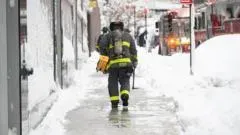
Emergency response teams have been activated in full force to address the fallout from the winter blizzard. With travel bans in place, local government agencies have mobilized resources for search and rescue operations, ensuring that those potentially stranded or facing emergencies receive the help they need. Coordinated efforts between local, state, and federal agencies are crucial in effectively managing the aftermath of such storms.
In towns hardest hit by this winter blizzard, communities have come together to provide support and assistance to one another. Residents are encouraged to check on their neighbors, especially the elderly and those without power, reinforcing the sense of camaraderie that often emerges in times of crisis.
Nor’easter Overview and Future Outlook
The winter blizzard affecting the northeastern US can be classified as a powerful nor’easter, a type of storm known for producing heavy snow and intense winds. As meteorologists continue to analyze the storm’s path and impact, predictions about future weather patterns are underway. The National Weather Service has indicated that while the storm has passed, substantial winds may continue to affect the coastal areas.
Understanding the characteristics of nor’easters can help communities prepare for future events. Meteorologists emphasize the importance of monitoring weather alerts and preparing emergency kits to assist in navigating through severe winter weather.
The Role of Local Authorities During Winter Events
During dramatic weather events like the recent winter blizzard, local authorities play a critical role in managing the response and recovery efforts. Mayors and municipal leaders are tasked with implementing emergency plans, including travel bans, snow removal operations, and public safety announcements to keep residents informed. In New York City, Mayor Zohran Mamdani imposed travel bans to facilitate snow removal and minimize accidents.
Effective local governance during winter storms not only involves immediate response but also long-term planning to improve infrastructure resilience. Studying past blizzards can yield insights that better prepare cities for future winter disasters, ultimately enhancing community safety.
Getting Back to Normal After a Storm
In the days following a powerful winter blizzard, getting back to normal can be a gradual process. Residents are often burdened with the task of clearing snow from their properties, while schools and businesses remain closed. As power restoration efforts ramp up, communities work together to support one another through this challenging transition period.
Moreover, psychological recovery is just as important as physical recovery after such a storm. Handling disruptions to daily life, including work and education, requires community engagement and robust support systems to ensure that residents feel connected and safe during the recovery journey.
Frequently Asked Questions
What are the consequences of the recent winter blizzard in the northeastern US?
The recent winter blizzard in the northeastern US has led to two fatalities in Maryland, significant flight cancellations, and extensive power outages. More than 5,000 flights were canceled due to the storm, with major airports like Boston Logan and New York JFK severely impacted.
How does the winter blizzard affect travel plans in the northeastern US?
The winter blizzard has severely disrupted travel plans in the northeastern US, resulting in over 5,000 flight cancellations on Monday alone. Travel bans and school closures are in effect in states like Rhode Island and Massachusetts as residents deal with the aftermath of this historic snowstorm.
What is the Rhode Island snowfall record resulting from the winter blizzard?
The recent winter blizzard set the Rhode Island snowfall record with an astonishing 37.9 inches of snow, marking it as the largest blizzard in the state’s history. This unprecedented snowfall has caused significant disruptions in daily life and travel.
What measures are being taken to handle the aftermath of the winter blizzard?
In response to the winter blizzard, cities like New York have implemented travel bans and mobilized thousands of sanitation workers for snow removal. Emergency services are also on high alert to assist residents affected by the hazardous conditions and power outages.
How can residents prepare for power outages during a winter blizzard?
Residents can prepare for power outages during a winter blizzard by stocking up on essential supplies, such as flashlights, batteries, food, and water. It’s also crucial to have a backup heating source and to charge devices prior to the storm.
What areas were most affected by flight cancellations during the winter blizzard?
During the winter blizzard, the most affected airports included Boston’s Logan International Airport and New York’s JFK and LaGuardia. The extensive flight cancellations and delays were a direct result of the severe weather conditions.
What were the blizzard fatalities reported during the winter storm in the northeastern US?
The winter blizzard resulted in two tragic fatalities in Maryland when a falling tree struck a vehicle. This highlights the dangerous conditions caused by the storm and the importance of heeding safety warnings.
What snowfall amounts were recorded in Maryland due to the winter blizzard?
Areas in Maryland, impacted by the winter blizzard, reported snowfall amounts of up to 16 inches (40 cm). This significant accumulation has contributed to hazardous road conditions and travel disruptions.
What should residents expect following the winter blizzard’s impact on power outages?
Residents in areas like Scituate, Massachusetts, should expect several days without power due to the winter blizzard’s strong winds and heavy snow. Authorities have warned that restoring power may take longer than usual.
| Key Points |
|---|
| A powerful winter blizzard struck the northeastern US, causing two fatalities in Maryland. |
| Fatalities included Michael Simpson, 60, and Virginia Quesenberry, 43, due to a falling tree in Calvert County. |
| Snowfall reached up to 16 inches in some areas of Maryland, and Providence, RI, recorded 37.9 inches, marking the largest blizzard in history. |
| Travel bans and school closures are in effect for Rhode Island and parts of Massachusetts. |
| Flight disruptions were significant, with over 5,000 cancellations on Monday alone and continuing impacts into Tuesday. |
| New York City’s snowfall exceeded 20 inches, making this blizzard the ninth-largest in its history. |
| Mayor Zohran Mamdani imposed travel bans while 2,600 sanitation workers and 1,400 shovelers worked on snow removal. |
| Boston Globe suspended printing for the first time in 153 years due to blizzard conditions. |
| As of Tuesday, 250,000 people in Massachusetts were without power, with some areas expecting extended outages. |
| The nor’easter has moved away from the US but strong winds are still expected to affect the region. |
Summary
Winter blizzards can create hazardous conditions, as evidenced by the recent powerful winter blizzard that impacted the northeastern US. This particular storm resulted in significant snowfall, travel bans, school closures, and widespread power outages, leading to tragic fatalities. It highlights the need for preparedness and awareness during such extreme weather events.