
Listen to this article
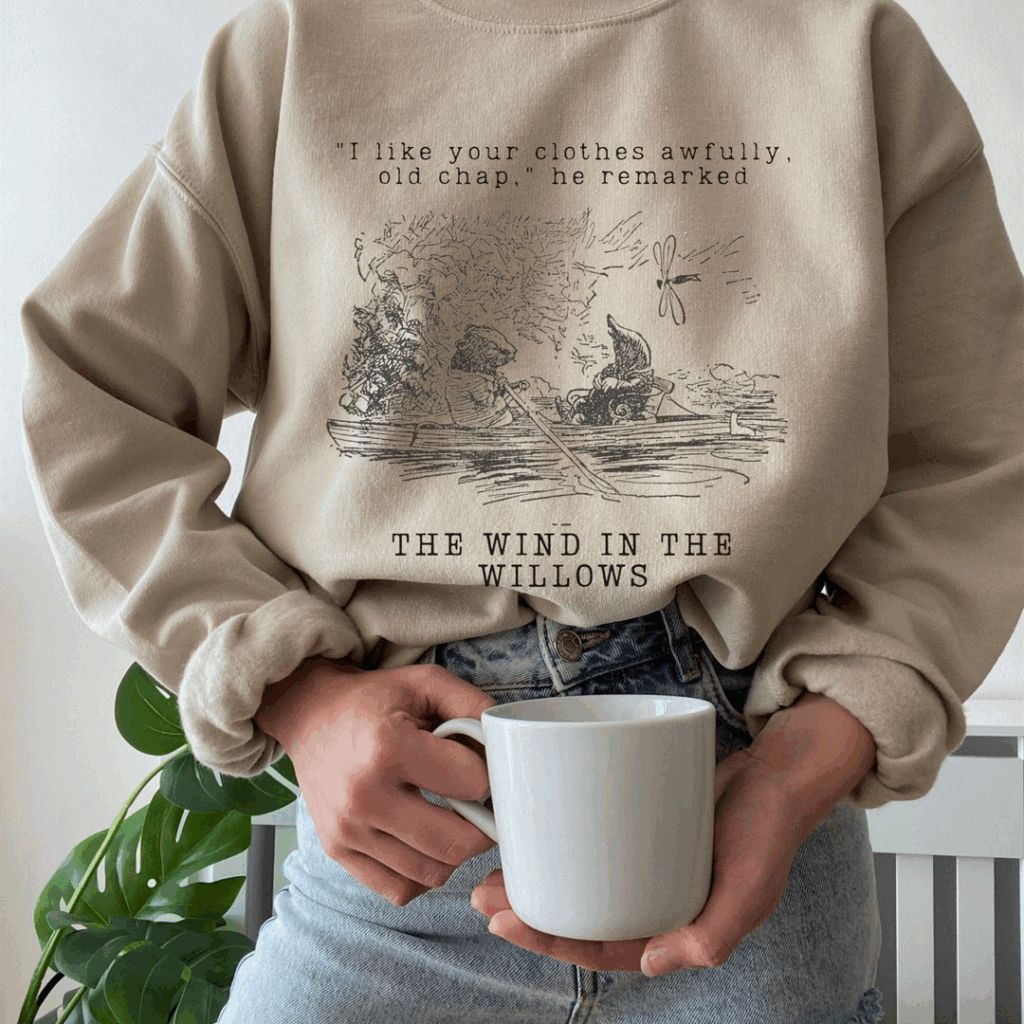
The Wind in the Willows sweater controversy has stirred quite a debate among literary enthusiasts and cultural observers. This unexpected issue arose when a visitor to Westminster Abbey was asked to remove a sweatshirt that featured an illustration linked to Kenneth Grahame’s beloved tale, claiming it depicted ‘demonic imagery.’ The sweater bore an image inspired by the book’s seventh chapter, titled *Piper at the Gates of Dawn*, where the animals encounter a representation of the Greek deity Pan. This incident not only highlights cultural sensitivity but also brings attention to how folklore clothing can be perceived in modern contexts. What some consider whimsical nostalgia, others may interpret as offensive, igniting a conversation about the appropriateness of literary representations in sacred spaces.
In an unexpected turn of events, a recent incident has drawn attention to the intersection of literature and public decorum, sparking a dialogue about cultural norms in places of worship. A visitor to a prominent church faced scrutiny due to her choice of attire, which illustrated themes from a classic children’s novel, raising questions about how such folklore-inspired clothing is perceived. The controversy, tied to depictions associated with characters like the satyr god Pan from *The Wind in the Willows*, emphasizes the delicate balance between personal expression and public sensitivities. Amidst the evolving landscape of societal interpretations, this response to a piece of clothing highlights wider discussions around what is considered respectful attire in revered spaces. As whimsical imagery encounters serious interpretations, the discourse encourages a reflection on representation and the legacy of stories woven into the fabric of culture.
The Wind in the Willows Sweater Controversy: What Happened at Westminster Abbey?
The recent incident involving a Wind in the Willows sweater worn by Linsey Teggert at Westminster Abbey has sparked widespread conversation about cultural sensitivity and the interpretation of folklore. The guards interpreted the illustration of Pan, the satyr-like figure from Kenneth Grahame’s beloved tale, as ‘demonic,’ prompting them to ask Linsey to either remove the garment or cover it up. This controversy raises intriguing questions about how art and literature are perceived, especially in a sacred space such as Westminster Abbey, known for its historical significance and traditional dress code.
Linsey’s experience underlines a fascinating contrast between literary themes and contemporary cultural sensitivity. While objects like the Green Man carvings within the abbey reflect a blend of mythology and Christianity, her sweatshirt featuring Pan was deemed inappropriate. This paradox highlights a crucial conversation about how we express love for literature and its characters through clothing, and how those expressions can be misinterpreted within specific cultural and historical contexts.
Folklore Clothing: A New Trend or Cultural Faux Pas?
Clothing that features folklore imagery, such as that from Wind in the Willows, has exploded in popularity, appealing to those who wish to celebrate literary heritage. These garments can serve as conversation starters and mediums to discuss rich cultural narratives. However, as Linsey’s experience at Westminster Abbey shows, not everyone interprets these designs in the same way. This discrepancy highlights the ongoing dialogue about the boundaries of artistic expression, the role of clothing in society, and our responsibility to approach sensitive cultural symbols thoughtfully.
The rise of folklore clothing also intersects with themes of identity and personal expression, especially for fans of various literary worlds. Yet, it becomes particularly important to recognize where and how these representations are displayed. Is it appropriate to wear attire inspired by the dark undertones of classical literature in places with strict cultural or religious norms? Navigating these waters requires both awareness of the original stories and their contexts, and a consideration for the spaces we occupy.
Cultural Sensitivity in Public Spaces: A Balancing Act
Cultural sensitivity plays a crucial role in how individuals interact with public spaces, especially places like Westminster Abbey that hold significant cultural and religious importance. As Linsey discovered, what may seem benign or historical to one person can invoke strong reactions from another, particularly within environments where respect and sensitivity are paramount. The incident reflects the necessity of understanding the diverse interpretations that art and folklore can inspire among various audiences.
Indeed, the task of balancing personal expression with public sentiment is complex. The approach taken by Westminster Abbey to address Linsey’s situation indicates a willingness to reflect on policies regarding dress codes and their implications in a modern context. Such events serve as reminders of the ongoing evolution of societal norms and the importance of fostering respectful dialogue surrounding diverse perspectives, particularly those rooted in folklore and mythology.
The Role of Pan in Wind in the Willows: A Closer Look
The character of Pan in Wind in the Willows serves as a fascinating embodiment of the themes of nature and mythology. Traditionally associated with nature, shepherds, and rustic music, Pan’s depiction in Grahame’s narrative explores the balance between civilization and the natural world. This character resonates with concepts from various folklore traditions, often seen as a trickster who both aids and challenges the protagonists. Understanding Pan’s multifaceted role can enrich our appreciation of literary works while simultaneously grounding the controversies that arise from their interpretations.
Furthermore, Pan’s presence signals a connection to timeless themes of chaos and order in literature. His representation in Linsey’s sweater was intended as an homage to this richness, rather than an invocation of anything sinister. By engaging with such characters, we can deepen our understanding of folklore’s place within literature and its broader implications. Yet, the challenge remains of reconciling these interpretations with the perceptions of the wider audience, especially in venues such as Westminster Abbey, where reverence for tradition is paramount.
Historical Significance of Westminster Abbey and Dress Codes
Westminster Abbey isn’t just a place of worship; it is a historic monument, housing over a millennium of history steeped in British culture. The institution has developed specific dress codes to maintain the aura of dignity and respect accorded to the space. While these guidelines serve to honor the heritage of such a significant site, they also invite debate about the extent to which personal expression through clothing can coexist with institutional expectations.
The enforcement of dress codes at Westminster Abbey, as seen in Linsey’s case, reveals the sometimes rigid boundaries imposed in culturally significant spaces. These dress codes ask for sensitivity, yet they also raise questions about what is considered respectful. As public expectations evolve, institutions must navigate the line between protecting tradition and allowing individual expressions of culture and literature through clothing.
Literary Adaptations and Modern Interpretations
The literary world is diverse, with characters and stories often reimagined in contemporary settings, reflecting modern values and interpretations. Wyatt’s illustration of Pan, embraced by fans of Wind in the Willows, demonstrates how classic literature continues to inspire and provoke thought. However, as illustrated by the controversy surrounding Linsey’s sweater, modern interpretations can sometimes clash with traditional viewpoints, particularly in places with cultural significance like Westminster Abbey.
As adaptations gain momentum in the realm of fashion and merchandise, the challenge becomes how to honor the nuances of the original work while acknowledging the varied interpretations it inspires. This tension highlights the need for critical engagement with literature and encourages both creators and consumers to be mindful of where and how these interpretations are displayed, especially within public and revered spaces.
Characters of Folklore: Bridging Literature and Real Life
Characters like Pan bridge the worlds of folklore and reality, inviting reflections on human nature and societal values. As Linsey wore her Wind in the Willows sweater, she participated in an ongoing dialogue about these characters and their relevance to our lives. The complexities of folklore characters like Pan challenge us to think about the stories we tell and the symbols we choose to embody through our clothing.
In embracing folklore through attire, wearers like Linsey can celebrate literary legacies while also invoking deeper conversations about meaning, morality, and interpretation. However, the incident at Westminster Abbey underlines the importance of context; characters from folklore may be seen in various lights and can evoke different responses based on setting and audience. Navigating these perspectives ensures that the conversation around folklore remains rich and respectful, fostering a more inclusive understanding of its cultural significance.
The Response from Westminster Abbey: An Invitation for Dialogue
Following Linsey’s experience, Westminster Abbey expressed a desire to reflect on its dress code policies, acknowledging that the interpretation of clothing can vary widely. The abbey’s spokesperson indicated a willingness to engage in dialogue about the meaning attached to attire featuring folklore and mythological themes. This reflects a growing recognition of the need to balance traditional expectations with emerging interpretations of art and culture, encouraging a more nuanced understanding of sensitive topics.
Moreover, the gracious invitation for Linsey and her husband to return for tea and cake exemplifies the abbey’s openness to learning from this incident. Such responses are crucial for bridging gaps between institutional regulations and individual expressions. Engaging with the community allows for a more inclusive narrative where art and folklore can thrive, ensuring historical reverence while embracing diverse forms of interpretation.
Navigating Modern Myths in a Secular Society
In a secular society, the nuances of mythology and folklore often become interwoven with contemporary life, creating a rich tapestry of beliefs and interpretations. However, incidents like the one at Westminster Abbey highlight an ongoing struggle to navigate these realms; can characters from tales like Wind in the Willows coexist with the solemnity of sacred spaces? The implications of Linsey’s experience raise essential questions about how we respect historical and cultural context while also engaging with literature’s imaginative elements.
Navigating the landscape of modern myths requires a careful balance between acknowledging their historical significance and embracing their adaptability in present narratives. As societal values shift, the conversation surrounding folklore attire, its interpretation, and its appropriation in public forums will continue to evolve. The confrontation at Westminster Abbey underscores the importance of respectful engagement between historical contexts and contemporary expressions of culture, inviting further exploration into how we mirror art in society.
Frequently Asked Questions
What sparked the Wind in the Willows sweater controversy at Westminster Abbey?
The Wind in the Willows sweater controversy arose when a visitor was told to remove her sweatshirt depicting an illustration of Pan from Kenneth Grahame’s book, as security guards deemed it to have ‘demonic imagery’. This incident highlighted issues of cultural sensitivity in relation to folklore clothing.
Why was the illustration from Wind in the Willows considered inappropriate at Westminster Abbey?
The illustration from Wind in the Willows was considered inappropriate at Westminster Abbey because it depicted Pan, a figure associated with folklore, but the guards interpreted it as demonic imagery. This interpretation raised questions about cultural sensitivity and the representation of folklore in public spaces.
How does the Piper at the Gates of Dawn relate to the Wind in the Willows sweater controversy?
The Piper at the Gates of Dawn, a chapter in Wind in the Willows where the characters meet Pan, is central to the controversy. The depiction of Pan on Linsey Teggert’s sweater was misinterpreted as a ‘devil’, leading to her being asked to remove the item at Westminster Abbey.
What was Linsey Teggert’s response to being asked to remove her Wind in the Willows sweater?
Linsey Teggert, feeling the Wind in the Willows sweater was misinterpreted, explained to the security guards that Pan is a part of folklore and mythology. Despite her efforts to clarify, she complied with the request and tied the sweater around her waist, prompting feelings of confusion and annoyance.
What does the Wind in the Willows sweater controversy reveal about cultural sensitivity?
The Wind in the Willows sweater controversy illustrates the complexities of cultural sensitivity, especially in places like Westminster Abbey, where certain imagery may be perceived differently. It raises awareness about the need for understanding folklore clothing and its meanings within cultural contexts.
Did Westminster Abbey change its policy regarding clothing after the Wind in the Willows sweater incident?
While Westminster Abbey has a dress code that encourages respect and sensitivity, the spokesperson indicated that the incident involving the Wind in the Willows sweater would be used to provide feedback to their security teams. No formal policy changes were mentioned following the controversy.
What can visitors learn from the Wind in the Willows sweater controversy when visiting cultural sites?
Visitors can learn the importance of understanding cultural sensitivity and dress codes at sites like Westminster Abbey. Awareness of how certain images may be interpreted will help ensure respectful experiences while appreciating the folklore clothing and cultural interpretations therein.
| Aspect | Details |
|---|---|
| Incident | Visitor banned from wearing a sweatshirt depicting imagery from Wind in the Willows at Westminster Abbey. |
| Sweatshirt Design | Illustration of Pan, linked to a chapter titled ‘Piper at the Gates of Dawn’. |
| Visitor Background | Linsey Teggert, a folklore enthusiast, unaware of the design’s controversy. |
| Security Response | Security guard claimed the image was ‘demonic’ and required her to cover it. |
| Visitor’s Reaction | Felt anxious, confused and complied, even though she disagreed with the interpretation. |
| Abbey’s Stance | Dress code requires respect; possible misinterpretation of the sweater’s imagery acknowledged. |
Summary
The Wind in the Willows sweater controversy highlights the tension between artistic expression and institutional interpretation. The incident at Westminster Abbey, where a visitor was asked to remove a cherished piece of clothing due to its depiction of Pan, serves as a reminder of the complexities surrounding culture and representation in public spaces. Despite the visitor’s insistence on the historical context, the reaction from security reflects concerns about how certain images may be perceived in a sacred environment. As this event circulates, it invites discussions on the balance of interpretation, respect for heritage, and the freedom to express personal connections to beloved literature.