Listen to this article
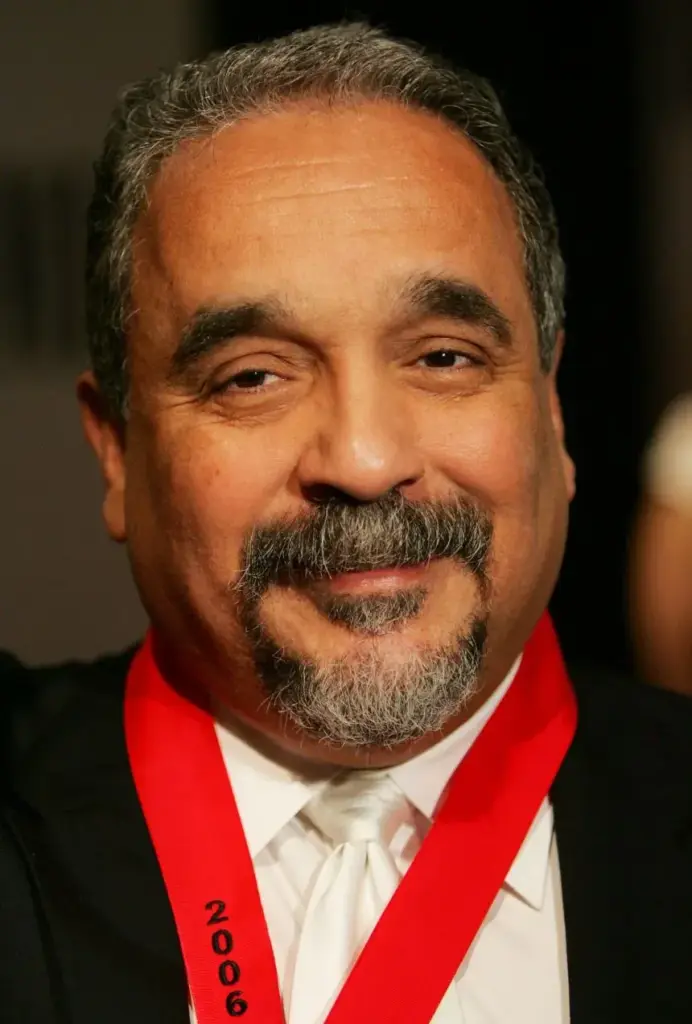
Willie Colón, the legendary trombonist and salsa music pioneer, has passed away at the age of 75, leaving behind a profound legacy that continues to resonate within the genre. Known for his innovative approach to blending jazz, mambo, and traditional Puerto Rican sounds, Colón’s influence is undeniable in the salsa movement. His renowned tracks, such as “El Malo” and “Gitana,” showcased not only his mastery of the trombone but also his ability to address social issues through music. Fans worldwide mourn the loss of Willie Colón, a musician whose contributions have transcended generations. As the world commemorates his remarkable life, we reflect on the enduring impact of his Colón music legacy and the profound sadness of Willie Colón’s death.
The recent news of the famed trombonist Willie Colón’s demise has sparked a heartfelt reaction from admirers of salsa music around the globe. This celebrated figure, known for revolutionizing the salsa scene, combined a variety of musical styles to create a sound representative of his Puerto Rican heritage. Colón, an influential figure in the Latin music industry, produced numerous hits that highlighted the culture and challenges faced by the Latino community. His unique ability to weave narratives into his tracks positioned him as an important social commentator during a tumultuous era in music history. As we pay tribute to the star, we are reminded of the depth and richness of the musical landscape he helped develop.
The Life and Legacy of Willie Colón
Willie Colón, born on April 28, 1950, in the South Bronx of New York, was not just a trombonist but a pivotal figure who shaped the salsa music landscape. His musical journey began at a young age, with Colón first playing the trumpet before discovering his true passion for the trombone. The streets of the Bronx served as his initial stage, where the vibrant sounds of salsa and Puerto Rican culture intertwined to influence his unique style. By the time he turned 16, Colón had already made his mark in the music industry with his groundbreaking album ‘El Malo,’ alongside Héctor Lavoe, which laid the foundation for what would become a stellar career spanning nearly six decades. Throughout his life, Colón captured the complexities of Puerto Rican identity and the Latino experience in the United States through his compelling lyrics and powerful compositions.
Colón’s legacy is profound and multi-faceted; he was a visionary who didn’t just perform salsa but also molded it into a powerful medium of cultural expression and political discourse. His collaborations with other legendary artists, including Rubén Blades and Celia Cruz, exemplify his ability to merge various musical influences while staying true to the roots of salsa. His tracks often depicted narratives of struggle and resilience, which resonated deeply within the Latino community. With over 40 albums to his credit and numerous accolades, including Latin Grammy recognitions, Willie Colón is remembered as a music pioneer whose influence transcended mere entertainment, making him an enduring icon in both the musical and activist realms.
Frequently Asked Questions
What is the significance of Willie Colón in salsa music history?
Willie Colón is considered a salsa music pioneer who played a crucial role in shaping the genre. As a talented trombonist and bandleader, he contributed to the New York sound in the 1970s with hits like ‘El Malo’ and ‘Oh, Qué Será,’ bridging cultural gaps between Puerto Rican and American music.
What are some of the most popular songs by trombonist Willie Colón?
Trombonist Willie Colón is known for numerous iconic salsa songs, including ‘El Malo,’ ‘Gitana,’ and ‘Talento de Televisión.’ His collaborations, particularly with singer Héctor Lavoe, produced timeless tracks that remain influential in salsa music today.
When did Willie Colón pass away and how was his death announced?
Willie Colón passed away at the age of 75 on Saturday morning, as confirmed by his family via a heartfelt social media post. They expressed both grief and gratitude for the musical legacy he leaves behind.
How did Willie Colón contribute to the cultural identity of Puerto Ricans in the U.S.?
Willie Colón’s music explored the complexities of Puerto Rican identity within the U.S. His songs often reflected the struggles and contributions of Puerto Ricans, using salsa to raise awareness and connect communities through shared experiences.
What accolades did Willie Colón achieve during his career?
Throughout his nearly 60-year career, Willie Colón received numerous accolades, including 10 Grammy nominations and the Latin Grammys’ Musical Excellence Award in 2004, acknowledging his transformative impact on salsa music.
What was the cause of Willie Colón’s death?
While Willie Colón’s family announced his passing, they did not provide a specific cause of death. His death marked the loss of a major figure in salsa music, celebrated for his contributions to the genre.
What is the Colón music legacy?
The Colón music legacy is marked by Willie Colón’s innovative blend of traditional salsa with elements of jazz and Puerto Rican folklore. His work not only popularized salsa music but also established a powerful cultural narrative for generations.
How did Willie Colón influence modern Latin artists?
Willie Colón’s pioneering work in salsa music has directly influenced many contemporary Latin artists, including Bad Bunny, who referenced him in the song ‘Nuevayol,’ demonstrating Colón’s enduring impact on the genre and its evolution.
What were Willie Colón’s early influences in music?
Willie Colón started his musical journey at a young age, initially playing the trumpet before transitioning to trombone. Growing up in the Bronx during the rise of salsa music, he was deeply influenced by the vibrant Latin music scene and Caribbean culture.
Did Willie Colón engage in any social activism?
Yes, Willie Colón was known for his social activism, supporting causes such as the Latino Commission on AIDS and immigrant rights. His commitment to these issues was an integral part of his identity as an artist and public figure.
| Key Points |
|---|
| Willie Colón, a pioneering salsa trombonist and orchestra leader, has passed away at age 75. |
| Born on April 28, 1950, in South Bronx, New York, Colón began his music career at 12 playing trumpet. |
| He first recorded his album “El Malo” in 1967 with Héctor Lavoe and became part of the influential Fania record label. |
| Colón was known for his politically charged lyrics and helped popularize salsa music on a global scale. |
| He influenced an entire generation with hits like “Gitana” and worked alongside notable artists like Rubén Blades and Celia Cruz. |
| Over his career, he produced more than 40 albums, sold over 30 million copies, and received 10 Grammy nominations. |
| Colón was also recognized for his activism and was honored with the Latin Grammys’ Musical Excellence Award in 2004. |
| He is survived by his wife Julia Craig and their children. |
Summary
Willie Colón, the legendary trombonist and revolutionary figure in salsa music, leaves behind a remarkable legacy. His innovative approach not only shaped the genre but also inspired countless artists. Colón’s ability to infuse social messages into his music made him a voice for cultural representation and change. As we honor his contributions, we recognize that his melodies and rhythms will continue to resonate in the hearts of fans worldwide.