Listen to this article
The Bank of England interest rate impact on mortgages is a crucial factor for anyone navigating the housing market today. As the central bank adjusts its rates to control economic fluctuations, these decisions can directly affect mortgage rates and ultimately shape the financial landscape for homeowners. For borrowers, understanding how these interest rate changes influence their monthly payments is essential, especially when considering options like fixed-rate versus variable rate mortgages. Increased rates usually lead to higher borrowing costs, which can strain budgets and affect home affordability. Thus, staying informed about the Bank of England’s decisions can empower homeowners and potential buyers alike to make sound financial choices.
Navigating the financial implications of the Bank of England’s monetary policy is vital when it comes to mortgage management. As interest rates shift, they inevitably impact various lending options available to consumers, influencing their borrowing potential and monthly obligations. Homeownership aspirations can be significantly altered by fluctuations in interest rates, whether through fixed or adjustable-rate financing solutions. Those actively engaged in the property market need to remain cognizant of how these trends will affect their purchasing power and long-term investments. In this context, understanding the nuances of economic signals is key to making informed mortgage decisions.
The Influence of Bank of England Interest Rate on Mortgage Rates
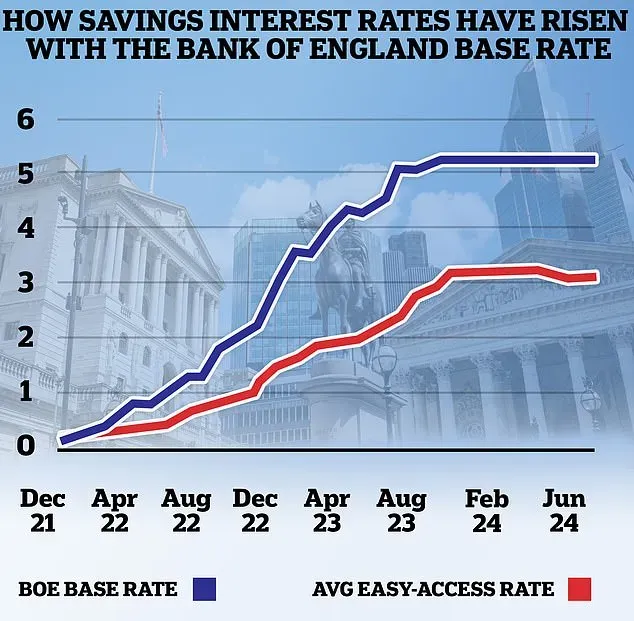
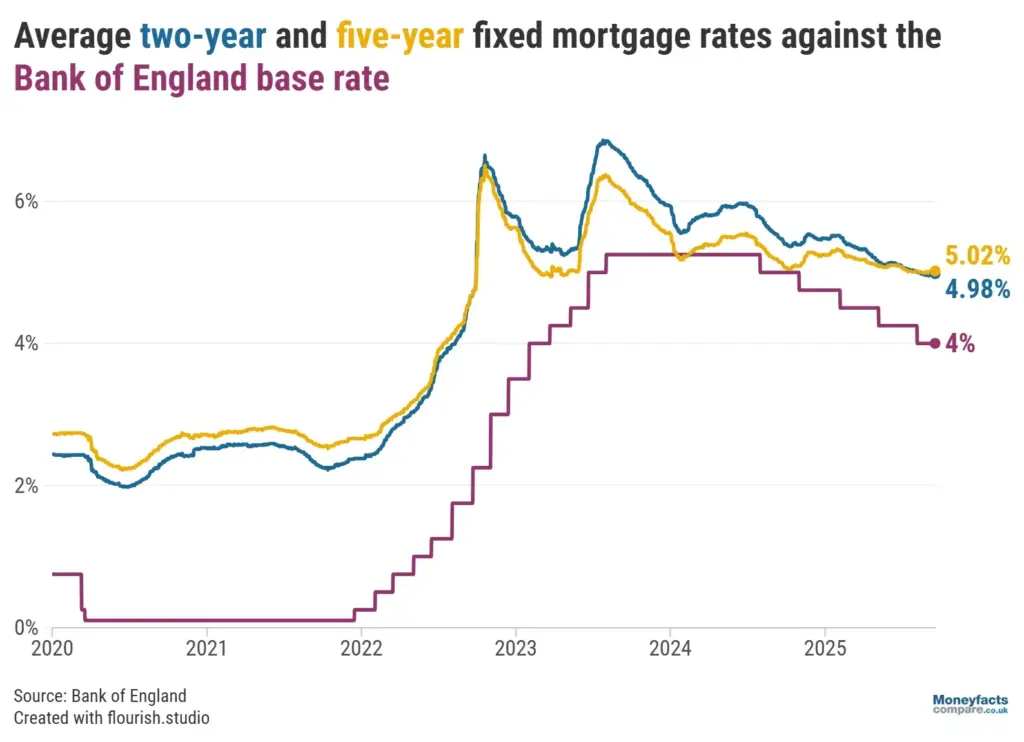
The Bank of England plays a crucial role in influencing mortgage rates through its control of interest rates. When the Bank decides to adjust the Bank Rate, it sends ripples through the financial sector, which includes lenders who offer various mortgage products. As a result, when the BoE raises the interest rate, lenders typically respond by increasing mortgage rates, which can hit homeowners with variable rate mortgages the hardest. Borrowers who have fixed mortgages can breathe a sigh of relief, at least temporarily, knowing that their rates are secured for the duration of their terms.
Conversely, when the Bank lowers its interest rate, this can lead to more competitive mortgage deals, making it an opportune time for potential buyers to enter the housing market. Lower mortgage rates often stimulate housing activity by making homeownership more affordable. Consequently, understanding the correlation between the Bank of England’s interest rate decisions and the resulting mortgage rates is essential for current homeowners and prospective buyers alike.
Fixed-Rate Mortgages vs. Variable-Rate Mortgages
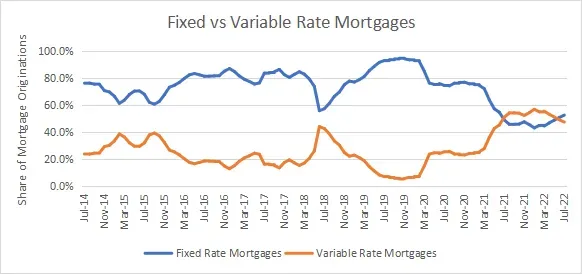
When considering your mortgage options, the distinction between fixed-rate and variable-rate mortgages is paramount. Fixed-rate mortgages provide stability, locking in interest rates for a defined period, usually between two to ten years. This security allows homeowners to budget effectively, knowing their payments won’t fluctuate with the market. In times of rising interest rates driven by the Bank of England’s decisions, fixed-rate borrowers are safeguarded from sudden payment increases.
On the other hand, variable-rate mortgages typically start with lower rates that can rise and fall in connection with the BoE’s adjustments to the interest rate. As these rates fluctuate, homeowners holding variable loans may see their monthly payments increase, potentially leading to financial strain. Understanding these differences can help homeowners and buyers make informed decisions that align with their financial situations.
The Economic Impact of Rising Interest Rates on the Housing Market
Rising interest rates can have a profound impact on the housing market, often leading to a slowdown in activity. As mortgage rates increase, potential buyers may hesitate to make purchases due to the elevated borrowing costs. This reluctance can lead to fewer transactions and, in turn, a decrease in home prices as supply outstrips demand. For current homeowners, this scenario can decrease the equity in their property, especially if they were considering selling.
Moreover, as borrowing becomes more expensive, first-time buyers—often the backbone of a thriving housing market—may find themselves priced out of the market. This trend can create ripples across the economy, affecting construction jobs and related industries, which underscores the importance of understanding how economic factors and Bank of England decisions intertwine to influence housing dynamics.
Strategies for Homeowners to Manage Rising Mortgage Payments
In light of potential increases in interest rates, homeowners should consider strategies to mitigate the impact on their mortgages. One proactive option is transitioning from a variable-rate mortgage to a fixed-rate mortgage, securing predictable payments for the duration of the term. This forwards-thinking approach offers peace of mind, particularly in unstable financial climates driven by rising interest rates.
Additionally, homeowners might want to explore the option of making extra payments towards their mortgage principal. This strategy not only reduces the overall loan amount but can also lessen the impact of potential interest rate hikes on total loan costs. Staying informed about economic trends and proactively strategizing around potential scenarios can help homeowners navigate the complexities of the mortgage landscape.
Economic Indicators Influencing Bank of England Decisions
To understand the potential for future interest rate adjustments by the Bank of England, it’s essential to monitor key economic indicators. Inflation is a primary concern for the Bank; when it exceeds target levels, the BoE may raise interest rates to maintain economic stability. Therefore, those looking to manage their mortgages effectively should pay close attention to inflation rates and predictions.
Additionally, employment rates and consumer spending levels serve as barometers for economic health. A robust job market typically leads to increased consumer confidence, which may trigger rate hikes as the Bank attempts to cool an overheating economy. By staying informed about these economic signals, homeowners and potential buyers can make better-informed decisions regarding their mortgages.
The Importance of Consultation with Financial Advisors
Navigating the complexities of interest rates and mortgages can be daunting, highlighting the importance of consulting with financial advisors. Financial professionals can provide tailored advice based on individual circumstances, helping homeowners and prospective buyers understand how current economic conditions and Bank of England decisions may impact their mortgage strategies.
Such consultations can yield insights into the options available, whether it be locking in a fixed-rate mortgage or exploring ways to offset potential rate hikes. In a fluctuating interest rate environment, having expert guidance can significantly enhance confidence in your mortgage decisions and overall financial planning.
Frequently Asked Questions
How does the Bank of England interest rate impact mortgage rates?
The Bank of England’s interest rate directly influences mortgage rates. When the Bank raises its rates, lenders typically increase their mortgage rates, resulting in higher borrowing costs for homeowners. Conversely, if the BoE lowers its rate, mortgage rates often decrease, making loans more affordable.
What are the effects of Bank of England interest rate changes on variable rate mortgages?
For homeowners with variable rate mortgages, an increase in the Bank of England’s interest rate can lead to higher monthly payments. This change can strain budgets, as payments adjust upwards along with interest rates, impacting overall financial flexibility.
Should I switch to a fixed-rate mortgage during Bank of England interest rate fluctuations?
Switching to a fixed-rate mortgage can be a strategic move when the Bank of England is expected to raise interest rates. A fixed-rate mortgage locks in your interest rate for a specified period, providing protection against future rate increases and stabilizing your monthly payments.
What happens to the housing market when the Bank of England raises interest rates?
When the Bank of England raises interest rates, the housing market may slow down. Higher borrowing costs can deter potential buyers, leading to a decrease in demand, which may lower home prices. This situation can negatively affect existing homeowners considering selling their properties.
How do rising interest rates affect buying power for home loans?
As the Bank of England raises interest rates, the cost of borrowing increases, which can reduce your overall buying power. Lenders calculate how much you can afford based on current mortgage rates, so higher interest rates may limit the amount you can borrow, potentially pushing your dream home out of reach.
What strategies can I use to mitigate the impact of Bank of England interest rate hikes on my mortgage?
To mitigate the impact of potential interest rate hikes, consider fixing your mortgage rate to protect against future increases, making extra payments on your principal to reduce your loan balance, and staying informed about economic indicators related to the Bank of England’s decisions.
| Key Points | Details |
|---|---|
| The Role of the Bank of England | The Bank of England regulates monetary policy and uses interest rates to control inflation and stabilize the economy. |
| Impact of Rising Rates on Mortgages | Higher interest rates increase borrowing costs, affecting mortgage rates and monthly payments for homeowners. |
| Fixed-rate Mortgages | A fixed-rate mortgage locks in an interest rate for a specified period, offering stability against rate hikes. |
| Variable-rate Mortgages | These mortgages may see changing payments as interest rates fluctuate based on the Bank Rate. |
| Consequences of Payment Increases | Increased payments can strain budgets, potentially impacting financial flexibility and spending. |
| Housing Market Reaction | Higher rates may slow down the housing market and decrease home prices due to reduced buyer demand. |
| Fluctuating Buying Power | As rates rise, potential borrowing amounts decrease, limiting options for homebuyers. |
| Strategies to Cope with Rising Rates | Strategies include switching to fixed-rate mortgages, increasing payments, and staying informed about economic trends. |
| Economic Indicators to Watch | Key indicators such as inflation, employment rates, and consumer spending signal potential interest rate changes. |
Summary
The Bank of England interest rate impact on mortgages can significantly affect borrowers’ financial situations. As interest rates fluctuate, understanding these changes is crucial for determining mortgage costs and payment responsibilities. Homeowners with variable-rate mortgages may experience increased monthly payments, while those with fixed-rate agreements can protect themselves from future hikes. The effects extend to the housing market as rising rates may deter buyers and cause home values to drop. By adopting strategies like considering fixed mortgages and staying informed on economic conditions, borrowers can better navigate the implications of the Bank of England’s interest rate policies on their mortgages.