
Listen to this article
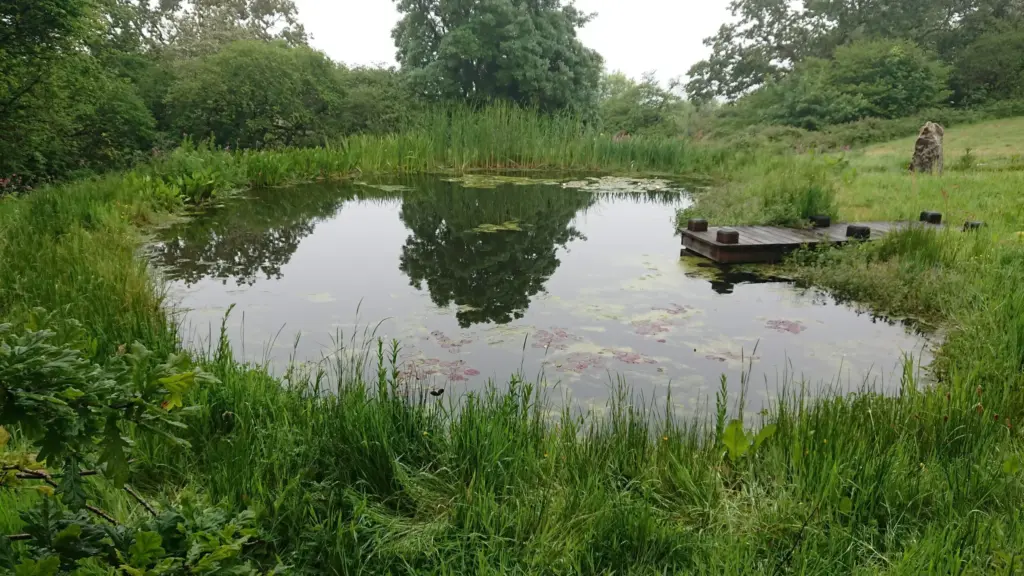
Imagine a rejuvenating oasis nestled in south London—a wild swimming pond that promises both adventure and tranquility. Proposed by Southwark Council, this new addition would be located near the historic Gasholder No. 13, named after the visionary gasworks founder George Livesey. The facility is set to blend the joys of cold water swimming with innovative natural water filtration through a series of carefully designed reed beds. If realized, this unique wild swimming pond would not only offer a refreshing retreat but also stand as a pioneering health initiative, unmatched in London or even throughout Europe. As part of ongoing revitalization efforts along the Old Kent Road, this project signals a commitment to creating greener, healthier spaces for local residents to enjoy.
In the realm of outdoor swimming, the emergence of a natural swimming pool is capturing the imagination of many. This exciting project, labeled a wild swimming pond, represents a harmonious blend of recreation and environmental sustainability in a bustling urban landscape. Envisioned alongside the iconic Gasholder No. 13 in South London, the space aims to transform local waterways into a thrilling destination for cold water enthusiasts. Through the use of reed beds for ecological filtration, this natural water habitat not only guarantees a safe swimming environment but also enhances local biodiversity. Such a commitment to creating unique aquatic facilities is paving the way for a healthier community in the heart of the city.
The Vision for a Wild Swimming Pond in South London
The proposal for a wild swimming pond in South London, particularly in the vicinity of Gasholder No. 13, represents a significant step toward revitalizing the area. This initiative is part of a broader vision by the Southwark Council to enhance community wellness and promote outdoor activities. As cold water swimming gains popularity, particularly for its health benefits, the new pond aims to provide residents with an authentic swimming experience in a unique setting. It will not only serve as a recreational area but also as a natural ecosystem, encouraging biodiversity through its innovative design.
Transforming Gasholder No. 13 into a wild swimming pond aligns with a growing trend toward utilizing natural water bodies for recreation. South London swimming enthusiasts will welcome the chance to swim in a facility that emphasizes sustainability and the use of natural water filtration methods. By integrating reed beds into the design, the pond will help filter water naturally, creating a cleaner and more enjoyable swimming experience. This approach not only fosters a connection between urban life and nature but also reflects the council’s commitment to developing greener spaces for the community.
Historical Significance of Gasholder No. 13
Gasholder No. 13, a Grade II listed building, is steeped in history and served as a vital component of the gasworks established by George Livesey in the late 19th century. The decision to repurpose this historic structure for a wild swimming pond illustrates a creative approach to conservation and urban regeneration. The incorporation of such a unique facility into this historical context will make it a landmark destination in South London, providing visitors with both recreational opportunities and a glimpse into the area’s rich industrial heritage.
Recognized by Historic England in 2017, Gasholder No. 13 is not just an architectural feature but also a testament to the philanthropic spirit of George Livesey. His contributions to the community, including libraries and sports grounds, reflect a commitment to improving the quality of life for local residents. Reviving this iconic structure as part of a modern recreational facility will honor Livesey’s legacy while also creating a vibrant community hub that promotes health and well-being through activities like cold water swimming.
The Role of Natural Water Filtration in Sustainable Design
Natural water filtration is a key component of the proposed wild swimming pond, setting a precedent for environmentally-friendly recreational spaces. By using reed beds to filter water, the pond will reduce reliance on traditional chemical treatments, fostering a healthier swimming environment for users. This system mimics natural ecosystems, supporting local wildlife and enhancing biodiversity, which is crucial for maintaining ecological balance in urban settings.
The integration of natural filtration systems not only benefits swimmers but also contributes to the overall sustainability goals of the Old Kent Road regeneration project. As South London continues to evolve, creating green spaces that utilize innovative designs helps reconnect residents with nature. The wild swimming pond, with its emphasis on sustainable practices, will serve as an exemplary model for future developments, highlighting the importance of preserving natural processes even in urban environments.
Benefits of Cold Water Swimming for Health and Well-being
Cold water swimming has been gaining traction in recent years due to its numerous health benefits. Studies suggest that exposure to cold water can boost immunity, enhance mood, and promote overall mental well-being. By establishing a wild swimming pond in South London, the proposal opens up a new dimension for local residents to engage in this invigorating activity. The pond will not only offer a unique swimming experience but will also encourage community members to adopt healthier lifestyles.
Furthermore, the accessibility of cold water swimming in a local environment makes it easier for residents to incorporate this practice into their routines. With the natural setting of George Livesey park surrounding the swimming pond, more people will be inclined to visit and utilize the facilities. This, in turn, supports the idea of a greener, more active neighborhood, fostering connections among individuals while emphasizing the importance of health and wellness.
The Future of Community Spaces in Urban Development
As urban areas become increasingly dense, the importance of community spaces cannot be overstated. The proposed wild swimming pond at Gasholder No. 13 exemplifies how innovative urban development can integrate recreational spaces that serve both environmental and social purposes. By creating parks and areas for communal interaction, Southwark Council can help promote a sense of belonging among residents, encouraging them to engage with their surroundings and with each other.
This vision for community-centered spaces aligns with global trends in urban planning, where the focus is shifting towards creating holistic environments that prioritize human well-being and ecological sustainability. As the Old Kent Road undergoes regeneration, implementing proposals like the swimming pond not only addresses community needs but also sets a benchmark for future developments across London and beyond.
Funding the Vision: Community and Developer Contributions
A significant aspect of making the wild swimming pond a reality is securing adequate funding. The Southwark Council is exploring various avenues for financial support, including contributions from developers involved in the nearby regeneration projects. With the prospect of building 800 homes in the area, the anticipated financial backing could play a crucial role in transforming Gasholder No. 13 into a vibrant community asset. This collaborative approach highlights the importance of public-private partnerships in urban regeneration.
Developers can also benefit from associating with such an innovative project, as it enhances the appeal of their residential developments. Incorporating unique community features like the wild swimming pond can attract potential homebuyers looking for environments that promote health and wellness. As funding conversations progress, it will be crucial for all stakeholders to recognize the mutual benefits of investing in community-focused initiatives.
Community Engagement in Regeneration Projects
Community engagement is a vital component of any successful regeneration project, and the proposal for a wild swimming pond is no exception. Southwark Council is committed to involving local residents in discussions about the development, ensuring that their needs and perspectives shape the outcome. By fostering a collaborative atmosphere, community feedback can be invaluable in guiding the design and functionality of the swimming facility, making it a space that truly serves its users.
Creating opportunities for residents to participate in the planning process not only empowers them but also strengthens community bonds. Engaging with stakeholders through workshops or public forums can yield valuable insights into what the community wants from the pond and surrounding park. This kind of involvement ensures that the outcome is a facility that reflects the desires of the local population, making it a beloved and well-used space in South London.
Unique Aspects of the Proposed Swimming Facility
The wild swimming pond proposed for Gasholder No. 13 will be defined by its uniqueness, setting it apart from traditional swimming facilities in London and beyond. Its incorporation of natural water features and historical context adds layers of complexity to the experience. Visitors will have the opportunity to swim amidst a site rich in industrial heritage while enjoying a biodiverse aquatic ecosystem, making each swim not just a physical activity, but an immersive experience.
Additionally, the prospect of swimming in a facility surrounded by thoughtfully designed reed beds underscores the commitment to sustainability. This innovative blend of history, recreation, and environmental consciousness can make the swimming pond a distinctive landmark, attracting visitors from across London who are eager to engage in a recreational activity that also respects nature and history.
The Impact of Regeneration on Local Ecosystems
While urban regeneration often focuses on residential and commercial development, it is also crucial to consider the potential impact on local ecosystems. The wild swimming pond’s design, incorporating natural filtration through reed beds, is an excellent example of how regeneration projects can enhance rather than disrupt environmental balance. By thoughtfully integrating ecological principles into the development, the pond will support local flora and fauna, promoting biodiversity even in an urban setting.
Moreover, by creating habitats within the swimming pond area, the project can contribute positively to South London’s ecological network. Residents and visitors will not only enjoy recreational opportunities but will also engage with nature, fostering a deeper appreciation for their local environment. Such initiatives highlight the importance of viewing urban development through a holistic lens, where human enjoyment and ecological sustainability coexist.
Frequently Asked Questions
What is the wild swimming pond planned for Gasholder No. 13 in south London?
The wild swimming pond proposed for Gasholder No. 13 in south London is part of a unique regeneration initiative by Southwark Council. It aims to create a cold water swimming facility that utilizes natural water filtration through reed beds, offering a distinct outdoor swimming experience in a historic setting.
How will the wild swimming pond at George Livesey Park benefit the community?
The wild swimming pond at George Livesey Park is designed to enhance community health and wellness by providing a unique swimming option in south London. This facility will not only promote cold water swimming but will also improve biodiversity in the area through its natural water filtration system.
What makes the wild swimming pond at Gasholder No. 13 unique compared to other swimming options in London?
The wild swimming pond at Gasholder No. 13 is unique because it combines cold water swimming with the natural beauty and filtration provided by reed beds. This approach not only offers a swimming experience unlike any other in London, but also preserves the historical significance of the Grade II listed gasholder.
Will the wild swimming pond in south London be safe for swimmers?
Yes, the proposed wild swimming pond in south London is designed with safety in mind. The natural water filtration system using reed beds will help maintain water quality, and ongoing assessments will be conducted to ensure a safe swimming environment for all users.
How does cold water swimming contribute to health and wellness at the new wild swimming pond?
Cold water swimming at the new wild swimming pond offers several health benefits, including improved circulation, reduced inflammation, and enhanced mental clarity. This facility in south London will provide a refreshing and invigorating experience for those seeking natural wellness opportunities.
What are the funding plans for the wild swimming pond at Gasholder No. 13?
Funding for the wild swimming pond at Gasholder No. 13 will primarily come from developers of nearby residential projects. The council is working to clarify the overall business case and costs associated with transforming this local landmark into a community swimming facility.
When is the wild swimming pond project at George Livesey Park expected to be completed?
As of now, the wild swimming pond project at George Livesey Park is still in its early planning stages, and no official completion date has been announced. The council is focused on verifying the business case and moving forward with the necessary approvals.
What environmental advantages does the proposed wild swimming pond in south London have?
The proposed wild swimming pond in south London will utilize natural water filtration through reed beds, promoting biodiversity and creating a healthier ecosystem. This environmentally friendly approach aligns with the council’s commitment to greener neighborhood developments in the area.
| Key Point | Details |
|---|---|
| Location | South London, around Gasholder No. 13. |
| New Park Name | George Livesey Park, |
| Wild Swimming Pond | The pond will feature cold water swimming and natural filtration through reed beds. |
| Development Status | In early planning stages and still requires approval. |
| Funding | Some funding from a development of 800 homes nearby. |
| Historical Significance | Gasholder No. 13 is a Grade II listed structure, built between 1879 and 1881. |
| Community Impact | Will enhance local greenspace and offer unique recreational opportunities. |
Summary
A wild swimming pond in South London is proposed to be developed within the historic Gasholder No. 13, aiming to provide a unique swimming experience that emphasizes environmental sustainability. The initiative, part of the Old Kent Road regeneration efforts, underscores a commitment to creating healthier community spaces while preserving local heritage. If approved, this innovative wild swimming pond will not only offer recreational benefits but will also serve as a model for future urban green developments in the area.