
Listen to this article
The relationship between sport and mental health is becoming increasingly clear in our modern society. Engaging in physical activity has been shown to provide numerous physical activity benefits that extend beyond just fitness; it plays a crucial role in enhancing mental wellbeing. Research consistently highlights how exercise for mental health can lead to improved mood, reduced anxiety, and a greater sense of overall wellness. By participating in sports, individuals not only get a great workout, but they also experience significant stress reduction through exercise, paving the way for a healthier mindset. This blog post will explore the essential connection between sport and mental health, unveiling the myriad ways that active participation can transform emotional and psychological health.
The importance of athletics for psychological stability and emotional resilience cannot be overstated. As communities increasingly prioritize mental fitness alongside physical health, it is essential to understand how engaging in competitive and individual sports can serve as a powerful tool for stress management and emotional balance. Activities ranging from team-based games to personal fitness routines promote overall wellness and significantly impact mental clarity and stability. By fostering a routine of regular physical engagement, individuals can discover enhanced coping mechanisms and a strengthened sense of community, ultimately transforming their mental landscape for the better. This discussion will delve into how various forms of exercise can support mental health and contribute to a fulfilled life.
Understanding the Physical Activity Benefits for Mental Health
Engaging in regular physical activity provides a range of benefits that transcend mere physical fitness. Primarily, it establishes a dependable framework for enhancing mental health. When individuals incorporate physical activities into their daily lives, they often notice an increase in their overall mood and emotional stability. This shift occurs because exercise promotes the release of various neurotransmitters, particularly serotonin and dopamine, which are critical for maintaining mental wellbeing.
Moreover, regular participation in physical activity helps individuals create coping mechanisms for life’s stressors. For example, activities like jogging or swimming can provoke a meditative state, allowing one to reflect and alleviate feelings of anxiety. When these activities become a part of one’s lifestyle, they foster resilience against mental health issues such as depression and chronic stress.
The Role of Exercise in Stress Reduction through Physical Activity
Exercise is widely recognized as one of the most effective tools for stress management. By engaging in sports, individuals can experience an immediate reduction in tension and anxiety levels. During physical activity, cortisol levels, often referred to as the stress hormone, are significantly lowered, leading to calmer mental states and enhanced emotional resilience. This physiological change is pivotal during stressful times and prepares one to handle life’s challenges more effectively.
Additionally, the rhythmic nature of many sports can be meditative, further assisting in stress reduction. Activities such as cycling, running, or swimming allow participants to zone out, promoting a sense of peace and tranquility. This emotional reprieve is essential for mental health, as it breaks the cycle of worry and helps individuals regain focus on the present moment.
How Sports and Wellness Intersect
The intersection of sports and wellness emphasizes holistic approaches to health, combining physical fitness, mental clarity, and emotional stability. Engaging in sports not only boosts physical health but also contributes to improving mental wellness, creating a balanced lifestyle. This synergy between physical activity and mental health results in improved emotional regulation and cognitive function.
Participating in sports can create a personalized wellness model, which might encompass physical, motivational, and emotional components. The team environment fostered through group sports can contribute significantly to one’s sense of well-being, encouraging social connections that facilitate positive mental health outcomes.
Enhancing Mental Wellbeing Through Exercise
Exercise serves as a powerful instrument for enhancing mental wellbeing because of its ability to influence brain chemistry positively. Regularly engaging in physical activities can fortify emotional resilience, cultivate optimism, and mitigate the symptoms of anxiety and depression. As individuals progress in their chosen sports, they often find personal fulfillment and satisfaction, reinforcing their mental health.
Moreover, exercise encourages the practice of self-care, which is crucial for maintaining mental health. Activities such as yoga and Pilates focus on breathing and mindfulness, instilling a sense of inner peace and stability. Emphasizing mental wellbeing via exercise can create a positive feedback loop, where improved mental health leads to increased participation in physical activities, creating healthier habits.
Social Connections from Sports Participation
The communal aspect of sports is one of its most underrated benefits. Engaging in team sports or group activities fosters connections among individuals, which are essential for mental health. Building relationships in a sporting context can help alleviate feelings of loneliness and isolation, significantly contributing to overall emotional wellbeing.
Additionally, social connections formed through sports often lead to the development of support networks. These networks can be invaluable during tough times, providing emotional assistance and camaraderie that enhances resilience and mental health.
Mindfulness and Focus Achieved Through Sports
Mindfulness, a practice often associated with mental clarity and emotional stability, can naturally form through sports participation. Many athletes experience a flow state during physical activities, where they become fully immersed in the moment. This state of heightened focus can lead to reduced anxiety and improved mental health.
Furthermore, focusing on physical movements and strategically engaging with the environment during sports can divert attention away from negative thoughts, providing relief from mental stress. The mindful engagement in sports encourages better decision-making and fosters a more balanced emotional state.
Building Confidence and Self-Esteem through Sports
Participating in sports can significantly enhance self-esteem and confidence levels in individuals. The achievement of personal goals, whether they pertain to skill improvement or competition victories, builds a positive self-image. This increased self-esteem not only benefits the individual in the realm of sports but also resonates in various life aspects, boosting mental health.
Moreover, overcoming challenges and setbacks in sports cultivates resilience, enabling individuals to face life’s broader challenges with confidence. This process is crucial for mental wellbeing, as it reinforces the belief in one’s capabilities, fostering a positive mindset.
Developing Healthy Coping Strategies Through Sports Engagement
Engaging in sports offers a profound opportunity to develop healthy coping strategies. Whether dealing with failure during a game or striving for improvement, sports require individuals to face challenges head-on. This engagement helps foster problem-solving skills and resilience that are applicable in daily life, enhancing overall mental health.
Furthermore, the lessons learned on the field—such as perseverance and adaptability—translate into coping mechanisms for everyday stressors. These skills are essential for maintaining mental stability, especially during challenging times.
The Importance of Finding Enjoyable Activities for Mental Health
Selecting enjoyable activities is pivotal when integrating sports into one’s lifestyle for mental health benefits. It’s essential to find a sport that resonates with personal interests and preferences, as this fosters consistent participation. Engaging in enjoyable activities cultivates a positive association with physical exercise, which is crucial for sustaining a wellness routine.
A commitment to enjoyment in sports leads to a plethora of benefits encompassing improved mood, enhanced social connections, and increased motivation. Consequently, individuals reap the mental health rewards of regular engagement in their chosen physical activities, laying the groundwork for a healthier and happier life.
Incorporating Sports Into Daily Life for Better Mental Health
Integrating sports into daily life can significantly impact mental health. By scheduling regular physical activities, individuals can create a balance that promotes emotional well-being and mitigates stress. Whether it’s picking up a new sport or participating in a group class, maintaining consistency is crucial in fully reaping the mental health benefits of physical activity.
Additionally, incorporating sports into one’s routine doesn’t have to involve elaborate commitments. Simple activities like brisk walking, playing catch with friends, or participating in local sports leagues promote physical movement while enhancing mental wellbeing. Every small step taken contributes to a healthier mind and body.
Frequently Asked Questions
What are the benefits of sports for mental health?
Engaging in sports enhances mental health through the release of endorphins, which improve mood, reduce stress and anxiety, and foster a sense of wellbeing. Physical activity also promotes better sleep patterns and increases self-esteem, making it a powerful tool for mental health.
How does exercise for mental health work?
Exercise for mental health works by releasing endorphins that elevate mood, reducing stress hormones like cortisol, and improving sleep quality. These benefits help in managing anxiety and depression and support overall emotional wellbeing.
Can physical activity benefits improve self-esteem?
Yes, participating in physical activity and sports can significantly enhance self-esteem. Achieving personal goals or improving performance in sports contributes to a positive self-image and confidence, which positively influences one’s mental health.
What role does social interaction in sports play for mental wellbeing?
Social interaction in sports fosters a sense of community and belonging, which is essential for mental wellbeing. Teammates provide emotional support and companionship, helping to alleviate feelings of loneliness and enhancing overall mental health.
How can sports help in stress reduction?
Sports help in stress reduction by providing an outlet for physical activity, which lowers stress hormones and releases tension. Engaging in sports serves as a distraction from daily worries, contributing to improved mental clarity and relaxation.
Is there a link between sleep quality and sports participation?
Absolutely, there is a strong link between sleep quality and sports participation. Regular physical activity is associated with falling asleep faster, enjoying deeper sleep, and ultimately leading to better mental and emotional health.
How does playing sports cultivate mindfulness?
Playing sports cultivates mindfulness by requiring focus and concentration. Entering a flow state during physical activities helps individuals divert their attention from negative thoughts and anxiety, promoting emotional regulation and reducing depressive symptoms.
What coping strategies can sports help develop?
Sports can help individuals develop coping strategies by teaching resilience through competition, overcoming challenges, and working toward personal improvement. These skills are transferable to everyday life, enhancing problem-solving abilities and mental health.
What types of sports are best for mental wellbeing?
Team sports like basketball or soccer enhance social connections, while individual activities like running or yoga improve mindfulness and focus. Choosing an enjoyable sport or hobby that fits your lifestyle can maximize mental health benefits.
How can I get started with sports for improved mental health?
To get started with sports for improved mental health, choose an activity you enjoy, join local groups or classes, or engage with friends in physical activities. The key is to find something that motivates you and makes exercise an enjoyable part of your routine.
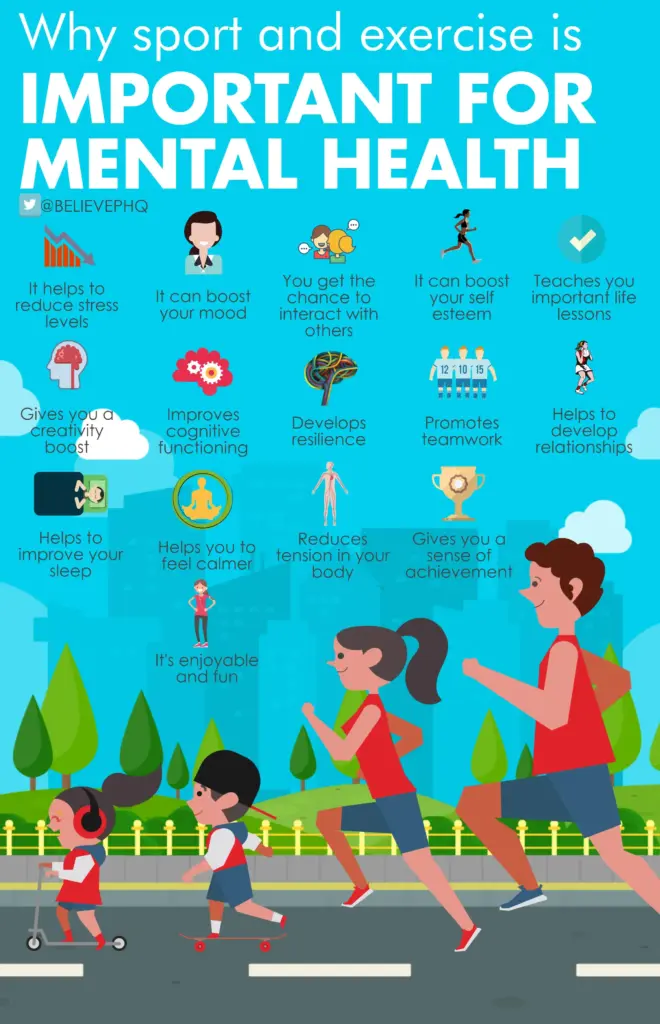
| Key Points | Details |
|---|---|
| Release of Endorphins | Endorphins promote happiness and improved mood during physical activity. |
| Reduced Stress and Anxiety | Exercise lowers stress hormones and provides a mental distraction from worries. |
| Improved Sleep Patterns | Physical activity enhances sleep quality, leading to better mental health. |
| Enhanced Self-Esteem and Confidence | Achieving goals in sports builds positive self-image and confidence. |
| Social Connections | Participation in sports fosters community and alleviates loneliness. |
| Mindfulness and Focus | Engagement in sports promotes concentration and emotional regulation. |
| Developing Coping Strategies | Sports help build resilience and problem-solving skills in everyday life. |
Summary
Sport and mental health are inherently connected, as engaging in physical activities can dramatically enhance one’s mental wellbeing. Participating in sports not only releases endorphins that promote happiness but also reduces stress and anxiety, leading to a more balanced emotional state. Beyond the physical benefits, sports foster social connections that help alleviate feelings of loneliness and provide a sense of belonging. Additionally, they improve sleep patterns and boost self-esteem, which are critical components of mental health. Overall, integrating regular sports into your life can serve as an effective strategy for maintaining and enhancing mental health and wellbeing.

