Listen to this article
Long Term Investing in the UK is a crucial strategy for those aiming to achieve financial freedom and build wealth over time. As markets evolve and investing strategies become more sophisticated, understanding the benefits of a long-term approach can significantly enhance your financial prospects. Investing in UK investments—whether through the stock market, real estate, or pension funds—allows individuals to harness the power of compound growth, which ultimately leads to impressive stock market returns. This blog post delves into the foundations of long-term investing and how it enables you to make informed decisions that set you on the path to prosperity. With the right strategies in place, you will learn how to leverage the potential of your investments to secure your financial future.
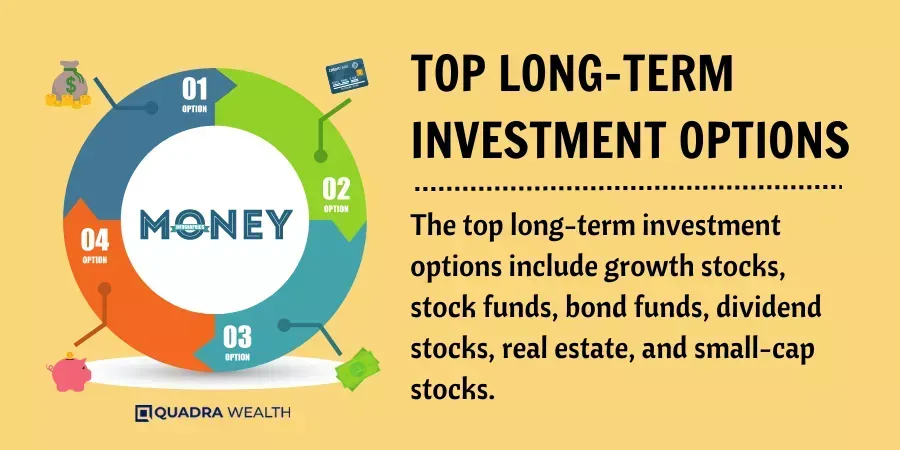
Investing for the long haul is a wise choice for anyone looking to ensure lasting financial stability in the UK. Various avenues, such as capital growth and steady income streams, make long-range investing an appealing option. By utilizing diverse asset classes—like property accumulation or long-term stock commitments—investors can enjoy the benefits of consistent returns and diminish their exposure to short-term market fluctuations. As you begin to explore this method, consider how alternative long-term financial approaches align with your personal financial objectives. Ultimately, prudent long-term investment decisions can set you on a trajectory towards achieving your financial aspirations.
Understanding Long Term Investing in the UK
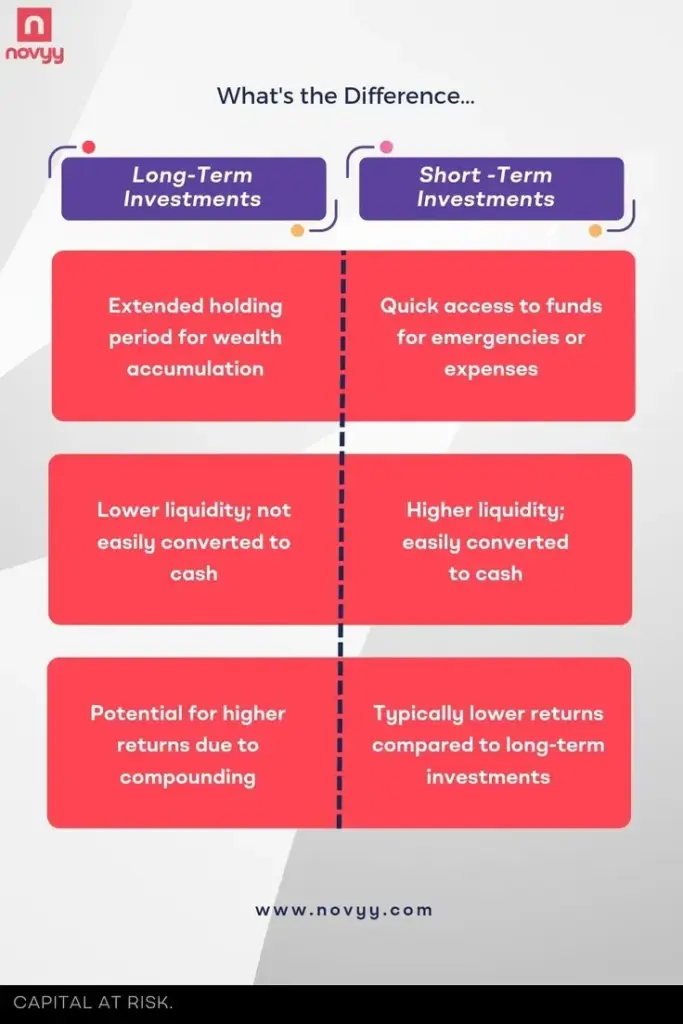
Long term investing in the UK has emerged as a cornerstone strategy for those aiming to secure financial independence. This approach involves purchasing assets and maintaining them for an extended period, which can significantly amplify returns. By opting for long-term investments, individuals lessen the impact of market volatility, as evidenced by historical trends showing markets tend to appreciate over time. Moreover, engaging in long-term investments provides serenity, as investors are less pressured to react to daily market changes, allowing for more calculated decision-making.
In the context of the UK, this strategy can take the form of various financial vehicles, including stocks, bonds, and real estate. Each of these investment types offers unique benefits; for instance, real estate can yield both capital gains and rental income, while stocks historically provide returns through price appreciation and dividends. Adopting a long-term perspective enables investors to harness the power of compounding, where money earns returns on both its principal amount and accumulated earnings over time.
Financial Freedom: The Role of Long-Term Investments
Achieving financial freedom often necessitates a deliberate and strategic approach to investing. Long-term investing in the UK is a pragmatic path to this goal, allowing individuals to build a substantial financial portfolio over time. As investments grow, they can serve as a safety net against unforeseen financial hardships, providing peace of mind in unexpected situations. Understanding one’s investment strategy and building a diversified portfolio can create strong financial foundations, with long holdings allowing for wealth accumulation that aligns with personal goals of financial stability.
The focus on long-term investing can empower individuals by enabling them to focus on wealth-building methods that work in their favor, such as regular contributions to investment accounts and reinvestment of dividends. This discipline fosters a savings mindset, setting a trend toward meeting larger aspirations, such as early retirement or travel. As they remain committed to their long-term investment strategy, investors not only honor their financial freedom goals but also create frameworks that educate them about market dynamics, enhancing their overall financial literacy.
Exploring Investing Strategies for the UK Market
The UK investment market is rich with opportunities, but success hinges on choosing the right investing strategies. Diversification stands out as an essential approach, safeguarding investors from overexposure to any single asset class. By spreading investments across various sectors and into different types of assets like stocks, bonds, or real estate, investors can mitigate risks while aiming for robust returns. Exchange-traded funds (ETFs) and index funds offer appealing options for those looking to achieve broad market exposure without excessive management fees.
Investors should also consider the importance of identifying and re-evaluating their financial goals and risk tolerance regularly. Whether they are young professionals willing to embrace more risk for greater reward or investors nearing retirement seeking to preserve their hard-earned capital, tailoring strategies to fit individual needs is crucial. Therefore, employing a diverse range of investing strategies not only helps in adapting to market changes but also fosters financial growth that is aligned with the investors’ long-term aspirations.
Real Estate Investing: A Lucrative Long-Term Option
Real estate investing in the UK presents a compelling long-term investment strategy. Despite market fluctuations that may impact short-term buying decisions, real estate has historically shown stable appreciation over time. Investors benefit from both capital growth from property values and consistent rental income that can provide an ongoing cash flow. By considering locations with significant growth potential, such as urban centers, investors can capitalize on the increasing demand for housing in the face of a burgeoning population and urbanization.
Moreover, real estate can serve as a hedge against inflation, meaning property values and rents often rise alongside rising living costs. With the right investment strategies, including buy-to-let and property development, investors can effectively enhance their portfolios. Real estate not only provides tangible assets but also a dynamic market that offers various ways to generate income and build wealth, making it a crucial component of a long-term investment approach.
Understanding Stock Market Returns
The stock market is another avenue for long-term investing that cannot be overlooked. Historically, the UK stock market has delivered an average annual return ranging from 7-8% when dividends are reinvested. This return is achieved through a combination of capital appreciation and income from dividends, allowing investors to grow their wealth significantly over time. Moreover, by investing with a long-term horizon, investors can ride out market fluctuations that could otherwise dissuade short-term traders, increasing their probability of hitting or exceeding benchmark returns.
Investors should exercise diligence in research when it comes to selecting stocks and industry sectors, focusing on fundamental aspects like financial health, growth potential, and market position. Additionally, embracing strategies such as investing in index funds or established blue-chip companies can provide stability and can serve investors well during economically challenging periods. Understanding the stock market’s iterative nature empowers investors to not just participate but thrive within this dynamic environment.
Creating a Sustainable Financial Plan for Wealth Accumulation
Establishing a financial plan is paramount for successful long-term investing. Investors should start by setting clear financial goals and identifying the investments that align with their objectives. Understanding milestones—such as retirement or a child’s education—can guide decisions about how much and where to invest. Creating a well-structured budget that integrates long-term investment contributions ensures that savings can seamlessly fit into personal finances, promoting consistent growth through disciplined saving.
Additionally, reviewing and adjusting the financial plan regularly allows investors to respond to life changes and market dynamics. For instance, career changes or changes in the economy may necessitate a reassessment of risk tolerance or investment strategies. This adaptability is essential in sustaining a successful long-term investment plan through uncertainty. By actively tailoring their financial strategies, investors remain engaged and are better prepared to weather market cycles, supporting their journey toward financial freedom.
Frequently Asked Questions
What are the benefits of long term investing in the UK for financial freedom?
Long term investing in the UK offers several benefits for achieving financial freedom, including compound growth, reduced market risk, lower costs due to decreased trading fees, emotional stability during market fluctuations, and the potential for regular income through dividends and rental income from properties.
How do I start long term investing in the UK stock market?
To start long term investing in the UK stock market, first define your investment goals and risk tolerance. Next, consider opening a brokerage account or a tax-efficient vehicle like an ISA (Individual Savings Account) or SIPP (Self-Invested Personal Pension). Focus on diversified assets like index funds or ETFs to minimize risk and start making consistent contributions to build wealth over time.
Is real estate investing a viable long term investment strategy in the UK?
Yes, real estate investing is a viable long term investment strategy in the UK. It offers capital appreciation and consistent rental income, particularly in growing urban areas. Despite market fluctuations, the historical trend shows property values tend to increase over time, making it a solid choice for long-term wealth accumulation.
What investing strategies should I consider for long term investing in the UK?
Effective investing strategies for long term investing in the UK include diversification across asset classes (stocks, bonds, real estate), focusing on companies with strong fundamentals, utilizing tax-efficient accounts like SIPPs for retirement savings, and setting clear financial goals to guide your investment decisions.
What is the average return on long term investments in the UK stock market?
The UK stock market historically provides an average annual return of about 7-8% when dividends are reinvested. This makes it a compelling option for long term investing, especially for those looking to build wealth over time while managing risk through diversified investments.
How can I create a financial plan for long term investing in the UK?
Creating a financial plan for long term investing in the UK involves setting clear financial goals, determining your risk tolerance, consistently contributing to your investments, and regularly reviewing your portfolio to ensure it aligns with your objectives. Consider consulting financial advisors for tailored strategies to achieve your goals.
| Key Points | Details |
|---|---|
| Long Term Investing | Investing for 10 years or more to achieve financial goals. |
| Compound Growth | Earnings generate their own earnings over time, leading to exponential growth. |
| Reduced Market Risk | Long-term investments allow you to ride out market fluctuations. |
| Lower Costs | Minimizing brokerage fees and taxes through fewer transactions. |
| Emotional Stability | Helps reduce stress from market volatility by focusing on long-term goals. |
| Dividends and Income Generation | Reinvesting dividends boosts investment returns over time. |
| Real Estate Investments | Offers capital appreciation and rental income opportunities. |
| Stocks and Shares | Provide potential for high returns through diversified investments. |
| Building a Pension Fund | Contributions to SIPPs can grow tax-free, maximizing retirement savings. |
| Financial Planning | Setting clear goals and regularly reviewing investments is essential. |
Summary
Long Term Investing in the UK is a valuable approach for individuals aiming for financial freedom. By adopting a long-term investment strategy, you can take advantage of compound growth while reducing exposure to market fluctuations. This strategy not only emphasizes the importance of minimizing costs and emotional stress but also highlights the potential income generation through dividends and property investments. In the end, establishing a robust financial plan that aligns with your risk tolerance and long-term goals will ensure that you are well-positioned to secure your financial future.