
Listen to this article
The whooping cough vaccine is becoming increasingly important in light of recent outbreaks, particularly as the UK faces its most severe whooping cough outbreak in four decades. Characterized by severe coughing fits, whooping cough poses a significant health risk, especially to young children and vulnerable individuals. As the symptoms can mimic a common cold initially, many underestimate its severity until it escalates. In response to the alarming rise in cases, a new nasal spray vaccine, known as BPZE1, is being developed to help prevent the transmission of this highly contagious bacteria. This innovative vaccine aims to eliminate whooping cough at its source, offering hope for more effective whooping cough prevention in the future and potentially decreasing the strain on public health services.
The need for a whooping cough immunization has gained urgency due to recent health crises, highlighting the importance of vaccinating against this highly infectious disease. Pertussis, which is often referred to as whooping cough, is especially perilous for infants and can lead to serious health complications if not adequately treated. Emerging vaccination technologies, including a promising nasal spray format, are being evaluated to enhance immunity and curb further outbreaks. BPZE1 is the latest development in this area, signaling a potential shift in how we approach whooping cough management and prevention. As we look towards a future with improved protective measures, understanding the implications of these advancements is crucial for safeguarding public health.
Understanding Whooping Cough: Symptoms and Risks
Whooping cough, medically known as pertussis, is an alarming respiratory infection that poses a severe threat, particularly to infants and young children. The symptoms often begin with mild cold-like indicators, such as a runny nose and sore throat, but can quickly escalate into intense coughing episodes. As the disease progresses, victims may experience prolonged fits of coughing that can lead to serious complications, including vomiting or a flushed face and, in extreme cases, respiratory failure. Infectious and highly contagious, whooping cough can spread rapidly, making awareness of its symptoms crucial in protecting vulnerable populations.
Infants under the age of 12 months face the highest risk of complications when infected with whooping cough. Severe respiratory problems, dehydration, and pneumonia are just a few potential outcomes. The symptoms, particularly the characteristic ‘whoop’ sound that occurs when an infant gasps for breath between coughs, indicate the severity of the situation. As more parents become aware of whooping cough symptoms, early detection and treatment become possible, thus reducing hospitalizations and fatalities among young children.
The Need for Whooping Cough Vaccination
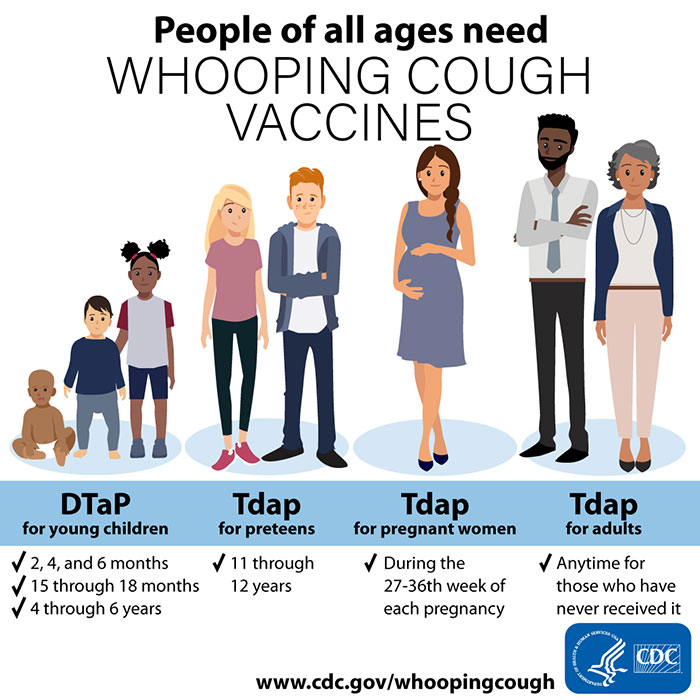
Vaccination is an essential strategy in combating whooping cough, especially in the wake of recent outbreaks. In the UK, whooping cough cases surged dramatically in 2024, prompting the NHS to encourage vaccinations among pregnant women to protect their unborn children. The traditional injectable vaccine has served its purpose; however, it does not prevent individuals from carrying or transmitting the bacteria among their contacts. This highlights the need for innovative solutions in vaccination methods to further reduce transmission and protect at-risk populations.
In addition to the existing injectable vaccine, the ongoing clinical trials for a nasal spray vaccine—specifically the BPZE1 vaccine—represent a significant advancement in whooping cough prevention. This novel approach aims to eliminate the bacteria from the nose and throat, potentially reducing the transmission risk. Such vaccines not only improve individual immunity but also contribute to herd immunity, creating a safer environment for infants and other vulnerable individuals.
Addressing the Whooping Cough Outbreak: Current Developments
As the UK confronts its most severe whooping cough outbreak in four decades, health authorities are taking proactive measures to manage and mitigate the situation. With cases soaring from 856 to approximately 15,000 reported in 2024, swift action is paramount. The Government’s response includes initiating national clinical trials for the BPZE1 nasal spray vaccine, which aims to greatly enhance protection against this contagious disease. By tapping into innovative vaccine technology, health officials hope to curb the transmission rates and better protect babies and elderly individuals from severe outcomes.
The rising number of deaths linked to whooping cough—11 infants and another 11 older adults in the last reported outbreak—serves as a stark reminder of the disease’s lethality. To prevent such tragic outcomes, it is crucial for health providers to engage in public education campaigns that highlight the importance of vaccination and awareness of whooping cough symptoms. With an effective nasal spray vaccine in development, there is hope for a brighter future in controlling whooping cough outbreaks.
Complications of Whooping Cough in Different Age Groups
While whooping cough tends to be less severe in older children and adults, it can still lead to various complications, including sore ribs, hernia, ear infections, and urinary incontinence during coughing fits. These uncomfortable side effects can significantly impact one’s quality of life and highlight the need for continued vigilance and vaccination efforts even in those outside of the highest-risk groups. Parents and caregivers should monitor the health of older children who show signs of whooping cough symptoms, as effective treatment can help mitigate potential complications.
For infants, complications from whooping cough can be much more dire. Increased risks such as respiratory issues, seizures, and pneumonia necessitate immediate medical attention for young children who exhibit symptoms of the infection. The urgency to create effective vaccines capable of preventing the disease’s onset cannot be overstated, especially after the substantial surge in cases. Public health campaigns emphasizing whooping cough prevention are essential to ensuring the community is adequately protected.
The BPZE1 Vaccine: A Breakthrough in Whooping Cough Prevention
The BPZE1 nasal spray vaccine represents a groundbreaking advancement in the fight against whooping cough and could change how we approach vaccinations. While traditional vaccines typically rely on injections, this novel approach targets bacteria colonization in the upper respiratory system, thus potentially eliminating the bacteria from the nasal passages and throat. If successful, this could lead to a significant decrease in whooping cough transmission and establish a new standard in preventive healthcare.
Professor Robert Read emphasizes the significance of this innovation, stating that it is the first instance of a vaccine proven to prevent whooping cough bacteria from colonizing in humans. This vaccine not only offers individual protection but also serves to reduce the risk of spread among communities, particularly safeguarding vulnerable populations such as infants and the elderly. The anticipation surrounding the BPZE1 vaccine is palpable, and ongoing clinical trials will determine its effectiveness and feasibility in real-world applications.
The Importance of Herd Immunity in Preventing Whooping Cough
Herd immunity plays a vital role in the prevention of whooping cough outbreaks, especially in protecting those who cannot receive vaccinations due to medical reasons. For infants too young to be vaccinated, maintaining high vaccination rates within the broader community can prevent disease transmission and lower overall incidence rates. Public health campaigns promoting the whooping cough vaccine are key to fostering community understanding and support for immunization efforts.
Understanding the concept of herd immunity is essential for parents and caregivers. When a large portion of the community is vaccinated, the spread of the disease is curtailed, significantly reducing the risk of outbreaks. Parents must remain vigilant and advocate for vaccines, not only for their children but for the health and wellbeing of the entire community. Protecting vulnerable children from whooping cough can ultimately lead to healthier, more resilient populations.
Preventive Measures Beyond Vaccination
In addition to vaccination, there are several preventive measures families can take to minimize the risk of whooping cough. Hygiene practices, such as regular handwashing and covering the mouth when coughing or sneezing, can help reduce the spread of bacteria. Awareness and education about whooping cough symptoms enable early detection, which is crucial for timely intervention and treatment.
Lifestyle choices also contribute significantly to disease prevention. Encouraging healthy habits, such as sufficient sleep and a balanced diet, can bolster one’s immune system, equipping it to better fight off infections like whooping cough. Families, schools, and the broader community must work together to promote a culture of health and wellness, emphasizing preventive practices alongside vaccination to combat the impacts of whooping cough.
Monitoring and Reporting Whooping Cough Cases
Accurate monitoring and reporting of whooping cough cases are essential components of public health strategy. As mentioned, the dramatic rise in reported cases this year underscores the importance of awareness among healthcare professionals and the general public. Effective data collection allows health authorities to respond swiftly to outbreaks and implement preventive measures accordingly.
The role of healthcare providers in reporting and tracking whooping cough instances cannot be overstated. By ensuring meticulous reporting of cases, health professionals play a critical role in understanding the disease dynamics, evaluating vaccine effectiveness, and guiding public health interventions. Community support for these initiatives is necessary to enhance the overall effectiveness of monitoring systems and ensure successful disease management.
Future Directions: Research and Development in Whooping Cough Vaccination
Looking ahead, continuing research and development in the field of whooping cough vaccination are paramount to eradicating this contagious disease. The pursuit of a safe and effective nasal spray vaccine like BPZE1 illustrates a commitment to innovation in infection prevention. By investing in research, we can better understand whooping cough epidemiology and work towards vaccines that provide lasting immunity.
Future studies will also focus on optimizing vaccine formulations and delivery methods to ensure broad public acceptance and adherence. Engaging community stakeholders, including parents and pediatricians, will be crucial in addressing vaccine hesitancy and promoting the uptake of whooping cough vaccines. The convergence of technology, research, and community engagement holds the promise of significantly reducing whooping cough cases in the future.
Frequently Asked Questions
What is the whooping cough vaccine and how does it help prevent whooping cough outbreaks?
The whooping cough vaccine is designed to protect individuals from Bordetella pertussis, the bacteria that cause whooping cough. It helps prevent outbreaks by reducing the severity of symptoms and lowering transmission rates. With the UK experiencing its worst whooping cough outbreak in four decades, vaccination is crucial for community health.
What are the common symptoms of whooping cough and how can the vaccine help?
Common symptoms of whooping cough include severe coughing fits, runny nose, and sore throat. The whooping cough vaccine offers protection, especially for vulnerable populations like infants, who are at high risk for complications. Vaccination can minimize the severity and duration of symptoms, helping to prevent the spread of the disease.
How effective is the BPZE1 vaccine in preventing whooping cough?
The BPZE1 vaccine, currently in trials, has shown promise in preventing whooping cough by eliminating the bacteria from the nose and throat. Initial results suggest it may significantly reduce the spread of the infection, offering a new approach to whooping cough prevention beyond the traditional injectable vaccines.
What is the nasal spray vaccine and how does it work against whooping cough?
The nasal spray vaccine is an innovative form of the whooping cough vaccine currently undergoing clinical trials. It is designed to directly target and eliminate whooping cough bacteria from the nasal passages, potentially preventing the bacteria from colonizing and spreading, thus enhancing overall protective measures.
Why is the whooping cough vaccine especially important for infants and young children?
Infants and young children are particularly susceptible to severe complications from whooping cough, including respiratory failure and pneumonia. The whooping cough vaccine is vital for them, as it not only protects against severe disease but also reduces the risk of transmission to others, especially vulnerable individuals.
What steps is the UK government taking to address the recent whooping cough outbreak?
In response to the recent whooping cough outbreak, the UK government has launched a national clinical trial for the BPZE1 nasal spray vaccine to enhance prevention strategies. These initiatives aim to reduce the rate of infection and protect at-risk populations, particularly infants.
Are there any risks associated with the whooping cough vaccine?
While the whooping cough vaccine is generally safe, some individuals may experience mild side effects, such as soreness at the injection site, fever, or fatigue. Serious side effects are rare, and the benefits of vaccination far outweigh the risks, particularly in preventing severe whooping cough symptoms.
How long does a person remain contagious after contracting whooping cough?
Individuals infected with whooping cough can remain contagious for up to three weeks after the onset of coughing. This highlights the importance of early diagnosis and vaccination in preventing further transmission of whooping cough in the community.
| Key Points | Details |
|---|---|
| Whooping Cough Risks | Whooping cough is particularly dangerous for infants and the elderly. |
| Current Outbreak | The UK is experiencing its worst outbreak in four decades with 15,000 cases reported in 2024. |
| New Vaccine Development | A nasal spray vaccine, BPZE1, is being trialed to eliminate bacteria from the nose and throat. |
| Vaccine Purpose and Effectiveness | Current vaccines protect infants but do not prevent transmission among others. |
| Health Risks | Infants under 12 months face severe complications such as pneumonia and seizures. |
| Vaccination Statistics | The NHS reports significant increase in cases, but rates have lowered recently with 896 cases reported this year. |
| Trial Support | The trial is supported by the National Institute for Health and Care Research and aims to address disease transmission. |
Summary
The whooping cough vaccine plays a crucial role in combating this highly contagious disease, which poses significant risks especially to young children and the elderly. As the UK faces an alarming outbreak, the development of a nasal spray vaccine could mark a major advancement in preventing the spread of this infection. With a substantial increase in cases reported, the innovative approach of the BPZE1 vaccine trials offers hope for reducing transmission and protecting vulnerable populations.