
Listen to this article
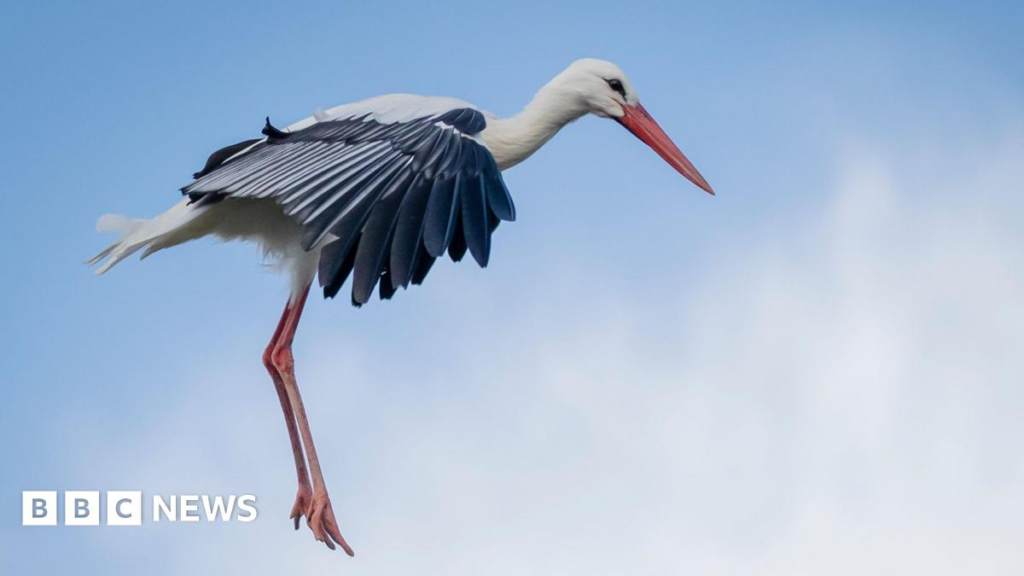
The return of white storks to London marks a historic moment in 2026, reviving a species absent from the UK for over 600 years. This ambitious wildlife reintroduction is set to take place in Barking and Dagenham, where rewilding efforts are transforming urban landscapes into vibrant habitats. As the clattering of stork bills fills the air, locals will witness a unique opportunity for nature conservation in London, fostering pride and engagement within the community. With funding support for this groundbreaking initiative, the project aims to inspire a new generation of residents to appreciate and protect their natural surroundings. The presence of these magnificent birds serves as a reminder of how rewilding London can promote biodiversity and enhance urban ecosystems in surprising ways.
In an extraordinary development, the iconic white storks are set to make their comeback in the bustling urban environment of London. This remarkable wildlife revival in Barking and Dagenham is part of a larger rewilding initiative aimed at restoring not only storks but also diverse ecosystems across the city. As these graceful birds settle into their new aviaries, local residents will enjoy enhanced access to nature, reinforcing the importance of wildlife preservation. By integrating species like the stork into urban life, London is creating opportunities for biodiversity education and community involvement in conservation efforts. Through collaboration and innovative thinking, the reintroduction of these storks symbolizes a hopeful future for wildlife in metropolitan areas.
The Historic Return of White Storks to London 2026
White storks are making a momentous comeback to London in 2026, marking a significant milestone in urban wildlife reintroduction efforts. Once extinct in Britain as breeding birds since 1416, these majestic birds will find a new home in Barking and Dagenham as part of the ongoing rewilding London initiative. This ambitious conservation project not only strives to bring back white storks but also aims to enrich urban biodiversity amidst the backdrop of urban development.
The return of white storks to London embodies a powerful message about the potential for rewilding in city environments, offering a glimpse into what a thriving ecosystem could look like. The birds will be housed in a large aviary located at Eastbrookend Country Park, allowing them to acclimate to their new surroundings before being released into the wild. This method of gradual acclimatization reflects best practices in species reintroduction, ensuring the new residents can adapt to their environment while contributing to the local ecological balance.
Rewilding London: A Bold Initiative for Nature Conservation
Rewilding London is not just about the return of specific species like the white storks; it represents a larger movement towards nature conservation and sustainable urban development. By investing in habitat restoration and biodiversity projects, the city aims to transform neglected areas into vibrant ecosystems. With vital support from the Mayor of London’s Green Roots Fund, the initiative is creating green corridors that will not only support storks but also a wide array of wildlife, enhancing the quality of life for residents and fostering community engagement with nature.
The importance of fledgling initiatives such as rewilding cannot be overstated, particularly in densely populated urban areas like London. Engaging communities in the process ensures that individuals understand and appreciate the natural world around them. Educational programs associated with the project are designed to instill a sense of stewardship, helping young people connect with local wildlife and learn the importance of conservation. This approach reinforces the idea that urban dwellers can coexist harmoniously with nature while actively contributing to wildlife recovery efforts.
Barking and Dagenham: The New Home for Storks and Beavers
Barking and Dagenham is set to become a crucial hub for wildlife reintroduction, with plans not only to return white storks but also to introduce beavers to the area. This unique collaboration aims to restore vital habitats that support a diverse range of species. Beavers are known as “ecosystem engineers,” and their natural dam-building activities will create wetland environments that are essential for sustaining insects, amphibians, and a variety of fish species, thereby enhancing the local biodiversity.
The integration of beavers into the rewilding efforts in Barking and Dagenham is a prime example of how interconnected species can positively impact urban ecosystems. As these animals create new habitats, they will help support the white storks, who depend on the richness of these environments for food. The project exemplifies a holistic approach to nature conservation, illustrating that reintroduction efforts can go hand in hand with restoring and enhancing urban habitats for future generations.
Community Engagement: The Key to Urban Wildlife Recovery
Engaging the local community is central to the success of the white stork reintroduction project in Barking and Dagenham. By appointing a stork officer dedicated to educating schools and community groups, the project encourages direct involvement in wildlife monitoring and conservation activities. This hands-on approach fosters a sense of ownership and pride among local residents, promoting a deeper appreciation for the natural world that exists within urban settings.
Furthermore, the initiative emphasizes the importance of connecting youth to nature through educational outreach. As young people learn about the storks and the broader implications of wildlife recovery, they become advocates for environmental stewardship. These experiences not only build knowledge but also inspire future generations to prioritize conservation efforts, ensuring that the legacy of the white storks is celebrated and protected for years to come.
The Role of Local Government in Wildlife Reintroduction
Local governments play an essential role in supporting wildlife reintroduction projects like the return of white storks to London. Barking and Dagenham Council is actively engaged in this rewilding effort, providing resources and promoting collaborative initiatives that align with community goals. Dominic Twomey, the leader of the council, highlights that this project is a significant achievement for the borough, stimulating not just ecological recovery but also community involvement and awareness.
The financial support from the Mayor of London’s Green Roots Fund underscores the collaboration between local authorities and environmental organizations. This partnership marks a commitment to environmental justice, ensuring that all Londoners have access to green spaces and the opportunity to engage with the city’s rich biodiversity. These efforts towards wildlife restoration aim to revitalize the community’s connection to nature, offering residents an exciting glimpse into the natural resurgence that can take place in an urbanized world.
Building a Sustainable Future Through Rewilding Initiatives
The rewilding initiative in London, featuring the return of the white stork, is an integral part of building a sustainable future for urban wildlife. As cities face increasing pressures from development and pollution, incorporating nature-based solutions like habitat restoration becomes imperative. Through initiatives such as this, there is potential to mitigate climate change impacts, enhance local resilience, and provide spaces for biodiversity to thrive amid urban landscapes.
The integration of wildlife into urban planning not only services ecological needs but also enriches the lives of city inhabitants. By thoughtfully restoring ecosystems, London can transform its reputation as a bustling metropolis into a city that values and fosters its natural heritage. As people witness the return of species like the white stork and the establishment of new wildlife habitats, they become more likely to advocate for sustainable practices and policies that reflect a burgeoning respect for nature.
The Importance of Urban Biodiversity
Urban biodiversity plays a vital role in enhancing the quality of life within city environments. The reintroduction of species such as the white stork is more than just a conservation effort; it’s a step towards creating dynamic ecosystems that provide ecological, social, and psychological benefits. Biodiverse environments contribute to cleaner air and water, mitigate urban heat, and enhance green areas that are crucial for public health.
Moreover, urban biodiversity fosters community interactions and social cohesion. Projects like the white stork rewilding not only create green spaces but also invite residents to engage with their environment. By witnessing the return of these charismatic species, communities can cultivate an appreciation of the natural world and develop a sense of responsibility toward its preservation, ultimately leading to more sustainable urban living.
Sustainable Practices: Supporting Wildlife and Communities
Sustainability practices are key in supporting both wildlife reintroduction efforts and local communities. The white stork project serves as a model for how urban spaces can integrate ecological principles with community needs. From funding initiatives that support habitat restoration to programs that engage schools in conservation efforts, the project illustrates a commitment to creating a balance between enhancing biodiversity and fostering community wellbeing.
By promoting sustainable practices, the rewilding initiative aims to create a long-lasting impact on how residents perceive and interact with wildlife in the city. As local people participate in educating themselves about the storks and their habitats, they become advocates for sustainability, ensuring that the values of conservation take root within urban society. This approach not only enriches the local ecology but also builds stronger, more resilient communities.
Future Vision: An Urban Landscape Teeming with Life
The vision for London’s future includes an urban landscape teeming with life, where rewilding and wildlife reintroduction play pivotal roles. The anticipated return of white storks in 2026 is just the beginning of a broader restoration effort to reconnect city dwellers with nature. By creating spaces that allow for the coexistence of people and wildlife, London can pave the way for future generations to live harmoniously with their environment.
This vibrant vision of a rewilded London illustrates the potential of cities to not only be centers of human activity but also thriving ecosystems. With projects like the return of the white stork and the reintroduction of beavers, residents can expect their urban environment to support not just biodiversity but also foster a strong community identity centered around nature. The positive changes witnessed in Barking and Dagenham may serve as a blueprint for other urban areas striving to reclaim and restore their connection with the natural world.
Frequently Asked Questions
What does the return of white storks to London in 2026 mean for wildlife reintroduction efforts?
The return of white storks to London in 2026 is a significant milestone in wildlife reintroduction efforts, marking the first time these birds will breed in the capital since their extinction in Britain in 1416. This initiative is part of a broader rewilding effort in Barking and Dagenham, aimed at enhancing urban biodiversity and engaging local communities with nature.
Where in London will the white storks be reintroduced?
The white storks will be reintroduced in Barking and Dagenham, specifically at Eastbrookend Country Park. This area is being rehabilitated to provide a suitable habitat for these birds and is part of a larger effort to incorporate nature into urban landscapes through rewilding initiatives.
How will the reintroduction of white storks in London benefit nature conservation?
The reintroduction of white storks in London will benefit nature conservation by restoring ecological balance and enhancing biodiversity. As part of the rewilding London project, it will also encourage local engagement with wildlife, promote education about nature conservation, and foster stewardship among the community.
What is the role of community involvement in the white stork project in Barking and Dagenham?
Community involvement is crucial in the white stork project as local schools and residents will have the opportunity to monitor and learn about the birds. A designated stork officer will facilitate these interactions, ensuring that families and future generations develop a connection with nature, which is essential for ongoing conservation efforts.
What is the significance of rewilding London and the return of white storks and beavers?
Rewilding London is significant as it aims to restore natural habitats in urban settings, making them more conducive to wildlife like white storks and beavers. The return of these species symbolizes a commitment to nature conservation and creating vibrant ecosystems that enhance urban livability and biodiversity.
What habitat restoration efforts are being implemented for the white storks in Barking and Dagenham?
Habitat restoration efforts for the white storks include reviving marshlands along the green corridor formed by the Rom/Beam tributary of the Thames. This restoration will support the storks’ dietary needs and promote ecological health, ultimately leading to a sustainable population of breeding birds in the area.
How can local citizens support the ongoing efforts of wildlife reintroduction in London?
Local citizens can support wildlife reintroduction efforts by participating in community programs, engaging with educational initiatives, and advocating for the conservation of green spaces in London. Their involvement can make a significant difference in fostering a culture of appreciation and stewardship for local wildlife.
What challenges may arise in the reintroduction of white storks to London?
Challenges in the reintroduction of white storks to London may include habitat suitability, potential human-wildlife conflicts, and the need for effective population management strategies. Additionally, it requires ongoing support and commitment from the community and conservation organizations to ensure long-term success.
What can we learn from the successful reintroduction of white storks at Knepp estate for the London project?
The successful reintroduction of white storks at the Knepp estate provides valuable insights for the London project, such as the importance of creating suitable habitats, fostering community engagement, and allowing for natural behaviors in wildlife. These lessons are crucial for establishing a self-sustaining population of storks in London.
| Key Point | Details |
|---|---|
| Historic Return | White storks, extinct as breeding birds in Britain since 1416, will return to London in 2026. |
| Location | The birds will be introduced in Barking and Dagenham as part of a rewilding initiative. |
| Project Background | This effort follows the successful reintroduction of storks at Knepp estate in West Sussex. |
| Community Engagement | A stork officer will work with local schools to foster pride and engagement with nature. |
| Funding | The mayor of London’s Green Roots Fund is supporting the project with £500,000. |
| Future Plans | Beavers will also be introduced in 2027 to help restore and enhance local habitats. |
Summary
The white storks return to London marks an exciting step in urban rewilding efforts aimed at reintroducing majestic wildlife into city environments. Slated for 2026, the project in Barking and Dagenham aims to not only bring back these iconic birds, absent from Britain since the early 15th century, but also to engage the local community in nature conservation. With robust support and plans, the initiative promises to foster biodiversity and enhance local green spaces, inspiring residents and schoolchildren to connect with the natural world.