
Listen to this article
The upcoming white stork reintroduction to London marks a historic event as these majestic birds return to the capital after an absence of over 600 years. Nestled in the picturesque Eastbrookend Country Park in Dagenham, this landmark effort embodies the city’s commitment to wildlife recovery and nature conservation. Supported by a generous grant from the Mayor of London’s Green Roots Fund, this initiative aligns with broader rewilding projects in the UK aimed at reviving native species and enriching urban biodiversity. With a burgeoning white stork colony in London, this project not only promises to enhance the natural landscape but also inspires hopes for a greener, more sustainable future. As such, it presents an incredible opportunity for residents and visitors alike to reconnect with wildlife in their local environment, fostering a deeper appreciation for urban nature conservation efforts.
The revival of the white stork population in London is part of a wider rewilding initiative aimed at restoring the natural balance within urban landscapes. This project, which sets the stage for a new breeding site in Eastbrookend Country Park, highlights the significance of biodiversity within the capital. By promoting the resurgence of native wildlife, such as the iconic stork, London is taking monumental steps towards a holistic approach to wildlife restoration. Furthermore, as part of this drive towards environmental rejuvenation, the introduction of related species like beavers serves to further enrich habitats and ecological dynamics. As cities increasingly recognize their role in fostering healthy ecosystems, the reintroduction of species like the white stork signals a bright future for urban wildlife recovery.
The Historic Reintroduction of White Storks in London
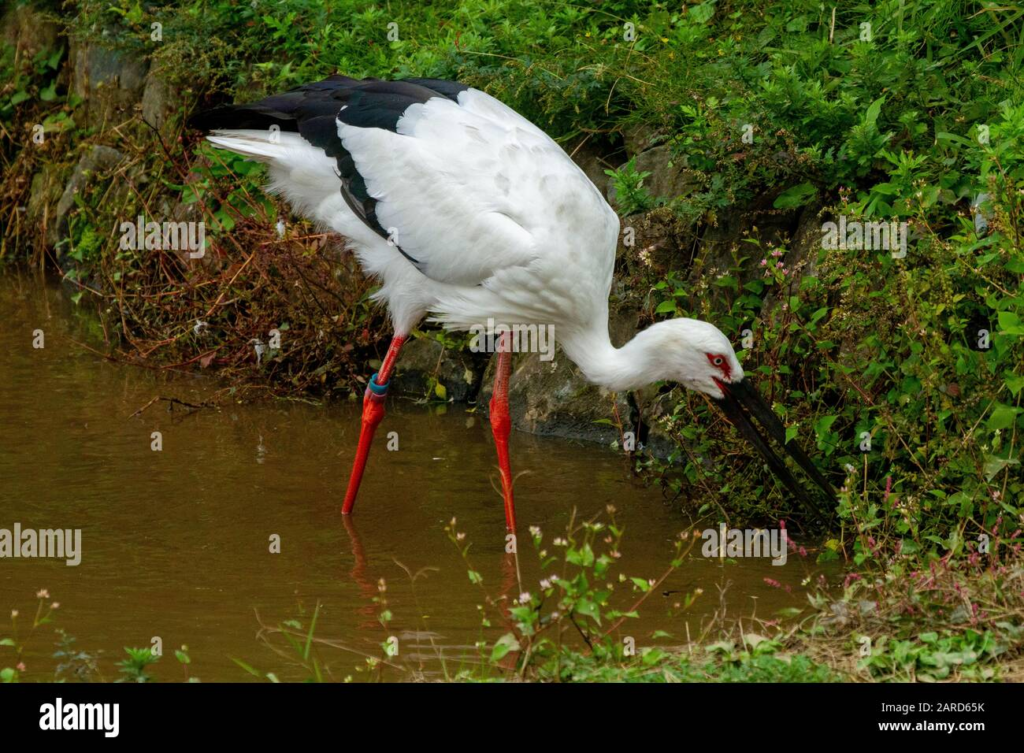
For the first time in over 600 years, the native white stork is set to return to London, marking a significant milestone in wildlife recovery and conservation efforts within the city. Eastbrookend Country Park in Dagenham will serve as the primary location for this historic reintroduction, reflecting a commitment to enhancing biodiversity and ecosystem health in urban settings. Once common in Britain before their extinction in the 1400s, these magnificent birds’ presence will not only restore a piece of natural history but will also play a crucial role in the local rewilding projects UK, aimed at re-establishing native species and habitats.
The white stork reintroduction project is part of a broader initiative supported by significant financial backing, including a £500,000 grant from the Mayor of London’s Green Roots Fund. This investment signifies the local government’s dedication to reviving London wildlife and promoting sustainable practices. As the white stork colony London develops, it is expected to attract wildlife enthusiasts and researchers alike, fostering a deeper appreciation for London’s natural heritage and inspiring similar projects across the nation.
Eastbrookend Country Park: A Hub for Nature Conservation
Eastbrookend Country Park is poised to be a pivotal site for nature conservation in London, serving as the new home for the reintroduced white storks. This park not only offers a habitat for these iconic birds but also stands as a vital resource for countless other wildlife species. The establishment of a breeding colony here aligns with the objectives of various nature conservation London initiatives that prioritize the restoration of natural environments within urban landscapes. The park’s expansive green spaces provide ideal nesting grounds and promote ecological diversity, supporting an array of flora and fauna.
In addition to the white stork reintroduction, Eastbrookend Country Park will also be the site for the release of beavers in March 2027, further enhancing its reputation as a sanctuary for wildlife. This dual initiative highlights the successful integration of urban conservation projects, which aim to create a balanced ecosystem not just for animals but also for the communities surrounding them. Programs like these reflect a growing awareness of the importance of biodiversity and the role of urban green spaces in creating healthier environments for all.
Financial Support for Urban Wildlife Projects
The reintroduction of white storks and other wildlife projects within London is significantly bolstered by financial backing from the Green Roots Fund, which will invest £12 million in various environmentally focused initiatives over the next three years. This funding aims to facilitate rewilding efforts across the city, making projects like the white stork colony London possible and sustainable. As London continues to grow, the partnership between government bodies, local councils, and wildlife trusts becomes increasingly vital to create sustainable urban ecosystems.
This financial commitment is indicative of a broader shift towards prioritizing nature and biodiversity within urban planning frameworks. With leaders like Sir Sadiq Khan advocating for access to nature and social justice, the rewilding projects UK are more than just environmental efforts; they are community-driven ventures aimed at reconnecting urban populations with the natural world. By supporting initiatives that enhance wildlife recovery, London is not only protecting its ecological heritage but also enriching the lives of its residents.
The Role of Local Communities in Wildlife Recovery
The successful reintroduction of white storks and other wildlife projects relies heavily on the engagement and support of local communities. Awareness campaigns and educational programs led by organizations like the London Wildlife Trust are crucial in inspiring residents to become active participants in conservation efforts. Community involvement in these projects fosters a sense of stewardship and ownership, which can lead to long-lasting commitment to nature conservation London initiatives.
Moreover, as communities rally around these rewilding efforts, they cultivate a deeper connection with their environment, transforming urban spaces into areas of ecological richness. Local participation can also help monitor the success of the white stork colony London, creating citizen science opportunities that empower residents to contribute to the understanding and protection of their local ecosystems. This collaborative approach strengthens the bond between people and wildlife, ultimately leading to a healthier and more vibrant urban landscape.
Impacts of Rewilding on Urban Ecosystems
The impacts of rewilding initiatives, such as the reintroduction of white storks in London, extend beyond the mere presence of these birds; they fundamentally transform urban ecosystems. By re-establishing native species, these projects promote healthier habitats, increased biodiversity, and improved ecosystem services. The presence of white storks, for instance, contributes to the balance of local ecosystems as they play vital roles in pest control and habitat stabilization.
As urban areas like Dagenham implement rewilding projects, the potential for enhanced ecological resilience increases. Healthy ecosystems are better equipped to cope with environmental stresses, contributing to climate adaptation strategies that align with London’s sustainability goals. Additionally, the recreational and aesthetic benefits of restored natural environments provide social and psychological advantages to urban residents, highlighting the interconnectedness of nature and human well-being within cityscapes.
Leadership and Vision for London’s Natural Future
The successful implementation of wildlife recovery projects is contingent upon strong leadership and a clear vision for the future of nature in urban areas. Leaders such as Dominic Twomey of Barking and Dagenham Council emphasize the importance of these initiatives in contributing to a greener, more resilient city. Their commitment to nature recovery reinforces the belief that urban planning must incorporate sustainable practices that benefit both wildlife and local communities.
Moreover, visionary programs like the Mayor’s Green Roots Fund reflect a proactive approach to addressing the environmental challenges faced by cities. By prioritizing investments in nature conservation and urban rewilding, London sets a precedent for other urban areas to follow, demonstrating that a commitment to biodiversity can coexist with dense populations. This leadership in green initiatives is essential for fostering a culture of conservation that will endure for generations to come.
Collaboration Between Organizations for Wildlife Recovery
The collaborative efforts among various organizations play a crucial role in the reintroduction of species such as the white stork in London. The partnership between the Mayor’s office, Barking and Dagenham Council, and the London Wildlife Trust exemplifies how diverse stakeholders can come together to achieve shared conservation goals. Such collaborations harness unique resources, expertise, and community engagement, enabling projects to thrive efficiently and sustainably.
These partnerships also serve as a model for future rewilding projects UK, demonstrating that collective action can create stronger outcomes for urban wildlife. By working together, these organizations can leverage funding, share knowledge, and implement best practices that maximize ecological impact. The success of the white stork colony London and similar initiatives highlights the importance of unity in addressing the challenges of urban biodiversity and reinforces the idea that collaborative conservation is essential for a thriving environment.
Community Benefits from Urban Rewilding Projects
Urban rewilding projects, like the introduction of white storks and beavers in Eastbrookend Country Park, not only focus on environmental benefits but also emphasize the positive impacts on local communities. These initiatives enhance the quality of life for residents by creating green spaces that offer recreational opportunities and mental health benefits. Access to nature is crucial for urban dwellers, contributing to healthier lifestyles and fostering community connections.
Moreover, as awareness of nature conservation increases through these projects, community engagement and involvement grow stronger. Residents who participate in or support rewilding efforts gain a greater appreciation of their natural surroundings, leading to a more active interest in preserving and advocating for local wildlife. This communal bonding over nature fosters a sense of belonging and pride in one’s environment, further embedding the importance of wildlife conservation within urban life.
The Future of Urban Wildlife in London
The future of urban wildlife in London looks promising, particularly with initiatives like the white stork reintroduction paving the way for a diverse range of species to thrive in the heart of the city. As rewilding projects gain traction, there’s a growing recognition of the necessity for continuous conservation efforts that adapt to urban environments. The lessons learned from the white stork colony London will undoubtedly inform similar endeavors, creating templates for success that can be replicated across various urban landscapes.
Continued investment and support are paramount for these wildlife recovery projects to flourish, ensuring that London remains a city where nature and people coexist harmoniously. With financial backing from the Green Roots Fund and community engagement at the forefront, the evolution of London’s urban wildlife can set an inspirational precedent for cities worldwide. As the city embraces its ecological heritage, it cultivates a more sustainable future, celebrating the beauty and diversity of wildlife as an integral part of urban life.
Frequently Asked Questions
What is the purpose of the white stork reintroduction project in London?
The white stork reintroduction project in London aims to establish a breeding colony of these native birds in Eastbrookend Country Park, Dagenham. This initiative is part of a broader rewilding project designed to restore biodiversity and promote nature conservation in London.
Where will the white stork colony be located in London?
The white stork colony will be situated in Eastbrookend Country Park, Dagenham. This location marks the second publicly accessible white stork reintroduction project in the UK, making it a key site for wildlife recovery in London.
Why were white storks driven to extinction in Britain?
White storks were driven to extinction in Britain in the 1400s due to habitat loss and hunting. The current reintroduction aims to restore their population as part of ongoing rewilding projects across the UK.
How has funding supported the white stork reintroduction in London?
The white stork reintroduction project received £500,000 from the Mayor of London’s Green Roots Fund, Barking and Dagenham Council, and the London Wildlife Trust, highlighting the financial commitment to enhancing nature conservation in the area.
What other wildlife is being reintroduced in Eastbrookend Country Park?
In addition to the white stork reintroduction, beavers will also be released at Eastbrookend Country Park in March 2027, continuing London’s efforts toward wildlife recovery and ecological restoration.
How does the white stork reintroduction project align with London’s wildlife recovery goals?
The white stork reintroduction aligns with London’s wildlife recovery goals by enhancing biodiversity and engaging the community in nature conservation efforts, demonstrating a commitment to rewilding and improved access to wildlife.
What can we learn from the white stork reintroduction project about urban nature conservation?
The white stork reintroduction project serves as a model for urban nature conservation by showcasing how cities can integrate biodiversity initiatives into local landscapes, fostering ecological resilience and community engagement.
What impact is expected from the white stork colony in London?
The establishment of a white stork colony in London is expected to contribute to local biodiversity, enhance public appreciation for wildlife, and inspire further nature recovery initiatives across the capital.
How will the rewilding projects in London affect local communities?
Rewilding projects like the white stork reintroduction aim to enrich local communities by providing access to nature, promoting environmental education, and enhancing the overall quality of urban life.
What is the long-term vision for nature recovery in London following the white stork reintroduction?
The long-term vision involves building a greener, healthier, and more climate-resilient city where diverse wildlife, including white storks and beavers, can thrive alongside urban residents, ensuring equitable access to nature for all.
| Key Point | Details |
|---|---|
| Reintroduction of White Storks | First breeding colony in London in 600 years, located at Eastbrookend Country Park starting October. |
| Historical Context | White storks were driven to extinction in England during the 1400s. |
| Funding and Support | Received £500,000 from Mayor’s Green Roots Fund, Barking and Dagenham Council, and London Wildlife Trust. |
| Future Plans | Beavers to be released in March 2027 as part of the nature recovery initiative. |
| Nature Recovery Goals | Project aims to inspire nature recovery and ensure equitable access to nature in London. |
Summary
The reintroduction of white storks marks a significant ecological development in London, as it revitalizes the connection with this species that vanished over 600 years ago. With initiatives driven by local government and conservation organizations, the project not only aims to restore the stork population but also sets the foundation for future rewilding efforts, including beaver reintroduction. This movement is part of a broader vision to foster biodiversity and ensure that all Londoners can enjoy nature, thereby enhancing the city’s environmental landscape.