Listen to this article
Loan interest rates in the UK have a significant impact on personal finance and borrowing decisions for individuals and businesses alike. Understanding these rates is essential, especially considering how they can vary widely based on borrower profiles and market conditions. In 2023, UK loan rates have seen fluctuations due to economic factors, leading to varying personal loan rates UK borrowers face today. For those wondering how to get a loan with optimal conditions, knowing the intricacies of these interest rates is key to securing the best deals. By exploring loan tips UK residents can follow, borrowers can navigate this complex financial landscape with confidence.
In the realm of borrowings, the specifics of interest rates on loans within the UK are pivotal, determining the cost of finance for consumers. These borrowing costs fluctuate based on numerous elements, including individual credit ratings and broader economic influences. As individuals seek advice on obtaining loans, exploring various financial products such as personal loans or mortgages can illuminate the differences in UK interest rates. Financial literacy regarding these terms equips potential borrowers with the knowledge to make informed decisions in an ever-changing market. Therefore, understanding these nuances is vital for anyone looking to effectively manage their finances and achieve their goals.
Understanding Loan Interest Rates in the UK
Loan interest rates in the UK are pivotal to the borrowing landscape, impacting how much individuals pay back over time. Generally expressed as an annual percentage rate (APR), these rates encompass not only the basic interest amount but also any other applicable costs associated with borrowing. Understanding the difference between fixed and variable rates is essential for borrowers. Fixed rates help maintain a consistent repayment schedule, while variable rates can fluctuate with market conditions, offering both potential savings and risks.
When considering how to get a loan, being informed about current UK loan rates is fundamental. Different types of loans, such as personal loans and mortgages, come with varying interest rates, significantly influenced by individual circumstances like credit scores and loan amounts. Borrowers should conduct thorough research on the current landscape of loan interest rates in the UK to identify the best opportunities for cost-effective borrowing.
Key Factors Influencing Loan Interest Rates
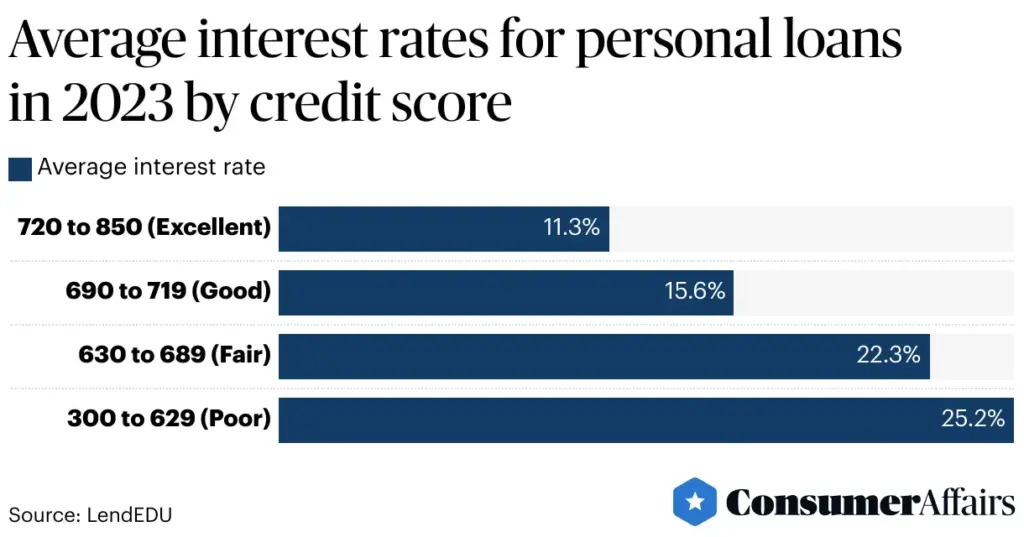
Several key factors profoundly affect loan interest rates in the UK. One primary determinant is the borrower’s credit score, as lenders assess this to gauge risk. A higher credit score often correlates with lower interest rates, incentivizing individuals to maintain good financial habits. Furthermore, loan amounts and duration play significant roles; larger amounts or longer terms may lead to higher rates since they represent increased risk to lenders.
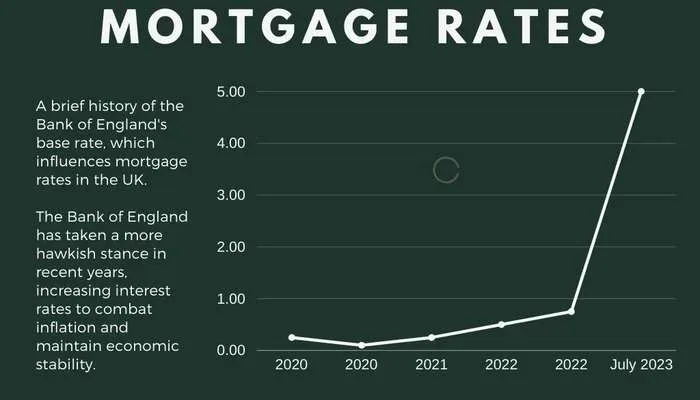
Market conditions, including the Bank of England’s base rate, also influence loan interest rates in the UK. When the economy faces inflation or other fluctuations, lenders may adjust their rates accordingly. It’s vital for borrowers to remain aware of these macroeconomic factors, as they can shift loan affordability and overall repayment costs and should be monitored regularly for optimal financial planning.
How to Secure Lower Interest Rates
Securing lower interest rates on loans in the UK can significantly reduce overall borrowing costs. Potential borrowers should consider strategies like improving their credit score, which can be achieved through timely repayments and reducing outstanding debt. Additionally, providing a larger deposit when applying for mortgages can also lead to more favorable interest rates.
Shopping around is equally important. By comparing various loan offers from different lenders, individuals can find competitive rates that align with their financial needs. Engaging with financial advisors or utilizing online comparison tools can further help in identifying the best available options in the current market.
Current Loan Interest Rates in the UK
As of 2023, the landscape of loan interest rates in the UK varies based on loan type and borrower profiles. For instance, personal loan rates typically range from 3% to 30% APR, heavily dependent on creditworthiness and repayment history. Mortgages portray similar variability, with fixed-rate options ranging from 2% to over 5%, driving home the importance of thorough rate comparisons before borrowing.
Staying informed about current UK interest rates is crucial for any potential borrower. Regularly checking news updates and financial publications can help individuals react promptly to changes that could affect their loan applications or existing loans. Being proactive ensures that borrowers can leverage the most advantageous lending conditions.
Comparing Loan Offers Effectively
When comparing loan offers, borrowers should prioritize the APR, which encapsulates the total cost of borrowing, including any additional fees. A thorough examination of different lenders’ terms and conditions is necessary, as hidden costs can drastically impact the overall affordability of loans. It’s crucial to be aware of flexibility in repayment options and whether additional payments can be made without incurring penalties.
Researching customer reviews and feedback on lender reliability and service quality can also aid in making more informed choices. A well-rated lender can enhance the borrowing experience, ensuring support throughout the loan process, and ultimately contributing to better financial health.
Additional Fees Associated with Loans in the UK
Beyond the interest rates, potential borrowers should be mindful of various fees associated with loans in the UK. Common charges include arrangement fees that may be applied when setting up a loan and early repayment fees for borrowers wishing to pay off their loans ahead of schedule. It’s vital to read the fine print to uncover these potential costs that could add up over the lifetime of the loan.
In addition, administration fees might be charged for processing loan applications. Understanding all associated costs from your lender ensures that there are no surprises down the road, helping borrowers make better financial decisions and ultimately leading to more successful loan management.
Frequently Asked Questions
What factors influence loan interest rates in the UK?
Loan interest rates in the UK are influenced by various factors including your credit score, the amount you want to borrow, the duration of the loan, current market conditions, and the type of loan you are applying for. Higher credit scores typically lead to lower UK loan rates, while larger loan amounts may attract higher interest.
How do I find the best personal loan rates in the UK?
To find the best personal loan rates in the UK, shop around and compare offers from multiple lenders. Check the APRs, consider any associated fees, and review the terms carefully. Improving your credit score before applying can also help you secure more favorable rates.
Are current mortgage interest rates in the UK competitive?
Current mortgage interest rates in the UK vary significantly based on the borrower’s profile and the lender. Rates can range from around 2% to over 5% for fixed-rate mortgages. It’s advisable to compare different lenders and stay updated with the latest market trends to ensure competitiveness.
What should I consider when comparing UK loan rates?
When comparing UK loan rates, focus on the annual percentage rates (APRs), any additional fees, and repayment flexibility. Additionally, assess the lender’s reputation through customer reviews and their customer service history.
How can I reduce my loan interest rates in the UK?
You can reduce loan interest rates in the UK by improving your credit score, increasing your down payment for mortgages, and comparing loans from different lenders to find the best available rates. Negotiating with lenders might also get you a better deal.
Is it possible to negotiate lower interest rates on UK loans?
Yes, it is possible to negotiate lower interest rates on UK loans, especially if you have a strong credit profile and a competitive offer from another lender. Engaging in negotiations can sometimes lead to better terms and reduced borrowing costs.
| Key Point | Explanation |
|---|---|
| What Are Loan Interest Rates? | Costs charged by lenders for borrowing money, expressed as a percentage. Can be fixed or variable. |
| Fixed vs. Variable Rates | Fixed rates stay the same, providing stability; variable rates change and can lead to fluctuating payments. |
| Factors Influencing Rates | Factors include credit score, loan amount, duration, market conditions, and type of loan. |
| Current Loan Rates | As of 2023, average rates for personal loans range from 3% to 30% APR; mortgages range from 2% to over 5%. |
| Strategies for Lower Rates | Improve credit score, increase deposit, and shop around for best offers. |
| Comparing Offers | Focus on APR, loan flexibility, and lender reputation. |
| Potential Fees | Be aware of arrangement, early repayment, and administration fees. |
| Interest Rate Changes | Interest rates can change based on Bank of England’s policies, affecting borrowers. |
| Expert Borrowing Tips | Assess finances, consider long-term impacts, and seek professional advice. |
Summary
Loan interest rates in the UK are a key factor to consider for anyone looking to borrow money. Understanding how these rates are determined and the different options available can significantly impact your borrowing costs. In the UK, loan interest rates typically depend on various elements such as credit score, loan amount, and market conditions. By being proactive—improving your credit, comparing rates, and reading the fine print—you can secure more favorable conditions that ultimately save you money. Always remember to assess your financial situation carefully and consult with professionals when needed to make the best borrowing decisions.