Listen to this article
Loan interest rates UK are a critical aspect of the borrowing landscape, influencing how much you will ultimately pay for loans, ranging from personal loans to mortgages. Understanding the various factors affecting loan rates is essential for anyone considering borrowing money. Your credit score impact on loan rates cannot be overstated, as it directly affects your likelihood of receiving competitive interest offers. Additionally, the Bank of England base rate sets the stage for lenders’ pricing strategies, meaning economic conditions can significantly sway borrowing costs. In this article, we will explore the various loan types in the UK and the nuances that determine the rates borrowers encounter, empowering you to make informed financial decisions.
When delving into the world of borrowing, understanding the nuances of interest rates is vital for UK consumers. Loan charges, influenced by key elements like creditworthiness and lender policies, can vary greatly depending on the economic climate and the type of loan sought. Your financial profile and choices play a substantial role in shaping your offers, making it essential to grasp how these factors interplay. By examining critical variables such as the Bank of England’s rate and specific loan characteristics, borrowers can better navigate their options. Whether you’re looking for an auto loan or financing a home, determining the associated costs demands a thorough awareness of the influencing factors.
Understanding Loan Interest Rates in the UK
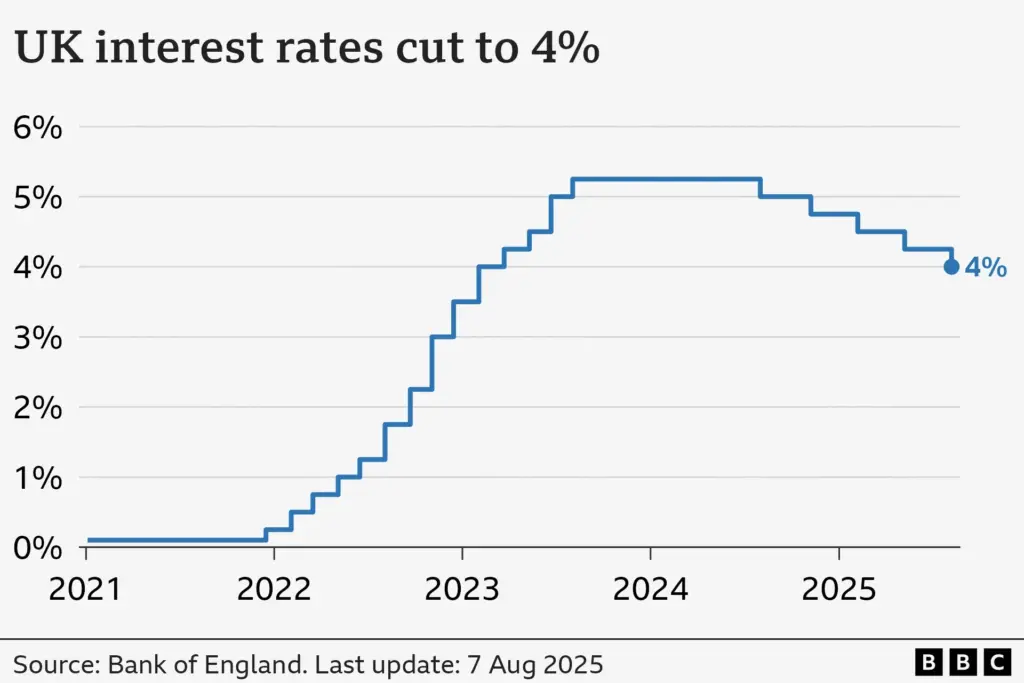
Loan interest rates in the UK fluctuate based on various underlying factors that borrowers should be aware of. The prevailing economic conditions play a significant role in determining these rates. For instance, shifts in the Bank of England base rate directly influence lending rates across the country. When the Bank of England raises its rate, lenders tend to increase their interest rates to maintain profitability, which impacts personal loans and mortgages alike.
Moreover, an understanding of loan types in the UK also contributes to comprehending interest rates. Secured loans, backed by collateral, generally have lower interest rates compared to unsecured loans, which are riskier for lenders. Evaluating whether to opt for a secured or unsecured loan could lead to significant differences in the overall cost of borrowing.
Impact of Your Credit Score on Loan Interest Rates
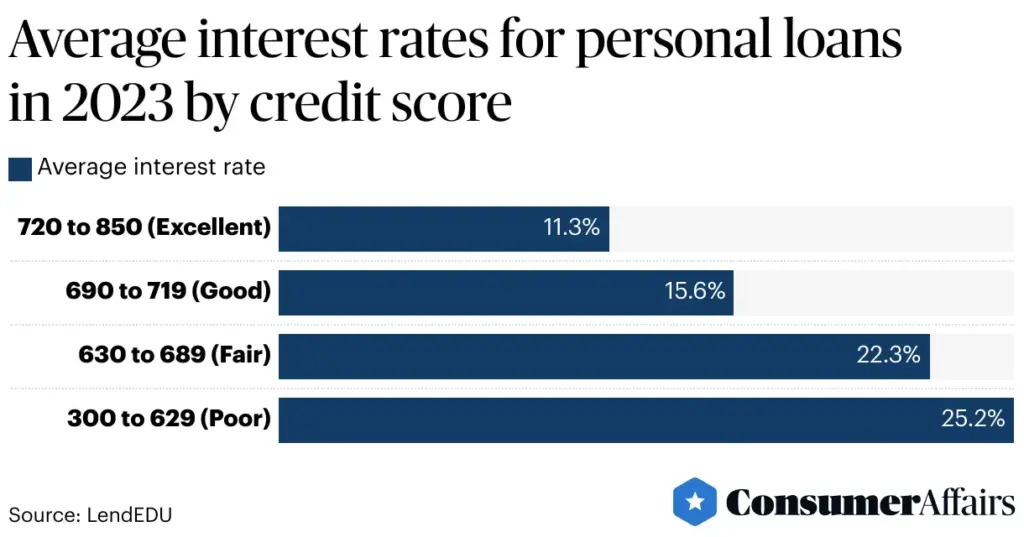
Your credit score is one of the most vital elements influencing loan interest rates in the UK. Lenders view a high credit score—typically above 700—as an indication of a reliable borrower, thereby qualifying you for more favorable interest rates. On the contrary, a low credit score can signify a history of financial mismanagement, leading to higher borrowing costs.
Improving your credit score entails several actionable steps. Regularly monitoring your credit report, addressing inaccuracies, and paying your bills punctually are essential practices. A healthier credit profile not only opens the door to better loan terms but also helps mitigate financial stress in securing loans.
The Role of Economic Conditions in Loan Rates
The broader economic environment heavily impacts loan interest rates. Inflation concerns often lead lenders to increase rates as a protective measure. When the cost of goods and services rises, loan repayments’ purchasing power diminishes, prompting lenders to charge higher interest rates to maintain their margins.
Additionally, understanding how the Bank of England’s base rate operates can aid borrowers in predicting interest rate trends. Consumers who stay informed about economic indicators, such as employment rates and GDP growth, can better navigate their borrowing options and time their loan applications favorably.
Choosing the Right Type of Loan for Lower Interest Rates
Loan types differ significantly in terms of interest rates, making it essential for borrowers to choose wisely. Secured loans, often associated with lower rates, require collateral, while unsecured loans come without guarantees, leading to increased rates. This differentiation can affect overall borrowing cost dramatically.
When contemplating a loan, it’s crucial to analyze not only the type but also the amount you seek to borrow. Lenders may provide better rates for substantial loans, anticipating long-term gains. By aligning the loan type with your financial situation, you can enhance your chances of securing a loan with a favorable interest rate.
How Loan Terms Influence Interest Rates
The duration of your loan, or loan term, significantly affects your interest rates. Shorter-term loans often come with lower rates due to reduced risk for the lender, while longer terms generally carry higher rates. Analyzing your financial capabilities can lead to smarter decisions, potentially saving you money in interest payments over time.
For instance, a 15-year mortgage term may result in a lower rate than a 30-year mortgage, although the monthly payments would be higher. It is crucial to weigh the trade-offs of lower overall interest costs against your financial stability to determine the most suitable payment strategy.
Comparing Lenders: Finding the Best Interest Rates
It’s vital to compare interest rates from multiple lenders as each financial institution has unique policies and competitive strategies. Some lenders might offer promotional rates, while others focus on maintaining a consistent margin, affecting the interest rates available to consumers. Shopping around can reveal significant savings.
Utilizing online comparison tools can streamline the process of evaluating different loan offers. Furthermore, engaging with local banks or credit unions may unveil personalized offers that online platforms might overlook. By investing time in research, borrowers ensure they secure the most beneficial loan terms and interest rates available.
Frequently Asked Questions
What factors affect loan interest rates in the UK?
Loan interest rates in the UK are influenced by several key factors including your credit score, the type of loan (secured vs. unsecured), the loan amount, prevailing economic conditions, the Bank of England base rate, and the loan term. Understanding these factors can help you make informed borrowing decisions.
How does my credit score impact loan interest rates in the UK?
Your credit score is a major determinant of loan interest rates in the UK. A high credit score indicates low risk to lenders, leading to lower interest rates. Conversely, a low credit score often results in higher interest rates due to perceived risk. Maintaining a good credit score can help you secure better loan terms.
What is the Bank of England base rate and how does it affect loan interest rates?
The Bank of England base rate is the interest rate set by the Bank of England, which influences borrowing costs across the UK. When the base rate rises, loan interest rates typically follow suit, making borrowing more expensive. Understanding this can help borrowers time their loans strategically.
What role do economic conditions play in determining loan interest rates in the UK?
Economic conditions significantly affect loan interest rates in the UK. Factors such as inflation and the overall health of the economy can lead lenders to adjust interest rates. For example, high inflation may prompt lenders to raise rates to safeguard their returns on loans.
What types of loans are available in the UK and how do they differ in interest rates?
In the UK, loans can be categorized into secured and unsecured loans. Secured loans, backed by collateral, typically have lower interest rates compared to unsecured loans, which pose a higher risk to lenders. The type of loan you choose can significantly impact the interest rate you receive.
How can I secure a favorable loan interest rate in the UK?
To secure a favorable loan interest rate in the UK, regularly check and improve your credit score, compare offers from various lenders, and understand the loan types and terms that best suit your financial situation. Establishing a good relationship with your lender can also help you receive better rates.
| Factor | Explanation |
|---|---|
| 1. Your Credit Score | A key determinant of your loan interest rates; high credit scores lead to lower rates, while low scores increase rates. |
| 2. Loan Type and Amount | Secured loans generally offer lower interest rates than unsecured loans. Large loan amounts often come with lower rates. |
| 3. Economic Conditions | Interest rates can be influenced by the Bank of England’s base rate and inflation rates. |
| 4. Loan Term | Shorter loan terms often result in lower interest rates compared to longer terms due to reduced risk for lenders. |
| 5. Lender Policies and Competitiveness | Different lenders offer varying rates influenced by their policies, competitive strategies, and customer base. |
| 6. Relationship with the Lender | An established relationship with a lender can lead to favorable rates and discounts due to perceived lower risk. |
Summary
Loan interest rates in the UK are influenced by several key factors that borrowers must understand to make effective financial decisions. Your credit score is perhaps the most crucial element, as lenders rely on it to assess risk and determine rates. The type and amount of loan, current economic conditions, the term length, the lending policies of institutions, and your relationships with lenders all contribute to the final rates you’ll see. It is advisable to remain proactive by monitoring your credit score, comparing lenders, and understanding which loan options align best with your financial situation to secure the most favorable loan interest rates in the UK.