
Listen to this article
Wetter winters in the UK have become an alarming reality for landscapes and communities alike, with 2023 emerging as one of the wettest years recorded. As unrelenting rainfall inundates cities from Cornwall to County Down, the impact of climate change is more pronounced than ever, raising concerns over increased flooding risk across the UK. Recent data shows that climate patterns suggest these intense wet winters may become a regular occurrence, driven by global warming effects that heighten precipitation levels. The Met Office warns that without significant action against climate change, heavy rain events could sharply increase, putting housing and infrastructure at risk. As the UK grapples with these changing weather patterns, understanding the implications of wetter winters becomes crucial for future preparedness and resilience.
The UK has recently faced an unprecedented surge in rainy winters, leading to serious concerns about the implications of this trend on everyday life. With projections indicating a dramatic increase in flooding incidents across the nation, communities are bracing for a future where continued weather extremes could disrupt transport and agriculture. As the climate crisis intensifies, discussions around environmental impacts and adaptation strategies have gained urgency. These increasing rainfall events highlight the pressing need for comprehensive planning and infrastructure development to mitigate the consequences of such wet weather. Recognizing the severity of these evolving UK weather patterns is essential to charting a sustainable course forward.
Wetter Winters in the UK: A New Normal?
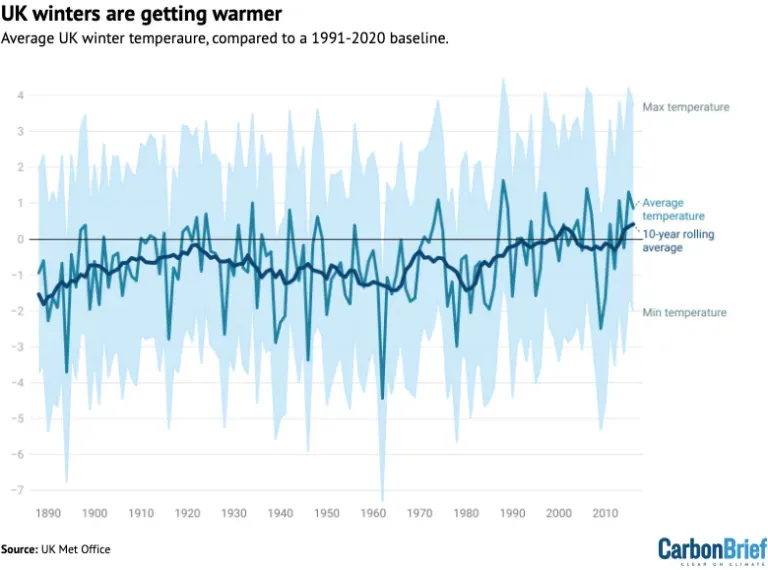
The transformation of UK winters from mild and dry to wetter and more severe has raised significant concerns among climate scientists and the general public alike. Historical data indicates that the recent pattern of wetter winters may not just be an anomaly, but rather the manifestation of climate change effects in the UK. As global temperatures continue to rise, we can expect more frequent and prolonged periods of heavy rainfall, marking a shift in UK weather patterns. Such a shift may lead to socioeconomic challenges, as communities must adapt to increasingly unpredictable weather.
The Met Office predicts that with every degree of global warming, the intensity and frequency of rainfall events will escalate. This translates into a higher flooding risk for many regions, particularly where urban development exacerbates runoff issues. Areas previously unaffected by flooding may find themselves unprepared for sudden deluges, making it essential to reassess infrastructure and community preparedness. The question arises: how will we manage these challenges as wetter winters in the UK become more commonplace?
Impact of UK Flooding 2023 on Communities
The flooding incidents recorded in 2023 bring to light the devastating effects of water excess on communities throughout the UK. Images of submerged homes and farms illustrate a growing crisis, one that local officials and residents feel unprepared to tackle. The Environmental Agency has urged immediate action to address local vulnerabilities, yet the scale and severity of flooding necessitate long-term planning. Communities must engage in discussions about the environmental impacts of development in flood-prone areas, especially with continued urban expansion predicted.
Moreover, the psychological toll of recurrent flooding cannot be underestimated. Families facing the loss of their homes, roads, and agricultural land must grapple with financial insecurity in the aftermath. A farmer from Somerset shared how his livelihood is jeopardized by the climate’s shift, further emphasizing the personal stories behind the statistics. As flooding impacts mount, the importance of community resilience and adaptation strategies becomes increasingly apparent. With the Environment Agency investing substantially in flood defenses, collaboration between local governments and residents will be crucial in designing effective solutions.
The Role of Climate Change in UK Flooding Risks
Climate change is undeniably a significant driver behind the increasing flooding risk in the UK. Research shows that global warming has led to a rise in sea levels and altered precipitation patterns, resulting in more intense and frequent rainfall. For instance, the heavy rains experienced during the past winters can be linked to changes brought about by climate change. As the atmosphere warms, it holds more moisture, which leads to torrential downpours when conditions are right, overwhelming drainage systems and flood defenses that were not designed to handle such extremes.
Moreover, areas in the East Midlands and Yorkshire, already considered flood-prone, are particularly vulnerable to the impacts of both climate change and urban development. With predictions that one-quarter of properties in the UK could be at risk of flooding by 2050, proactive intervention is essential. This involves not only improving flood defenses but also revisiting land-use policies that currently enable construction on floodplains. Addressing these challenges requires a holistic approach that considers the multifaceted consequences of climate change and proactive measures to mitigate future risks.
Understanding Global Warming Effects on UK Weather Patterns
As scientists study the interactions between global warming and weather systems, it’s crucial to acknowledge the shifting dynamics affecting the UK’s climate. The correlation between increased greenhouse gas emissions and unusual weather patterns reveals alarming trends. With each incremental increase in temperature, the likelihood of extreme weather events rises—a fact that cannot be ignored. The past few decades have illustrated this relationship clearly, as the UK has reported several of its wettest years to date, straining infrastructure and response systems countrywide.
Long-term studies indicate that changes in weather patterns stemming from global warming are likely to persist or even intensify. As we continue to witness fluctuating seasons and unpredictable weather, understanding these changes becomes pivotal for planning and preparedness. For communities and policymakers, recognizing the implications of global warming effects on UK weather patterns can inform a more resilient approach to future development and environmental management.
Flooding Risks and the Future of UK Infrastructure
The risk of flooding in the UK poses a formidable challenge to the nation’s infrastructure. With forecasts indicating that significant portions of the transport network— including railways and roads— will face enhanced flooding risks, the time for action is now. Well-documented instances of flooding disrupting logistics highlight vulnerabilities that can impact business continuity and emergency services. However, beyond immediate repairs, a fundamental reassessment of infrastructure design is critical to withstand the impacts of severe weather.
New approaches to infrastructure must incorporate sustainable practices and innovative designs that account for rapidly changing weather patterns. Developing permeable surfaces, improved drainage solutions, and eco-friendly flood defenses can help mitigate future flooding risks. Furthermore, a concerted effort across local and national levels to enhance these defenses can provide not only safety but also confidence for communities anticipating the next storm season.
Urban Development: A Factor in Increasing Flooding Challenges
Urban expansion and development play a double role in exacerbating flooding issues across the UK. As new homes are built, often on floodplains or areas at high risk, the natural absorption of rainwater is severely compromised. Impervious surfaces such as concrete and asphalt prevent proper drainage, leading to increased surface runoff during heavy rainfall. This can overwhelm existing drainage systems, resulting in elevated flooding risks that threaten citizens. The correlation is evident—more homes and paved surfaces lead to greater challenges in managing rainfall.
It is imperative for developers and planners to integrate flood resilience considerations into new projects. By adopting policies that protect natural floodplains and increase vegetative surfaces within urban areas, the UK can tackle the adverse consequences of excessive rain more effectively. Strategically implementing green infrastructure can help absorb rainwater, thus alleviating stress on drainage systems and ultimately contributing to reduced flooding risks.
Reassessing Flood Defenses in Light of Climate Change
As the frequency and intensity of extreme weather events increase, the current state of flood defenses must be critically assessed. Many existing barriers and shelters, originally constructed to handle anticipated flooding risks, may no longer suffice under the pressures of climate change. With studies indicating the maintenance of flood defenses varies significantly across agencies, a coordinated approach is essential to ensure they meet modern expectations and withstand rising flood scenarios. The adage ‘fail to prepare, prepare to fail’ rings especially true in this context.
A potential solution lies in investing in innovative flood defense systems, which employ advanced technologies and nature-based strategies to enhance resilience. Incorporating community input in building these systems can transform flood defenses from mere safety nets into integral parts of local ecosystems, melding engineering with environmental conservation. Adaptation to more severe conditions necessitates a shift in perspective on how we build, maintain, and integrate flood defenses within our communities.
Mitigation Strategies Amid Changing Flood Risk Patterns
Addressing the adverse effects of flooding involves not only immediate response mechanisms but also proactive mitigation strategies. This can include enhancing community awareness and preparedness for flooding events, particularly in vulnerable areas. By fostering a culture of readiness, including training for residents on emergency procedures and flood response, communities can build resilience against these inevitable weather extremes. The incorporation of education into climate policy may also inspire grassroots movements focused on sustainable practices and flood risk awareness.
In addition to local initiatives, national strategies must prioritize climate resilience across all sectors. This can involve investing in research that improves forecasting and modeling of flooding scenarios, enabling better planning and resource allocation. By engaging various stakeholders—urban planners, environmental agencies, and local communities—translating scientific forecasts into actionable strategies can improve overall readiness and response to flooding in the UK.
Policy Changes Needed for a Resilient Future
The challenges posed by increasing flood risks due to climate change call for comprehensive and proactive policy changes within the UK. Acknowledging the potential impacts of future flooding should guide government development objectives, especially regarding housing projected on at-risk land. Policymakers must collaborate with environmental specialists to create guidelines that discourage the construction of new developments in areas that are historically prone to flooding, ensuring that the future expansion of cities considers climate adaptations.
Additionally, the funding and execution of flood management initiatives must be a priority to address existing vulnerabilities. This includes supporting the maintenance and improvement of current drainage systems and flood defenses, making necessary investments in climate-resilient infrastructure. By fostering an integrated and forward-thinking policy landscape, the UK can not only address instant challenges posed by current flooding patterns but also lay a strong foundation for community safety and resilience in the face of looming climate uncertainties.
Frequently Asked Questions
Are wetter winters in the UK contributing to increased flooding risk?
Yes, wetter winters in the UK are directly linked to an increased flooding risk. The Met Office reports that rising global temperatures are making extreme wet weather events more frequent, leading to circumstances where regions experience significant rainfall and flooding, as seen in recent events across the country.
What is the connection between climate change UK and wetter winters?
Climate change UK is resulting in wetter winters due to increased atmospheric temperatures, which allow for more moisture to be held in the air. This leads to heavier precipitation, and according to the Met Office, events like the unusually wet winter of 2023/24 are becoming more common
How do global warming effects impact UK weather patterns?
Global warming effects are altering UK weather patterns, making winters wetter and causing heavier rainfall events. As global temperatures rise, the atmosphere holds more moisture, leading to extreme weather conditions and significant flooding risks that the UK is now facing.
What can be done to mitigate the flooding risk in the UK due to wetter winters?
Mitigating flooding risk in the UK requires a comprehensive approach, including investing in flood defenses, restoring natural landscapes like wetlands for better water absorption, and implementing stricter regulations on development in flood-prone areas. The government’s £10.5 billion flood program aims to protect 900,000 properties from future flooding.
What are the predictions for future wetter winters in the UK?
Predictions indicate that if global temperatures continue to rise, wetter winters in the UK will become more frequent. Currently, wet winters that used to occur once every 80 years are now expected to happen once every 20 years, highlighting the urgent need for climate action.
How do saturated soils lead to flooding in the UK during wetter winters?
Saturated soils, caused by clustered rainfall events, increase runoff and reduce water absorption, leading to flooding. When soils cannot absorb more water, the excess moisture contributes to surface flooding, worsened by climactic factors associated with climate change.
What areas in the UK are most vulnerable to the impacts of wetter winters?
Areas such as the East Midlands, Yorkshire and The Humber, and southeastern England are particularly vulnerable to the impacts of wetter winters and increased flooding. The Environment Agency has reported that these regions are at higher risk due to more frequent heavy rainfall and rising sea levels.
How is the UK’s railway network affected by increased flooding risk?
The UK’s railway network is significantly impacted by flooding, with one-third currently at risk. As wetter winters and extreme rainfall events become more common, flooding will likely disrupt services and damage infrastructure, potentially affecting over half of the rail network in less than 25 years.
What role does urban development play in increasing flooding during wetter winters in the UK?
Urban development exacerbates flooding risks during wetter winters by reducing natural land absorption. Paved surfaces prevent rainwater from being soaked into the ground, leading to higher runoff which can overwhelm drainage systems and contribute to flooding incidents.
What is the role of organizations like the Environment Agency in managing flooding risk in the UK?
The Environment Agency is responsible for maintaining a significant portion of the UK’s flood defenses and plays a crucial role in helping communities prepare for and adapt to flooding risks. While challenges persist, they are committed to investing in flood prevention initiatives, with a £10.5 billion program planned to protect more properties by 2036.
| Key Point | Details |
|---|---|
| Wetter Winters | Wetter winters in the UK are becoming more frequent, with significant flooding affecting many areas. |
| Frequency of Rain Events | Heavy rainfall events exceeding 80mm a year are projected to increase from 7 to 9 days by the end of the century. |
| Impact of Climate Change | The trends in wetter winters are linked to climate change, with global temperatures affecting rainfall patterns. |
| Impact on Agriculture | Farmers are at risk of losing crops due to flooding, affecting food supply and farming sustainability. |
| Risk to Infrastructure | One-third of the UK railway network is at risk of flooding, expected to increase significantly. |
| Flood Defenses | The UK’s flood defenses face challenges, with many not meeting safety standards and development exacerbating flooding risks. |
| Government Spending | An additional £10.5 billion will be invested in flood defenses to protect properties by 2036. |
Summary
Wetter winters in the UK are increasingly becoming the norm, as evidenced by the recent severe weather patterns that have caused widespread flooding. The implications of these changing weather patterns are significant, impacting everything from agriculture to infrastructure. With forecasts indicating that such wetter conditions are likely to continue and intensify due to climate change, proactive measures and investments are essential to mitigate the associated risks. Understanding these dynamics will be crucial for adapting to future environmental challenges.