
Listen to this article
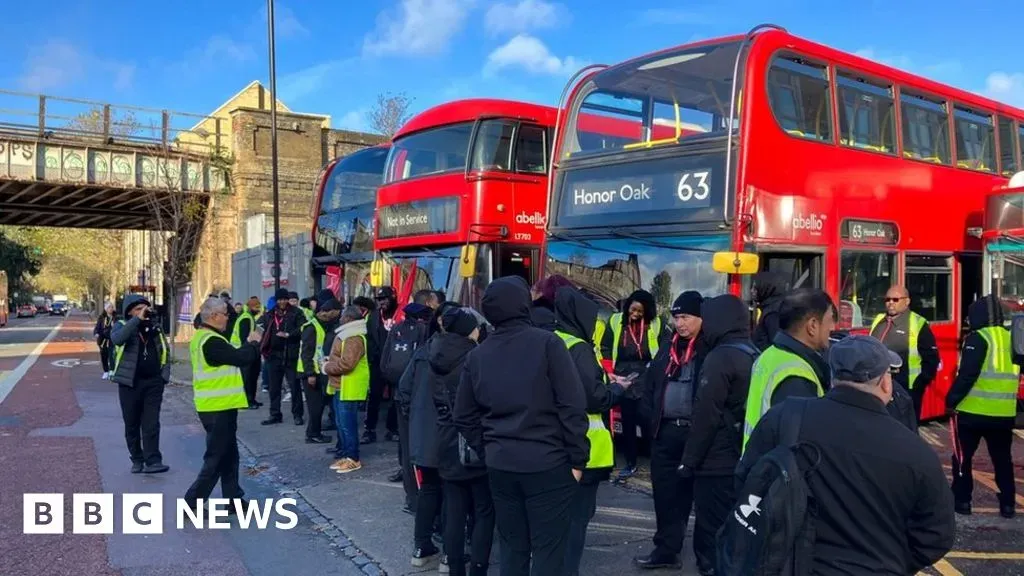
The West London bus strike is significantly affecting commuters during the crucial lead-up to Christmas, as over 350 staff members, including drivers and engineers, embark on strike action. From December 22 until Christmas Eve, multiple bus routes will experience severe service disruptions, leaving many passengers in the lurch. These disruptions stem from a pay dispute involving First Bus London, the parent company of London Transit, and the trade union Unite, which is advocating for fair wages for its members. With key routes such as the 13, 23, and 218 grounded, residents are urged to consider alternative travel plans amidst the chaos. As the London Transit strike unfolds, the impacts of the ongoing industrial action ripple across the city’s transport network, making Christmas travel in West London particularly challenging.
In the heart of West London, a transportation crisis is underway as bus services face significant interruptions due to industrial action by bus workers, notably from First Bus London. This labor dispute has led to a strike affecting vital routes, leaving many commuters scrambling for alternate means of transport during this busy holiday season. The London Transit strike highlights broader issues within public transport, emphasizing the importance of fair compensation for essential workers. As staff demand better pay conditions, the ramifications are felt across the urban landscape, creating a pressing need for passengers to adapt their travel plans. The ongoing bus service disruptions in London are a stark reminder of the challenges facing both operators and commuters alike during crucial travel periods.
West London Bus Strike: Impact on Local Commuters
With the onset of the West London bus strike, local commuters are experiencing considerable disruptions in their daily travel routines. The strike, which involves over 350 drivers, engineers, and store workers, is primarily impacting key bus routes that connect various parts of West London. These disruptions come at a particularly inconvenient time, as the holiday season approaches and more people rely on public transport to get to work, shop, or visit family. Passengers have reported an increase in travel times and frustrations, highlighting the essential role that these bus services play in everyday commuting.
The bus service disruptions in London have not gone unnoticed by the public. Affected routes, including the 13, 23, and 31, have resulted in significant inconvenience, forcing passengers to seek alternative modes of transport. While some find workaround solutions, like taking different bus numbers or opting for taxis, many are worried about the cumulative effect of these strikes as Christmas draws near. The disrupted services are a source of anxiety not only for regular commuters but also for those who may be traveling for the first time during the holiday season.
Safe Travel Tips During the Christmas Travel Chaos in West London
In light of the ongoing bus service disruptions in London due to the West London bus strike, passengers are encouraged to plan their travels wisely. Given that this disruption coincides with the busy Christmas travel period, it is crucial for individuals to be proactive in checking their routes and exploring alternative options. Transport for London (TfL) has been advising all passengers to stay updated on service changes and be prepared for longer waiting times or increased congestion on alternative bus services that remain operational during this period.
Travelers should consider using apps and websites that provide real-time updates on bus and train services, ensuring they can adapt their plans as needed. Additionally, those scheduled for important appointments, such as medical visits at institutions like Charing Cross Hospital, should allocate extra time for travel. By prioritizing safety and awareness during this chaotic time, passengers can minimize the impact of the bus disruptions and arrive at their destinations more smoothly.
Understanding the Cause of the First Bus London Strike
The underlying disputes leading to the First Bus London strike stem from negotiations over pay and working conditions initiated by the trade union Unite. Workers have expressed dissatisfaction with a recent pay offer, viewing it as inadequate compared to the rising costs of living and the demands of their roles. Calls for the company to return to the negotiating table emphasize that employees wish for fair compensation reflective of their hard work in ensuring safe and efficient transport for the people of London.
Unite’s accusations against London Transit suggest a larger issue concerning worker treatment and labor rights within the public transport system. The introduction of a proposed lower-paid grade for new drivers has raised concerns among the existing workforce, leading to more resistance and eventually strike action. Understanding these dynamics is pivotal for passengers, as the resolution of these labor disputes will directly affect the reliability and availability of public transport services across London.
Mitigation Strategies for Passengers During Service Disruptions
As the West London bus strike continues, passengers can explore several strategies to mitigate the impact of diminished bus services. Carpooling with friends or colleagues, cycling, or using ride-sharing apps can alleviate some of the stress associated with travel disruptions. Additionally, those who work flexibly may wish to consider altering their travel times to avoid peak hours, which are likely to see an influx of additional passengers on remaining operational routes.
Moreover, organizing group travels or using local resources like community transport options could further help alleviate some of the pressures faced during this busy period. While navigating through the frustrations caused by the bus service disruptions in London, taking proactive measures to adjust travel plans can save time and enhance comfort.
Public Sentiment on the London Transit Strike
Public sentiment surrounding the West London bus strike reflects a mix of frustration, resignation, and understanding. Many commuters recognize the workers’ plight but also express their own struggles in adapting to the service disruptions. Passengers like Kelly Augustine have shared their experiences, noting that while alternative bus routes are available, the inconvenience can still lead to delays, particularly during busy periods like Christmas.
Interestingly, some passengers appear less affected, demonstrating varying levels of dependency on public transport for their commute. As different individuals navigate their journeys amidst the strike, this dichotomy in experience underscores the complexities of urban transit and how fluctuations in services can touch upon the daily lives of residents in vastly different ways. Engaging with local transit stories can shed light on the human impact of labor disputes in essential public services.
The Importance of Communication from Transport Authorities
Clear communication from transport authorities during times of service disruptions is pivotal in helping passengers plan their journeys effectively. As the situation unfolds with the West London bus strike, it is imperative for agencies like TfL to provide real-time updates regarding affected routes and alternative transport options available. By ensuring that the public stays informed, authorities can reduce anxiety and uncertainty among commuters, allowing them to make more informed decisions about their travel plans.
Furthermore, establishing dedicated channels for customer feedback during disruptions can help improve the overall experience for passengers. Transparent communication fosters trust and encourages a positive rapport between commuters and transport providers, which is especially crucial in turbulent times such as these. Such strategies not only assist individuals in navigating immediate challenges but also pave the way for lasting improvements in public service operations.
Alternatives to Bus Services During the Strike
While the West London bus strike presents challenges for many commuters, alternative transport options remain available for those needing to navigate the city. With many residents already relying on a combination of public and private transportation, including the Tube and rail services, exploring these alternatives during the strike can ensure mobility remains a priority in bustling West London. It’s advisable for passengers to check TfL’s website for updates on rail and Tube schedules, ensuring they can efficiently reach their destinations.
Additionally, for those who may need to travel short distances, walking or cycling can be viable options to avoid being affected by bus service disruptions. Urban areas are increasingly focusing on accommodating cyclists, with dedicated bike lanes and rental services available. By considering these alternatives, individuals can take proactive steps to mitigate the impact of the strike while ensuring that their travel needs are met.
How the Strike Affects Local Businesses and Economy
The ongoing West London bus strike not only impacts commuters but also poses significant challenges for local businesses relying on foot traffic. Disruptions to bus routes can lead to fewer customers visiting shops, cafes, and services, particularly during the crucial holiday shopping season. Business owners may find it increasingly difficult to maintain sales during this time as potential customers are deterred by the lack of convenient transport options.
Additionally, reduced service could create broader economic implications for the area, as less consumer spending can ripple through local economies. Shop owners may need to adapt their strategies, perhaps by enhancing online offerings or considering partnerships with delivery services to reach customers who are opting to stay home due to transport issues. Recognizing the interconnectedness of public transportation and economic stability is key to addressing the needs of both commuters and business owners.
Looking Forward: The Future of London Transit After the Dispute
Looking ahead, the resolution of the West London bus strike will play a critical role in shaping the future of public transit in the area. There is significant hope that constructive dialogue will emerge from the ongoing negotiations between First Bus London and Unite. Engaging openly with employee concerns may lay the groundwork for a more resilient transportation network that facilitates better working conditions and maintains reliable services for the public.
As London continues to evolve, the influence of such labor disputes on transit policies and practices cannot be overstated. Prioritizing an equitable work environment is essential for attracting and retaining skilled drivers and ensuring seamless bus services, thus enhancing the overall commuter experience. Should the current disputes lead to more informed policies, the long-term benefits could positively impact not just employees but also the broader community dependent on these vital transportation links.
Frequently Asked Questions
What is the impact of the West London bus strike on Christmas travel plans?
The West London bus strike is causing significant disruptions to bus services in the lead-up to Christmas, affecting routes such as the 13, 23, and 218. Passengers are advised to plan ahead and consider alternative services, especially as service availability decreases until Christmas Eve.
Which bus routes are affected by the West London bus strike?
The West London bus strike is impacting seven key bus routes: 13, 23, 31, N31, 218, 295, and 452. Reduced services on these routes mean that travelers may experience delays and should seek alternative transport options.
How long will the West London bus strike last?
The West London bus strike will continue until the end of service on December 24, with further disruptions anticipated from December 31 to January 1. Passengers should stay updated on service changes during this period.
Are there alternative transport options available during the West London bus strike?
Yes, during the West London bus strike, passengers may need to rely on alternative transport options such as other bus routes, Tube services, or rail services which are unaffected by the strike.
What caused the West London bus strike affecting First Bus London?
The West London bus strike was initiated by staff at First Bus London following a rejected pay offer from the company. The bus drivers and engineers, represented by the Unite union, have raised concerns over inadequate compensation and pay structure.
Will other TfL bus services be impacted during the West London bus strike?
While the West London bus strike affects specific routes, Transport for London (TfL) reports that all other bus routes, along with Tube and rail services, will operate as normal. However, nearby local services may experience increased demand.
How are hospitals affected by the West London bus strike?
Hospitals such as Charing Cross are affected as one of the disrupted bus routes provides access to the facility. Patients and visitors are urged to plan their journeys in advance and consider alternative transport due to the West London bus strike disruptions.
What should passengers do if their service is disrupted by the West London bus strike?
Passengers whose bus services are disrupted by the West London bus strike should check TfL’s official website for updates on service availability and plan their journeys accordingly, allowing extra time to reach their destinations.
| Key Points | Details |
|---|---|
| Impact on Travel | Reduced services are causing significant inconvenience for passengers in Central and West London. |
| Duration of Strike | From December 22 to Christmas Eve, with prior strikes on December 12 and 15. |
| Routes Affected | Bus routes 13, 23, 31, N31, 218, 295, and 452 are impacted. |
| Union’s Position | Unite claims the recent pay offer is unacceptable and urges negotiations. |
| Company Response | First Bus London aims to resolve the issue through further talks. |
| Advice for Travelers | TfL advises passengers to plan ahead and check for alternative routes. |
Summary
The West London bus strike has notably impacted travel during the busy Christmas season, as a significant number of bus routes are suspended due to staff walkouts. Over 350 workers protest against inadequate pay, leading to severe disruptions. Passengers in affected areas are advised to seek alternatives, with ongoing negotiations between London Transit and the union in hopes of reaching a resolution. As the situation develops, it’s crucial for commuters to remain informed and plan their journeys accordingly.