Listen to this article
Welsh devolution has reshaped the political landscape of Wales since its inception, providing the National Assembly for Wales with varying degrees of law-making powers. Spearheaded by Tony Blair’s Labour government, the initial push for devolution in 1997 aimed to quell the risks of national fragmentation within the United Kingdom. Subsequent discussions, particularly around the Richard Commission’s recommendations in 2004, prompted debates about enhancing Wales law-making powers amidst concerns over separatism. Despite Blair’s assertion that the Welsh electorate demonstrated little appetite for more radical changes, the trajectory of devolved governance has gradually progressed, ultimately leading to the significant expansion of the assembly’s powers in 2011. As Wales navigates its identity within the UK, comparisons to the movements for Scottish independence highlight the continuing relevance and complexity of devolution in shaping regional autonomy.
The evolution of governance in Wales, often referred to as Welsh self-governance, reflects a broader dialogue on regional autonomy within the UK framework. Beginning with the establishment of the National Assembly for Wales, this political evolution has been characterized by attempts to enhance local decision-making capabilities. Over the years, discussions prompted by commissions like the Richard Commission have emphasized the need for expanded legislative competencies, contrasting with sentiments expressed during Tony Blair’s administration. As political dynamics shift, many in Wales continue to advocate for increased powers, drawing parallels to movements for independence in Scotland. This ongoing discourse not only highlights the distinct identity of Wales but also poses critical questions about the future of devolution and regional governance in the United Kingdom.
The Historical Context of Welsh Devolution
Welsh devolution embarked on a transformative journey in the late 20th century, particularly with the introduction of the National Assembly for Wales in 1999. This move was deeply rooted in a history of political struggle and identity, reflecting a growing desire for self-governance among the Welsh people. The assembly’s creation was not merely a political formality; it represented a significant shift in how Wales would engage with the UK government, marking the beginning of a new era in local governance. This period saw a quest for delineation of powers that would later include debates on law-making capabilities, illustrating the complexities associated with regional autonomy in the UK.
Tony Blair’s Labour government played a pivotal role in initiating devolution for Wales, as well as Scotland, intending to quell rising sentiments for independence. Despite Blair’s dismissal of further powers in 2004 due to perceived lack of support, the groundwork laid by early devolution laid a foundation for future discussions and legislative changes. This historical context highlights the balance between central control and the aspirations for independent governance that would occupy Welsh politics following the establishment of the assembly.
Tony Blair’s Perspective on Welsh Devolution
Tony Blair’s tenureship saw pivotal moments concerning Welsh devolution, particularly in the aftermath of the assembly’s establishment. His belief that his government effectively resolved the threat of a UK breakup illustrates a broader strategy aimed at national unity amidst rising calls for independence, especially in Scotland. Blair viewed the National Assembly for Wales as a necessary step towards addressing regional distinctiveness while maintaining overarching UK governance. His comments during cabinet discussions reflect a definitive stance against further devolving powers, arguing that Wales demonstrated “no appetite” for such changes, an assertion rooted in political strategy rather than public sentiment.
Despite Blair’s confidence in the assembly’s existing structure, his reluctance to endorse the full law-making powers proposed by the Richard Commission revealed divisions within the Labour Party and among the Welsh electorate. The debates at the cabinet level highlighted an extraordinary tension between the need for more local control and the apprehensions over potential separatist sentiments that had emerged historically. As hindsight would show, this decision was part of a crucial balancing act that Blair attempted, one which many in the Welsh national discourse continued to challenge long after his departure.
The Role of the Richard Commission
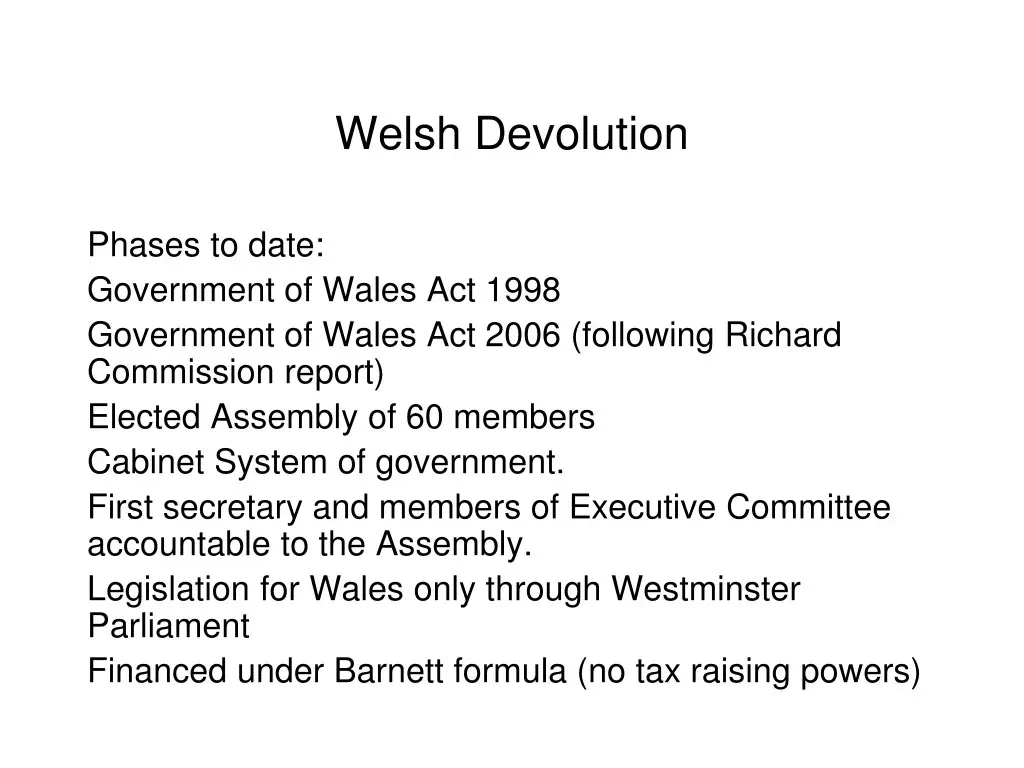
The Richard Commission was essential in shaping the discourse surrounding Welsh legislative powers, having presented a series of recommendations aimed at enhancing the assembly’s authority. Established in the early 2000s, the commission highlighted the inadequacies in existing frameworks that limited the assembly’s ability to legislate effectively. The labor peer Lord Ivor Richard, who led the commission, proposed significant changes that would grant full primary law-making powers to the assembly, yet these reforms faced considerable pushback from within the Labour ranks. This internal conflict underscored the challenges to a cohesive vision for devolution that could satisfy both political aspirations and public expectations.
These discussions culminated in intense debates within the cabinet, with figures like Peter Hain advocating for a minimalist approach to further devolve powers, reflecting concerns about constituency divisions in Wales. The resistance to the commission’s more ambitious proposals illustrated a broader reluctance to embrace the radical restructuring of political power in Wales. Subsequent decisions by the Labour government regarding the extent of Welsh law-making powers affected not only the assembly but also the trajectory of regional governance in the UK, highlighting the significance of the Richard Commission’s recommendations in the context of Welsh political evolution.
Impacts on Welsh Law-Making Powers
The gradual evolution of Welsh law-making powers has been punctuated by significant milestones that underscore the complexities of governance within the UK. Initially entrusted with a limited budget and responsibilities, the National Assembly for Wales faced continuous scrutiny regarding its capacity to manage essential services effectively. The 2006 legislation marked a critical shift by permitting the assembly to enact laws within devolved areas, which could potentially culminate in greater self-governance. This legislative development was met with mixed feelings, as many stress tested the assembly’s capabilities and its accountability to Welsh interests.
The 2011 referendum further solarized the debate surrounding devolved powers, ultimately endorsing the assembly’s authority to make law without relying on Westminster’s approval. With 63.5% of voters in favor, it signified an increased appetite for autonomy among the Welsh populace, contrasting directly with Blair’s earlier assessment that claimed a lack of widespread support. As Wales continues to navigate its devolved governance, evaluating the impacts of these legislative changes remains paramount, emphasizing how law-making powers have affected identity, governance, and political sentiment in Wales.
The Cabinet Debate on Devolution and Political Strategy
The cabinet’s deliberations concerning Welsh devolution in 2004 revealed underlying tensions within the Labour Party regarding political strategy and regional governance. Political leaders grappled with the complexities of maintaining unity across the UK, particularly in light of growing calls for independence among Scottish nationalists. Blair’s assertion that his administration had effectively addressed concerns over separatism reflected a desire to project confidence in the devolution process while simultaneously appeasing various factions within the party and public. Thus, the cabinet discussions emerged as a critical site for negotiating the future of power distribution in Wales.
As highlighted in the minutes from the cabinet meeting, the projected path forward was met with mixed reactions. Proponents of further devolution cited the need for comprehensive law-making capabilities to enhance the assembly’s legitimacy, while opponents feared a disconnect from national cohesion. This situation elucidated the challenges policymakers faced in ensuring that reforms aligned with the broader interests of their constituents across the country, all against a backdrop of political strategizing reminiscent of Scottish independence movements. The perpetuation of these debates signifies an ongoing struggle for clarity and coherence in public policy concerning Welsh governance.
Public Opinion on Welsh Devolution
Public sentiment surrounding Welsh devolution has undergone significant transformations from the inception of the National Assembly to the present day. Initially viewed with skepticism, the assembly gradually garnered support as citizens recognized its role in addressing local issues and the unique identity of Wales within the broader United Kingdom. As awareness of devolution’s implications grew, many voters began to appreciate the power that the assembly wielded, particularly in matters affecting health, education, and public welfare. This shift in perspective culminated in the overwhelming approval of direct law-making powers in 2011, marking a pivotal point that many interpreted as a mandate for greater autonomy.
Despite historical contentions about the legitimacy of the assembly’s powers, ongoing debates reflect a diverse array of opinion across Wales. Proponents of Welsh independence often cite their discontent with Westminster’s governance as a reason for wanting even greater autonomy. Conversely, some citizens value the stability provided by the existing devolution settlement. The complexity of these public sentiments highlights the need for continuous dialogue among stakeholders to ensure that Welsh governance resonates with the aspirations of its people while addressing the pressing challenges of regional administration.
Comparing Welsh and Scottish Devolution
The process of devolution in Wales and Scotland has been marked by distinctive trajectories, informed by varying historical, cultural, and political contexts. Scotland’s push for autonomy began earlier, leading to a more extensive devolution settlement with its own parliament and distinct law-making powers. Conversely, Wales initially received a National Assembly with limited powers, which led to frustrations among those advocating for broader governorship. This disparity has prompted ongoing comparisons between the two nations, particularly concerning public support for legislative independence and the effectiveness of respective assemblies in addressing regional concerns.
The juxtaposition of Welsh devolution with Scottish independence movements, including the high-profile referendum in 2014, underscores the differing political landscapes across the UK. While Tony Blair’s administration sought to mitigate the risk of separatism in Wales through devolved powers, the more entrenched push for Scottish autonomy demonstrates a stark contrast in political aspirations. These differences have prompted both nations to navigate their respective paths towards self-identity and governance, revealing themes of nationalism, legislative authority, and public agency that continue to resonate in contemporary discussions about regional autonomy in the UK.
The Future of Welsh Devolution
Looking ahead, the future of Welsh devolution remains critical in shaping the governance landscape within the UK. Increasing demands for greater autonomy are matched with the lessons learned from the historical decisions made by figures like Tony Blair, whose approaches to Welsh governance have undoubtedly affected current dialogues. As the complexity of regional needs grows, the Welsh assembly will likely face pressure to further expand its powers, aligned with the evolving aspirations of its constituents. With the ongoing socio-political changes affecting both Wales and Scotland, discussions concerning the depth and range of devolved powers will become progressively salient.
The potential for future referendums on Welsh independence is also positioned within the broader context of national politics, not just limited to domestic reflections but inclusive of transnational phenomena affecting governance in the UK. Therefore, as Welsh authorities strive to address local challenges through a decentralized framework, the intersection of public opinion, political strategy, and legislative capacity will dictate the trajectory of future demand for devolved governance. The ongoing dialogue will be essential in determining how effectively Wales can navigate its unique position within the UK’s complex political fabric.
Frequently Asked Questions
What were Tony Blair’s contributions to Welsh devolution during his premiership?
Tony Blair played a pivotal role in the establishment of Welsh devolution by supporting the creation of the National Assembly for Wales in 1999. His Labour government aimed to address concerns about separatism in the UK by promoting a degree of self-governance in Wales, ultimately overseeing the assembly’s budget and powers.
How did the Richard Commission influence Welsh law-making powers?
The Richard Commission, established in 2004, made significant recommendations for Welsh devolution, particularly advocating for the National Assembly for Wales to gain primary law-making powers. However, Tony Blair’s cabinet, facing opposition from Welsh Labour, rejected these wider powers, opting instead for limited legislative authority.
What is the significance of the 2011 referendum regarding Welsh devolution?
The 2011 referendum was a landmark moment for Welsh devolution, as 63.5% of voters supported granting direct law-making powers to the Welsh Assembly. This vote marked a significant shift in Wales’s governance, allowing the assembly to legislate without further Westminster approval in devolved areas.
Why did Tony Blair believe there was no appetite for further Welsh devolution in 2004?
In 2004, Tony Blair expressed that there was ‘no appetite’ for additional powers among the Welsh electorate. He believed that the existing devolution settlement effectively addressed concerns about separatism and that most people in Wales were satisfied with the powers available to the National Assembly.
How did Welsh devolution compare to Scottish devolution during Blair’s era?
While both Wales and Scotland received their devolved governments under Tony Blair’s premiership, the processes differed significantly. Scottish devolution had a stronger mandate with greater public support, leading to wider powers, whereas Welsh devolution faced skepticism, leading to more conservative incremental changes in powers as advocated by figures like Peter Hain.
What were the long-term effects of Tony Blair’s decisions on Welsh devolution?
Blair’s choices shaped the trajectory of Welsh devolution, leading to a gradual increase in the powers of the National Assembly. The eventual acceptance of full law-making powers in 2011 reflects a shift towards more significant self-governance, highlighting ongoing debates about Welsh identity and independence.
What role did the National Assembly for Wales play post-1999 in relation to Welsh governance?
After its establishment in 1999, the National Assembly for Wales was responsible for overseeing various devolved areas, including health, education, and local government. Its role evolved over the years, especially with the 2006 legislation allowing for new law-making capabilities, culminating in the direct powers granted post-2011 referendum.
How did the debate on Welsh independence intersect with discussions of devolution?
Ongoing debates about Welsh independence are intertwined with discussions of devolution, as many in Wales continue to seek greater autonomy. The popularity of parties like Plaid Cymru and the movements toward independence in Scotland reflect a complex relationship between Welsh identity, governance, and the desire for self-determination.
| Key Point | Details |
|---|---|
| Blair’s Belief | Tony Blair believed devolution effectively addressed the breakup threat to the UK. |
| 2004 Cabinet Meeting | During a cabinet meeting, Blair dismissed calls for full law-making powers for Wales. |
| Richard Commission | The Richard Commission proposed granting primary law powers but faced opposition. |
| Peter Hain’s Position | Hain advocated for limited powers, claiming no consensus for radical change in Wales. |
| Minimizing Change | The cabinet rejected the commission’s more far-reaching proposals for powers. |
| 1997 Establishment | Blair established the Welsh Assembly in 1999 with a £7 billion budget. |
| 2011 Referendum | Welsh voters endorsed direct assembly law-making powers with 63.5% support. |
Summary
Welsh devolution has been a pivotal issue in the governance of the UK, marked by Tony Blair’s attempts to stabilize the country amidst separatist sentiments. His belief that devolution had sufficiently quelled the demand for independence reveals the complexities within the discussions of governance in Wales. Despite initial resistance to granting full legislative powers, the evolution of the Welsh Assembly and subsequent referendum in 2011 illustrate the dynamic nature of devolution. The continuing dialogue surrounding Welsh autonomy remains critical to understanding the political landscape of the UK today.