Listen to this article
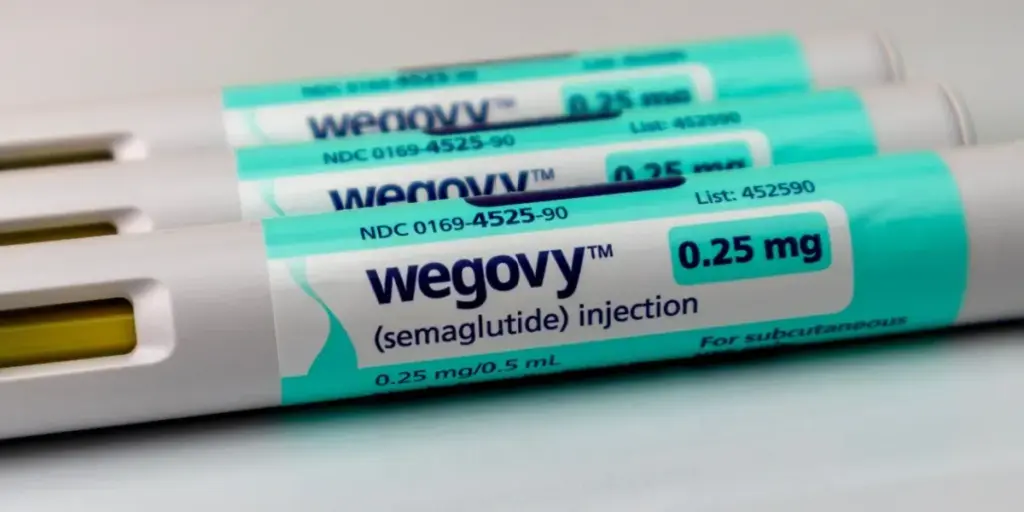
Recently, Wegovy price cuts have taken center stage in discussions surrounding weight-loss medications, prompting significant scrutiny and concern from investors. As the maker of both Wegovy and Ozempic, Novo Nordisk is grappling with an 18% plunge in its shares after CEO Maziar Mike Doustdar described the impending pricing changes as unprecedentedly painful. Amidst this turmoil, the company anticipates a potential sales drop of up to 13%, attributing these challenges partly to a pricing agreement with the U.S. government aimed at making these GLP-1 drugs more accessible. The landscape of weight-loss medications is rapidly changing, thanks to growing competition not only from Novo Nordisk but also from rivals like Eli Lilly, which is pushing for further price reductions. In light of these factors, it’s clear that the process of navigating the evolving market environment for such medications poses both risks and opportunities for the pharmaceutical giant.
In the realm of obesity treatment and diabetes management, recent developments have brought to light significant adjustments in the costs associated with leading medications. The recent announcements regarding reductions in the price of Wegovy highlight the broader issue of pricing strategies for GLP-1 medications, particularly as competition heats up in the health market. Novo Nordisk, facing pressure from competitors and changing regulations, is striving to balance market accessibility and profit margins. Similar medications, including Ozempic and Eli Lilly’s offerings, are also experiencing price adjustments aimed at increasing consumer access. This shift not only affects the companies financially but also has a profound impact on patients seeking affordable treatment options.
Understanding Wegovy Price Cuts and Their Impact
Wegovy, a medication manufactured by Novo Nordisk, has recently come under scrutiny as the company announced significant price cuts. The CEO, Maziar Mike Doustdar, described these pricing movements as “painful,” particularly in light of the company’s plunge in stock prices. An expected 13% reduction in profits and sales highlights the challenges that Novo Nordisk is facing due to competitive pressures in the weight-loss medication market. With a deal aimed at reducing prices, the company appears to be responding to increasing calls for more affordable treatment options in the U.S.
Furthermore, these drastic price cuts not only reflect the competitive landscape of GLP-1 drugs but also underscore the potential long-term strategy of Novo Nordisk. By making Wegovy more accessible and affordable, the company hopes to increase market share in a landscape that also features rival medications, like those from Eli Lilly. The CEO’s remarks suggest a belief that these cuts are a temporary measure to stimulate future growth and accessibility for patients struggling with obesity.
The Effects of Novo Nordisk Stock Plunge
The recent stock plunge of Novo Nordisk by 18% is a significant concern for investors and stakeholders alike. This decline has been directly affected by the anticipated consequences of price reductions on Wegovy and Ozempic, as highlighted by CEO Maziar Mike Doustdar. Investors reacted negatively to the company’s warnings of diminishing profits and the challenges posed by increasing competition in the weight-loss drugs market, leading to a reevaluation of the company’s prospects.
In the context of broader market dynamics, this stock decline reveals how quickly investor sentiment can shift based on expected revenue fluctuations. The competition within weight-loss medications is intensifying, with both established players and new entrants vying for market share. This wave of competition further underscores the implications of the expiration of patents, raising concerns about how sustainable Novo Nordisk’s business model will be in the near term.
Competitive Landscape of Weight-Loss Medications
The weight-loss medication market is witnessing unprecedented competition, particularly between Novo Nordisk’s offerings and those from Eli Lilly. Both companies are vying for dominance in the GLP-1 drug segment, contributing to substantial price reductions for consumers. The recent agreements made by these companies to lower drug costs reflect a strategic response to rising consumer demand and competitive pressures. As more affordable options become available, patients are given more choices, although this raises questions about the safety and efficacy of competing products.
Moreover, as older patents expire, a host of generic alternatives are emerging, further complicating the market dynamics. This proliferation of choice brings potential risks, as seen with warnings regarding the safety of unregulated weight-loss drugs. As companies like Novo Nordisk adapt their pricing strategies, they must balance profitability with patient access and safety, which is critical in maintaining consumer trust and market position.
GLP-1 Drugs Pricing Strategies After Patent Expiration
The recent developments regarding GLP-1 drug pricing, especially following patent expirations, have reshaped the landscape for medications like Wegovy and Ozempic. Companies are now compelled to reassess their pricing strategies in light of increased competition from generic alternatives. With many GLP-1 drugs previously selling for over $1,000 per month, the pressure to reduce prices has become paramount in attracting and retaining consumers. As Novo Nordisk leads this shift with aggressive price cuts, its competitors are likely to follow suit.
This strategy seeks to position these medications more competitively within a market that is becoming increasingly price-sensitive. By implementing reductions, Novo Nordisk could also offset some negative perceptions stemming from its stock plunge, demonstrating a commitment to consumer accessibility. However, sustaining profitability while making such moves will be a delicate balancing act, particularly as new contenders enter the weight-loss medication arena.
Novo Nordisk CEO Remarks on Future Strategies
In light of the recent turmoil within the company, CEO Maziar Mike Doustdar has made headlines with his candid remarks regarding the company’s future strategies. He emphasized the notion that the painful price cuts on Wegovy should be seen as an investment for the company’s long-term success. This forward-looking statement reflects a strategic pivot in how Novo Nordisk is approaching market challenges and competitive pressures exacerbated by the pricing agreements established under the most favored nation deal.
Doustdar’s perspective indicates a broader corporate ethos focused on patient access over short-term profits. As the weight-loss medication sector evolves, the leadership’s vision tends to emphasize adaptability and patient relationships, potentially allowing Novo Nordisk to rebuild investor confidence in the long run. However, realizing such a vision amidst a turbulent market will require agility and an astute understanding of consumer needs.
Implications of Trump’s Price Reduction Agreements
The agreements brokered by Donald Trump, aimed at reducing prices for GLP-1 drugs, significantly impact the pricing structure of weight-loss medications. These arrangements have set a precedent for how pharmaceutical companies engage with government initiatives to lower drug costs, as seen with Novo Nordisk’s partnerships. Trump’s emphasis on making medications more affordable has sparked significant dialogue surrounding healthcare pricing, urging companies to implement strategies that prioritize cost reduction for consumers.
As a part of this dynamic, Novo Nordisk and Eli Lilly’s commitment to provide average monthly prices for drugs like Wegovy and Zepbound at around $350, with future intentions to lower this to $250, indicates a shift towards more responsible pricing practices. This proactive step not only serves to boost accessibility for patients but also reflects an increasing regulatory pressure within the pharmaceutical industry to act in the public’s favor, especially in light of rising healthcare costs.
Regulatory Effects on GLP-1 Drug Marketing
The marketing of GLP-1 drugs has become increasingly subject to regulatory scrutiny, particularly due to the recent price cuts and agreements that aim to lower consumer costs. As companies navigate these changes, they must align their marketing strategies with new regulations that prioritize transparency and patient safety. This compliance is essential as consumers become more informed and discerning about the medications they choose.
Regulatory bodies also play a crucial role in ensuring that reductions in drug prices do not compromise product quality or safety. As Novo Nordisk and its competitors continue to innovate while responding to market dynamics, their marketing approaches must not only highlight price reductions but also reinforce the efficacy and safety of their weight-loss medications. Straddling this line will be critical for maintaining public trust and supporting ongoing sales growth within a competitive landscape.
Investor Reactions to Pricing Changes
Investor reactions to price changes announced by Novo Nordisk illustrate the sensitive nature of stock markets to corporate strategies affecting profitability. The 18% drop in stock value is a stark reminder of how financial markets react to anticipated earnings changes driven by pricing strategies. Investors are now grappling with concerns about the long-term viability of growth plans that hinge on making medications like Wegovy more affordable.
In the broader context, this reaction may also indicate a lack of confidence in the company’s ability to effectively counteract rising competition and maintain market leadership. As pricing cuts begin to reshape profit margins, investors will be closely monitoring how these changes influence market positioning and ultimately the company’s bottom line over time. Navigating this delicate balance between accessibility and profitability will be paramount for restoring investor sentiment.
Challenges Facing Novo Nordisk in a Competitive Market
Novo Nordisk is currently navigating a landscape filled with formidable challenges, particularly amidst growing competition in the weight-loss medication sector. The entry of new generic medications and the expiration of key patents have intensified pressure on pricing, forcing established players to reevaluate their strategies. CEO Maziar Mike Doustdar’s acknowledgment of these pressures as “unprecedented” underscores the gravity of the situation that the company is navigating.
Furthermore, as Novo Nordisk adjusts to lower pricing expectations, its operational model must adapt to sustain profitability in a thinning market. Strategies that might have worked in a less competitive landscape are under scrutiny; thus, the company’s ability to innovate and respond to regulatory changes while appealing to consumer demands for affordability will be instrumental in determining its future success.
Frequently Asked Questions
What are the recent Wegovy price cuts and how do they affect Novo Nordisk’s stock?
Recently, Wegovy price cuts were announced amid a significant plunge in Novo Nordisk stock, dropping by 18%. CEO Maziar Mike Doustdar described the pricing pressures its causing as ‘unprecedented’ and warned investors to expect further declines in share prices before a recovery.
How do Wegovy price cuts relate to the competition among weight-loss medications?
Wegovy price cuts have intensified competition among weight-loss medications, particularly as rivals like Eli Lilly’s Zepbound and Mounjaro enter the market. This increased competition is driving prices down, benefiting consumers but impacting profits for companies like Novo Nordisk.
What did Novo Nordisk’s CEO say about the impact of Wegovy price cuts on profits?
Novo Nordisk CEO Maziar Mike Doustdar indicated that the company expects a profit decline of up to 13% due to Wegovy price cuts, describing the situation as ‘painful’. He aims for the price reductions to ultimately enhance market access for the drug.
How are Wegovy price cuts influenced by government agreements like the most favored nation deal?
Wegovy price cuts are partly a result of agreements like the most favored nation deal established by the Trump Administration, intended to lower costs for weight-loss medications. This agreement allows consumers to access Wegovy for approximately $350 monthly, with future plans to decrease it further.
What are the implications of Wegovy price cuts on the market for GLP-1 drugs?
The implications of Wegovy price cuts on GLP-1 drugs are significant, as they contribute to reduced overall prices in a competitive market. As Novo Nordisk cuts prices to keep up with competitors, it also faces challenges from generic alternatives that emerge following patent expirations, affecting both sales and profit.
What do Wegovy price cuts mean for patients and access to weight-loss medications?
Wegovy price cuts are designed to increase access to weight-loss medications for patients, making them more affordable. The goal is to offer lower prices that allow more individuals to benefit from GLP-1 drugs like Wegovy and Ozempic, particularly as government initiatives promote affordability.
What challenges does Novo Nordisk face with Wegovy price cuts amidst rising competition?
Novo Nordisk faces challenges such as intensified competition and decreasing profit margins due to Wegovy price cuts. The company provided an outlook indicating a potential profit drop because of the rising influx of competitors offering similar weight-loss medications.
Will Wegovy price cuts impact the affordability of GLP-1 drugs in the long term?
Yes, Wegovy price cuts may impact the long-term affordability of GLP-1 drugs. As competition increases and government policies advocate for lower prices, consumers may benefit from sustained availability of these medications at reduced costs over time.
What has been the market response to Wegovy price cuts and Novo Nordisk’s profits?
The market responded negatively to the announcement of Wegovy price cuts, reflected in an 18% drop in Novo Nordisk shares. The company’s profit forecasts have been adjusted downward due to anticipated sales decline amidst increased competitive pressure.
| Key Point | Details |
|---|---|
| Stock Performance | Shares of Novo Nordisk fell by 18% due to anticipated price cuts. |
| CEO Remarks | Maziar Mike Doustdar described the pricing pressures as ‘unprecedented’ and ‘painful’. |
| Expected Profit and Sales Drop | Novo Nordisk predicts a drop in profits and sales by as much as 13%. |
| Impact of Competition | Growing competition and patent expirations have increased market pressures. |
| Government Intervention | A deal to reduce drug costs was made under the Trump administration. |
| Future Outlook | Doustdar believes price reductions will ultimately expand access to Wegovy. |
| Consumer Pricing | With new pricing strategies, consumers may expect costs around $250-$350 per month. |
| Market Trends | Popularity of weight-loss medications has led to lower prices and safety concerns. |
Summary
Wegovy price cuts are set to significantly reshape the landscape of weight-loss medications. As Novo Nordisk faces an 18% drop in shares and anticipates a 13% decline in profits, the company’s CEO has expressed that these price reductions, while painful, could ultimately benefit consumers by making the medication more accessible. Government agreements aimed at lowering drug costs are also contributing to this shift, reflecting a broader trend towards affordable healthcare options. However, the increasing competition and the emergence of low-cost alternatives raise questions about the long-term implications for both consumers and the pharmaceutical market.