
Listen to this article
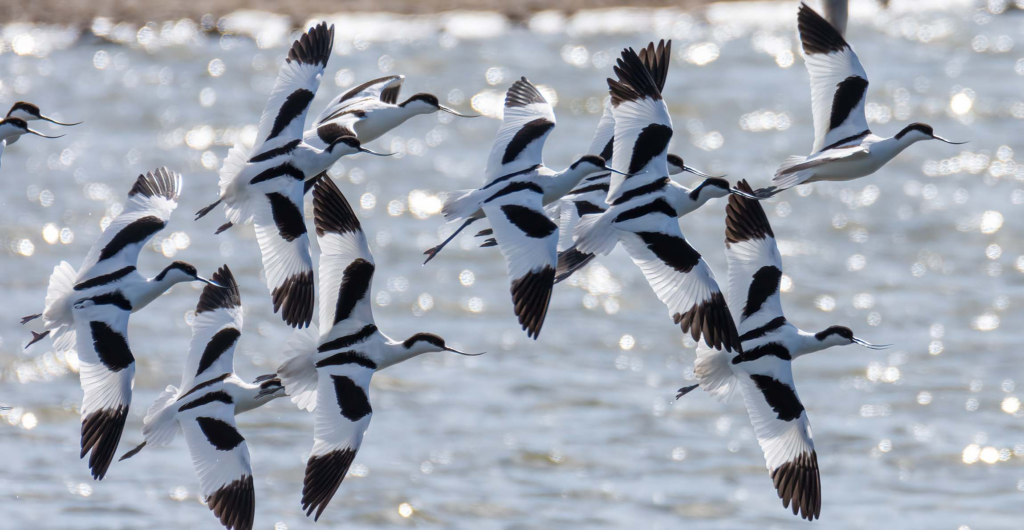
Wallasea Island birds have found a thriving haven in the innovative wetlands formed from Elizabeth line soil, significantly transforming this once barren landscape into a bustling sanctuary for wetland birds. With a remarkable 39,000 birds choosing to overwinter on this nature reserve, the site has become a testament to successful bird conservation efforts led by the RSPB. The introduction of three million tonnes of soil from London has played a crucial role in elevating the ground and creating essential habitats for these feathered visitors. Since the removal of the sea wall in 2015, water has flowed freely onto Wallasea, enriching its ecosystem and attracting diverse avian species. The Island not only serves as a refuge for birds like the avocets and knot waders but also exemplifies the potential of transforming industrial projects into flourishing natural reserves.
The avian life on Wallasea Island presents an inspiring story of how innovative environmental management practices can reinvigorate habitats. This former construction site has transformed into a lush environment for migratory birds that rely on wetlands for their survival. Utilizing soil from the Elizabeth line, the site has been revitalized, now boasting thousands of birds that thrive in this carefully crafted nature reserve. Through collaboration and foresight, the RSPB has established conditions that foster biodiversity, attracting a remarkable variety of species, including several wading birds. The story of Wallasea Island epitomizes the synergy between infrastructure development and ecological restoration, demonstrating a viable path towards enhanced biodiversity.
The Impact of Wallasea Island Birds on Biodiversity
The ecological transformation of Wallasea Island represents a significant milestone in biodiversity conservation. With the introduction of a record 39,000 birds during the winter months, this nature reserve showcases the importance of wetlands in supporting a diverse range of species. Birds such as the avocets, grey plovers, and bar-tailed godwits are now thriving in the habitats that have been meticulously created from soil excavated during the Elizabeth line project. These wetlands not only provide essential feeding and nesting grounds but also contribute to the overall ecological health of the region.
The flourishing bird population on Wallasea Island is a testament to successful conservation efforts. The Royal Society for the Protection of Birds (RSPB) has played a vital role in rehabilitating this area, demonstrating how strategic planning and collaboration with construction projects can yield environmental benefits. The removal of the sea wall in 2015 was a pivotal action that allowed the natural restoration of tidal flows, enhancing the habitat’s suitability for wetland birds and promoting increased biodiversity.
Restoration and Construction: A Collaborative Approach
The integration of construction and environmental restoration is exemplified by the innovative use of Elizabeth line soil in the creation of Wallasea Island’s wetlands. Project managers highlighted that instead of being disposed of as waste, the three million tonnes of soil were repurposed to raise the ground level, facilitating the development of vital habitats for birds. This synergy between construction and nature showcases a forward-thinking approach to infrastructure projects, proving that ecological considerations can coexist with urban development.
Milo Sumner of RSPB England noted the significance of this collaboration, emphasizing that by working alongside nature, it is possible to create environments that benefit both wildlife and communities. The Wallasea Island project not only addresses the challenges of habitat loss but also highlights the potential for recognizing environmental opportunities within large-scale construction initiatives. Such partnerships can inspire future projects, fostering a culture of conservation and sustainable development.
The Role of RSPB in Bird Conservation at Wallasea
The Royal Society for the Protection of Birds (RSPB) has been instrumental in the conservation success of Wallasea Island, transforming it from a barren landscape into a vibrant nature reserve. Their proactive measures in habitat creation and management have led to increased populations of various wetland birds that now call Wallasea home. This ongoing commitment to bird conservation reflects the RSPB’s broader mission to protect avian species and their habitats across the UK.
Through careful planning and community engagement, the RSPB not only fosters an understanding of wildlife protection but also aims to connect local populations with their natural surroundings. The thriving birdlife on Wallasea Island has become a source of pride for local residents, encouraging a deeper appreciation for the environment. By promoting awareness through educational programs and visitor experiences, the RSPB continues to advocate for the importance of wetlands in sustaining both bird populations and the health of ecosystems.
Wallasea Island’s Transformation: A Success Story
Wallasea Island’s remarkable transformation from a construction site to a thriving sanctuary for birds is nothing short of inspirational. Site manager Rachael Fancy describes the drastic shift that has taken place over the past decade, highlighting how thousands of birds have made this site their refuge. This change underscores the potential for regenerating degraded areas, reinforcing the idea that strategic intervention can yield significant ecological dividends.
The successful establishment of wetlands on Wallasea Island also serves as a compelling case study in environmental restoration. The project involved careful planning to create suitable habitats that mimic natural environments, allowing for a range of species adaptations. These efforts not only benefit the wildlife present but also create opportunities for ecotourism and environmental education, showcasing how innovative restoration initiatives hold the key to conserving our natural heritage.
The Diversity of Birds on Wallasea Island
The rich diversity of bird species that now inhabit Wallasea Island highlights the area’s ecological significance. With nearly 40,000 birds documented, including impressive numbers of waders like the knot and plover, the island provides critical foraging and nesting habitats that were previously absent. The variety of species reflects the successful restoration efforts made by the RSPB and the natural conditions created by the influx of Elizabeth line soil, which supports a complex ecosystem.
This diverse avian population draws both birdwatchers and conservation enthusiasts to Wallasea Island, enhancing its appeal as a destination while fostering a deeper appreciation for the natural world. Promoting the visibility of these species through conservation initiatives helps raise awareness about the importance of protecting wetland habitats. Such exposure can also encourage more visitors to engage in conservation, ultimately benefiting the ongoing efforts to safeguard avian populations across the region.
Wetland Birds: The Heart of Wallasea’s Ecosystem
Wetland birds are not just inhabitants of Wallasea Island; they are integral to the ecosystem’s health. These birds play crucial roles in seed dispersal and pest control, contributing to the balance of the wetland environment. As they thrive in the rich habitats supported by the innovative use of Elizabeth line soil, their presence signifies a thriving ecosystem that fosters biodiversity and resilience.
Monitoring the activities of wetland birds has become a priority for conservationists at Wallasea. By studying their behavior and population trends, researchers can gauge the effectiveness of habitat restoration efforts implemented by the RSPB. Understanding these dynamics allows for the adaptation of conservation strategies to ensure that the island remains a sanctuary for wetland birds and continues to support their ecological functions.
Community Involvement in Bird Watching and Conservation
The resurgence of bird life on Wallasea Island has spurred a greater interest in community involvement in bird watching and conservation efforts. Local residents and visitors are engaging in various initiatives aimed at protecting and preserving these vital habitats, fostering a connection with both the birds and the environment. Through events and educational programs, communities are empowered to contribute to the welfare of Wallasea’s wetland birds.
Additionally, collaborations among local schools, wildlife enthusiasts, and organizations like the RSPB have led to increased awareness of the importance of bird conservation. These grassroots movements cultivate a sense of responsibility and stewardship toward the environment. By actively participating in conservation activities, community members are not only enhancing their own experiences but are also playing a pivotal role in the long-term success of Wallasea Island as a haven for wildlife.
The Importance of Wetlands in Climate Resilience
Wetlands, such as those found on Wallasea Island, are increasingly recognized for their critical role in climate resilience. By absorbing excess water during storms and providing a buffer against flooding, these ecosystems enhance community safety and ecological diversity. The RSPB’s proactive development of the wetlands at Wallasea highlights how integrating conservation into infrastructural projects can yield significant environmental benefits, including climate adaptation.
The wetlands also serve as carbon sinks, capturing and storing carbon dioxide, which is vital in the fight against climate change. By preserving and expanding these habitats, Wallasea Island not only supports a diverse array of bird species but also contributes positively to the environment on a larger scale. As conservation efforts at Wallasea continue, they illustrate the interconnectedness of ecosystems and the necessity of safeguarding our natural resources for future generations.
Future Prospects for Wallasea Island and Its Birds
Looking toward the future, Wallasea Island holds tremendous potential for further wildlife enhancement and ecological research. Continued efforts by the RSPB and collaborative partners aim to diversify habitats even more, providing essential support for an increasing variety of wetland birds. As climate change and habitat loss persist around the globe, the steps being taken at Wallasea are a beacon of hope and a model for similar projects elsewhere.
The future success of Wallasea Island depends not only on ongoing conservation initiatives but also on sustaining community interest and involvement. Engaging the next generation of birdwatchers and conservationists will contribute to the enduring legacy of this unique environment. As more visitors come to appreciate Wallasea’s incredible bird populations and diverse habitats, there is an opportunity for fostering lifelong commitment to bird conservation and ecological stewardship.
Frequently Asked Questions
What types of wetland birds are found on Wallasea Island?
Wallasea Island is home to a diverse array of wetland birds, including notable species such as 800 avocets, over 10,000 knot waders, nearly 3,000 grey plovers, and a similar number of bar-tailed godwits. This biodiversity reflects the success of the RSPB’s efforts to create a thriving nature reserve.
How has the Elizabeth line contributed to bird conservation on Wallasea Island?
The Elizabeth line has played a vital role in bird conservation on Wallasea Island by supplying three million tonnes of soil from London tunnel excavations. This soil was instrumental in raising the ground level and creating wetlands that serve as habitats for various wetland birds.
Why is Wallasea Island important as a nature reserve for birds?
Wallasea Island is a critical nature reserve for wetland birds because it provides essential feeding, nesting, and refueling habitats. The area was transformed from a construction site into a refuge for birds, reaching a remarkable record of 39,000 overwintering birds.
What measures has the RSPB taken to improve habitats for Wallasea Island birds?
The RSPB has implemented several measures to improve habitats for birds on Wallasea Island, including the removal of the sea wall in 2015, which allowed water to flow into the area, and the construction of islands and lagoons using Elizabeth line soil to create optimal conditions for wetland birds.
How does the wetland environment at Wallasea Island impact local bird populations?
The wetland environment at Wallasea Island significantly enhances local bird populations by providing a rich habitat for feeding and nesting. The transformation of this site has attracted thousands of birds, making it an invaluable resource for bird conservation efforts.
What is the role of RSPB in the conservation of Wallasea Island birds?
The RSPB plays a crucial role in the conservation of Wallasea Island birds by managing the nature reserve, implementing habitat enhancements, and promoting biodiversity. Their efforts have turned Wallasea into a thriving sanctuary for wetland birds.
What changes occurred on Wallasea Island to support bird populations after the construction of the Elizabeth line?
Following the construction of the Elizabeth line, significant changes occurred on Wallasea Island, including the infusion of soil that facilitated the creation of wetlands, lagoons, and salt marshes. These developments have been instrumental in supporting diverse bird populations.
Can I visit Wallasea Island to observe wetland birds?
Yes, visitors can explore Wallasea Island to observe its diverse wetland birds. The nature reserve offers opportunities for birdwatching and experiencing the transformation into a vibrant habitat for various bird species.
| Key Point | Details |
|---|---|
| Overwintering Birds | 39,000 birds, including 800 avocets and over 10,000 knot waders, have made Wallasea Island their home. |
| Soil Transportation | 3 million tonnes of soil from the Elizabeth line construction were used to create wetlands. |
| Wetland Creation | Wetlands were created to provide ideal conditions for feeding, nesting, and shelter for birds. |
| Flood Protection | The wetlands help protect local residents by absorbing storm water and preventing flooding. |
| Ecosystem Transformation | Formerly a construction site, Wallasea Island is now a thriving habitat for numerous bird species. |
| Collaboration For Nature | The partnership between RSPB and Transport for London is a model of how construction can benefit nature. |
Summary
Wallasea Island birds have transformed the area into a vibrant ecosystem with a record 39,000 birds overwintering thanks to innovative use of soil from the Elizabeth line. This remarkable transformation from a barren construction site to a flourishing wetland habitat exemplifies the successful partnership between nature restoration and urban development. By creating ideal conditions for various bird species, Wallasea Island has not only become a refuge for wildlife but also plays a crucial role in local flood protection, showcasing the potential of collaborative efforts in environmental conservation.