
Listen to this article
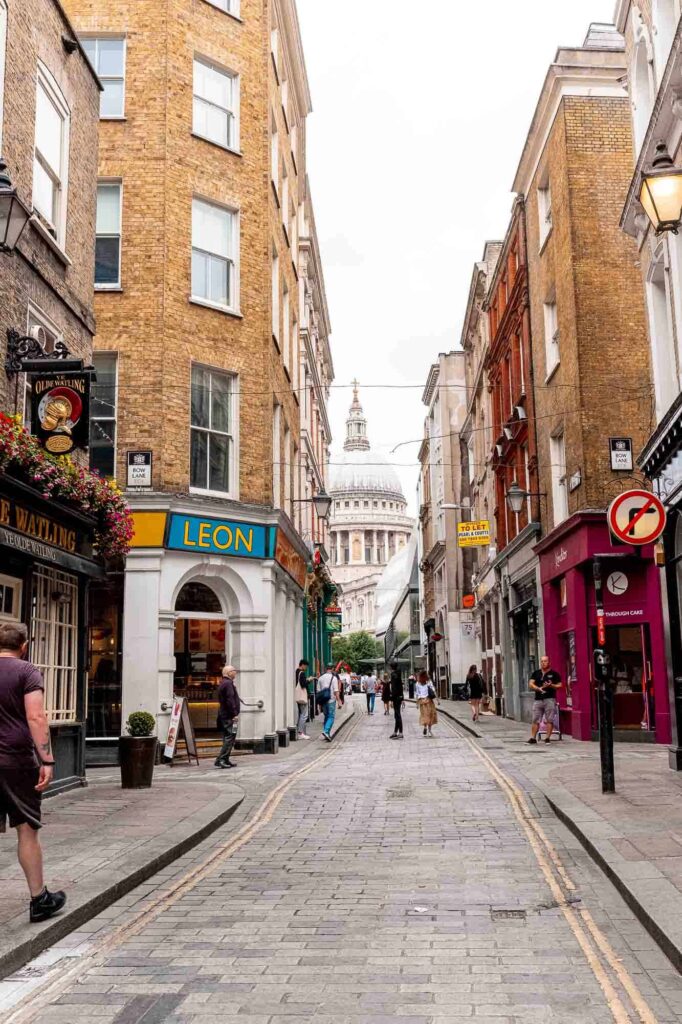
The historic streets of London are a treasure trove of tales waiting to be discovered, each corner rich with stories that echo the capital’s vibrant past. From the bustling cobbled pathways of Covent Garden to the storied thoroughfare of Fleet Street, London history walks reveal the city’s secrets and highlight its famed streets. Each street is interwoven with the presence of historical landmarks London has nurtured over centuries, making them perfect for a stroll through time. In exploring these famous streets London, one can truly appreciate the depth of the city’s heritage and the array of characters who have walked here before us. Whether you’re a seasoned local or a curious traveler, these streets invite you to dive into the enchanting legacy of London street heritage.
Wandering through the ancient roads of London offers a unique perspective on the city’s evolution. These legendary avenues, which have witnessed the ebb and flow of time, brim with significance and cultural narratives. As you traverse these illustrious pathways, think of them as open-air museums, showcasing the architectural splendor and historical events that have shaped English society. From the dramatic political history embodied by Whitehall to the artistic pulse of Brick Lane, these renowned streets serve not just as transit routes but as portals to the past, each step steeped in the essence of London’s storied development. Join me on this exploration of London’s remarkable urban tapestry, as we uncover the rich narratives spun throughout its historic thoroughfares.
Exploring Fleet Street’s Literary Heritage
Fleet Street stands out not only for its historical significance in journalism but also as a literary landmark. The famous street has witnessed countless stories, ranging from the days of Samuel Johnson to the works of Charles Dickens. In its prime, Fleet Street was home to most major publishing houses in England, making it synonymous with the print media. Walking along this street, you can almost hear the whispers of history echoing from the buildings that once housed writers’ dreams and the bustling energy of newsprint flying off the presses.
Visiting Fleet Street today allows one to appreciate this rich tapestry of literature and media. The historic pubs, such as Ye Olde Cheshire Cheese, reflect the ambience filled with creativity and inspiration. Patrons today can sip a pint in the same spot where literary giants once convened, engaging in heated debates and sharing innovative ideas. This melding of past and present makes Fleet Street a fascinating stop for anyone partaking in a historic walking tour of London.
Whitehall: The Heart of British Politics
Whitehall is not just a street; it embodies the political essence of Britain. Lined with the country’s most important institutions and monuments, this thoroughfare has been the backdrop for many pivotal moments in British history. From the exquisite Horse Guards to the residency of the Prime Minister at 10 Downing Street, walking through Whitehall is like journeying through the annals of history. Each building and statue tells a story, be it of governance, sacrifice, or celebration.
As you amble down Whitehall, monument after monument reflects the long-standing traditions of British governance. The Cenotaph stands solemnly, honoring the sacrifices made during the World Wars, while just a few steps away, one can marvel at the grand architecture of the Houses of Parliament. Thus, discovering Whitehall is not merely a stroll; it is a deep dive into the heart of the United Kingdom’s political life, making it a must-see during any historical exploration of London.
The Cultural Significance of The Strand
The Strand is one of London’s most vibrant thoroughfares, distinguished not only for its rich history but also its cultural significance. Once a royal road for monarchs, it connects the ancient City of London to the prestigious West End. This street has been home to numerous theatres, hotels, and cultural institutions that define London’s artistic heritage. As you walk along The Strand, you encounter sites such as the Old Vic Theatre and Somerset House, both cultural beacons that draw visitors from all over the world.
Moreover, The Strand is an ideal location for exploring London’s bustling street life. With its myriad of cafes and shops, it presents a perfect opportunity to take a break and enjoy local cuisines or indulge in a shopping spree. Each side street whispers stories waiting to be unearthed, making The Strand a dynamic mixture of historical charm and contemporary life, perfect for those passionate about exploring the rich cultural tapestry of London.
Uncovering the History of Covent Garden
Covent Garden is renowned for its vibrant atmosphere and lively ambiance, but it’s also a testament to London’s transformation over centuries. Originally a convent garden in the 12th century, it has evolved into a bustling marketplace and cultural hub. Today, visitors can explore the renowned Royal Opera House, which stands as a symbol of London’s rich artistic legacy. Covent Garden’s cobbled streets are lined with shops and eateries that reflect the area’s history while catering to modern tastes.
Walking through Covent Garden, it’s impossible to overlook the unique character that has developed over the years. The Apple Market offers artisanal crafts, and the street performers provide a sense of community that invites visitors to stop and engage. Each corner of Covent Garden reveals stories from its storied past, intertwining the historical legacy with contemporary life, making it an exhilarating stop on any historic walk through London.
Brick Lane: A Tapestry of Cultures
Brick Lane is a microcosm of London’s diverse cultural landscape. Once the heart of the textile industry, this vibrant street has transformed into a celebrated culinary and artistic enclave, especially known for its rich Bangladeshi heritage. Walking down Brick Lane, you can indulge in some of the most authentic curry houses in the city, showcasing the area’s multicultural influences. The street art that adorns the walls not only enhances the aesthetic appeal but also reflects the narratives of the communities that have called Brick Lane home.
The bustling atmosphere on Sundays, with the famous Brick Lane market, brings together locals and visitors eager to experience its lively charm. Here, artisans and vendors showcase their crafts and foods, encapsulating the spirit of community that thrives in this area. Brick Lane is an essential part of London’s historical narrative, showcasing the evolution of the city through the vibrancy of its current social fabric.
The Financial Heritage of Lombard Street
Lombard Street, situated in the City of London, is often referred to as the birthplace of finance in England. The historical significance of this street is profound, as it served as the site for banking activities dating back to the 16th century. With its picturesque bends and historic architecture, it is not only a unique thoroughfare but also a living museum showcasing the evolution of the financial sector in London. The very name ‘Lombard’ is derived from the Lombards, the Italian merchants who established banking in medieval England.
As you navigate Lombard Street, the air is thick with the weight of history. Major financial institutions still occupy buildings along this street, echoing the legacy of commerce and trade that has been prominent in London for centuries. It offers a rare glimpse into the intersection of historical and modern business practices, making it an enriching experience for anyone interested in the economic history of London.
Dover Street: Elegance and History Converge
Dover Street, located in the affluent Mayfair area, is a street that exemplifies elegance and historic charm. Originally a residential area for the upper class, its architecture offers a glimpse into the grandeur of 19th-century London. Today, Dover Street is home to high-end boutiques, art galleries, and fine dining establishments, maintaining its status as a fashionable thoroughfare while retaining its historical essence. Visitors can explore these venues, uncovering the stories behind each establishment that contribute to London’s luxury scene.
Walking down Dover Street allows travelers to connect with London’s fashion and artistic heritage. Many galleries display contemporary art from both emerging and established artists, encouraging the fusion of past and present creativity. Furthermore, the street’s rich history adds an extra layer of allure, as it was once frequented by notable figures in politics and culture. This delicate balance of history and modernity makes Dover Street a captivating experience in a historical walking tour.
Kensington Church Street: A Stroll Through Time
Kensington Church Street is a historic street that perfectly encapsulates the charm of London’s past. Nestled between the landmarks of Hyde Park and Kensington Palace, this thoroughfare has been a rendezvous point for artists and dignitaries over the centuries. Known for its antique shops and art galleries, a stroll down Kensington Church Street offers a rich tapestry of history woven into the modern day. The presence of the impressive Church of St. Mary Abbots further enriches the street’s cultural landscape and historical significance.
A unique aspect of Kensington Church Street is its marriage of historical and contemporary London, making it an ideal place for both residents and tourists to explore. The charming architecture, quite distinct from the surrounding area, invites visitors to linger longer, absorbing the beauty of Victorian-era designs. In walking down this street, one can truly appreciate the artistic legacy and community spirit that continue to define this historic part of London.
Conclusion: Embracing London’s Rich Tapestry of Streets
Exploring the historic streets of London is more than just a physical journey; it is a dive into the Layers of history that have shaped this vibrant metropolis. Each street tells its own tale and showcases the contributions of diverse cultures, significant events, and progressive movements that have occurred throughout the city’s past. By walking through these streets, visitors can engage with a living narrative that continues to evolve to this day.
As you lace up your walking shoes and embark on your journey through the historic streets of London, remember to take a moment to appreciate the stories behind the architecture, the markets, and the individuals who have left their mark. Every street is a testament to the city’s resilience and diversity, offering a fulfilling exploration of history and culture. So whether you are intrigued by the political corridors of Whitehall or the artistic vibe of Brick Lane, your journey through London’s streets will undoubtedly leave an indelible impression.
Frequently Asked Questions
What are some of the most historic streets of London?
Some of the most historic streets of London include Fleet Street, Whitehall, The Strand, Covent Garden, Brick Lane, Lombard Street, Dover Street, and Kensington Church Street. Each of these streets showcases unique aspects of London’s rich heritage and is filled with stories waiting to be explored.
How can I explore London history walks through its historic streets?
You can explore London history walks by following guided tours or creating your own self-guided routes. Many historic streets of London, like Fleet Street and Whitehall, are easily walkable, allowing you to immerse yourself in the heritage, view notable landmarks, and learn about historical events.
What landmarks can be found along London’s famous streets?
Historic streets of London are home to many significant landmarks. For example, Fleet Street features St. Paul’s Cathedral, Whitehall includes the Cenotaph and 10 Downing Street, and The Strand is home to Somerset House and the Old Vic Theatre.
Is Brick Lane a significant part of London’s street heritage?
Yes, Brick Lane is a vital part of London’s street heritage, known for its vibrant multicultural atmosphere and historical significance in the textile industry. The street today reflects a blend of cultures, particularly the Bangladeshi community, and is famous for its curry houses and street art.
What historical events are associated with Whitehall in London?
Whitehall has been the center of British political life for centuries. Historic events include key decisions made by the government, ceremonial events at Horse Guards, and the site of significant memorials, such as the Cenotaph, which commemorates fallen soldiers.
How has Covent Garden transformed from its historical roots?
Covent Garden was originally a convent garden in the 12th century and has since evolved into a vibrant hub of shops, restaurants, and performances. Its historic significance remains visible through its architecture, notably the Royal Opera House and the charming cobbled streets.
What makes Fleet Street historically significant in London?
Fleet Street is historically significant as it was the center of London’s journalism for centuries, housing major newspaper offices. It’s also linked with famous writers, and its pubs, like Ye Olde Cheshire Cheese, are renowned for literary history.
Can you recommend a walking tour that includes historical landmarks in London?
A great walking tour to explore historical landmarks is the ‘Walk Through London’ route, which can include stops at Fleet Street, Whitehall, and The Strand, allowing visitors to experience the rich history, architecture, and culture of these iconic streets.
What is the significance of Lombard Street in the City of London?
Lombard Street is significant as the birthplace of London’s financial sector, known for its historical banking activities. Today, it features stunning architecture and is often regarded as one of the steepest streets in London, illustrating the city’s unique urban landscape.
Why should visitors explore Kensington Church Street when touring historic streets of London?
Visitors should explore Kensington Church Street for its rich history, charming antique shops, art galleries, and proximity to Hyde Park and Kensington Palace. The street is a perfect blend of culture, history, and picturesque architecture, making it a must-see on any tour of London.
| Historic Street | Key Features | Historical Significance |
|---|---|---|
| Fleet Street | Once the heart of British journalism, running from Temple Bar to the Thames. Features St. Paul’s Cathedral and the pub frequented by Dickens. | Associated with significant writers and the evolution of the press in Britain. |
| Whitehall | The political hub of London, contains key buildings like 10 Downing Street and the Cenotaph. | Pulled narratives of Britain’s government and political history. |
| The Strand | A major thoroughfare linking the City of London to Westminster, features the Old Vic Theatre and Somerset House. | Historically used by royalty; it’s a vibrant mix of culture and heritage. |
| Covent Garden | A lively area with shops, restaurants, and street performances, formerly a market. | Originated as a convent garden in the 12th century, now a cultural hotspot. |
| Brick Lane | Rich in street art and diverse culture, famous for its Bangladeshi community. | Once a center for textiles; now a vibrant multicultural hub with a rich history. |
| Lombard Street | Known for its winding nature, it’s the heart of London’s financial district. | Rooted in Roman history; represents evolutionary urban planning. |
| Dover Street | Home to luxury shops and art galleries in Mayfair. | Holds an elegant fashion history, showcasing traditional architecture. |
| Kensington Church Street | Filled with antique shops and galleries, near Hyde Park and Kensington Palace. | Rich history dating back to the 13th century; important for artists. |
Summary
The historic streets of London offer a captivating journey through time, revealing the rich tapestry of the city’s history. Each street, from Fleet Street to Kensington Church Street, serves as a testament to the events and figures that have shaped London into the vibrant metropolis it is today. As you wander down these iconic avenues, you are not just walking on pavement; you are traversing a narrative woven through centuries of culture, politics, and community. These streets invite exploration and discovery, drawing in locals and tourists alike to share in the stories that echo through the ages.