Listen to this article
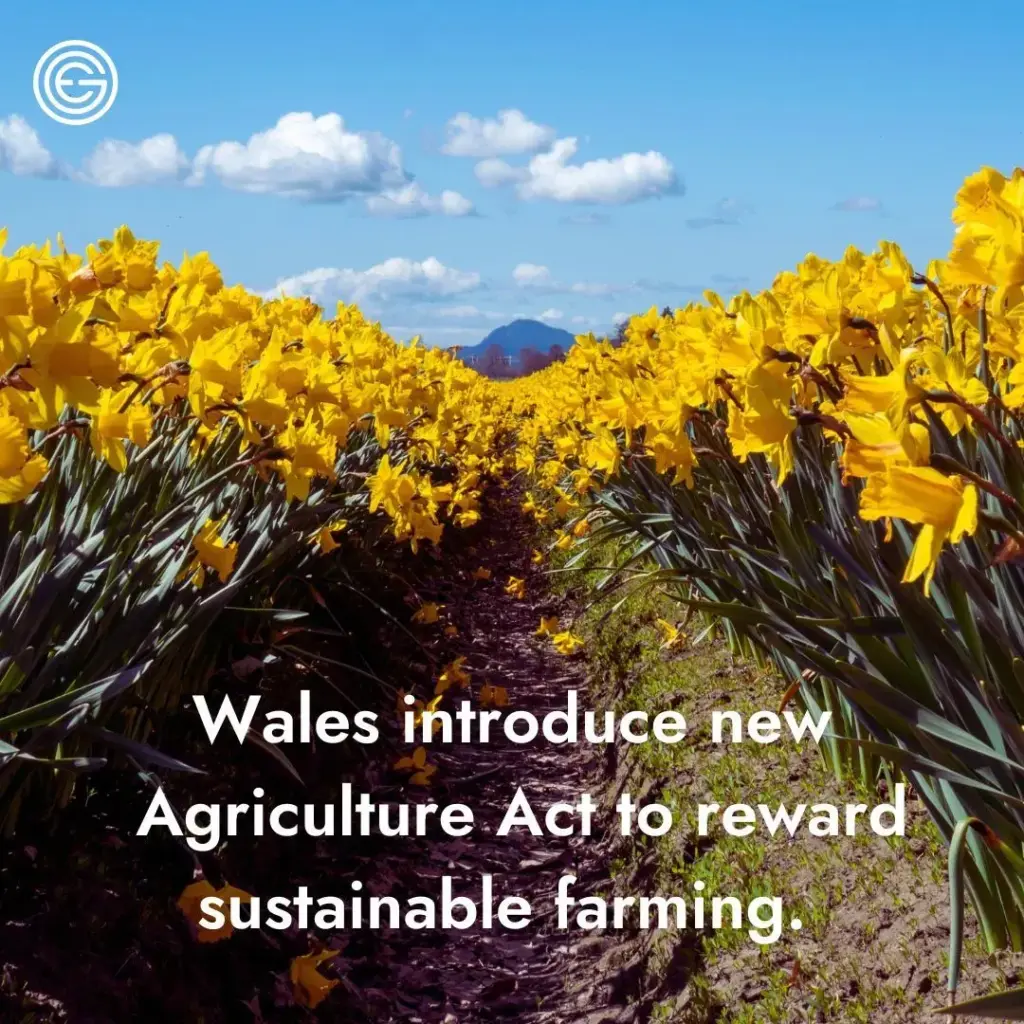
The Wales Sustainable Farming Scheme (SFS) marks a pivotal transition in post-Brexit farming, as it redefines how farmers in Wales will receive subsidies. This innovative program emphasizes sustainability and environmental stewardship, fostering an agricultural system that not only supports farm viability but also prioritizes ecological health. To participate in this scheme, farmers must meet specific eligibility requirements, including the management of at least 10% of their land as wildlife habitat. As the agricultural landscape evolves, discussions around Wales farming subsidies continue, with organizations like NFU Cymru advocating for improvements and adjustments based on farmer feedback. The aim is to create a framework that truly benefits both the farming community and the environment, heralding a new era of agriculture in Wales.
The SFS is part of a transformative approach to agricultural support in Wales, which has evolved significantly since the departure from the EU. This program aims to encourage responsible farming practices, emphasizing ecological balance and biodiversity, elements that are crucial for environmental farming in Wales. Those interested in this initiative will need to navigate through various SFS eligibility requirements to ensure they align with the scheme’s goals. Additionally, the discussion surrounding farming subsidies in Wales is intensifying, especially as stakeholders evaluate the implications for food production and rural economies. As farmers prepare to adapt to these new regulations, the ultimate success of the SFS will depend on its ability to meet the needs of both agriculture and environmental conservation.
Understanding the Wales Sustainable Farming Scheme
The Wales Sustainable Farming Scheme (SFS) represents a critical shift in the way farming payments are structured post-Brexit. It prioritizes sustainable agricultural practices and biodiversity conservation as essential factors for receiving financial support. Farmers are required to actively manage at least 10% of their land to promote wildlife habitats, a move that reflects a growing recognition of the role agriculture plays in environmental stewardship. This initiative marks a departure from the previous EU subsidy system, which primarily focused on land area without stringent sustainability requirements.
As farmers navigate the eligibility criteria set out by the SFS, many are faced with the challenge of adapting their land-use practices to comply. This scheme’s universal actions encourage practices such as maintaining hedgerows, participating in farming education, and reducing chemical pesticide use. While the government views these changes as essential to creating a more resilient farming sector, the complexities involved present potential barriers to entry for many in the agricultural community, especially dairy farmers who may not have qualifying habitat land.
Frequently Asked Questions
What is the Wales Sustainable Farming Scheme (SFS) and its goal for post-Brexit farming?
The Wales Sustainable Farming Scheme (SFS) is a subsidy initiative aimed at promoting sustainable farming practices in a post-Brexit context. It seeks to replace the EU’s subsidy system by providing payments to farmers who adhere to environmental standards, enhancing the sustainability of agriculture. The scheme requires farms to manage at least 10% of their land as wildlife habitat, thereby encouraging biodiversity and environmental stewardship.
Who is eligible to participate in the Wales Sustainable Farming Scheme?
To be eligible for the Wales Sustainable Farming Scheme (SFS), farms must actively manage at least 10% of their land as wildlife habitat and commit to 12 universal actions, including maintaining hedgerows and reducing pesticide use. Participation in online courses on sustainable farming techniques is also encouraged. However, some farmers, particularly in the dairy sector, may find it challenging to meet the habitat requirements.
How does the Wales Sustainable Farming Scheme provide financial support to farmers?
The Wales Sustainable Farming Scheme (SFS) offers entry-level payments to farmers who fulfill the scheme’s requirements focused on sustainability. Additional funding is available for farmers who engage in more ambitious environmental initiatives and collaborative farming projects. This financial support is intended to help farmers transition from traditional farming methods to more sustainable practices, particularly after losing EU subsidies.
What are some criticisms surrounding the Wales Sustainable Farming Scheme?
Critics of the Wales Sustainable Farming Scheme (SFS) argue that it may not prioritize food production and food security adequately. Concerns have been raised about potential job losses, reduced livestock numbers, and declining farm incomes as a result of the new scheme’s requirements. Additionally, some farmers feel that the scheme still requires improvements to better meet their needs, particularly regarding eligibility conditions and the environmental focus.
What has NFU Cymru said about the Wales Sustainable Farming Scheme?
NFU Cymru has been vocal about the Wales Sustainable Farming Scheme (SFS), expressing mixed feelings. While they acknowledge improvements and deem the updated scheme more acceptable, they emphasize that ongoing adjustments are necessary. The union has also pointed out that many farmers, particularly in dairy, still struggle with meeting specific eligibility requirements, which could lead to additional challenges in the sector.
When do farmers need to apply for the Wales Sustainable Farming Scheme?
Farmers must prepare to apply for the Wales Sustainable Farming Scheme (SFS) by May 15. This new scheme provides an alternative to existing subsidies, which will gradually be phased out and face substantial cuts. The success of the SFS will largely depend on the number of farmers who choose to enroll in the program.
What are the universal actions that farms must commit to under the SFS?
Under the Wales Sustainable Farming Scheme (SFS), farms must commit to 12 universal actions to receive their initial payment. These actions include maintaining hedgerows, reducing pesticide usage, and participating in sustainability training. These efforts aim to create a more environmentally resilient farming community while also providing financial support to farmers transitioning to sustainable practices.
How does the Wales Sustainable Farming Scheme impact biodiversity?
The Wales Sustainable Farming Scheme (SFS) directly aims to enhance biodiversity by requiring farms to manage at least 10% of their land as wildlife habitat. This initiative encourages farmers to adopt practices that promote diverse ecosystems, which can help mitigate the effects of climate change and improve farm resilience. Environmentalists argue that the scheme’s success will depend on its ability to provide sufficient support for these ambitious biodiversity goals.
What challenges do dairy farmers face in joining the Wales Sustainable Farming Scheme?
Dairy farmers face specific challenges in joining the Wales Sustainable Farming Scheme (SFS) due to the requirement that they manage at least 10% of their land as wildlife habitat. Many dairy farms may not have qualifying habitat land, which complicates their ability to participate in the scheme. This has raised concerns among farmers about potential reductions in herd sizes and financial viability.
What role does the Welsh Government play in the Wales Sustainable Farming Scheme?
The Welsh Government plays a critical role in shaping and implementing the Wales Sustainable Farming Scheme (SFS). Following protests and consultations with farmers and environmentalists, the government has worked to develop a more acceptable framework for the scheme that promotes environmental sustainability while aiming to support farmers’ livelihoods. Huw Irranca-Davies, the Rural Affairs Secretary, has referred to the SFS as a significant achievement for Wales.
| Key Point | Details |
|---|---|
| Sustainable Farming Scheme (SFS) Launch | Launched post-Brexit to replace EU subsidies focusing on sustainability. |
| Requirements for Farms | Farms must manage at least 10% of land as wildlife habitat to qualify. |
| Financial Support | SFS offers entry-level payments for sustainable practices; additional funding for ambitious initiatives. |
| Industry Reactions | Mixed responses: While some praise improvements, dissent remains over the scheme’s limitations and readiness. |
| Future Expectations | Success will depend on farmer participation and ability to adapt to changes. |
| Political Criticism | Opposition parties express concerns over job losses and food security priorities. |
Summary
The Wales Sustainable Farming Scheme marks a significant shift in agricultural policy following Brexit, aiming to support sustainable practices among farmers. By introducing a set of requirements, such as managing land for wildlife, the scheme is intended to promote environmental stewardship while offering financial support to farmers. However, it faces scrutiny from industry stakeholders and political critics alike, reflecting a broader concern over its implementation and the potential impact on food security and rural economies. As Wales transitions into this new framework, the success of the Wales Sustainable Farming Scheme will be measured by engagement from farmers and the effectiveness of its provisions.