
Listen to this article
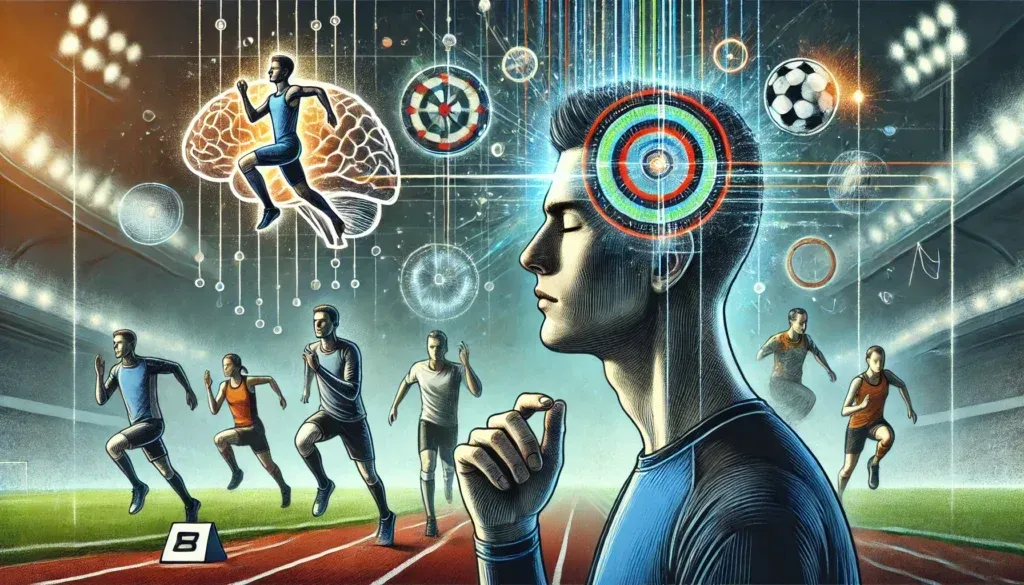
Visualization techniques in sports performance are increasingly recognized as powerful tools that can greatly enhance an athlete’s mental game. As the importance of mental imagery gains traction, athletes are discovering how these techniques can improve their focus, build confidence, and overcome performance anxiety. By incorporating visualization into their training regimens, athletes are not only mentally rehearsing their skills but also achieving their competitive goals with greater ease. This approach aligns closely with sports psychology principles, emphasizing the mental aspect of training that complements physical exertion. In this article, we delve deeper into how these visualization techniques can transform an athlete’s performance and everyday training experience.
When we explore the realm of athletic mental training, it becomes evident that employing mental imagery strategies plays a significant role in achieving peak performance. These tactics, often rooted in sports psychology, serve as crucial methodologies for enhancing athlete focus, managing stress, and setting clear competitive goals. Techniques such as envisioning success or rehearsing specific skills can lead to improved motor coordination and increased self-efficacy. It’s evident that mastering the mental aspects of sport can be just as vital as physical conditioning. The nuanced interplay between mental preparation and actual execution is a fascinating topic that warrants exploration.
Understanding the Role of Mental Imagery in Sports Psychology
Mental imagery, often referred to as visualization or mental rehearsal, is a significant psychological technique employed by athletes in various sports. It involves the cognitive process of creating an internal simulation of physical movements and achieving desired outcomes, which not only enhances physical execution but also plays a crucial role in strengthening mental resilience. At its core, mental imagery aligns with key principles of sports psychology, which emphasizes the mind’s influence on athletic performance. By engaging in visualization, athletes can effectively increase their self-awareness and better understand their mental states before and during competition.
Furthermore, mental imagery is particularly beneficial for athletes aiming to refine specific skills prior to competition. This technique allows them to rehearse and perfect their performances, enabling a deep-seated familiarity with actions and scenarios they anticipate facing during their actual events. As athletes visualize their performances with vivid clarity, they can cultivate a stronger mental focus and improve their historical relationship with their practices, helping them to stride confidently into high-pressure situations.
The Connection Between Visualization and Improved Athlete Focus
Visualization techniques contribute significantly to improving athlete focus, a trait that is essential for high performance in sports. Concentration, or the ability to maintain attention on relevant stimuli while ignoring distractions, is a skill that can be honed through regular visualization practice. By routinely picturing themselves executing their skills flawlessly in mental simulations, athletes train their minds to remain engaged and attentive, even in competitive environments fraught with potential distractions.
Additionally, visualization fosters a sense of control over one’s performance. Athletes can mentally step through their routines, visualizing everything from warm-ups to the final moments of a competition. This preparation diminishes the likelihood of distraction by ensuring athletes are well-acquainted with their process. Enhanced focus through visualization not only leads to better execution of skills but also aids athletes in maintaining calmness under pressure, which is vital during competitions.
How Visualization Techniques Help in Overcoming Performance Anxiety
Performance anxiety is a common hurdle that many athletes face before competitions, often leading to hesitation or subpar performances. Visualization techniques serve as a potent remedy for this issue by allowing athletes to mentally rehearse their performances and visualize favorable outcomes. By regularly practicing visualization, athletes can create a mental buffer against anxiety, cultivating an inner sense of confidence and ease as they prepare for competition.
Moreover, by engaging in this mental rehearsal, athletes can confront adversity within their imaginations. Visualizing both successful and challenging scenarios enables athletes to rehearse their responses to unexpected situations. Thus, when faced with pressure during a competition, they are already trained in how to react, which diminishes anxiety and boosts resilience. Ultimately, visualization empowers athletes to transform anxiety into confidence, fostering a more positive pre-competition mindset.
Incorporating Visualization in Daily Training Regimens
To maximize the benefits of visualization techniques, athletes should seamlessly integrate them into their daily training routines. Setting aside time specifically for visualization allows athletes to engage deeply with their mental preparation. This can be as straightforward as dedicating five to ten minutes before physical training sessions to envision performing skills flawlessly or achieving routine goals.
Incorporating visualization doesn’t have to be a lengthy process; it can be as simple as visualizing key aspects of their performance while stretching or cooling down. This consistent practice reinforces the neural pathways associated with their skills and enhances overall performance consistency. The more frequently athletes visualize, the more deeply entrenched these mental scripts become, ultimately leading to improved execution during actual competitions.
Enhanced Goals Setting with Visualization Techniques
Goal setting in sports is a critical component of an athlete’s training strategy, and visualization techniques can significantly enhance this process. By vividly picturing their long-term aspirations and breaking them down into smaller, achievable steps, athletes can maintain clarity and motivation throughout their training journey. Visualization not only helps athletes set goals but also reinforces their commitment to achieving them.
Additionally, by visualizing the process of reaching each milestone—whether that’s mastering a new technique or achieving a personal record—athletes can experience a psychological boost. This mental rehearsal allows athletes to mentally walk through the stages of their progression, creating a roadmap to success that they can follow. As a result, athletes become better equipped to monitor their progress and make necessary adjustments to their training plans.
Understanding the Neural Mechanisms Behind Visualization
The science behind visualization techniques elucidates how mental imagery affects our brains and performance. Neuroscientific research reveals that visualizing actions activates the same neuronal pathways in the brain as the physical performance of those actions. This brain engagement primes athletes for improved execution, resulting in heightened efficiency and confidence during actual competition.
Understanding these neural mechanisms offers insights into how mental imagery can be leveraged to enhance various facets of athletic performance, from technical skills to strategic positioning. Athletes can benefit from this understanding by adopting more tailored visualization practices based on their unique sports and individual psychological profiles. Recognizing this scientific foundation elevates the importance of mental training complementary to physical workouts.
The Power of Positive Affirmations with Visualization
Using positive affirmations alongside visualization techniques can significantly enhance athletes’ mental training experiences. As athletes visualize their desired outcomes, integrating affirmations serves to amplify their self-belief. Consistently reciting encouraging phrases reinforces the idea that success is attainable, fostering a positive inner dialogue that can translate into heightened performance.
The synergy between visualization and positive affirmations creates an empowering mental environment. This combination serves to mitigate self-doubt and insecurities, allowing athletes to enter competitions with more robust self-assurance. By regularly practicing this dual method, athletes strengthen their mental fortitude, making them more resilient against competitive pressures.
Real-Life Examples of Elite Athletes Who Visualization
Numerous elite athletes underscore the effectiveness of visualization in enhancing sports performance. Olympians and world champions such as Michael Phelps, Serena Williams, and Kobe Bryant have articulated how mental imagery plays an integral role in their training regimens. For instance, Michael Phelps utilized visualization techniques to mentally rehearse his races, enabling him to envision every detail, from the starting block to the finish.
These athletic icons demonstrate that the mental game is as crucial as physical skill, proving that successful outcomes often stem from a well-rounded approach to training that includes mental preparation. By incorporating visualization into their routines, these athletes have not only embraced excellence but have also inspired the next generation of athletes to leverage the power of the mind.
Common Pitfalls in Visualization Practices
Despite the many benefits of visualization, athletes often fall into common pitfalls that can hinder their effectiveness. One major mistake is inconsistency; sporadic practice of visualization techniques may not provide the desired impact on performance. To reap the benefits of mental rehearsal, athletes must integrate consistent visualization exercises into their training regimen.
Another common error is neglecting the physical aspects of training. Athletes may become overly reliant on visualization without committing adequate time to actual practice. This can lead to a false sense of readiness, which, when faced with the realities of competition, might result in underperformance. Therefore, a balanced approach combining physical practice and mental visualization is essential for optimal athletic performance.
Frequently Asked Questions
What are visualization techniques in sports performance?
Visualization techniques in sports performance refer to mental imagery strategies that athletes use to enhance their skills and performance by mentally rehearsing successful outcomes, enhancing focus, and alleviating performance anxiety.
How does mental imagery improve athlete performance?
Mental imagery improves athlete performance by activating brain pathways similar to actual physical practice, helping athletes prepare for competition, boost self-confidence, and refine their motor skills through mental rehearsal.
Can visualization techniques help with performance anxiety?
Yes, visualization techniques are effective in overcoming performance anxiety by allowing athletes to mentally prepare for competitions, visualize success, and create strategies for managing stress during high-pressure situations.
What role does sports psychology play in athlete mental training?
Sports psychology plays a crucial role in athlete mental training by integrating visualization techniques, goal setting, and mental imagery to enhance performance, improve focus, and build resilience against competition-related stress.
How can athletes improve their focus using visualization techniques?
Athletes can improve their focus using visualization techniques by regularly practicing mental imagery, envisioning their actions vividly, and eliminating distractions, leading to heightened concentration during actual performances.
Is goal setting in sports connected to visualization techniques?
Yes, goal setting in sports is closely connected to visualization techniques, as athletes use mental imagery to visualize both long-term and short-term goals, which helps maintain direction and motivation in their training.
What are some common mistakes in using visualization techniques for sports performance?
Common mistakes include inconsistency in practice, neglecting physical training, and focusing on negative imagery rather than positive outcomes, which can hinder the effectiveness of visualization techniques.
How often should athletes practice visualization techniques?
Athletes should practice visualization techniques daily, spending about 5-10 minutes engaging in mental imagery to reinforce their skills, improve confidence, and prepare for competitions.
What senses should be engaged during visualization for sports performance?
During visualization for sports performance, athletes should engage all their senses—sight, sound, touch, and even emotions—to create a vivid and immersive mental representation of their performance.
Can visualization techniques enhance motor skills in athletes?
Yes, visualization techniques can enhance motor skills in athletes by reinforcing muscle memory and enabling them to mentally rehearse skills, which translates to better physical execution during competition.
| Key Points | Details |
|---|---|
| Understanding Visualization | A mental exercise involving imagining oneself performing successfully in sports. |
| The Science Behind Visualization | Engages neural pathways in the brain, simulating physical practice and enhancing confidence. |
| Benefits of Visualization in Sports Performance | 1. Enhanced Focus 2. Increased Confidence 3. Reduced Anxiety and Stress 4. Improved Motor Skills 5. Goal Setting |
| How to Incorporate Visualization Techniques | 1. Create a Quiet Space 2. Relax Your Body and Mind 3. Use All Your Senses 4. Visualize Frequently 5. Positive Affirmations 6. Visualize Adverse Situations |
| Common Mistakes to Avoid | 1. Inconsistency 2. Neglecting Physical Training 3. Negative Imagery |
| Real-Life Applications of Visualization | Elite athletes like Michael Phelps and Serena Williams advocate for visualization in their training. |
Summary
Visualization techniques for sports performance are powerful mental tools that can significantly enhance an athlete’s abilities. By incorporating effective visualization strategies into their training, athletes can achieve heightened focus, increased self-confidence, reduced anxiety, improved motor skills, and clearer goal-setting. The success stories of elite athletes such as Michael Phelps showcase the effectiveness of these techniques. Therefore, embracing visualization as a crucial part of your training regimen can lead not only to improved sports performance but also to the overall mental preparedness needed to excel in competitive environments.

