Listen to this article
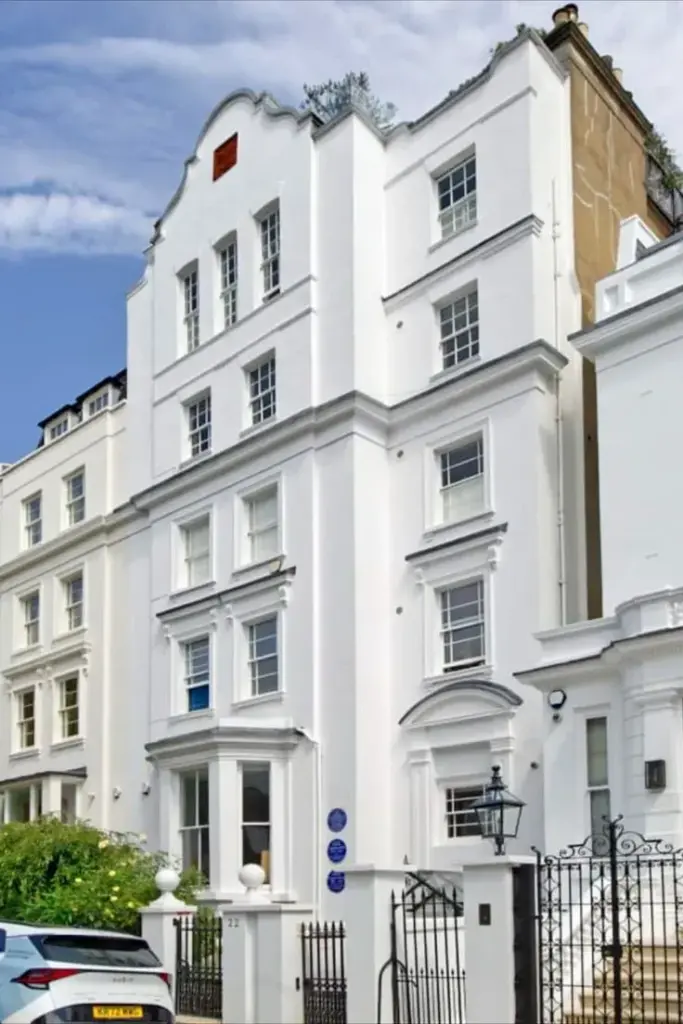
The recent approval of the Virginia Woolf apartments project in St Ives has sparked significant controversy, as this development threatens to obscure the breathtaking views that inspired the renowned writer. Located directly in front of Talland House, Woolf’s cherished childhood holiday home, the new block will feature 12 apartments, towering five stories high. This decision by Cornwall Council has drawn criticism from local authors and residents alike, who lament the loss of the stunning vista towards Godrevy lighthouse that Woolf captured in her acclaimed novel “To the Lighthouse.” Such a fill-in development illustrates the ongoing tensions between heritage conservation and modern housing needs, prompting a Woolfian response that resonates with admirers of her literary legacy worldwide. As the Talland House development progresses, many are left to wonder how this alteration will impact the cultural landscape of the area which Woolf once adored and immortalized.
The recent developments concerning the apartments near Virginia Woolf’s former vacation residence have ignited passionate discussions among literary enthusiasts and local communities alike. This project, which involves the construction of a towering five-story structure known for obstructing the scenic view of Godrevy lighthouse, raises important questions about the intersection of historical significance and contemporary urban planning. As stakeholders navigate the concerns surrounding the alterations to the iconic Talland House, the implications for the local aesthetic and cultural memory are becoming increasingly pronounced. Many proponents of preserving Woolf’s heritage express a deep concern over how these changes may dilute the profound inspiration derived from her works. With ongoing plans from Cornwall Council, the debate continues to unfold, reflecting a broader discourse about safeguarding literary landmarks in an ever-evolving landscape.
Impact of Virginia Woolf Apartments on Local Heritage
The approval of the Virginia Woolf apartments poses significant concerns for the local heritage of St Ives, particularly for admirers of the renowned author. Woolf’s connection to Talland House is not just historical; it embodies a critical aspect of literary heritage that resonates with current and future generations. As one gazes across the bay towards the Godrevy lighthouse—a landmark central to Woolf’s writing—one cannot help but feel a profound loss at the thought of this view being obstructed by new developments. This clash between modern development and literary preservation raises urgent questions about how communities value their cultural landmarks.
Local author Patrick Gale expressed a sense of disappointment over the building’s obstruction of the iconic view that inspired Woolf’s works. It highlights a broader conversation regarding Cornwall Council’s planning decisions, which need to consider the cultural significance of such locations. The Talland House development, therefore, represents a case study in the balancing act between progress and preservation, emphasizing the essential need for thoughtful planning that honors the literary legacy of figures like Virginia Woolf.
Talland House Development and Community Concerns
The modifications to the plans for the Talland House development approved by Cornwall Council have not gone unnoticed by the surrounding community. With the construction of a five-story apartment block featuring 12 units, many locals are worried about the potential impact on both property values and the area’s aesthetic appeal. As residents gather around discussions of the proposed changes, there’s palpable unease regarding the loss of scenic views which have historically drawn visitors to St Ives. The sentiment is that any alterations to the original design should prioritize maintaining the area’s charm and its scenic aspects.
Councillor James Ball acknowledged that the committee faced limitations due to previously granted planning permissions, indicating a systemic issue in planning regulations that need addressing. Despite assurances from developers that the overall scale and massing of the new structure would remain similar, many local residents fear that any form of obstruction will still detract from the region’s natural beauty. The ongoing discourse surrounding the Talland House development highlights the community’s entrenched desire to protect their heritage, as Woolfians and non-Woolfians alike rally for better integration of cultural landscapes in urban development.
Virginia Woolf St Ives: A Literary Legacy
Virginia Woolf’s time spent at Talland House has left an indelible mark on the literary landscape, influencing various aspects of modernist literature. Her connection to the St Ives locale is immortalized through key themes in her works, particularly in ‘To the Lighthouse,’ which echoes the significance of the surrounding nature and the picturesque view of Godrevy lighthouse. This deep connection to place not only enriches her narratives but also shapes the identity of St Ives as a literary site. As visitors explore Woolf’s literary connections, they undoubtedly seek to experience the same vistas that inspired her innovative storytelling.
Yet, with the impending construction of the Virginia Woolf apartments, questions arise about the future of literary tourism in the area. The Woolfian response to such developments has been one of concern; how can one appreciate the essence of Woolf’s writing if the very landscapes that influenced her creativity are compromised by modern structures? It is crucial for future developers and planners to approach projects with an awareness of such cultural significance, ensuring that the legacy of Virginia Woolf and her profound connection to St Ives remains vibrant for generations to come.
Community Reactions to the Woolf Apartments
The reaction from the St Ives community regarding the new Virginia Woolf apartments has been overwhelmingly negative, as many residents lament the loss of the scenic view that has inspired multiple generations of writers and artists. Public sentiment is rooted in the understanding that spaces like Talland House are more than mere buildings; they are repositories of cultural memory. The proposed changes have ignited passionate discussions about the importance of preserving this heritage, with several community members advocating for alternative development plans that would safeguard the iconic view of Godrevy lighthouse.
Local stakeholders, including literary societies and residents alike, have voiced their frustration with Cornwall Council’s planning decisions. Many believe that future legislative frameworks should consider the cultural implications of such developments far more seriously. The detractors emphasize that the literary significance of Virginia Woolf’s connection to the area should take precedence over new constructions. As discussions continue, it remains imperative for community voices to shape the development agenda, ensuring that future projects honor and preserve the rich legacy associated with Virginia Woolf’s adapting works.
The Role of Planning Permissions in Heritage Preservation
The planning permissions granted for the Virginia Woolf apartments serve as a crucial reminder of the tension between development and heritage preservation. Once permissions are established, adjustments become increasingly challenging, making it feel as though the community’s voice often gets drowned out in the bureaucratic processes. Many advocates for preservational integrity stress that council decision-making should place more emphasis on sustaining community heritage, particularly in areas rich with literary history like St Ives.
Emeritus Professor Maggie Humm highlighted the importance of views and landscapes in Woolf’s narratives, making it clear that these elements are not only aesthetic but also narrative devices that shape literary meaning. The continuing discourse surrounding Cornwall’s planning policies needs urgent reassessment, as established frameworks may impede the preservation of cultural legacies. With strong connections to the literary works of Woolf, the community urges for planning decisions that will not only enhance living spaces but also uphold the region’s unique identity as a literary hub.
Woolfian Perspectives on Modern Development
Woolfian scholars and admirers alike have expressed concern over the architectural changes occurring within St Ives, particularly those related to the Virginia Woolf apartments. The critique of modern development often hinges on the belief that new constructions should complement or enhance the historical narrative. The loss of traditional views, such as that of Godrevy lighthouse, which once inspired Woolf’s prose, signals a critical disconnect between contemporary urban development and the ethos of preservation that literary and cultural landscapes demand.
Moreover, community members advocate for a stronger engagement between developers and literary custodians of Woolf’s legacy. They argue that a collaborative approach can yield visionary plans that respect both modern needs and historical significance. The current planning framework must evolve to reflect such partnerships; otherwise, iconic views and their inherent cultural narratives might well be lost forever to concrete and steel.
The Importance of Preserving Literary Landscapes
The literary landscapes surrounding Talland House, where Virginia Woolf spent countless summers, are not just historical sites but are imbued with creative energy that has shaped modernist literature. The proposed development of Virginia Woolf apartments would disrupt the very essence of what makes St Ives a pilgrimage site for literary enthusiasts. Preserving these landscapes allows future generations to access the same inspiration that fueled Woolf’s creativity as she gazed upon Godrevy lighthouse, making it essential to advocate for restrictive measures on development affecting such spaces.
Engagement programs aimed at educating both developers and the community about the literary significance of these sites could foster a deeper understanding of cultural heritage. Initiatives that highlight Woolf’s connection to the landscape can promote collaborative efforts between development interests and preservationist advocates. This junction can conceptualize approaches that respect both modern living needs and the literary history that continues to inspire countless visitors to St Ives.
Regulatory Challenges Facing Cultural Sites
The challenge of navigating regulatory pathways for developments like the Virginia Woolf apartments unveils systemic issues within planning frameworks. Once a development receives initial approval, future amendments may be limited, even if the project threatens to obscure culturally important views. Councillor James Ball’s insights into this challenge amplify concerns that current regulations may not adequately account for the cultural significance tied to historical landmarks, which is especially relevant in the case of Woolf.
Navigating this complex landscape of regulatory constraints will require advocacy and grassroots campaigns to raise awareness about the implications of such developments. As the St Ives community increasingly voices its concerns, there is an opportunity for stakeholders to push for changes that prioritize not only economic growth but also the preservation of cultural heritage. This momentum can guide policy reevaluations that reflect the values of the community centered around its literary icons.
Future Directions for Literary Sites in St Ives
The future of literary sites in St Ives, particularly those related to Virginia Woolf, depends heavily on community engagement and advocacy. As developments like the Virginia Woolf apartments unfold, there is an urgent need for dialogue that prioritizes the historical and literary integrity of such locations. The conversations surrounding these projects can serve as a catalyst for deeper involvement from local residents, giving them a voice in shaping policies that affect their heritage. It is crucial to ensure that local developments do not compromise the cultural assets that attract visitors and inspire writers.
In conclusion, the protective initiatives surrounding Virginia Woolf’s Talland House must adapt to the evolving landscape of St Ives. This community, rich in literary history, should harness its collective influence to establish guidelines that prioritize historical preservation and sustainable development. Future proposals can benefit from comprehensive assessments that factor in the cultural significance of the views and landscapes that play a vital role in connecting contemporary residents with their storied past.
Frequently Asked Questions
What is the significance of Virginia Woolf apartments in relation to Talland House development?
The Virginia Woolf apartments are part of a controversial development in front of Talland House, Woolf’s childhood holiday home. This project alters the landscape that inspired her works, particularly ‘To the Lighthouse,’ and has raised concerns among Woolfians and local residents about the impact on the view towards Godrevy lighthouse.
How does Cornwall Council planning affect the Virginia Woolf apartments?
Cornwall Council planning has allowed the development of the Virginia Woolf apartments despite concerns about obstructing views from Talland House. Although modifications were made to the original plan, the approval reflects the constraints faced by the council due to existing permissions, leading to disappointment among Woolf enthusiasts.
What is the local reaction to the Virginia Woolf apartments development in St Ives?
The local reaction to the Virginia Woolf apartments development has been largely negative, with notable figures like author Patrick Gale expressing disappointment. Many feel that the project compromises the historic and literary significance of Talland House and its inspiring view of Godrevy lighthouse.
Will the view from Talland House be impacted by the Virginia Woolf apartments?
Yes, the Virginia Woolf apartments will impact the view from Talland House, particularly from lower floors. However, Cornwall Council councillors have stated that the first floor will still maintain a view of Godrevy lighthouse, although the lower views across the bay will be obscured.
Why are the Virginia Woolf apartments considered a Woolfian issue?
The Virginia Woolf apartments are considered a Woolfian issue because they threaten the cultural heritage and literary inspiration derived from the view that significantly influenced Woolf’s writing. The response from the Virginia Woolf Society and local supporters emphasizes the deep emotional connection to the landscape featured in her novels.
What are the possible implications of the Virginia Woolf apartments for local tourism?
The development of the Virginia Woolf apartments may negatively impact local tourism related to Woolf’s legacy. Many visitors are drawn to St Ives for its literary history, and changes to the landscape may deter some enthusiasts who appreciate the original scenery that inspired works like ‘To the Lighthouse.’
What are the future plans for the Virginia Woolf apartments site?
Future plans for the Virginia Woolf apartments site include building a five-story block with 12 apartments. Despite initial concerns, the developers aim to maintain the same number of units from the original planning permission granted in 2009. However, the community remains vigilant about ensuring that Woolf’s legacy is respected.
| Key Points |
|---|
| Cornwall Council has granted permission for a new apartment development in front of Virginia Woolf’s former holiday home, Talland House. |
| The development will consist of a five-story block of 12 apartments that will obscure the sea view that inspired Woolf’s writing. |
| The original planning permission was approved in 2009, and the changes made did not significantly alter the project’s scale. |
| Local author Patrick Gale expressed disappointment over the decision as the view is historically significant in Woolf’s works. |
| Councillor Cliff Crawford noted that while the view will be partially obstructed, the first floor of Talland House will still have some view of the lighthouse. |
| Emeritus Professor Maggie Humm emphasized the importance of the view in Woolf’s novels and described the decision as disappointing for Woolfians globally. |
Summary
Virginia Woolf apartments have generated significant discussion following Cornwall Council’s decision to allow the construction of new flats that will obstruct the view from Talland House. This site holds historical importance for Woolf, as it served as inspiration for her renowned works, particularly “To the Lighthouse.” Although some views will still remain, the development has raised concerns among literature enthusiasts and locals alike about the impact on the area’s cultural heritage and Woolf’s legacy.