
Listen to this article
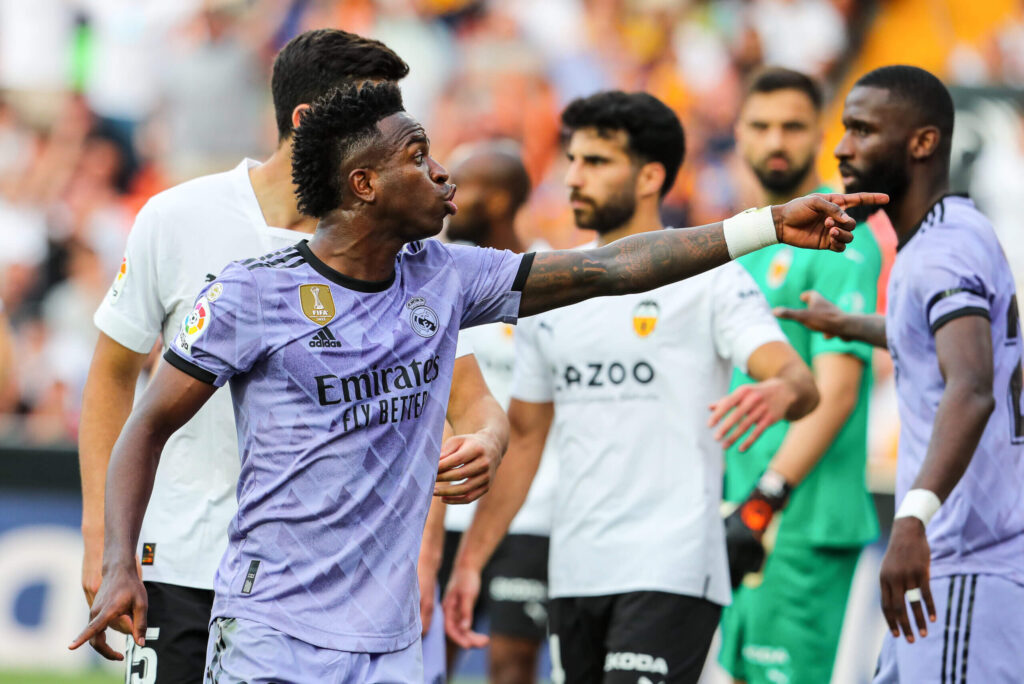
In a distressing turn of events during a recent UEFA Champions League match, Vinicius Jr., the talented winger of Real Madrid, has come forward with a racism allegation, claiming he faced racial abuse from Benfica’s player Gianluca Prestianni. This incident has sparked significant outrage and has led to an official UEFA investigation aimed at uncovering the truth behind the claims. FIFA President Gianni Infantino expressed his shock and sadness over the allegations, emphasizing that football must stand firmly against racism. The game, temporarily halted for 10 minutes, highlighted the need for a robust football racism response, as the community rallies to confront such discriminatory behavior. As UEFA takes the necessary steps to address the Vinicius Jr. racism allegation, it calls into question the broader issues of racism in football, echoing sentiments experienced in past incidents like the Benfica racism incident.
The recent situation involving Vinicius Jr. raises significant concern regarding the ongoing issue of racism in football, particularly within high-stakes matches such as those in the Champions League. As UEFA embarks on a comprehensive investigation, there are collective calls for accountability and a robust football racism response, making it imperative for governing bodies to take action. This incident not only sheds light on the need for vigilance against discriminatory behaviors during matches but also evokes memories of previous occurrences, such as the Benfica racism incident. Gianni Infantino’s emphatic stance against such behavior reinforces the commitment required from all stakeholders in the sport. As we navigate through these challenges, the football community must unite to ensure a safe and inclusive environment for all players.
UEFA Launches Investigation into Vinicius Jr.’s Racism Allegation
In a significant move, UEFA has confirmed that an investigation is underway following allegations made by Real Madrid’s Vinicius Jr. that he was subjected to racial abuse during a crucial Champions League match against Benfica. This incident has sparked widespread outrage and calls for accountability in football. The governing body is scrutinizing the events of the match, specifically focusing on claims against Benfica’s Gianluca Prestianni, who allegedly directed racist remarks at Vinicius Jr. Such incidents not only tarnish the reputation of the sport but also highlight ongoing concerns regarding racism in football.
The investigation will include reviewing video footage and conducting interviews with those involved, including player testimonies and match officials. By taking these steps, UEFA demonstrates its commitment to confronting racism within football. FIFA President Gianni Infantino has expressed his dismay about this incident, emphasizing that there is no place for racism in sports or society. This pivotal moment in the UEFA Champions League could catalyze a larger discussion on how football can better combat discrimination at all levels.
Gianni Infantino’s Statement on Football Racism
Gianni Infantino, President of FIFA, has publicly addressed the racism allegation against Vinicius Jr. with a strong and clear statement, expressing his shock and sadness over the incident that occurred during a high-stakes UEFA Champions League match. Infantino’s remarks underscore the importance of not only addressing these issues as they arise but also ensuring that appropriate measures and protocols are in place to protect players from discrimination. He reaffirms FIFA’s stance on racism, asserting that everyone has a role to play in eradicating this scourge from the sport.
Infantino’s call for accountability is not merely rhetoric; it is indicative of a broader strategy to tackle racism in football. He emphasized the necessity of collaboration among all stakeholders within the sport, from governing bodies to clubs and supporters, to cultivate a zero-tolerance environment for such behavior. The FIFA President’s commitment to actively supporting victims of racism through initiatives like the Global Stand Against Racism reinforces the need for sustained action beyond verbal condemnation.
The Impact of Champions League Racism Incidents
Incidents of racism during high-profile matches like the UEFA Champions League can have far-reaching consequences, not only for players but also for the integrity of the sport itself. The case involving Vinicius Jr. is a stark reminder of the challenges that athletes face on and off the field, particularly those from minority backgrounds. Such allegations can lead to investigations by governing bodies, which could result in penalties for the responsible parties, impacting their careers and reputations. The scrutiny surrounding these incidents can serve as a catalyst for broader discussions on how to implement effective anti-racism strategies in football.
Furthermore, the ongoing response to allegations of racism can shape public perception and influence the policies that clubs and organizations adopt going forward. As seen in past incidents, quick and decisive action can restore trust and confidence among players, fans, and sponsors. The spotlight placed on UEFA and FIFA by cases like Vinicius Jr.’s allegation encourages a proactive approach to combat racism, ensuring that it remains a paramount concern within the sport.
Examining the Benfica Racism Incident
The allegations of racism made by Vinicius Jr. against Benfica’s Gianluca Prestianni during a crucial Champions League match come amid growing fears about racial discrimination in football. This incident has raised questions about the measures in place to protect players and how clubs respond to such allegations. Benfica, in this case, has denied the accusations, which adds another layer of complexity to the investigation. The outcomes of such inquiries are critical in shaping the narrative around racism in football, affecting not just the clubs involved but the sport as a whole.
Analyzing the Benfica incident reveals not just the immediate reactions but also the potential long-term effects on the players involved. Vinicius Jr.’s history of racial discrimination adds weight to his testimony and highlights the ongoing nature of these challenges within football. As the investigation unfolds, it will be important to monitor how both UEFA and the club address these allegations, which could provide critical insights into the efficacy of current policies designed to combat racism and support players facing discrimination.
Football’s Ongoing Response to Racism
The recent allegations of racism involving Vinicius Jr. have reignited discussions about football’s ongoing response to such incidents. In the aftermath of high-profile cases, there is increasing pressure on football associations to implement more effective policies and procedures aimed at ensuring player safety and respect. The actions taken by UEFA and FIFA in this circumstance could serve as a reference point for future incidents, potentially leading to more stringent regulations surrounding fan behavior and player protections.
As various stakeholders in the sport respond to incidents like the one involving Vinicius Jr., there is a growing realization that education and awareness are vital components of the solution. Organizations like FIFA and UEFA are urging teams, players, and fans to engage in open dialogues about racism and its impacts. The collaboration between governing bodies and clubs is crucial in developing comprehensive anti-racism strategies that not only address incidents but also foster an inclusive environment for all participants in the sport.
The Role of Players in Combating Racism
Players like Vinicius Jr. play a vital role in the fight against racism in football, as their powerful voices can influence change both on and off the pitch. By speaking out against discrimination, they bring visibility to the issue and encourage others to take a stand. Vinicius Jr.’s assertion that racists are cowards reflects a growing movement among athletes who refuse to remain silent in the face of prejudice, urging both fans and organizations to enforce strict consequences for racially abusive behavior.
Moreover, the solidarity exhibited by players in the wake of such incidents highlights the community aspect of the fight against racism. Many footballers are beginning to use their platforms to advocate for equality and justice. This collective voice is powerful in effecting systemic change within football, as it raises awareness and compels governing bodies to take decisive action against racism. The proactive stance taken by athletes helps to dismantle the culture of silence that often surrounds discrimination in sports.
Media Coverage of Racism in Football
Media reporting on incidents of racism, such as the recent allegations made by Vinicius Jr., plays a crucial role in shaping public perception of the issue. Comprehensive and responsible coverage can amplify the voices of those affected and highlight the need for change within the sport. However, it also poses challenges, as sensationalist reporting can sometimes overshadow the gravity of the situation, leading to a reductionist narrative that fails to recognize the systemic nature of racism in football.
Furthermore, media outlets have the responsibility to hold football associations accountable by reporting on their responses to racism allegations and the effectiveness of their policies. The ongoing situation with Vinicius Jr. offers a prime opportunity for journalists and commentators to explore deeper societal implications and advocate for consistent action against racism in sports. As public demand for accountability grows, media coverage will be instrumental in ensuring that football remains vigilant in its fight against discrimination.
Lessons Learned from Vinicius Jr.’s Allegation
The racism allegation involving Vinicius Jr. serves as a pivotal learning opportunity for the football community. This incident reminds everyone involved in the sport—from players to governing bodies—to prioritize the protection and respect of all individuals within the game. Addressing these allegations with the seriousness they warrant not only ensures justice for the affected players but also encourages a culture of inclusivity and respect. The lessons learned from this unfortunate situation can help shape future policies that prevent discrimination and promote equality.
Additionally, this incident can inspire other players who have faced similar experiences to speak out against racism. Vinicius Jr.’s courage in calling out discrimination can empower others to share their stories, leading to a collective movement that pushes for more robust mechanisms to combat hate in football. The response to this situation could foster a broader dialogue on the need for systemic changes in how football addresses racism, pushing for a sport that truly embodies fairness and equality for all.
The Future of Anti-Racism Efforts in Football
The future of anti-racism efforts in football hinges on the lessons learned from incidents like the allegation against Vinicius Jr. As governing bodies, clubs, players, and fans come together to form a united front against racism, there is hope for creating a safer and more inclusive environment in the sport. Initiatives like UEFA’s investigation serve as critical steps in demonstrating that racism will not be tolerated, encouraging proactive measures to preemptively address any discriminatory behavior.
Moving forward, collaboration among football associations, players, and advocacy groups is essential in designing educational programs and preventive strategies that address the roots of racism. These efforts could lead to a cultural shift within football, where respect for diversity is at the forefront. By continuously challenging the status quo and advocating for essential changes, stakeholders can ensure that the hard lessons learned from incidents like that of Vinicius Jr. lead to meaningful advancements in the fight against racism in football.
Frequently Asked Questions
What are the details of the UEFA investigation into Vinicius Jr.’s racism allegation?
UEFA has initiated an investigation into the racism allegation made by Vinicius Jr. during a Champions League match against Benfica. The inquiry will examine the claim that Benfica’s Gianluca Prestianni used racist language towards Vinicius. UEFA will review video footage and interview both parties involved.
How did Gianni Infantino react to the racism allegation against Vinicius Jr.?
FIFA President Gianni Infantino expressed that he was ‘shocked and saddened’ by the racism allegations against Vinicius Jr. during the Champions League match. He emphasized the need for accountability and action against those found guilty of racism, reinforcing FIFA’s commitment to combat discrimination in football.
What actions were taken during the Champions League match concerning Vinicius Jr.’s racism allegation?
During the match between Real Madrid and Benfica, referee François Letexier halted the game for 10 minutes in response to Vinicius Jr.’s racism allegation. Both teams left the pitch temporarily, showing support against racism in football.
What did Vinicius Jr. say about the racism he faced during the Benfica match?
Vinicius Jr. labeled those who racially abuse others as ‘cowards’ and expressed his frustration over the repeated incidents of racism he has faced in football. He highlighted the need for proper action against perpetrators, urging stakeholders to fulfill their responsibilities in combating racism.
What is the broader reaction to racism in football following Vinicius Jr.’s allegations?
The broader reaction has included strong statements from figures like Gianni Infantino, who called for unity against racism in football and society. Infantino’s remarks stressed that there is no tolerance for racism and highlighted FIFA’s strategies to support victims of discrimination.
What incidents of racism in football are comparable to Vinicius Jr.’s situation?
Vinicius Jr.’s situation is part of a troubling trend of racism in football, similar to the Benfica racism incident. Previous cases include multiple instances of players facing racial abuse during matches, leading to investigations and calls for stronger anti-racism measures within the sport.
How can UEFA’s response to Vinicius Jr.’s allegation affect future football racism responses?
UEFA’s response to Vinicius Jr.’s racism allegation could set a precedent for how future cases of football racism are handled. By thoroughly investigating and addressing such allegations, UEFA may promote accountability and encourage other organizations to implement similar measures against racism in football.
| Key Points | Details |
|---|---|
| Investigation Launched | UEFA has opened an investigation into Vinicius Jr.’s allegations of racial abuse during a match against Benfica. |
| Involved Parties | The investigation focuses on claims against Benfica’s player Gianluca Prestianni. |
| Match Incident | The match was interrupted for 10 minutes after Vinicius Jr. reported the alleged abuse. |
| Denials from Benfica | Benfica and Prestianni have denied the allegations made by Vinicius Jr. |
| Infantino’s Response | FIFA President Gianni Infantino expressed shock and dismay, emphasizing the need to hold culprits accountable. |
| Previous Incidents | Vinicius Jr. has faced racism multiple times, describing racists as ‘cowards’. |
Summary
The Vinicius Jr. racism allegation has sparked a significant investigation by UEFA following claims of racial abuse during a Champions League match against Benfica. UEFA’s engagement, along with FIFA President Gianni Infantino’s strong stance against racism, underscores the ongoing need for accountability in all levels of football. As the investigation unfolds, it highlights not only the challenges faced by players like Vinicius Jr. but also the collective responsibility of the sport’s governing bodies to eradicate racism from football and society.

