
Listen to this article
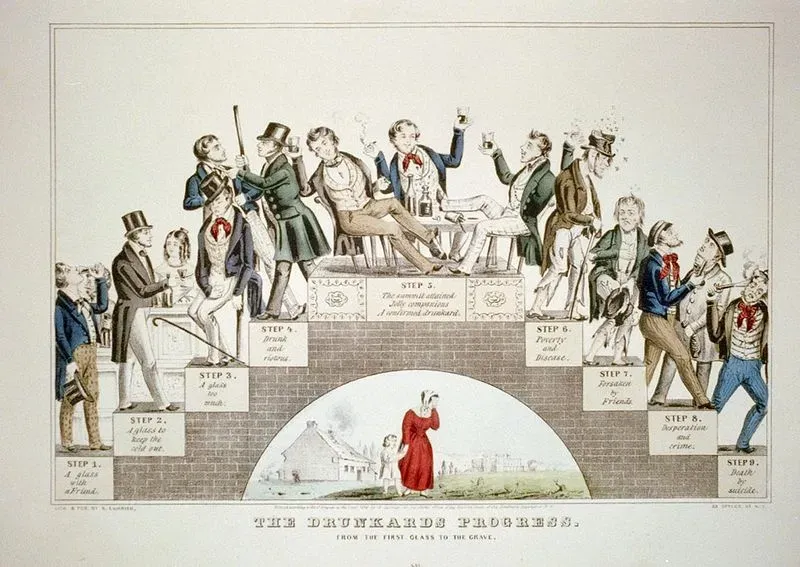
Victorian London teetotalism marked a transformative era in the 19th century, as the burgeoning Temperance movement sought to eradicate alcohol consumption amidst widespread social injustice. As public health concerns grew, reformers rallied against Victorian alcohol culture, viewing excessive drinking as a main culprit behind poverty and various societal ills. This passionate campaign for sobriety gained momentum, leading to the establishment of cercles and institutions devoted entirely to teetotalism, where adherents could thrive free from the influences of alcohol. During this period, the narrative of a ‘sober society’ became a popular aspiration, mirrored in the dry culture of Dry January that continues to this day. The history of teetotalism in London is not merely a tale of abstention; it represents a significant chapter in social reform, reflecting the city’s enduring quest for health and wellbeing.
During the 1800s, an escalating call for sobriety burst forth in London, framing a significant narrative within the broader context of social reform. This era introduced a robust movement that sought to promote abstinence from alcohol—a direct challenge to the prevailing norms of excess drinking among the Victorian populace. The push for temperance not only found its way into homes but also inspired various public spaces that celebrated a lifestyle free from the clutches of intoxication. As organizations advocated for this lifestyle, they crafted accessible alternatives to the nightlife centered around pubs, contributing to a burgeoning culture of health and civic responsibility. The legacy of this push for alcohol-free environments resonates today, particularly with modern initiatives echoing similar themes of wellness and moderation.
The Rise of Victorian London Teetotalism
The Victorian era marked an extraordinary shift in social attitudes towards alcohol consumption, leading to the rise of teetotalism as a significant movement. During the early 19th century, British society began to grapple with the negative consequences of alcohol, including moral decay and widespread poverty. Reformers emerged, championing the cause of temperance in response to mounting public health concerns and societal issues attributed to alcohol abuse. Drifting away from the culture of indulgent drinking that prevailed in London, these reformers established temperance societies in the 1830s, promoting the idea of total abstinence from alcohol as a means to improve society.
As part of a larger Temperance movement, these societies gained traction throughout London, rallying countless followers who pledged to live a life devoid of alcohol. The shift towards Victorian teetotalism was not merely a fad; it encapsulated a profound desire for social reform and personal improvement. Public processions organized by groups like the London Temperance League filled the streets of the city, spreading the message of abstinence from alcohol and showcasing an emerging identity centered around health and social well-being.
Impact of Dry January and Modern Teetotalism
In contemporary society, the concept of Dry January serves as a fitting evolution of the Victorian teetotalism movement, urging participants to forgo alcohol for a month as an opportunity for reflection and self-improvement. This modern campaign connects back to the historical roots of abstaining from alcohol, linking personal health with broader societal movements advocating for temperance and moderation. As individuals across London engage in this annual tradition, they resonate with the principles laid down by past teetotalers, reflecting a growing awareness of the benefits of reducing alcohol consumption.
Furthermore, the practice of Dry January has sparked discussions about alcohol culture in modern England, fostering a renewed interest in the history of teetotalism. Increased participation has prompted the emergence of alcohol-free venues and initiatives that echo the temperance spirit found in Victorian London. Coffee taverns and non-alcoholic social spaces are reappearing, providing alternatives to pubs while encouraging a lifestyle that celebrates health and community. This ongoing dialogue around alcohol moderation continues to demonstrate how the principles of Victorian teetotalism remain relevant today.
Victorian Alcohol Culture and Its Social Ramifications
The Victorian alcohol culture was characterized by a stark division between the excessive drinking habits of the lower classes and the temperance ideals adopted by reform-minded individuals. Pubs and taverns were ubiquitous in Victorian London, serving as popular social hubs. However, they also became associated with the degradation of public health and societal issues, such as crime and poverty. As the working class grappled with these negative repercussions, many began to see the benefits of embracing a teetotal lifestyle as a pathway to social mobility and improved quality of life.
The Temperance movement thus arose as both a reaction and a solution to the social challenges posed by rampant alcohol consumption. Reformers advocated for alcohol-free establishments, creating ‘dry’ spaces that offered a counter-narrative to the established drinking culture. These venues became focal points for community gathering, highlighting the interlinking of social reform and public health efforts. The influence of Victorian alcohol culture has left an indelible mark on Londoners and continues to shape the city’s evolving relationship with alcohol today.
The Role of Social Reform in Addressing Alcohol Issues
Social reform in the Victorian period was instrumental in addressing issues stemming from alcohol use and abuse. The rise of temperance societies marked a significant collective response to the challenges posed by excessive drinking, as reformers sought to highlight the detrimental effects of alcohol on families and communities. The Temperance movement championed the idea that abstaining from alcohol could lead to a better society—one that was healthier, more productive, and socially equitable. Empowered by social reform initiatives, many individuals found strength in abstaining from alcohol, recognizing it as a means to uplift not just themselves, but the community at large.
Throughout this reform period, temperance advocates pursued various strategies to bring about change, including public education campaigns and the establishment of supportive environments free from alcohol’s influence. They organized events, lectures, and rallies that galvanized people around the values of sobriety and responsibility. The passion for improving societal conditions through teetotalism demonstrated how social reformers effectively mobilized public sentiment, leading to the transformational shift in London’s approach to alcohol that ultimately shaped modern perspectives on drinking.
Legacy of the Temperance Movement in London
The legacy of the Temperance movement has had lasting impacts on London’s cultural landscape, shaping the ways in which alcohol consumption is viewed today. The establishments created during the height of the temperance movement, such as coffee houses and temperance hotels, laid the groundwork for contemporary social spaces that prioritize health and wellbeing. These venues not only served as alternatives to traditional pubs but also established a foothold for alcohol-free socializing in the city. The remnants of these temperance institutions serve as reminders of a significant historical shift, reflecting a collective desire for reform and a healthier lifestyle.
Moreover, the efforts of the Temperance movement have resonated deeply throughout British history, influencing modern conversations about alcohol consumption and social responsibility. Today’s campaigns advocating for moderation and the growing popularity of non-alcoholic alternatives draw inspiration from the pioneering efforts of Victorian reformers. As cities like London continue to navigate the complexities of alcohol culture, the echoes of teetotalism remind society of its capacity for change, encouraging ongoing discussions related to health, community, and social responsibility.
The Emergence of Alcohol-Free Venues
As a direct outcome of the teetotalism movement, the emergence of alcohol-free venues in Victorian London marked a revolutionary shift in social interaction. The establishment of coffee taverns and temperance hotels was a response to the overwhelming influence of pubs, providing safe and welcoming spaces for those wishing to socialize without the pressure of alcohol. These venues not only served delicious coffee and snacks but also offered entertainment and a sense of community for non-drinkers. The proliferation of such establishments demonstrated how teetotalism could create alternative spaces that fostered social interactions without the complications associated with alcohol.
Today, the legacy of alcohol-free venues continues to thrive, reflecting a broader societal shift toward mindfulness and health consciousness. In modern London, a range of establishments now cater to a growing demographic that seeks enriching social experiences free from alcoholic beverages. These alcohol-free venues contribute to the developing dialogue about wellbeing, lifestyle choices, and community building, reinforcing the idea that socializing can occur in varied, enjoyable settings beyond traditional drinking culture.
Victorian Social Reform: The Impact on Alcohol Consumption
During the Victorian era, social reform movements emerged as critical agents of change concerning alcohol consumption in England. As industrialization transformed urban life, many individuals found themselves grappling with the social consequences of poverty and alcohol abuse. Reformers began advocating for transformative policies aimed at curbing excessive drinking, leading to the establishment of temperance societies that aimed to educate the public on the benefits of leading alcohol-free lives. This progressive drive was fueled by a desire to create a healthier society, free from the shackles of addiction and its associated societal issues.
The Temperance movement was inseparable from broader social reform agendas focused on improving public health and elevating living conditions in Victorian London. By promoting teetotalism, reformers sought to reshape societal values surrounding alcohol, encouraging responsibility and healthy lifestyle choices. Their work sparked significant discussions in both political and community circles, leading to vital changes that altered the trajectory of alcohol culture in England. The intersection of social reform and alcohol consumption in the Victorian era laid the foundation for a more conscious understanding of drinking and its impact on society.
The Cultural Shifts Linked to Teetotalism
Teetotalism not only represented a rejection of alcohol but also embodied broader cultural shifts during the Victorian period. As people embraced temperance, there was a movement away from the often tumultuous and unruly behavior associated with drinking culture. This cultural transition marked a redefinition of what it meant to socialize, with people increasingly seeking healthier and more positive experiences. Reformers like Emma Cons advocated for ‘purified entertainment,’ emphasizing the importance of creating enriching social spaces that aligned with the values of teetotalism. These new cultural norms resonated with a wide audience and gradually changed the fabric of society.
The cultural shifts linked to the teetotalism movement reinforced the concept that one’s lifestyle choices could reflect broader moral and social values. In Victorian London, the connection between character and sobriety became a focal point for many. Individuals who adhered to teetotal principles were often viewed as virtuous, responsible citizens, which further normalized abstinence from alcohol. This transformation in cultural attitudes persisted beyond the Victorian period, continuing to influence discussions about alcohol consumption and lifestyle choices in contemporary society.
The Role of Women in the Temperance Movement
Women played a pivotal role in the Temperance movement in Victorian London, serving as both advocates and leaders within the fight for social reform. While the desire for alcohol moderation was a collective endeavor, women often experienced the brunt of alcohol-related issues within their families, making them particularly invested in promoting teetotalism. As central figures in temperance societies, women organized campaigns, rallies, and educational programs aimed at encouraging sobriety and improving household conditions influenced by alcohol abuse. Their formidable efforts were crucial in disseminating the movement’s ideals and securing a future for temperance in society.
Notable women reformers, including Emma Cons, spearheaded transformative changes in several cultural institutions, showcasing how women’s involvement in the Temperance movement extended beyond mere advocacy. By taking charge of venues like the Royal Victoria Coffee Music Hall, they provided a means for social entertainment free from the complications of alcohol. Additionally, women challenged the societal norms of their time, pushing for greater recognition of their societal contributions and reinforcing the belief that temperance could lead to meaningful societal progress. This empowered role underscores the integral part women played in shaping both the Temperance movement and Victorian culture.
Frequently Asked Questions
What was the role of the Temperance movement in shaping Victorian London teetotalism?
The Temperance movement played a pivotal role in shaping Victorian London teetotalism by promoting a lifestyle free from alcohol. Emerging in the 1830s, it aimed to combat the social issues linked to alcohol abuse, including poverty and crime. As part of this movement, numerous temperance societies were established, and events like processions were held to encourage the public to pledge against alcohol, resulting in significant changes in local culture and social reform.
How did the emergence of teetotalism affect the alcohol culture in Victorian London?
The emergence of teetotalism led to a profound transformation in the Victorian alcohol culture of London. As the movement gained traction, it encouraged the establishment of alcohol-free venues such as coffee taverns, concert halls, and temperance hotels, providing alternatives to traditional pubs. This shift not only reduced alcohol consumption but also fostered a new social environment focused on healthier lifestyles.
What were some social reforms influenced by Victorian London teetotalism?
Victorian London teetotalism influenced several social reforms, including improved access to clean drinking water and the establishment of safe recreational spaces. Public water fountains, like the Burdett-Coutts Memorial Drinking Fountain, exemplified the movement’s commitment to providing healthier choices. Additionally, temperance hotels and billiard halls emerged, offering safe entertainment options that supported the goal of reducing alcohol dependencies.
What was the significance of the Royal Victoria Coffee Music Hall in the history of teetotalism in Victorian London?
The Royal Victoria Coffee Music Hall, transformed by social reformer Emma Cons in the late 19th century, was significant in showcasing teetotalism’s impact on Victorian London. It provided ‘purified entertainment’ free from the influence of alcohol, making it a central venue for the working class to enjoy leisure activities without the association of drinking. This establishment exemplified the broader cultural shift towards teetotalism during this period.
How did the creation of coffee taverns and temperance hotels contribute to the teetotalism movement in Victorian London?
Coffee taverns and temperance hotels significantly contributed to the teetotalism movement in Victorian London by offering alternative social spaces that promoted sobriety. These venues not only provided a friendly atmosphere lacking the pressures of alcohol but also appealed to those seeking entertainment and community without the risks associated with drinking. Their presence helped solidify the ideals of the Temperance movement within the urban fabric.
What is the historical significance of the temperance billiard halls in Victorian London?
Temperance billiard halls, such as the Brixton Temperance Billiard Hall, were historically significant as they represented the movement’s efforts to reshape leisure activities in Victorian London. By offering billiards combined with cafés in a non-alcoholic environment, these establishments provided a safe recreational space for the working class, promoting teetotalism while challenging the existing pub culture.
How did Victorian London teetotalism reflect broader changes in society during the 19th century?
Victorian London teetotalism reflected broader societal changes by highlighting the push for social reform and improved public health amidst industrialization. The movement represented a growing awareness of the negative effects of alcohol on society and made way for public advocacy around morality and health, shaping a new cultural paradigm that emphasized responsible living and community welfare.
What lessons can modern society learn from the teetotalism movement in Victorian London?
Modern society can learn valuable lessons from Victorian London teetotalism, particularly regarding the importance of addressing social issues related to alcohol consumption. By promoting healthy lifestyle choices and creating supportive environments free from alcohol, communities can adopt practices that encourage well-being and assist those struggling with addiction, mirroring the historical efforts of the temperance movement.
| Key Points |
|---|
| The rise of teetotalism in the 19th Century was a response to alcohol as a cause of poverty and social strife. |
| Temperance societies, formed in the 1830s, aimed to promote a life without alcohol and offer support to those affected by drinking. |
| A parallel social and architectural world was created, including alcohol-free entertainment venues and services. |
| At the peak of the movement (1880-1914), approximately 500 Temperance hotels operated across the UK, many located in London. |
| Historic buildings related to the Temperance Movement still exist, such as The Old Vic and Brixton Temperance Billiard Hall. |
| Reformers’ efforts included providing alternatives like clean water fountains to combat alcohol consumption. |
| The Temperance Movement represents a significant yet often overlooked chapter in Victorian London’s social history. |
Summary
Victorian London teetotalism represented a revolutionary movement that sought to combat the destructive effects of alcohol on society. This significant social wave transformed the lives of many through the establishment of temperance societies and the promotion of alcohol-free venues. From the creation of coffee taverns to the development of temperance hotels, these initiatives not only provided alternative social spaces but also aimed to elevate the quality of life for the working class. The legacy of Victorian London teetotalism continues to resonate today, highlighting the era’s commitment to social reform and its ongoing impact on British culture.