Listen to this article
Venezuelan political prisoners represent a critical issue in the ongoing humanitarian and political crisis in Venezuela. Recent developments have highlighted that over 1,500 individuals classified as political prisoners have applied for amnesty under the newly proposed Venezuela amnesty law. This law, introduced amidst calls for the release of such prisoners, aims to address the injustices faced by dissenters under Nicolás Maduro’s administration. Prominent figures, including Juan Pablo Guanipa, have been released, although many activists question the law’s applicability and fairness, fearing it may still exclude certain key figures. As debates surrounding amnesty for Venezuelan prisoners heat up, international attention remains focused on the Maduro regime’s treatment of political dissent and the future of democracy in the nation.
The plight of political detainees in Venezuela sheds light on the broader issues of oppression and human rights violations within the country. These individuals, often considered symbolic of resistance against the current regime, face severe repercussions for their views and actions. Amnesty for Venezuelan detainees is not merely a legal matter but a crucial step towards restoring justice and accountability in a fractured society. The recent amnesty law has sparked discussions about the legitimacy of political imprisonment under President Maduro’s rule, as well as the implications of laws that may selectively target dissenters. As communities rally behind the cause of releasing unjustly incarcerated individuals, the struggle for freedom and justice continues to resonate both nationally and internationally.
Overview of the Venezuelan Political Prisoner Amnesty Law
In the wake of ongoing political turmoil, the government of Venezuela has introduced a new amnesty law that has sparked significant debate among political analysts, activists, and citizens alike. The law enables 1,557 Venezuelan political prisoners to apply for amnesty, taking place amidst widespread accusations of the political repression orchestrated by the Maduro regime. Jorge Rodríguez, president of the National Assembly, announced that the processing of these release applications is a priority for the current administration, potentially reflecting a shift in strategy amidst international scrutiny and calls for human rights reform.
While the announcement of the amnesty appears to be a step toward alleviating the oppressive atmosphere surrounding political dissent, the law is not without controversy. Critics highlight that the law fails to grant amnesty to all political prisoners, particularly those who have advocated for foreign intervention against the Maduro government. This selective approach raises concerns about the sincerity of the initiative, as some notable opposition figures who align with such views risk being excluded from receiving any benefits under the new legislation.
Controversy Surrounding Political Prison Release
The Venezuelan government’s approach to political prisoners under the newly proposed amnesty law has ignited a firestorm of criticism, particularly from opposition leaders and human rights organizations. A significant point of contention relates to the release of specific individuals, including opposition figure Juan Pablo Guanipa, whose previous imprisonment highlighted the authoritarian nature of the regime. Guanipa’s release, touted as a positive development, was met with skepticism, as many believe it serves to perpetuate a narrative of false progress rather than a genuine commitment to human rights.
Furthermore, opposition voices such as Maria Corina Machado remain uncertain about their own fates under this new legislation. The exclusion of certain categories of political prisoners—especially those accused of advocating for external military intervention—points to the continued struggle for true reform in Venezuela. As human rights activists continue to document cases of repression against dissenters, there is a growing demand for a more inclusive amnesty process that recognizes the systemic injustices faced by many political prisoners.
Impact of U.S. Policy on Venezuela’s Political Landscape
The geopolitical implications of U.S. policy toward Venezuela have played a crucial role in shaping the current political landscape. Following the U.S. government’s strong stance against Nicolás Maduro, including the recent capture of the leader, calls for the release of political prisoners have intensified. The Biden administration has been vocal in its support for the restoration of democratic processes in Venezuela, further pressuring the Maduro regime to respond to international demands. The U.S. position, coupled with growing domestic unrest, places additional scrutiny on the amnesty law and its implementation.
Moreover, with political prisoners awaiting release from notorious facilities like El Helicoide, the stakes have never been higher for the Venezuelan government. Calls for accountability and transparency in addressing the injustices faced by these individuals have reached a crescendo, pushing the administration to consider how best to navigate international relations moving forward. Watchful eyes from across the globe are likely to influence the degree to which Venezuela’s government complies with these calls, potentially redefining the fabric of its political narrative.
Release of Political Prisoners: A Plea for Justice and Recognition
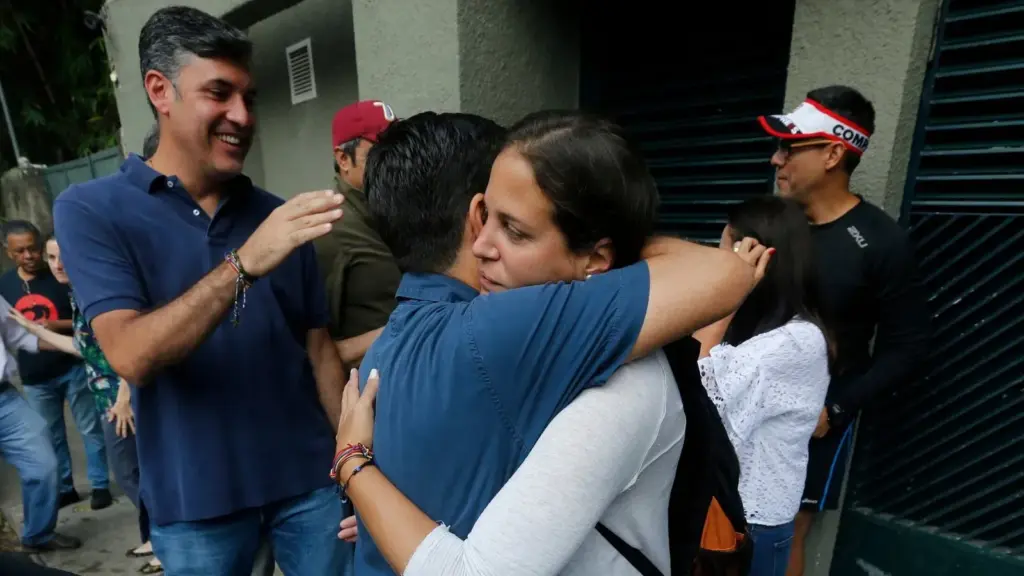
The release of political prisoners is often framed as a critical step towards justice and reconciliation in Venezuela. As the government announces the processing of over 1,500 applications for amnesty, families of imprisoned activists and politicians continue to rally for recognition of their loved ones’ rights and sacrifices. The hunger strikes organized by families reveal not only desperation but a steadfast commitment to achieving justice. Such acts resonate deeply in the context of Venezuela’s turbulent political history, casting light on the broader struggle for human rights and freedom.
On the other hand, the selective nature of the current amnesty law has led to feelings of betrayal among those who hoped it would signal a wider reform within the justice system. Dedicated activists fear that the framework built around the law might reinforce existing injustices rather than dismantle them. The ongoing clash between government narratives and the lived realities of political prisoners shapes the overall discourse, emphasizing the urgent need for policies that genuinely reflect an understanding of the human rights landscape in Venezuela.
The Role of International Organizations in Supporting Venezuelan Activists
Amid ongoing political crises, international organizations have been pivotal in offering support and raising awareness about the plight of Venezuelan political prisoners. Groups such as Amnesty International and Human Rights Watch remain at the forefront of advocating for the release of these individuals, shedding light on the harsh treatments they face. These organizations not only document abuses but also mobilize public opinion, fostering a global dialogue aimed at promoting human rights standards and accountability within the Venezuelan government.
Moreover, international actors, including the United Nations, have increasingly voiced opposition to the Venezuelan government’s practices against dissenters. Continuous support from these organizations serves to empower activists within Venezuela, encouraging them to persist in their demands for justice and reform. The intersection of domestic struggles with international advocacy underscores the significance of global solidarity in resisting authoritarian governance and promoting genuine political progress in Venezuela.
Venezuelan Government’s Challenges in Addressing Political Dissent
The Venezuelan government faces mounting challenges in navigating the complexities associated with political dissent and the treatment of political prisoners. Despite presenting an amnesty law as a potential olive branch, the exclusion of certain prisoners has sparked discontent within the opposition ranks, leading to accusations of insincerity from government officials. Many see the government’s actions as merely a façade designed to placate international critics while maintaining a firm grip on power.
This tactical maneuvering has obvious implications for future engagement with both local and international stakeholders. Resistance from civil society and political activists may drive continued unrest, complicating the government’s efforts to stabilize the nation amid economic difficulties and social unrest. The lack of meaningful change within the existing political framework further emphasizes the need for the government to recalibrate its approach towards dissent if it seeks to quell the burgeoning demands for comprehensive reforms.
Global Reactions to Venezuela’s Amnesty Law Initiative
Globally, reactions to the Venezuelan government’s recent amnesty law initiative have been varied, with some viewing it as a step toward justice, while others see it as a strategic ploy. Countries and international organizations are closely monitoring how the application of this law unfolds, particularly in light of Venezuela’s historical context of human rights violations. The delicate interplay between the government’s efforts to project an image of reform and the realities faced by political prisoners will likely determine how the world perceives this latest initiative.
Advocacy from global powers, particularly the United States, has played a significant role in pressuring Venezuela to reconsider its stance on political prisoners. The calls for transparency and justice resonate with international norms regarding the treatment of prisoners of conscience. As scrutiny remains high, the Venezuelan government must be alert to the implications of its decisions, for failing to adequately address the grievances of political prisoners risks further isolating itself on the global stage.
The Historical Context of Political Prisoners in Venezuela
The issue of political prisoners in Venezuela has deep historical roots, stretching back decades and intricately tied to cycles of oppressive governance and civic resistance. Over the years, various administrations have utilized imprisonment as a mechanism to suppress dissent and eliminate opposition. The increase in the number of political prisoners, particularly under Nicolás Maduro’s regime, illustrates a continued pattern of silencing critics through punitive measures and systemic violence. This legal backdrop informs the current discussions surrounding the amnesty law.
Understanding this history is crucial for framing contemporary calls for justice and reform. Advocacy for amnesty, such as that for the large cohort of Venezuelan political prisoners, is not just a present-day issue but rather an ongoing struggle against a legacy of political repression. Engaging with this historical context fosters a deeper appreciation of the resilience of Venezuelan society and the unyielding quest for human rights and democratic governance.
Future Prospects for Democracy in Venezuela Amidst Political Repression
The future of democracy in Venezuela remains uncertain, particularly given the entrenched political repression and the contentious environment surrounding the amnesty law. As the government takes steps toward what it describes as reconciliation, many remain skeptical about the motivations behind these actions. The pervasive climate of fear and censorship continues to hinder free expression and restrict civil liberties, raising profound questions about the viability of genuine democratic reforms.
Activists are adamant that the path to democracy hinges not only on the release of political prisoners but also on the establishment of transparent processes that empower citizens. Fostering a political environment conducive to open dialogue, political participation, and respect for human rights will be critical. Moving forward, both national and international actors will need to collaborate to lay the groundwork for a more democratic Venezuela, where voices of dissent are no longer silenced.
Frequently Asked Questions
What is the current status of political prisoners in Venezuela?
As of now, over 1,500 Venezuelan political prisoners have applied for amnesty under a new law introduced by the National Assembly. The Venezuelan government has stated that hundreds of these political prisoners are being processed for release, particularly from notorious facilities like El Helicoide.
Who are some notable Venezuelan political prisoners?
Notable Venezuelan political prisoners include opposition leaders such as Juan Pablo Guanipa, who was recently released under the new amnesty law, and Maria Corina Machado, who remains a contentious figure when discussing the parameters of the amnesty law.
How does the Venezuela amnesty law address political prisoners?
The Venezuela amnesty law is designed to process the release of political prisoners, with the government claiming it could eventually extend to around 11,000 prisoners. However, it has faced criticism for excluding certain political prisoners based on their previous calls for foreign intervention.
What has been the reaction to the amnesty for Venezuelan prisoners?
The reaction to the amnesty for Venezuelan prisoners has been mixed. While the government has positioned it as a goodwill gesture, opposition and human rights groups have expressed concerns that it fails to address the needs of many key political prisoners.
Has the US responded to the situation of political prisoners in Venezuela?
Yes, the United States has called on Venezuela to expedite the release of political prisoners. The U.S. government has been particularly vocal about the need for the Maduro government to cease detaining individuals based on their political beliefs.
What implications does the release of Maduro political prisoners have on Venezuela’s political landscape?
The release of Maduro political prisoners could significantly impact Venezuela’s political landscape by potentially fostering dialogue between the government and the opposition. However, the selective nature of the amnesty law may also lead to further polarization and dissent among various factions.
What is the significance of Juan Pablo Guanipa’s release?
Juan Pablo Guanipa’s release is significant as he is a prominent opposition leader and symbolizes the ongoing struggle against the Maduro regime. His detention and subsequent release raise questions about the intent behind the amnesty law and its inclusivity towards various political prisoners.
What role do human rights organizations play in the discussion of Venezuelan political prisoners?
Human rights organizations play a critical role in raising awareness about the plight of political prisoners in Venezuela, advocating for their release, and holding the Maduro government accountable for its treatment of dissenters and critics.
Can amnesty laws help resolve Venezuela’s political crisis?
Amnesty laws could help alleviate some tensions in Venezuela’s political crisis by freeing political prisoners; however, their efficacy largely depends on the government’s commitment to inclusivity and dialogue with all political factions.
What are the potential challenges of the Venezuela amnesty law?
Potential challenges of the Venezuela amnesty law include widespread skepticism about its implementation, accusations of selective justice, and the exclusion of certain political prisoners which might hinder reconciliation efforts.
| Key Points |
|---|
| 1,557 Venezuelan political prisoners applied for amnesty under new law introduced by National Assembly President, Jorge Rodríguez. |
| Hundreds of prisoners, including Juan Pablo Guanipa, have already been released, although criticisms about the law’s exclusions have been voiced. |
| The United States has urged Venezuela to expedite the release of political prisoners following Maduro’s capture by U.S. forces. |
| Opposition and human rights groups are concerned that the law excludes certain prisoners, particularly those calling for foreign intervention. |
| Controversy surrounds the law’s wording, which might exclude military officers and specific opposition leaders like Maria Corina Machado from amnesty. |
| Releases are prioritized from El Helicoide prison in Caracas, with some family members of prisoners on hunger strike demanding their release. |
| Maduro remains in custody in the U.S., facing charges while claiming to be a ‘prisoner of war’. |
Summary
Venezuelan political prisoners have taken a significant step by applying for amnesty under new legislation. This move follows a backdrop of years of accusations against the Maduro government for suppressing dissent through the imprisonment of political opponents. While many have been released, concerns about the fairness and inclusivity of the amnesty law linger, particularly with exclusions that affect key political figures. The international community continues to urge Venezuela toward a more transparent approach regarding political prisoners, whose plight highlights the ongoing struggle for democracy and human rights in the country.