Listen to this article
The recent Venezuela airline ban has sparked significant debate and controversy, following the country’s decision to prohibit six major international airlines from landing. After these airlines failed to meet a strict 48-hour ultimatum set by the Venezuelan government, air travel restrictions became a harsh reality for thousands of passengers hoping to travel to Caracas. This action was taken in light of a troubling warning from the U.S. regarding heightened military activity in the region, raising concerns about safety at the Caracas airport. Further complicating the situation, the Venezuelan government accused the airlines of collaborating with what they labeled as state terrorism, in reference to the U.S. military presence just off its coast. As tensions rise, understanding the implications of the Venezuela airline ban is crucial for both travelers and the global aviation industry.
In the midst of escalating geopolitical tensions, the recent airline prohibitions imposed by Venezuela reflect a complex landscape of international relations and air travel dynamics. This development follows a series of controversial events, including warnings surrounding U.S. military operations near Venezuela and its capital city, Caracas. As the government responds to perceived threats with stringent measures, many travelers find themselves navigating a maze of restrictions and uncertainties in the aviation sector. The turmoil surrounding the banning of international carriers underscores a broader discourse on air connectivity and regional stability. By examining these incidents, we can gain valuable insights into the fluctuating environment of international aviation and its intersection with political upheaval.
Venezuela Airline Ban: Impact on International Travel
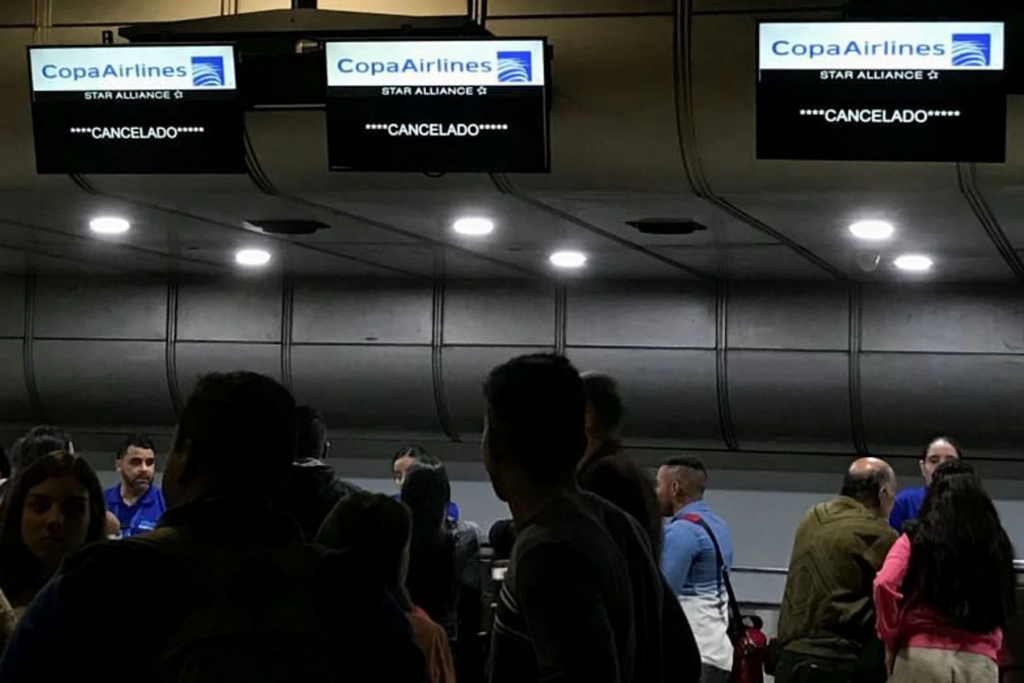
In a surprising move, the Venezuelan government has placed a ban on six major international airlines, including Iberia and TAP Portugal, effectively halting their operations into Caracas. This decision came after the airlines failed to comply with a 48-hour ultimatum issued by Venezuelan authorities. The repercussions of this ban have been stark; not only have thousands of passengers been left stranded, but the international airline industry has faced significant disruptions, complicating travel plans for those seeking to enter or leave Venezuela.
The airline ban reflects escalating tensions surrounding air travel in the region, particularly due to rising security concerns connected to U.S. military operations off the coast of Venezuela. As international airlines scramble to adjust to these restrictions, travelers must remain informed about alternative flight options and potential delays, ensuring they can navigate the complexities of air travel under these unprecedented circumstances.
Frequently Asked Questions
What is the reason behind the Venezuela airline ban affecting international airlines?
The Venezuela airline ban was imposed by the Venezuelan government on six major international airlines, including Iberia and TAP Portugal, after they failed to resume flights within a 48-hour ultimatum. This ultimatum arose due to heightened tensions surrounding U.S. military activity near Venezuela, causing the airlines to temporarily suspend operations impacting air travel.
Which international airlines have been banned from flying into Venezuela?
The Venezuela airline ban currently affects six major international airlines: Iberia, TAP Portugal, Gol, Latam, Avianca, and Turkish Airlines. These airlines lost their landing and take-off rights in Venezuela as a response to their suspension of flights following U.S. military warnings.
How has the U.S. military presence influenced the Venezuela airline ban?
The U.S. military presence near Venezuela, including the deployment of 15,000 troops and the USS Gerald Ford aircraft carrier, has significantly influenced the Venezuela airline ban. The Venezuelan government cited the increased U.S. military activity as a justification for banning airlines that suspend flights, accusing them of aligning with U.S. state terrorism.
What precautions has the FAA recommended for airlines operating in Venezuela?
In light of the rising tensions and military activity, the FAA issued warnings to flight operators at Maiquetía airport, urging them to exercise caution at all altitudes when operating in Venezuela. This warning contributed to the decision of several airlines to suspend flights, leading to the Venezuela airline ban.
How does the Venezuelan government’s actions reflect its stance on U.S. military activities?
The Venezuelan government’s imposition of the airline ban reflects its strong opposition to U.S. military activities near its borders. Authorities accuse the U.S. of attempting to destabilize the country through military presence and of pressuring international airlines to comply with its narrative, hence the ultimatum and subsequent ban on major carriers.
What alternatives do travelers have amid the Venezuela airline ban?
Despite the Venezuela airline ban affecting major international carriers, smaller airlines continue to operate flights into Venezuela. Travelers may need to consider these lesser-known airlines or explore indirect routes through neighboring countries to circumvent the restrictions imposed on larger airlines.
What has been the impact of the Venezuela airline ban on passengers?
The impact of the Venezuela airline ban has been significant, leaving thousands of passengers stranded or in limbo as major international airlines halt services. The ban complicates air travel to and from Venezuela, prompting travelers to seek alternative arrangements amid ongoing geopolitical tensions.
Are any diplomatic discussions ongoing to resolve the Venezuela airline ban situation?
Yes, there have been recent hints at potential diplomatic discussions regarding the Venezuela airline ban. Both Venezuelan President Nicolás Maduro and U.S. President Donald Trump have expressed willingness to engage in direct talks. However, the situation remains tense, and the resolution of the ban might hinge on broader geopolitical negotiations.
| Key Points |
|---|
| Venezuela has banned six major international airlines from landing in the country due to their failure to resume flights adhering to a 48-hour ultimatum. |
| The airlines suspended their routes to Caracas following a U.S. warning of heightened military activity in the area. |
| The banned airlines include Iberia, TAP Portugal, Gol, Latam, Avianca, and Turkish Airlines. |
| The Venezuelan government accused these airlines of supporting U.S. state terrorism by unilaterally suspending operations. |
| The U.S. has increased its military presence in the region significantly, claiming it aims to combat drug trafficking. |
| Venezuelan President Nicolás Maduro claims the U.S. military actions are aimed at politically overthrowing his government. |
| IATA’s efforts to mediate the situation have not been accepted by the Venezuelan government. |
| Both Maduro and U.S. President Donald Trump have shown willingness for direct talks, while tensions remain high. |
| Many smaller airlines continue to operate in Venezuela despite the bans, affecting thousands of passengers. |
Summary
The Venezuela airline ban has escalated tensions between Venezuela and the U.S. as the Venezuelan government responds to what it perceives as aggressive U.S. interference and military actions. With the recent banning of major airlines and the backdrop of increased military presence by the U.S., the situation remains volatile. Both nations have expressed a willingness to engage in dialogue, but the underlying issues of sovereignty, security, and political legitimacy continue to complicate the relationship.